



Mar . 28, 2026 01:45 Back to list
Comprehensive Guide to Selecting the Right Copper Grounding Rod for Electrical Safety
Choosing the Right Copper Grounding Rod: A Comprehensive Guide
Ensuring a robust grounding system is paramount for electrical safety and the longevity of your equipment. A copper grounding rod provides a reliable pathway for fault currents to dissipate, protecting personnel and infrastructure. This article will explore the importance of grounding rods, the benefits of copper, factors to consider when selecting a rod, installation best practices, and how Bilopowtel can provide high-quality solutions. A properly grounded system significantly reduces the risk of electrical shocks and equipment damage.
Why Choose a Copper Grounding Rod?
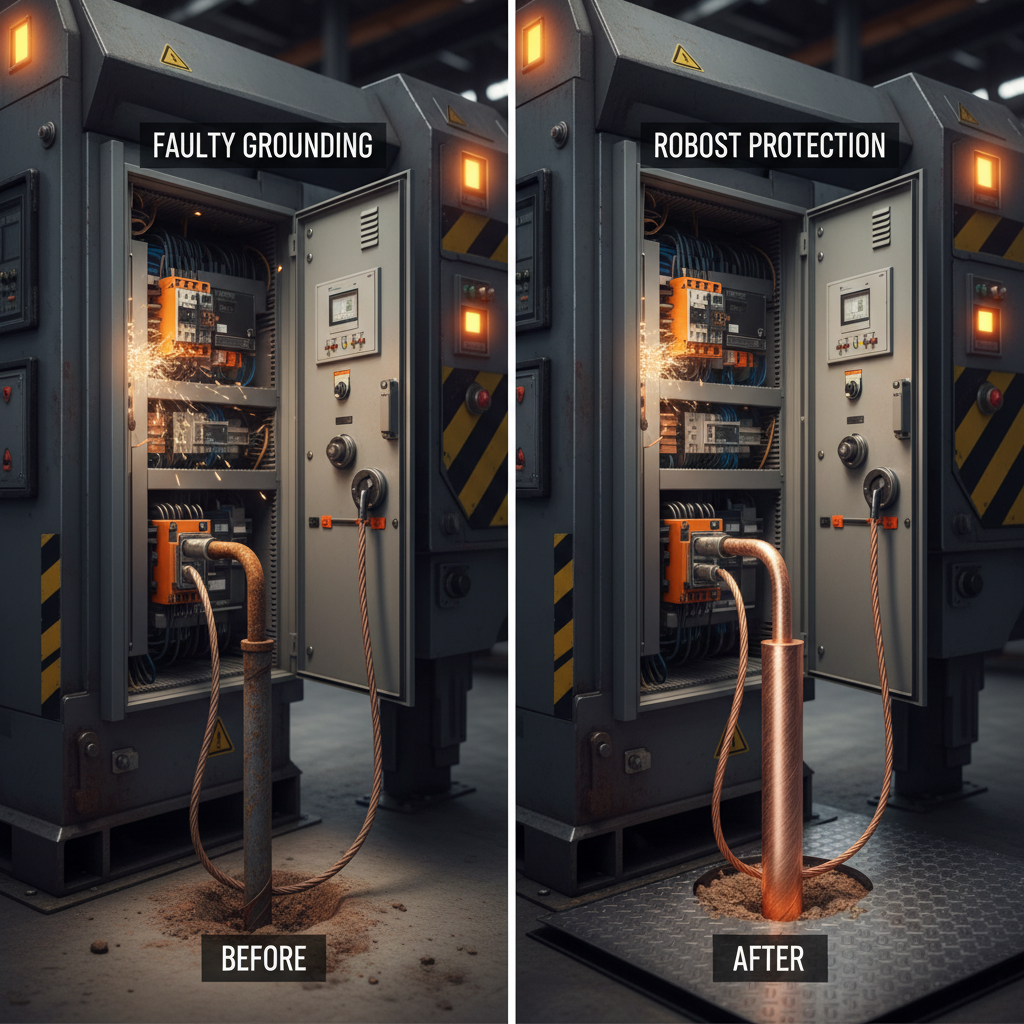
Copper is the preferred material for grounding rods due to its exceptional conductivity. Its low resistance allows for efficient dissipation of fault currents, minimizing the risk of electrical hazards. Unlike galvanized steel, copper doesn’t corrode as easily, leading to a longer lifespan and reduced maintenance. While other materials can be used, copper offers the best balance of performance, durability, and cost-effectiveness. Investing in a copper grounding rod is a crucial step in creating a safe and reliable electrical system.
Key Benefits: Exceptional conductivity, corrosion resistance, long lifespan, and reliable performance in various soil conditions.
Understanding Copper Grounding Rod Specifications
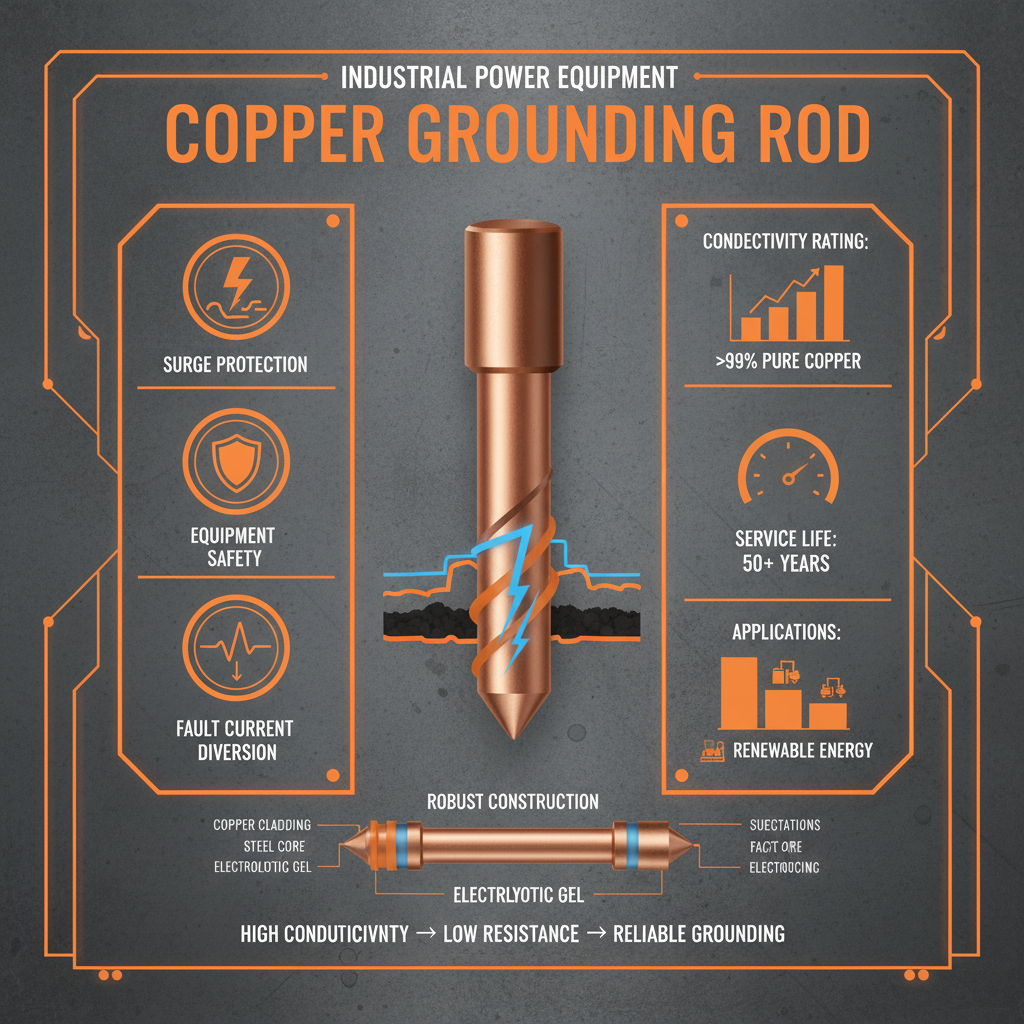
When selecting a copper grounding rod, several specifications are crucial. The diameter of the rod influences its current-carrying capacity, with larger diameters being suitable for higher fault current levels. The length of the rod determines its contact with the soil – longer rods generally offer lower resistance. The rod's construction, whether solid or hollow, also affects its strength and durability. Finally, the coating, if any, should be chosen for optimal corrosion protection in your specific soil conditions. Bilopowtel offers a wide range of copper grounding rods to meet diverse application requirements.
Key Specifications to Consider:
• Diameter: Affects current-carrying capacity.
• Length: Determines soil contact and resistance.
• Construction: Solid vs. Hollow for strength and durability.
• Coating: Corrosion protection tailored to soil conditions.
Copper vs. Other Grounding Rod Materials: A Comparison
While various materials can be used for grounding rods, copper consistently outperforms others in crucial areas. Galvanized steel is a common alternative, but its susceptibility to corrosion limits its lifespan. Aluminum offers good conductivity but is less durable than copper. Stainless steel provides excellent corrosion resistance but is significantly more expensive. The following table summarizes a comparison of common grounding rod materials:
Installation Best Practices for Copper Grounding Rods
Proper installation is critical for ensuring the effectiveness of a copper grounding rod. The rod should be driven vertically into the ground to a sufficient depth, typically at least 8 feet. For optimal conductivity, the surrounding soil should be moist and free of rocks and debris. Connecting the grounding rod to the grounding electrode conductor requires a secure and corrosion-resistant clamp. Regularly inspect the connection to ensure it remains tight and free of corrosion.
Bilopowtel: Your Trusted Source for Copper Grounding Rods
At Bilopowtel, we provide high-quality copper grounding rods in various sizes and configurations to meet your specific needs. We are committed to delivering reliable products and exceptional customer service. Our experienced team can assist you in selecting the right grounding rod for your application and provide expert advice on installation best practices. Contact us today to learn more about our solutions and how we can help you ensure a safe and reliable grounding system.
Conclusion: Invest in a Secure Foundation with Bilopowtel
Investing in a high-quality copper grounding rod from Bilopowtel is a crucial step towards ensuring electrical safety and protecting your valuable equipment. Our commitment to quality and customer service makes us the ideal partner for your grounding needs. Don't compromise on safety – choose Bilopowtel.
Frequently Asked Questions (FAQs)
What is the recommended depth for installing a copper grounding rod?
The recommended minimum depth for a copper grounding rod is 8 feet (2.44 meters). However, the optimal depth may vary depending on soil conditions and local regulations. In areas with rocky soil or shallow bedrock, it may be necessary to use multiple grounding rods or alternative grounding methods. Ensuring adequate depth maximizes contact with moist soil, reducing resistance and improving grounding effectiveness. Always consult local electrical codes and a qualified electrician for specific recommendations.
How do I test the effectiveness of a grounding rod?
The effectiveness of a grounding rod can be tested using a ground resistance tester. This device measures the resistance between the grounding rod and a remote ground stake. The National Electrical Code (NEC) recommends a maximum ground resistance of 25 ohms. If the resistance exceeds this limit, additional grounding rods may be required, or alternative grounding methods should be considered. Regular testing, especially after periods of heavy rainfall or drought, is essential to ensure continued effectiveness.
What type of soil is best for grounding?
Moist, clay-rich soil is ideal for grounding as it offers low resistance. Sandy or rocky soil typically has higher resistance and may require longer grounding rods or multiple rods to achieve acceptable grounding performance. Adding soil amendments, such as bentonite clay, can improve the conductivity of poor soil. It’s crucial to assess the soil conditions at the installation site and select grounding methods accordingly.
Can a copper grounding rod be used in corrosive environments?
While copper is relatively corrosion-resistant, it can still corrode in certain harsh environments, such as those with high acidity or sulfate levels. In such cases, using a coated copper grounding rod or a grounding rod made of a more corrosion-resistant material, like stainless steel, may be necessary. It's important to assess the soil chemistry and select a grounding rod that is appropriate for the specific environmental conditions.
Latest news
Precision Lifting and Pulling with the Lever Block 0.5 Ton Guide
NewsApr.16,2026
Precision Engineering Guide for High Performance Jet Lever
NewsApr.16,2026
Ultimate Guide to Choosing the Professional Industrial hoist lever
NewsApr.16,2026
Industrial Hoist Lever Chain Guide for Heavy Lifting and Rigging
NewsApr.16,2026
Industrial Lever Hoist Guide for Efficient Lifting and Pulling
NewsApr.16,2026
Ultimate Guide to Hand Ratchet Lift for Heavy Industrial Lifting
NewsApr.16,2026
- CONTACT
- ADDRESS: 188, Fengshou Road, Shijiazhuang. China
- EMAlL: info@bilopowtel.com
- PHONE: 0086-311-88862036
- WHATSAPP: 0086-152-26563165


