



Mar . 04, 2026 01:45 Back to list
Comprehensive Guide to Driving Ground Rods for Electrical Safety
Driving Ground Rods: A Comprehensive Guide
Driving ground rods is a critical aspect of electrical grounding systems, ensuring safety and efficient operation of electrical equipment. Proper grounding dissipates fault currents, protecting people and property. At Bilopowtel, we specialize in providing high-quality ground rods and accessories designed for optimal performance and longevity. This guide will explore the importance of grounding, different types of ground rods, installation techniques, and factors to consider when choosing the right ground rod for your specific needs. A well-grounded system is essential for any electrical setup, and selecting the appropriate driving ground rods is the first step towards a safe and reliable electrical infrastructure.
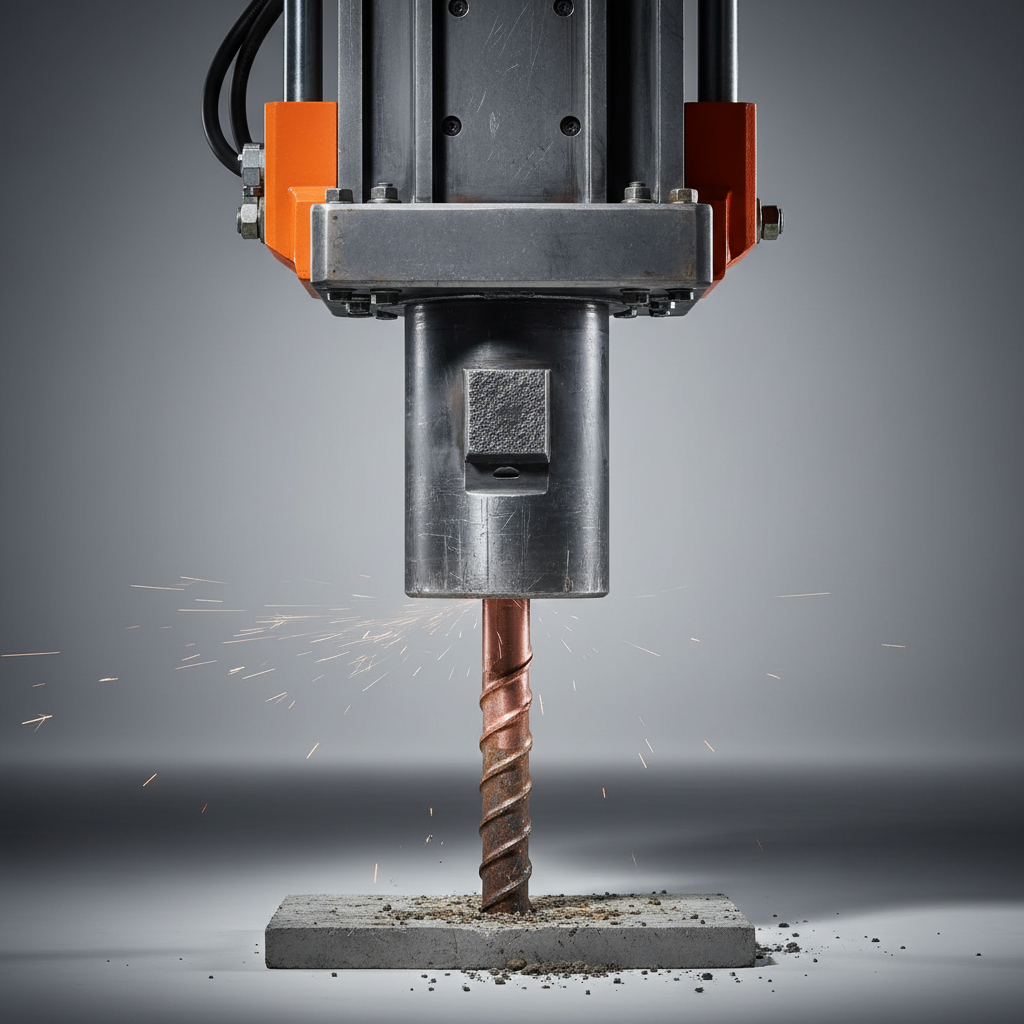
The Importance of Effective Grounding
Effective grounding is paramount for electrical safety. Grounding provides a low-resistance path for fault currents to flow back to the source, triggering circuit breakers or fuses to trip and de-energize the circuit. Without proper grounding, fault currents can find unintended paths to ground, potentially causing electrical shocks, fires, and damage to sensitive electronic equipment. Grounding also helps to stabilize voltage levels, reducing electrical noise and improving the performance of electronic systems. Investing in quality driving ground rods is a proactive step in safeguarding your electrical infrastructure and ensuring a safe operating environment.
Key Benefits of Grounding: Protection against electrical shock, prevention of electrical fires, protection of electronic equipment, stabilization of voltage levels, and improved system performance.
Types of Ground Rods & Their Applications
Several types of ground rods are available, each suited for specific soil conditions and applications. Common types include copper-clad steel ground rods, galvanized steel ground rods, and solid copper ground rods. Copper-clad steel rods offer a balance of conductivity and strength, making them a popular choice for general-purpose grounding. Galvanized steel rods are more affordable but have lower conductivity, and are typically used in less demanding applications. Solid copper rods provide the highest conductivity but are more expensive and less durable. Choosing the right ground rod depends on factors like soil resistivity, fault current levels, and budget considerations. Bilopowtel offers a wide selection of ground rods to meet various needs.
Ground Rod Comparison:
• Copper-Clad Steel: Excellent conductivity & strength, versatile for most applications.
• Galvanized Steel: Cost-effective, lower conductivity, suitable for less demanding applications.
• Solid Copper: Highest conductivity, more expensive, less durable.
Driving Ground Rods: Installation Techniques and Best Practices
Proper installation is crucial for ensuring the effectiveness of ground rods. The first step is to select a suitable location, away from underground utilities and obstructions. Ground rods should be driven vertically into the ground, using a grounding rod driver or a sledgehammer with a driving cap. The depth of installation depends on soil conditions and local regulations, but generally, at least 8 feet of rod length should be buried. Connecting the ground rod to the grounding electrode conductor requires using approved connectors, ensuring a secure and low-resistance connection. Regularly inspect the connections for corrosion and tightness to maintain optimal performance.
Choosing the Right Driving Ground Rods for Your Needs
Selecting the appropriate ground rod requires careful consideration of several factors, including soil resistivity, fault current levels, and applicable codes and standards. Soil resistivity varies significantly depending on location and composition. High resistivity soils require longer or multiple ground rods to achieve adequate grounding. Fault current levels determine the required size and material of the ground rod. Always consult local electrical codes and regulations to ensure compliance. Bilopowtel's experienced team can assist you in selecting the optimal ground rod solution for your specific application.
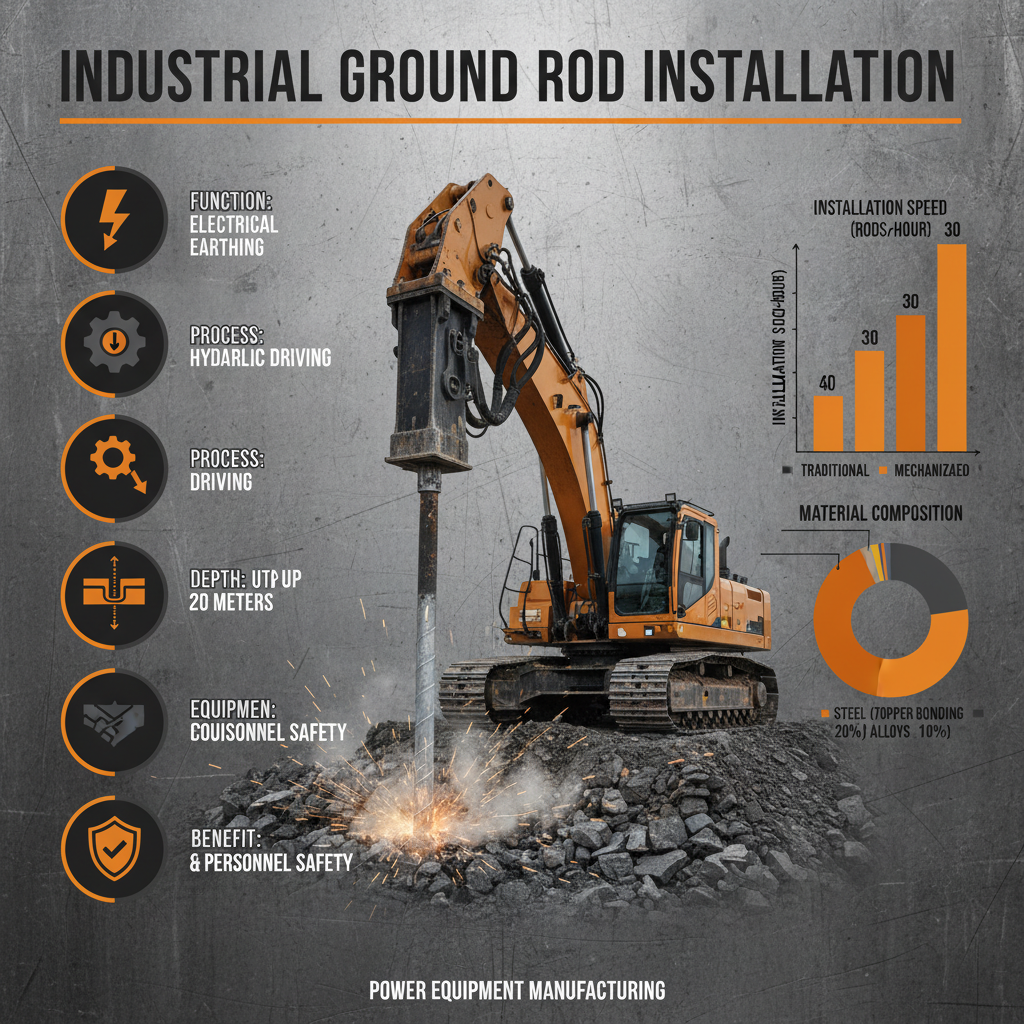
Product Specifications: Bilopowtel Ground Rods
Here's a look at some of the specifications of our popular driving ground rods:
Conclusion: Ensuring Safety with Quality Grounding
Investing in reliable driving ground rods from Bilopowtel is a crucial step in ensuring the safety and reliability of your electrical systems. Proper grounding protects people, property, and sensitive equipment from the hazards of electrical faults. We offer a comprehensive range of ground rods and accessories to meet your specific needs, backed by expert technical support. Contact us today to learn more and find the right grounding solution for your application.
Frequently Asked Questions (FAQs)
What is soil resistivity and why is it important when choosing ground rods?
Soil resistivity measures the resistance of the ground to the flow of electrical current. It’s a critical factor because higher soil resistivity requires longer or more numerous ground rods to achieve the same level of grounding effectiveness. Highly resistive soils (sandy or rocky) impede current flow, while low resistivity soils (clayey or moist) allow current to dissipate more easily. A soil resistivity test is recommended to determine the appropriate ground rod length and quantity. Failing to account for soil resistivity can result in inadequate grounding and compromise safety.
How deep should ground rods be driven?
Generally, ground rods should be driven at least 8 feet into the ground. However, local electrical codes may specify different requirements. The depth ensures that the rod reaches a consistently moist soil layer, providing a reliable connection to the earth. In areas with shallow bedrock or other obstructions, multiple shorter rods may be used, spaced at least the length of the rod apart, to achieve the desired grounding resistance. Always consult local regulations and consider soil conditions when determining the appropriate depth.
What type of connector should I use to connect the grounding electrode conductor to the ground rod?
It’s essential to use approved grounding connectors specifically designed for connecting the grounding electrode conductor to the ground rod. These connectors are typically made of copper or copper alloy and are listed for grounding purposes. Avoid using homemade or improvised connectors, as they may not provide a secure and low-resistance connection. Compression connectors are preferred for their reliability and resistance to corrosion. Always follow the manufacturer’s instructions for proper installation.
How often should ground rod connections be inspected?
Ground rod connections should be inspected at least annually, and more frequently in corrosive environments. Inspect for signs of corrosion, looseness, or damage. Tighten any loose connections and replace any corroded or damaged components. Regular inspection helps to ensure that the grounding system remains effective and continues to provide reliable protection.
Latest news
Precision Lifting and Pulling with the Lever Block 0.5 Ton Guide
NewsApr.16,2026
Precision Engineering Guide for High Performance Jet Lever
NewsApr.16,2026
Ultimate Guide to Choosing the Professional Industrial hoist lever
NewsApr.16,2026
Industrial Hoist Lever Chain Guide for Heavy Lifting and Rigging
NewsApr.16,2026
Industrial Lever Hoist Guide for Efficient Lifting and Pulling
NewsApr.16,2026
Ultimate Guide to Hand Ratchet Lift for Heavy Industrial Lifting
NewsApr.16,2026
- CONTACT
- ADDRESS: 188, Fengshou Road, Shijiazhuang. China
- EMAlL: info@bilopowtel.com
- PHONE: 0086-311-88862036
- WHATSAPP: 0086-152-26563165


