



Mar . 07, 2026 01:45 Back to list
Understanding Chemical Earth Rods for Superior Grounding Solutions
Understanding Chemical Earth Rods: A Comprehensive Guide
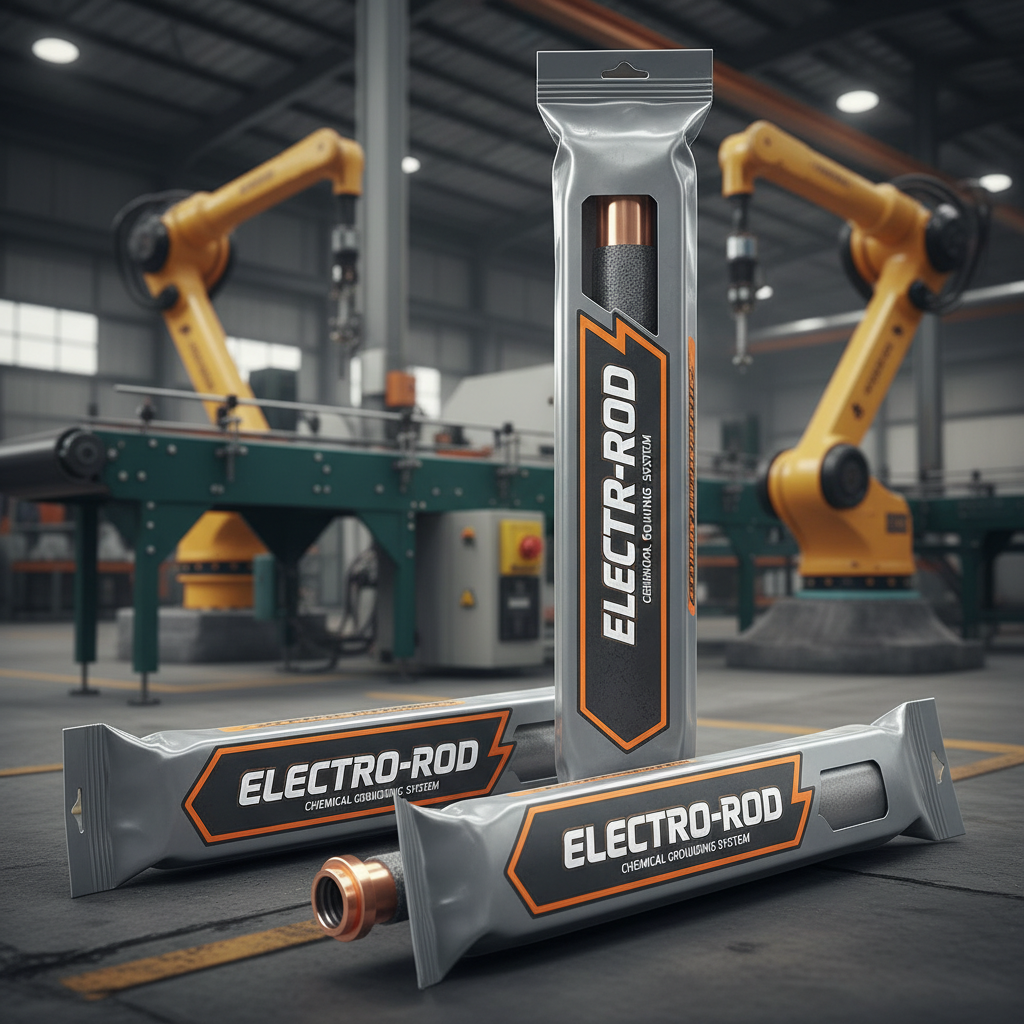
Chemical earth rods are a crucial component in effective grounding systems, particularly in environments where standard copper rods struggle to achieve low resistance. These rods utilize a specialized chemical filling to enhance conductivity and ensure reliable protection against electrical surges. This article delves into the science behind chemical earth rods, their applications, benefits, installation considerations, and how Bilopowtel offers leading solutions in grounding technology. Investing in a proper grounding system is essential for safety and the longevity of electrical equipment.
What are Chemical Earth Rods?
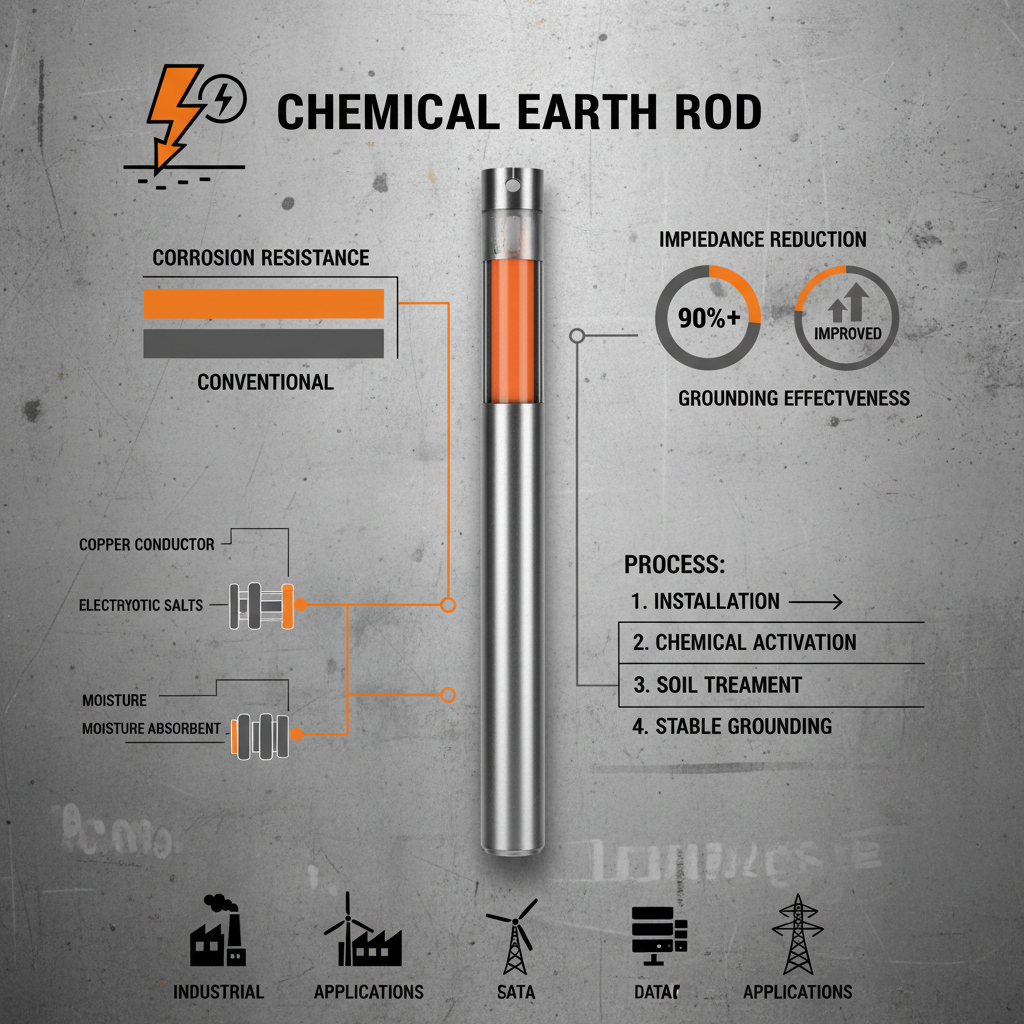
Traditional copper earth rods rely on direct contact with soil to dissipate electrical energy. However, soil resistivity varies significantly depending on location, moisture content, and composition. In areas with high soil resistivity (sandy or rocky terrains), achieving a low-resistance ground can be challenging. Chemical earth rods address this issue by incorporating a core filled with a specialized chemical compound, typically a mixture of magnesium sulfate and carbon. This compound increases the contact surface area and enhances the conductivity between the rod and the surrounding soil, resulting in a significantly lower ground resistance. This makes them ideal for applications where reliable grounding is paramount.
Key Highlights: Enhanced conductivity through chemical filling, suitable for high-resistivity soils, and provides reliable grounding in challenging environments.
The Science Behind Enhanced Conductivity
The chemical filling within the earth rod plays a critical role in lowering resistance. The magnesium sulfate (Epsom salt) absorbs moisture from the surrounding soil, creating a conductive paste. The carbon component further enhances conductivity by providing a pathway for electrons to flow. As the chemical compound permeates the soil around the rod, it expands the effective grounding area. This is particularly effective in dry or rocky soils where direct contact between the copper rod and soil is limited. The result is a stable, low-resistance ground connection that provides reliable protection against electrical faults and surges.
Conductivity Enhancement Benefits:
• Absorbs moisture, creating a conductive paste
• Expands the effective grounding area
• Lowers ground resistance significantly
• Provides stable grounding in challenging soils
Chemical Earth Rods vs. Traditional Copper Rods: A Comparison
While traditional copper earth rods are sufficient in many applications, chemical earth rods offer significant advantages in specific scenarios. The table below highlights the key differences between the two:
Applications of Chemical Earth Rods
Chemical earth rods find applications in a wide array of industries and settings where reliable grounding is critical. These include: Power substations, telecommunication towers, solar power plants, wind turbines, industrial facilities, and residential grounding systems in areas with poor soil conductivity. Bilopowtel provides tailored grounding solutions for diverse applications, ensuring optimal safety and performance.
Choosing the Right Chemical Earth Rod: Specifications and Standards
Selecting the appropriate chemical earth rod involves considering factors such as rod length, diameter, and chemical filling composition. Bilopowtel offers a comprehensive range of chemical earth rods adhering to industry standards like IEC 62561-2. Below is a sample specification sheet:
Conclusion: Ensuring Reliable Grounding with Chemical Earth Rods
Investing in high-quality chemical earth rods from a trusted supplier like Bilopowtel is crucial for establishing a safe and reliable grounding system. These rods offer a significant advantage in challenging soil conditions, ensuring optimal protection for electrical equipment and personnel. Prioritizing grounding integrity is an investment in long-term safety and operational efficiency.
Frequently Asked Questions (FAQs)
How do I determine the appropriate length of a chemical earth rod?
The required length depends on the soil resistivity and the desired grounding resistance. Generally, longer rods provide lower resistance. A soil resistivity test is recommended to accurately assess the soil conditions. As a general guideline, in areas with high soil resistivity, using multiple rods connected in parallel or a longer rod (2.4m or 3.0m) is advisable. Consulting with a grounding specialist, like those at Bilopowtel, can help determine the optimal length for your specific application.
Are chemical earth rods environmentally friendly?
The chemical compounds used in these rods are generally considered safe for the environment when used as directed. The magnesium sulfate is a naturally occurring mineral. However, it’s important to follow proper installation procedures to prevent any accidental release of the chemical filling into the surrounding environment. Bilopowtel ensures its products comply with relevant environmental regulations.
What is the expected lifespan of the chemical filling?
The chemical filling is designed to provide long-term conductivity, typically lasting for 10-20 years, depending on soil conditions and usage. Over time, the chemical compound may gradually dissolve, but the remaining minerals continue to enhance conductivity. Periodic soil testing can help monitor the grounding resistance and determine if any maintenance is required.
Latest news
Precision Lifting and Pulling with the Lever Block 0.5 Ton Guide
NewsApr.16,2026
Precision Engineering Guide for High Performance Jet Lever
NewsApr.16,2026
Ultimate Guide to Choosing the Professional Industrial hoist lever
NewsApr.16,2026
Industrial Hoist Lever Chain Guide for Heavy Lifting and Rigging
NewsApr.16,2026
Industrial Lever Hoist Guide for Efficient Lifting and Pulling
NewsApr.16,2026
Ultimate Guide to Hand Ratchet Lift for Heavy Industrial Lifting
NewsApr.16,2026
- CONTACT
- ADDRESS: 188, Fengshou Road, Shijiazhuang. China
- EMAlL: info@bilopowtel.com
- PHONE: 0086-311-88862036
- WHATSAPP: 0086-152-26563165


