



Mar . 28, 2026 01:45 Back to list
Comprehensive Guide to Xit Ground Rods for Electrical Safety and Cross Border Trade
Understanding Xit Ground Rods: A Comprehensive Guide
Grounding is a critical aspect of electrical safety and effective communication systems. A xit ground rod is a key component in establishing a reliable earth ground connection. This article provides an in-depth look at xit ground rods, their applications in cross-border trade, selection criteria, installation best practices, and the benefits of sourcing from a trusted supplier like Bilopowtel. We’ll cover everything you need to know to ensure a safe and efficient grounding solution for your project.
What is a Xit Ground Rod and Why is it Important?
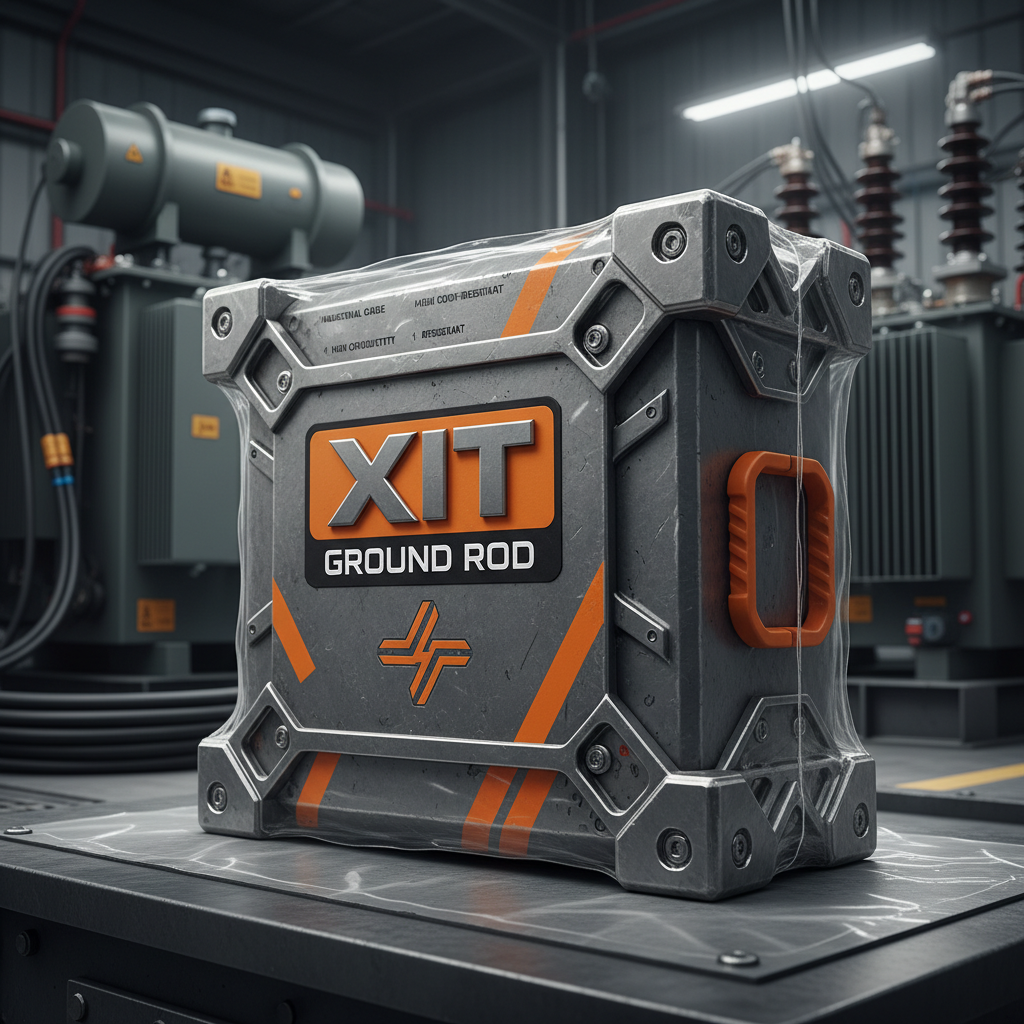
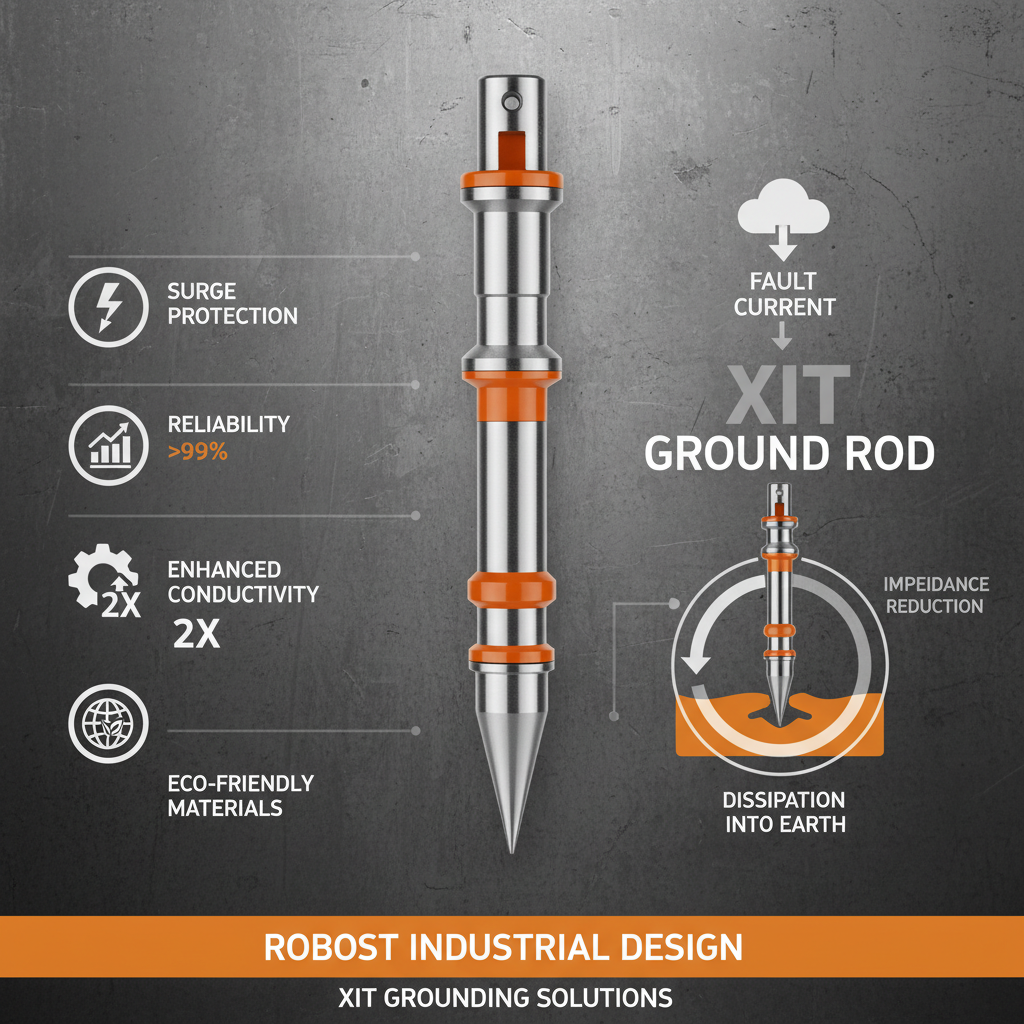
A xit ground rod is a conductive rod, typically made of copper-clad steel, driven into the earth to provide a low-resistance pathway for electrical current to dissipate. Its primary function is to safeguard electrical systems and personnel from hazardous voltage buildup. Effective grounding is crucial for protecting sensitive electronic equipment from surges and ensuring the reliable operation of communication networks. In cross-border trade, adhering to local electrical codes and safety standards is paramount, and the quality of the ground rod directly impacts compliance. Using a correctly installed xit ground rod significantly reduces the risk of electrical shock and damage to equipment.
Key Benefits: Protects against electrical shock, safeguards equipment from surges, ensures reliable system operation, and supports compliance with safety regulations.
Applications of Xit Ground Rods in Cross-Border Trade
The demand for xit ground rods is significant in various sectors involved in international trade. These include telecommunications infrastructure projects, renewable energy installations (solar farms, wind turbines), industrial facilities, data centers, and power distribution networks. When importing or exporting electrical components, the compatibility of grounding systems is essential. Different countries may have varying standards, so it's critical to source ground rods that meet those specific requirements. Bilopowtel offers ground rods that adhere to international standards, making them suitable for diverse applications worldwide. Reliable grounding ensures seamless integration and safe operation across borders.
Key Industries:
• Telecommunications
• Renewable Energy
• Industrial Facilities
• Data Centers
Choosing the Right Xit Ground Rod: Factors to Consider
Selecting the appropriate xit ground rod requires careful consideration of several factors. Soil resistivity is a crucial parameter; higher resistivity necessitates longer or multiple ground rods to achieve a low-resistance connection. The rod's material (copper-clad steel is common) and diameter influence its conductivity and durability. The length of the rod also determines its effectiveness, with longer rods providing greater contact with the earth. Finally, the specific application and applicable electrical codes dictate the required grounding specifications.
Xit Ground Rod Installation Best Practices
Proper installation is just as crucial as selecting the right ground rod. The rod should be driven vertically into the ground to its full depth, using a grounding rod driver. Avoid damaging the rod during installation. A grounding conductor should then be securely connected to the rod using an approved clamp. For multiple ground rods, maintain a recommended spacing to optimize grounding effectiveness. Always consult local electrical codes and regulations for specific installation requirements. Periodic inspection and testing of the grounding system are essential to ensure its continued performance.
Why Choose Bilopowtel for Your Xit Ground Rod Needs?
Bilopowtel is a leading supplier of high-quality xit ground rods, serving customers worldwide. We offer a comprehensive range of rods to meet diverse applications and adhere to international standards. Our commitment to quality, competitive pricing, and reliable delivery makes us a trusted partner for businesses involved in cross-border trade. We provide expert technical support and can assist you in selecting the optimal grounding solution for your project. Contact us today to learn more about our products and services.
Conclusion
Investing in high-quality xit ground rods from a reputable supplier like Bilopowtel is crucial for ensuring electrical safety, protecting valuable equipment, and maintaining the reliability of critical systems. Proper grounding is not just a regulatory requirement; it's a vital investment in the long-term performance and safety of your operations.
Frequently Asked Questions (FAQs)
What is the recommended depth for installing a xit ground rod?
The recommended depth for installing a xit ground rod varies depending on local electrical codes and soil conditions, but generally, it's at least 8 feet (2.4 meters). This ensures the rod reaches a moisture-rich zone in the earth, providing a consistent and low-resistance ground connection. In areas with rocky soil or shallow groundwater, deeper installation may be necessary. It's always best to consult local regulations and a qualified electrician to determine the optimal depth for your specific location.
How do I test the effectiveness of my ground rod installation?
The effectiveness of a ground rod installation can be tested using a ground resistance tester. This instrument measures the resistance between the ground rod and a remote ground electrode. A reading of 5 ohms or less is generally considered acceptable, although specific requirements may vary based on local codes. If the resistance is too high, it may be necessary to install additional ground rods or improve the soil conductivity around the existing rod. Regular testing (e.g., annually) is recommended to ensure the grounding system remains effective over time.
Can multiple ground rods be connected together?
Yes, multiple ground rods can be connected together to reduce overall ground resistance. However, it's crucial to connect them using a grounding conductor (e.g., copper wire) and maintain a specified spacing between rods, typically around the length of the rod. This creates a grounding grid that provides a more comprehensive and reliable earth connection. The connection should be secure and corrosion-resistant to ensure long-term performance. Always adhere to local electrical codes when connecting multiple ground rods.
Latest news
Precision Lifting and Pulling with the Lever Block 0.5 Ton Guide
NewsApr.16,2026
Precision Engineering Guide for High Performance Jet Lever
NewsApr.16,2026
Ultimate Guide to Choosing the Professional Industrial hoist lever
NewsApr.16,2026
Industrial Hoist Lever Chain Guide for Heavy Lifting and Rigging
NewsApr.16,2026
Industrial Lever Hoist Guide for Efficient Lifting and Pulling
NewsApr.16,2026
Ultimate Guide to Hand Ratchet Lift for Heavy Industrial Lifting
NewsApr.16,2026
- CONTACT
- ADDRESS: 188, Fengshou Road, Shijiazhuang. China
- EMAlL: info@bilopowtel.com
- PHONE: 0086-311-88862036
- WHATSAPP: 0086-152-26563165


