



Feb . 28, 2026 01:45 Back to list
Understanding the Critical Role of a 5 8 Ground Rod in Electrical Grounding Systems
Understanding the Role of a 5 8 Ground Rod in Effective Grounding
Grounding is a critical aspect of electrical safety, and a 5/8 inch ground rod plays a vital role in achieving it. Whether for residential, commercial, or industrial applications, proper grounding protects equipment, prevents electrical shock, and ensures the safe dissipation of electrical currents. This article will delve into the purpose, installation, benefits, and considerations when using a 5/8 inch ground rod. At Bilopowtel, we offer a comprehensive range of grounding solutions, including high-quality ground rods designed for optimal performance. Understanding the importance of grounding and selecting the right components is paramount for any electrical system.
What is a 5/8 Inch Ground Rod and Why is it Important?
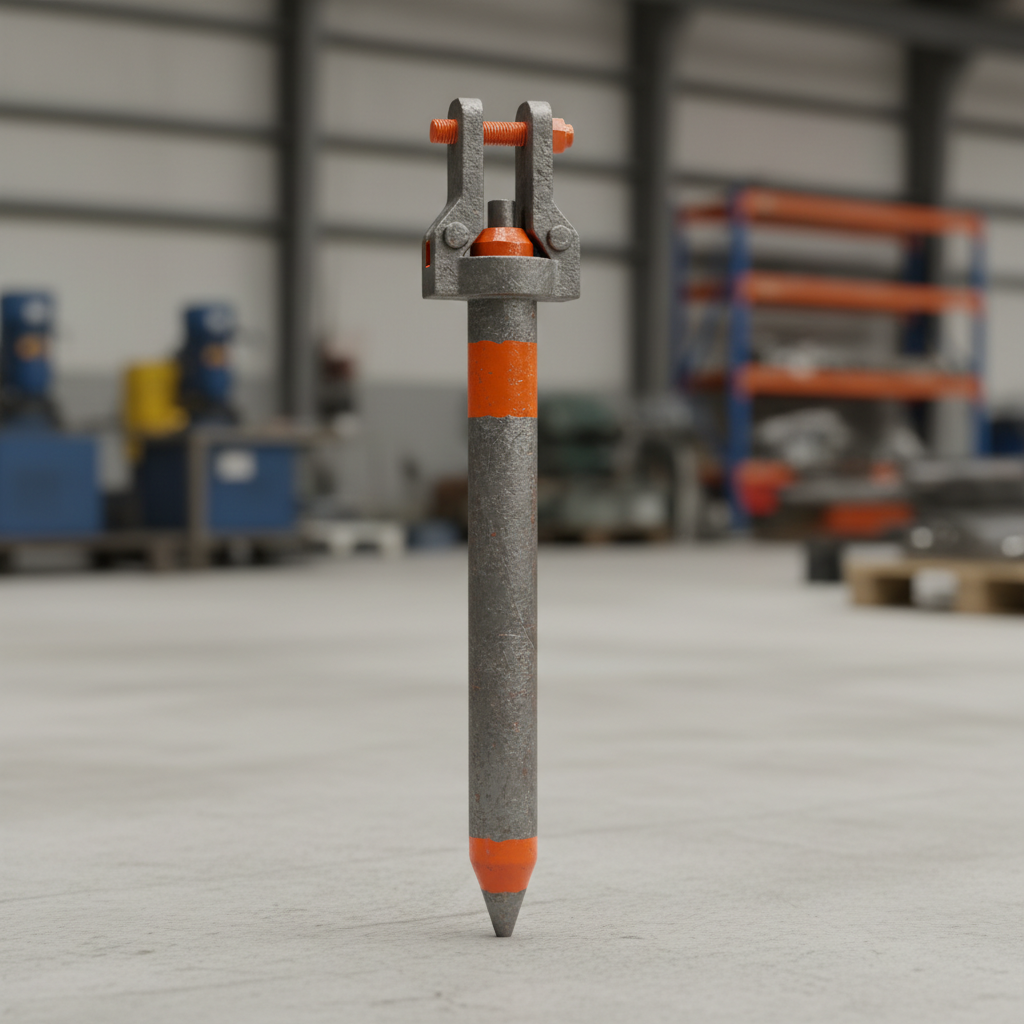
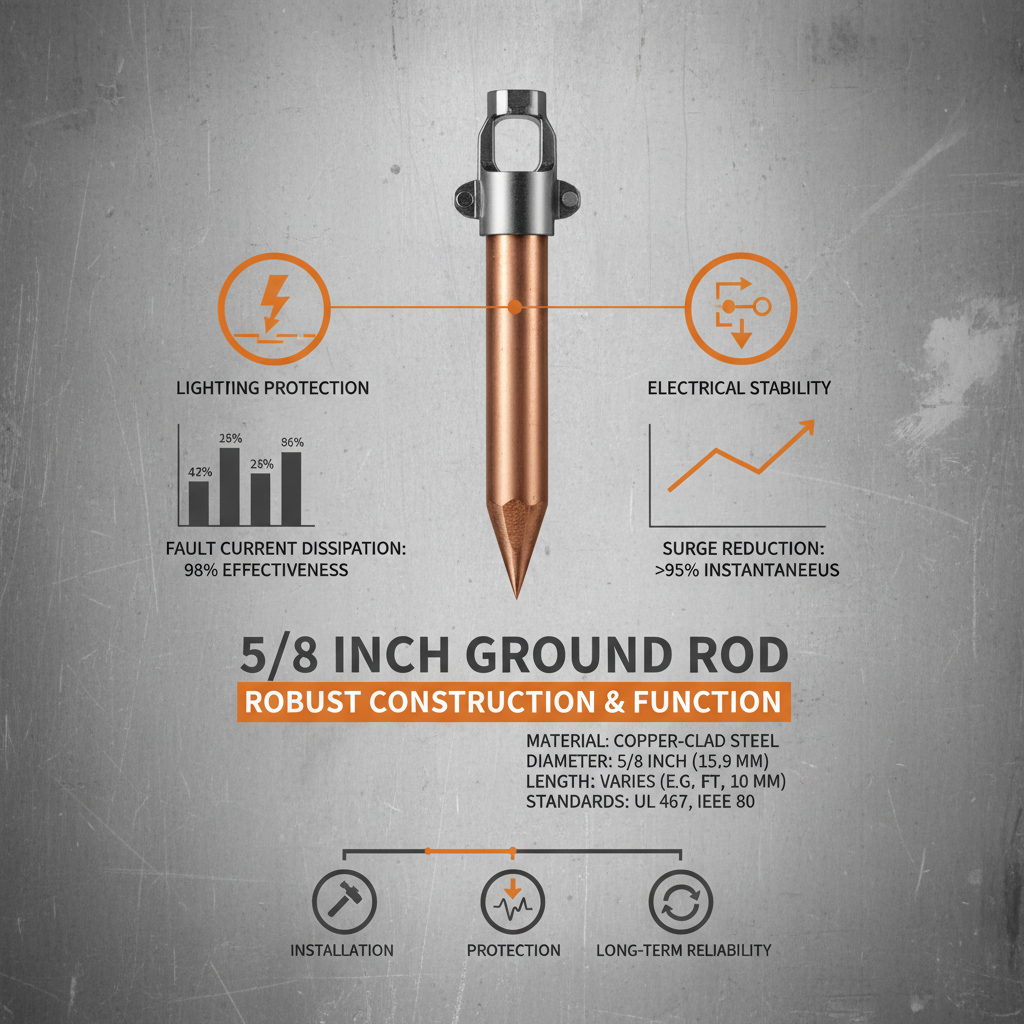
A 5/8 inch ground rod is a conductive rod, typically made of copper-clad steel, driven into the earth to provide a connection to the ground. Its primary purpose is to create a low-resistance pathway for electrical current to flow safely into the earth in the event of a fault. This prevents dangerous voltage buildup on metallic equipment, reducing the risk of electrical shock and minimizing the potential for damage to sensitive electronics. The "5/8 inch" refers to the diameter of the rod, influencing its structural strength and conductivity. Selecting the correct diameter, length, and material is crucial for effective grounding. A properly installed ground rod is a cornerstone of a safe and reliable electrical system.
Key Takeaway: A 5/8 inch ground rod provides a critical safety function by diverting electrical faults to the earth, protecting people and property.
5/8 Ground Rod vs. Other Sizes: A Comparative Look
Ground rods come in various sizes, but 5/8 inch is a commonly used and often recommended size for residential applications. However, the optimal size depends on the specific application and local electrical codes. Larger diameter rods (e.g., 3/4 inch) offer lower resistance and are often preferred for high-demand applications or in areas with poor soil conductivity. Conversely, smaller diameter rods may be sufficient for certain low-power systems. The length of the ground rod also significantly impacts its effectiveness; longer rods generally provide lower resistance. Consider the following comparison:
Proper Installation Techniques for a 5/8 Ground Rod
Effective grounding relies heavily on proper installation. The ground rod should be driven vertically into the earth until only a small portion remains exposed. Ideally, the location should be in an area with moist soil, as moisture enhances conductivity. Connecting the ground wire to the ground rod is also critical. This is typically done using a clamp specifically designed for grounding rods. It's important to ensure a tight, corrosion-resistant connection. Furthermore, multiple ground rods may be required, connected together with a ground wire, to achieve an acceptable resistance value, especially in areas with poor soil conductivity. Always consult local electrical codes and regulations for specific installation requirements.
Installation Best Practices:
• Drive the rod vertically into the earth.
• Use a grounding clamp for a secure connection.
• Consider multiple rods for improved resistance.
• Consult local electrical codes.
Factors Affecting Ground Rod Performance: Soil Conductivity
The effectiveness of a 5/8 inch ground rod is highly dependent on soil conductivity. Sandy or rocky soil, for example, offers significantly higher resistance than moist clay soil. In areas with poor soil conductivity, longer ground rods or multiple interconnected rods may be necessary to achieve an acceptable resistance value. Soil testing can be conducted to determine the soil’s resistivity and inform the appropriate grounding strategy. Adding soil enhancement compounds around the ground rod can also improve conductivity. Bilopowtel provides solutions to address challenging soil conditions.
Choosing the Right 5/8 Ground Rod from Bilopowtel
At Bilopowtel, we offer a wide selection of 5/8 inch ground rods manufactured to the highest quality standards. Our ground rods are constructed from durable copper-clad steel, providing excellent conductivity and corrosion resistance. We provide various lengths to meet diverse application needs. We also offer grounding accessories, such as clamps and connectors, to ensure a complete and reliable grounding system. Our team of experts can assist you in selecting the right ground rod and accessories for your specific requirements.
Conclusion: Invest in Safe Grounding with a 5/8 Inch Ground Rod
A properly installed 5/8 inch ground rod is a vital component of any electrical system, providing essential protection against electrical hazards. Choosing a high-quality ground rod from a trusted supplier like Bilopowtel ensures reliable performance and long-term safety. Don't compromise on safety – invest in a solid grounding solution.
Frequently Asked Questions (FAQs)
How deep should a 5/8 inch ground rod be driven?
Generally, a 5/8 inch ground rod should be driven at least 8 feet into the earth. However, local electrical codes may specify different requirements. It's crucial to ensure the rod is driven vertically and that only a small portion remains exposed for connection purposes. In areas with rocky soil, driving the rod to the full recommended depth might be challenging, and alternative grounding methods may need to be considered. Consult with a qualified electrician to determine the optimal depth for your specific location and application.
Can I use a 5/8 inch ground rod in any type of soil?
While a 5/8 inch ground rod can be used in various soil types, its effectiveness varies. Sandy or rocky soil presents a higher resistance to grounding than moist clay soil. In poor soil conditions, you might need to drive the rod deeper, use multiple interconnected rods, or consider alternative grounding techniques, such as a ground ring. Soil testing can help determine the soil's resistivity and guide your grounding strategy. It's also beneficial to add soil enhancement compounds to improve conductivity.
What is the difference between copper and copper-clad steel ground rods?
Copper ground rods offer superior conductivity but are significantly more expensive than copper-clad steel rods. Copper-clad steel rods consist of a steel core coated with a layer of copper, providing a good balance of conductivity and cost-effectiveness. The copper coating protects the steel core from corrosion, ensuring long-term performance. For most residential and commercial applications, copper-clad steel rods offer an excellent and economical grounding solution.
Latest news
Precision Lifting and Pulling with the Lever Block 0.5 Ton Guide
NewsApr.16,2026
Precision Engineering Guide for High Performance Jet Lever
NewsApr.16,2026
Ultimate Guide to Choosing the Professional Industrial hoist lever
NewsApr.16,2026
Industrial Hoist Lever Chain Guide for Heavy Lifting and Rigging
NewsApr.16,2026
Industrial Lever Hoist Guide for Efficient Lifting and Pulling
NewsApr.16,2026
Ultimate Guide to Hand Ratchet Lift for Heavy Industrial Lifting
NewsApr.16,2026
- CONTACT
- ADDRESS: 188, Fengshou Road, Shijiazhuang. China
- EMAlL: info@bilopowtel.com
- PHONE: 0086-311-88862036
- WHATSAPP: 0086-152-26563165


