



Apr . 09, 2026 01:45 Back to list
Ultimate Guide to Industrial Chain Block Lever for Heavy Lifting
Mastering Heavy Lifting: The Ultimate Guide to the Chain Block Lever
In the world of industrial rigging and material handling, efficiency and safety are non-negotiable. The chain block lever serves as a critical tool for professionals who need to lift, pull, or tension heavy loads with precision and minimal effort. Unlike standard hoists, a lever hoist provides the versatility to operate in tight spaces and handle both vertical and horizontal movements. Whether you are working in construction, automotive repair, or manufacturing, understanding the nuances of this tool can significantly enhance your operational productivity and workplace safety. In this guide, we will explore everything from technical specifications to practical maintenance tips.
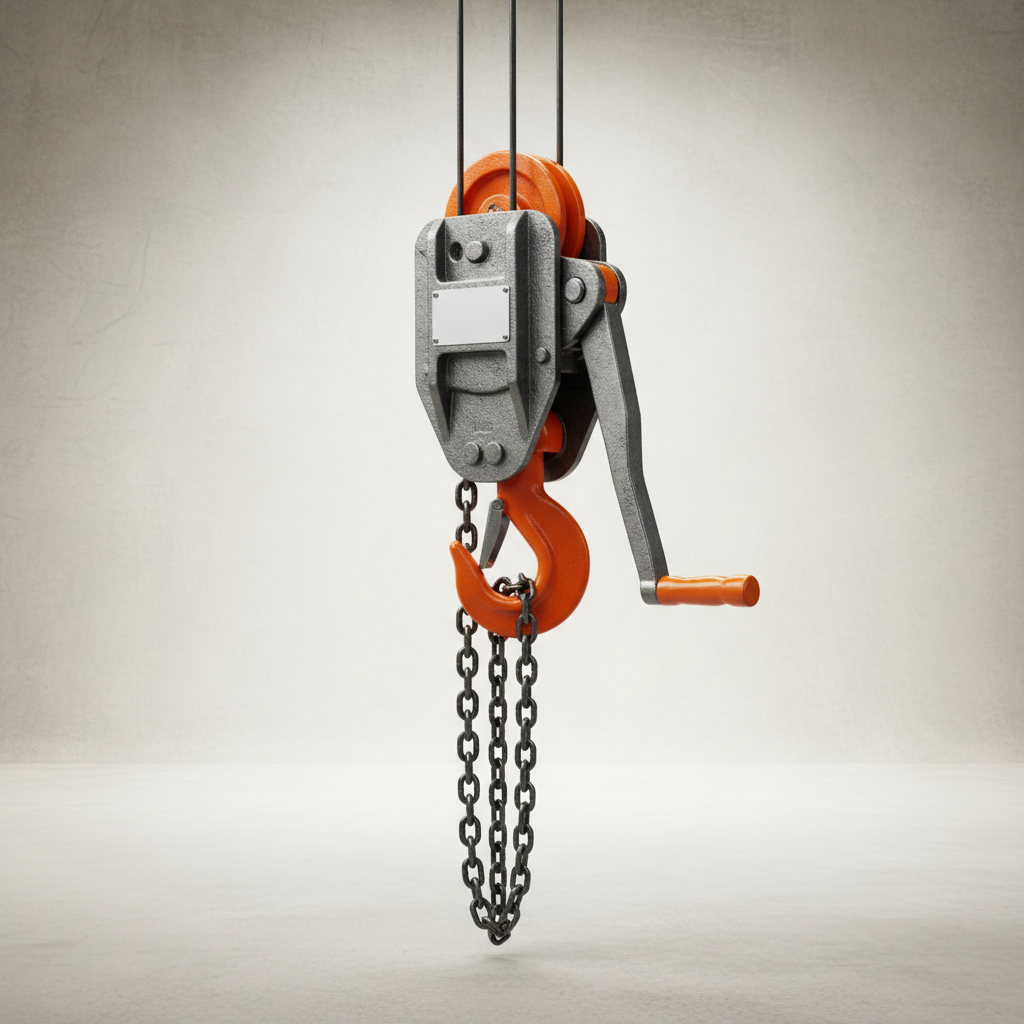
How a Chain Block Lever Works: The Mechanics of Power
A chain block lever operates on a mechanical advantage principle, using a ratchet and pawl system combined with a gear train. When the operator pumps the lever handle, the internal gears multiply the input force, allowing a single person to lift loads weighing several tons. The load chain is high-strength alloy steel, designed to resist stretching and wear under extreme tension. This mechanism ensures that the load is held securely in place even when the lever is released, preventing accidental slips. This combination of mechanical leverage and secure locking makes it an indispensable asset for heavy-duty industrial applications.
Technical Insight: The efficiency of a lever hoist is determined by its gear ratio. A higher ratio allows for easier lifting of heavier loads but requires more lever strokes to move the load a specific distance.
Key Advantages of Using a Chain Block Lever
One of the primary reasons engineers prefer a chain block lever over a traditional chain fall is its versatility. While a chain block (hoist) is primarily for vertical lifting, the lever hoist can pull loads horizontally or be used for tensioning cables. Additionally, the compact design allows it to be used in confined areas where there isn't enough room for a long hand-chain. Its rapid response and precise control allow operators to nudge loads into exact positions, which is essential for aligning machinery or installing structural beams.
Top Benefits:
• Multi-directional capabilities (lifting and pulling)
• Compact size for restricted workspaces
• High precision for fine-tuning load placement
• Robust construction for harsh industrial environments
Chain Block Lever vs. Chain Hoist: Which One to Choose?
Choosing between a chain block lever and a standard chain hoist depends entirely on your application. The lever hoist is the "Swiss Army Knife" of lifting, offering flexibility in direction. In contrast, a standard chain hoist is often better for very high lifts where a long lift height is required. The following comparison table highlights the critical differences to help you make an informed decision based on your project needs.
Industrial Applications for the Chain Block Lever
The adaptability of the chain block lever makes it a staple across various sectors. In oil and gas, it is used to move heavy pipes and valves in cramped offshore platforms. In automotive shops, technicians use it to pull engines or transmit systems into place with millimeter precision. Additionally, in bridge construction, these tools are vital for tensioning structural cables to ensure the stability of the build. Its ability to withstand extreme weather and heavy usage ensures that projects stay on schedule without sacrificing safety standards.
Chain Block Lever Technical Specifications
When purchasing a chain block lever, it is essential to look at the technical specifications to ensure the tool matches the load requirements. Key factors include the Working Load Limit (WLL), the chain grade, and the safety factor. Most professional-grade lever hoists utilize Grade 80 or Grade 100 alloy chains, which provide a high strength-to-weight ratio. Below is a typical specification table for common industrial models.
Maintenance and Safety Tips for Longevity
To ensure your chain block lever remains a reliable tool, regular maintenance is imperative. First, lubricate the load chain frequently to prevent friction and rust. Second, perform a visual inspection before every use to check for worn links, twisted chains, or cracks in the housing. Never exceed the rated capacity of the device, as overloading can lead to catastrophic failure. Finally, store your equipment in a dry environment to prevent corrosion of the internal gears. Following these simple steps will extend the lifespan of your equipment and, more importantly, protect the people operating it.
Conclusion: Elevate Your Operations with the Right Gear
The chain block lever is more than just a lifting tool; it is a precision instrument that ensures safety and efficiency in the most demanding industrial environments. By choosing a high-quality lever hoist and adhering to strict maintenance and safety protocols, you can significantly reduce downtime and workplace accidents. Whether you are pulling a heavy generator into place or tensioning a structural cable, the right equipment makes all the difference. Invest in quality, prioritize safety, and let the right tools handle the heavy lifting.
Frequently Asked Questions (FAQs)
Can a chain block lever be used for horizontal pulling?
Yes, one of the biggest advantages of a chain block lever is its ability to be used for both vertical lifting and horizontal pulling. This makes it ideal for tensioning cables, pulling machinery into position, or adjusting structural components. However, when pulling horizontally, always ensure that the anchor points are secure and that the chain is not rubbing against sharp edges, which could cause premature wear or failure.
How do I know when to replace the load chain?
You should replace the load chain if you notice any signs of "stretching" (where the pitch between links increases), visible cracks, deep gouges, or significant corrosion. A common professional practice is to measure a specific length of the chain (e.g., 10 links) and compare it to the original manufacturer's specifications. If the chain has elongated beyond a certain percentage (usually 2-3%), it must be replaced immediately to avoid failure. Regular inspections are the only way to guarantee safety.
What is the difference between G80 and G100 chains?
Grade 80 (G80) and Grade 100 (G100) refer to the strength of the alloy steel used in the chain. Grade 100 is significantly stronger than Grade 80, allowing it to support more weight with a smaller chain diameter. This reduces the overall weight of the chain block lever, making it easier to handle while maintaining a high Working Load Limit (WLL). While G80 is standard and highly reliable, G100 is preferred for extreme heavy-duty applications where weight savings are critical.
Is lubrication necessary for the internal gears?
Absolutely. While many modern lever hoists come pre-lubricated from the factory, the internal gear train and the load chain require periodic lubrication to ensure smooth operation and prevent wear. Using a high-quality industrial grease or specialized chain lubricant reduces friction, prevents rust in humid environments, and ensures that the ratchet mechanism engages and disengages cleanly. Failure to lubricate can lead to "stiff" operation and a shorter lifespan for the internal components.
Latest news
Precision Lifting and Pulling with the Lever Block 0.5 Ton Guide
NewsApr.16,2026
Precision Engineering Guide for High Performance Jet Lever
NewsApr.16,2026
Ultimate Guide to Choosing the Professional Industrial hoist lever
NewsApr.16,2026
Industrial Hoist Lever Chain Guide for Heavy Lifting and Rigging
NewsApr.16,2026
Industrial Lever Hoist Guide for Efficient Lifting and Pulling
NewsApr.16,2026
Ultimate Guide to Hand Ratchet Lift for Heavy Industrial Lifting
NewsApr.16,2026
- CONTACT
- ADDRESS: 188, Fengshou Road, Shijiazhuang. China
- EMAlL: info@bilopowtel.com
- PHONE: 0086-311-88862036
- WHATSAPP: 0086-152-26563165


