



Mar . 11, 2026 01:45 Back to list
A Comprehensive Guide to Successfully Fitting an Earth Rod for Optimal Grounding
Understanding the Process of Fitting an Earth Rod
Properly fitting an earth rod is crucial for establishing a reliable grounding system, essential for electrical safety and the efficient operation of various electrical installations. A well-installed earth rod provides a low-resistance path for fault currents, minimizing the risk of electric shock and protecting equipment. This article will guide you through the process, covering site selection, installation techniques, and important considerations for achieving a secure and effective grounding connection. We will also explore the tools required and common issues to avoid during the installation.
Choosing the Right Location for Your Earth Rod
Selecting the correct location is paramount for optimal performance. Ideally, the site should be close to the electrical installation it's intended to ground. Avoid areas with underground services like gas pipes or water mains – always check with local utility companies before digging. The soil should be consistently moist, as dry soil dramatically increases resistance. Areas prone to flooding or excessive dryness should also be avoided. A site with a clay-rich soil composition generally provides better conductivity than sandy or rocky ground. Consider accessibility for future maintenance and testing.
Tools and Materials Required for Fitting an Earth Rod
Before commencing the installation, gather all necessary tools and materials. You'll need an earth rod (typically copper or copper-clad steel), a sledgehammer or earth rod driver, a ground clamp (also known as an earth clamp), heavy-duty grounding cable (copper wire is recommended), a wrench, a tape measure, and appropriate personal protective equipment (PPE), including gloves and safety glasses. Consider a soil resistivity meter to assess the ground's conductivity and determine the required rod length.
Essential Checklist: Earth Rod, Sledgehammer/Driver, Ground Clamp, Grounding Cable, Wrench, Tape Measure, PPE, Soil Resistivity Meter (Optional)
Step-by-Step Guide to Fitting an Earth Rod
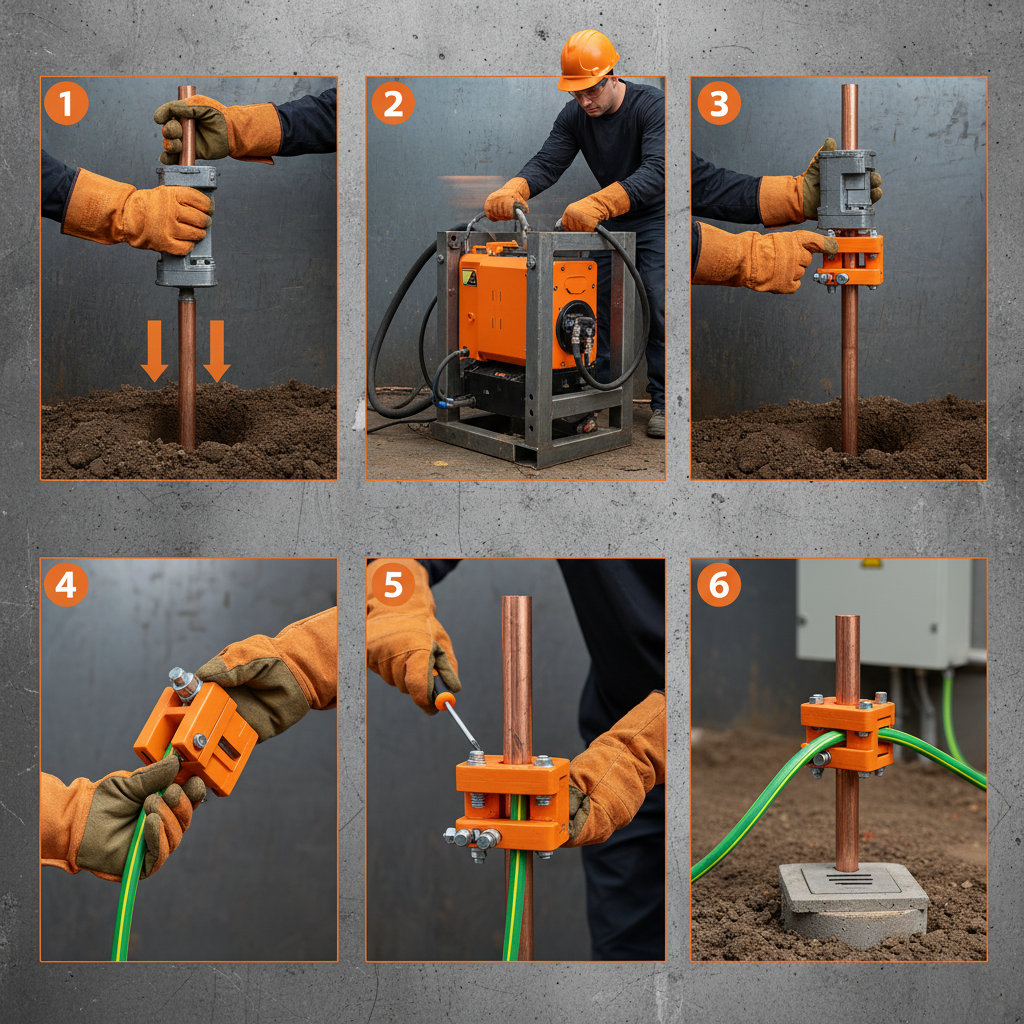
The installation process involves several key steps. First, drive the earth rod into the ground using a sledgehammer or earth rod driver. Drive it in vertically until only a small portion remains above ground level – typically 150-300mm is sufficient. Next, connect the ground clamp securely to the earth rod. Ensure a tight connection to minimize resistance. Attach the grounding cable to the ground clamp using a suitable compression connector or bolt. Finally, run the grounding cable to the main earthing terminal of your electrical installation and connect it securely.
Understanding Earth Rod Materials and Specifications
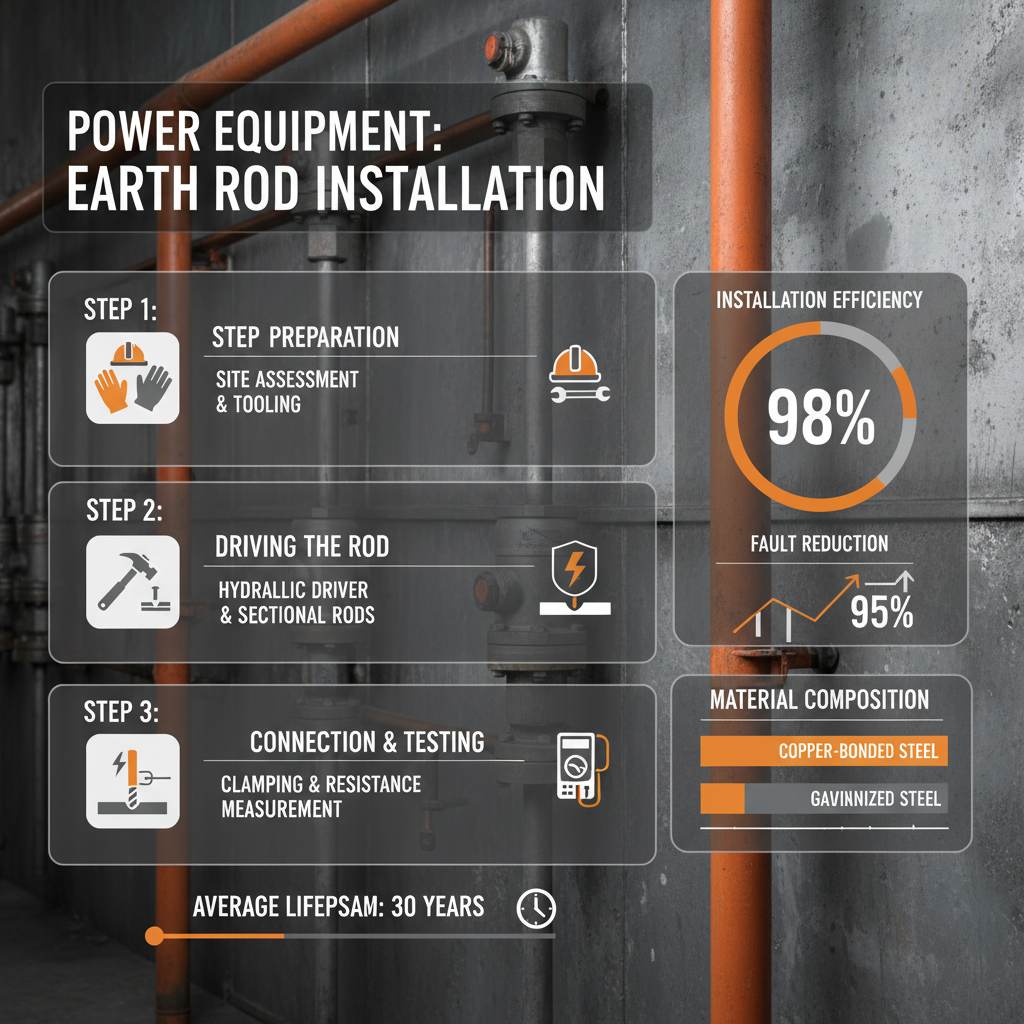
Earth rods come in various materials and specifications. Copper rods offer excellent conductivity but are more expensive. Copper-clad steel rods provide a good balance of conductivity and cost-effectiveness. The length and diameter of the rod influence its grounding performance. Longer and thicker rods generally provide lower resistance. Here's a comparative overview of common earth rod specifications:
Testing and Maintenance of Your Earth Rod System
After installation, it's vital to test the earth rod's resistance to ensure it meets safety standards. A ground resistance tester measures the resistance between the earth rod and the electrical installation. Regularly inspect the connections for corrosion or looseness. Periodic testing (annually or after any significant electrical work) is recommended to verify the system's continued effectiveness. Proper maintenance ensures a safe and reliable grounding system for years to come. Contact Bilopowtel for more information on earth rod solutions and testing services.
Conclusion: Ensuring a Safe and Reliable Grounding System
Properly fitting an earth rod is a fundamental aspect of electrical safety. By following the steps outlined in this guide, you can establish a robust grounding system that protects people and equipment. Remember to prioritize safety, use appropriate materials, and conduct regular testing to maintain the integrity of your grounding network.
Frequently Asked Questions (FAQs)
What is the acceptable resistance level for an earth rod?
The acceptable resistance level varies depending on local regulations and the specific electrical installation. However, a generally accepted maximum resistance is 4 ohms. Lower resistance is always preferable, as it provides a more effective path for fault currents. Regular testing is crucial to ensure the resistance remains within acceptable limits. Factors like soil composition and moisture content can significantly affect resistance levels. If the resistance is too high, consider using multiple earth rods connected in parallel or improving the soil conductivity by adding moisture.
Can I use multiple earth rods for better grounding?
Yes, using multiple earth rods connected in parallel is a common and effective way to reduce overall grounding resistance. Connect the rods using a heavy-duty grounding conductor to create a network. This distributes the fault current across multiple paths, improving the system's reliability. Ensure the rods are spaced at least the length of the rod itself to avoid interference. This technique is particularly beneficial in areas with high soil resistivity.
What should I do if the soil is very dry?
Dry soil significantly increases resistance. If possible, water the area around the earth rod before testing or during installation. Alternatively, consider using a chemical soil treatment designed to improve conductivity (consult with a qualified electrician before using any chemical treatment). Using a longer earth rod can also help reach more consistently moist soil layers. In extremely dry environments, multiple earth rods connected in parallel may be necessary to achieve acceptable resistance levels.
Latest news
Precision Lifting and Pulling with the Lever Block 0.5 Ton Guide
NewsApr.16,2026
Precision Engineering Guide for High Performance Jet Lever
NewsApr.16,2026
Ultimate Guide to Choosing the Professional Industrial hoist lever
NewsApr.16,2026
Industrial Hoist Lever Chain Guide for Heavy Lifting and Rigging
NewsApr.16,2026
Industrial Lever Hoist Guide for Efficient Lifting and Pulling
NewsApr.16,2026
Ultimate Guide to Hand Ratchet Lift for Heavy Industrial Lifting
NewsApr.16,2026
- CONTACT
- ADDRESS: 188, Fengshou Road, Shijiazhuang. China
- EMAlL: info@bilopowtel.com
- PHONE: 0086-311-88862036
- WHATSAPP: 0086-152-26563165


