



Apr . 09, 2026 01:45 Back to list
Guide to Selecting and Operating a come along lever hoist
Mastering Heavy Lifting: The Ultimate Guide to the Come Along Lever Hoist
In the world of industrial rigging and construction, efficiency and safety are non-negotiable. Whether you are tensioning a load, pulling a vehicle, or lifting heavy machinery in tight spaces, the come along lever hoist serves as an indispensable tool. Often referred to as a "come-along," this mechanical device converts a lever's rotational motion into a powerful linear pull, allowing a single operator to move massive weights with precision. Understanding how to select and operate the right hoist can significantly reduce workplace injuries and accelerate project timelines. In this guide, we will explore everything from technical specifications to professional application tips.
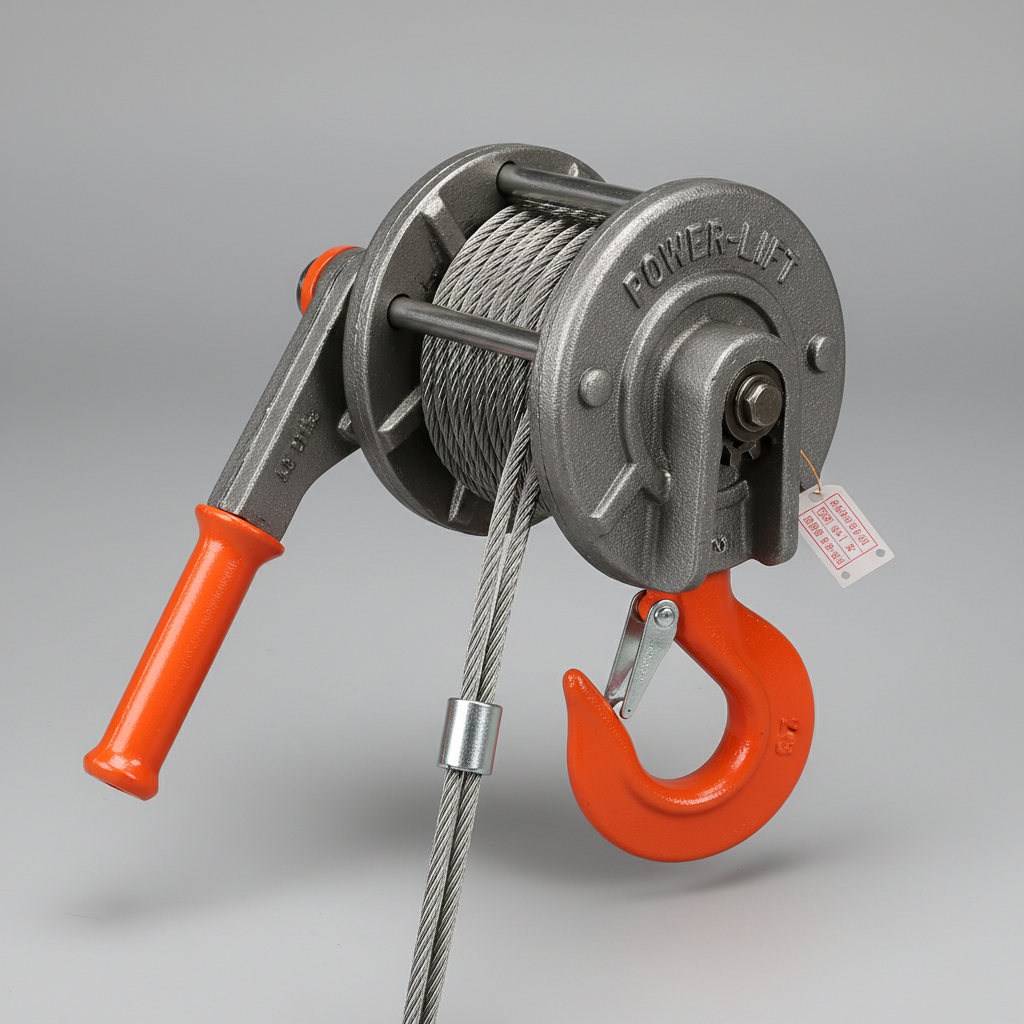
How a Come Along Lever Hoist Works
At its core, a come along lever hoist operates on a ratchet-and-pawl mechanism. When the operator pumps the handle, the internal gears engage to pull the chain or cable, while the pawl prevents the load from slipping backward. This mechanical advantage allows a human to exert a force far greater than their own physical strength. Most modern hoists are designed with a dual-direction capability, meaning they can both pull (tension) and push (lift), making them incredibly versatile for alignment tasks in steel fabrication and automotive recovery.
Pro Tip: Always ensure the load is balanced before initiating the pull to prevent the hoist from shifting laterally, which could compromise safety.
Choosing the Right Come Along Lever Hoist Capacity
Selecting the correct capacity is the most critical step in ensuring site safety. Overloading a hoist can lead to catastrophic mechanical failure. Most industrial-grade hoists are categorized by their Working Load Limit (WLL). For light-duty tasks like pulling gates or small equipment, a 0.75-ton to 1.5-ton model is usually sufficient. However, for heavy structural work or industrial machinery moving, capacities of 3 to 6 tons are required. It is a golden rule in rigging to never exceed the rated capacity of your come along lever hoist.
Key Advantages of Using a Lever Hoist
Compared to traditional chain blocks or hydraulic jacks, the come along lever hoist offers several distinct advantages. First is the portability; its compact design allows it to be carried to remote areas of a job site. Second is the speed of operation; the lever action is much faster than cranking a manual winch. Third is the precise control; the operator can make minute adjustments to the load position, which is essential when aligning bolt holes in heavy steel beams. These factors make it a preferred tool for technicians who require both strength and agility.
Core Benefits:
• High mechanical advantage for minimal effort
• Compact size for tight-space accessibility
• Bi-directional movement (Pulling & Lifting)
• Secure locking mechanism to prevent load drift
Lever Hoists vs. Chain Hoists: Which to Choose?
Many professionals struggle to decide between a lever hoist and a chain block. While both move heavy loads, their applications differ. A chain block is designed for purely vertical lifting and offers higher capacities, but it requires a fixed overhead support. In contrast, the come along lever hoist is designed for horizontal pulling and short vertical lifts. It is the superior choice when you need to move a load sideways or when you don't have a permanent hoist beam available.
Maintenance Tips for Your Come Along Lever Hoist
To ensure the longevity and safety of your equipment, a regular maintenance schedule is mandatory. The most critical area is the chain; it must be kept clean and lubricated to prevent friction and wear. Inspect the hooks for any signs of stretching or cracking, as these can lead to load failure. Additionally, check the ratchet mechanism for smooth engagement. A well-maintained come along lever hoist not only lasts longer but also provides the operator with peace of mind during critical lifts.
Conclusion: Optimizing Your Workflow with Bilopowtel
The come along lever hoist is more than just a tool; it is a safety essential that bridges the gap between manual labor and heavy machinery. By selecting the appropriate capacity, adhering to strict maintenance routines, and understanding the mechanics of the hoist, professionals can achieve maximum productivity with minimum risk. For those seeking high-performance rigging solutions, investing in premium equipment from trusted suppliers ensures that every lift is secure and every pull is precise. Upgrade your toolkit today and experience the difference in industrial efficiency.
Frequently Asked Questions (FAQs)
How do I determine the correct WLL for my hoist?
The Working Load Limit (WLL) is the maximum weight a hoist can safely handle. To determine the correct WLL, first weigh your load or check the manufacturer's specs of the object being moved. Always add a safety margin of 20-25%. For example, if your load is 1.2 tons, do not use a 1.5-ton hoist; instead, opt for a 2-ton model. This prevents the hoist from operating at its absolute limit, which reduces wear and tear and provides a critical safety buffer in case of unexpected load shifts.
Can a come along lever hoist be used for permanent suspension?
No, a come along lever hoist is designed for temporary lifting, pulling, and tensioning. It is not intended for permanent suspension of loads. For long-term holding, you must use rated slings, shackles, or permanent mounting brackets. Using a lever hoist for permanent suspension can lead to "creep" or mechanical fatigue over time, which could result in the load falling unexpectedly.
What should I do if the lever becomes hard to pump?
If the handle becomes difficult to operate, it is usually a sign of two things: either you are exceeding the rated capacity of the hoist, or the internal gears require lubrication. First, double-check the weight of your load. If the weight is within limits, stop operation immediately and inspect the chain for kinks and the gears for debris. Apply a high-quality industrial lubricant to the chain and internal mechanism. If the stiffness persists, the hoist may have internal structural damage and should be inspected by a certified professional.
Is it safe to use a lever hoist in rainy or wet conditions?
Most industrial lever hoists are built with durable steel, but extreme moisture can lead to rust and corrosion, especially in the ratchet and pawl assembly. While they can be used in damp environments, it is highly recommended to dry the tool and apply a light coat of oil after use in the rain. For highly corrosive environments (like saltwater sites), look for specialized galvanized or stainless steel versions. Regular maintenance is key to ensuring that wet conditions do not compromise the safety of your equipment.
Latest news
Precision Lifting and Pulling with the Lever Block 0.5 Ton Guide
NewsApr.16,2026
Precision Engineering Guide for High Performance Jet Lever
NewsApr.16,2026
Ultimate Guide to Choosing the Professional Industrial hoist lever
NewsApr.16,2026
Industrial Hoist Lever Chain Guide for Heavy Lifting and Rigging
NewsApr.16,2026
Industrial Lever Hoist Guide for Efficient Lifting and Pulling
NewsApr.16,2026
Ultimate Guide to Hand Ratchet Lift for Heavy Industrial Lifting
NewsApr.16,2026
- CONTACT
- ADDRESS: 188, Fengshou Road, Shijiazhuang. China
- EMAlL: info@bilopowtel.com
- PHONE: 0086-311-88862036
- WHATSAPP: 0086-152-26563165


