


-
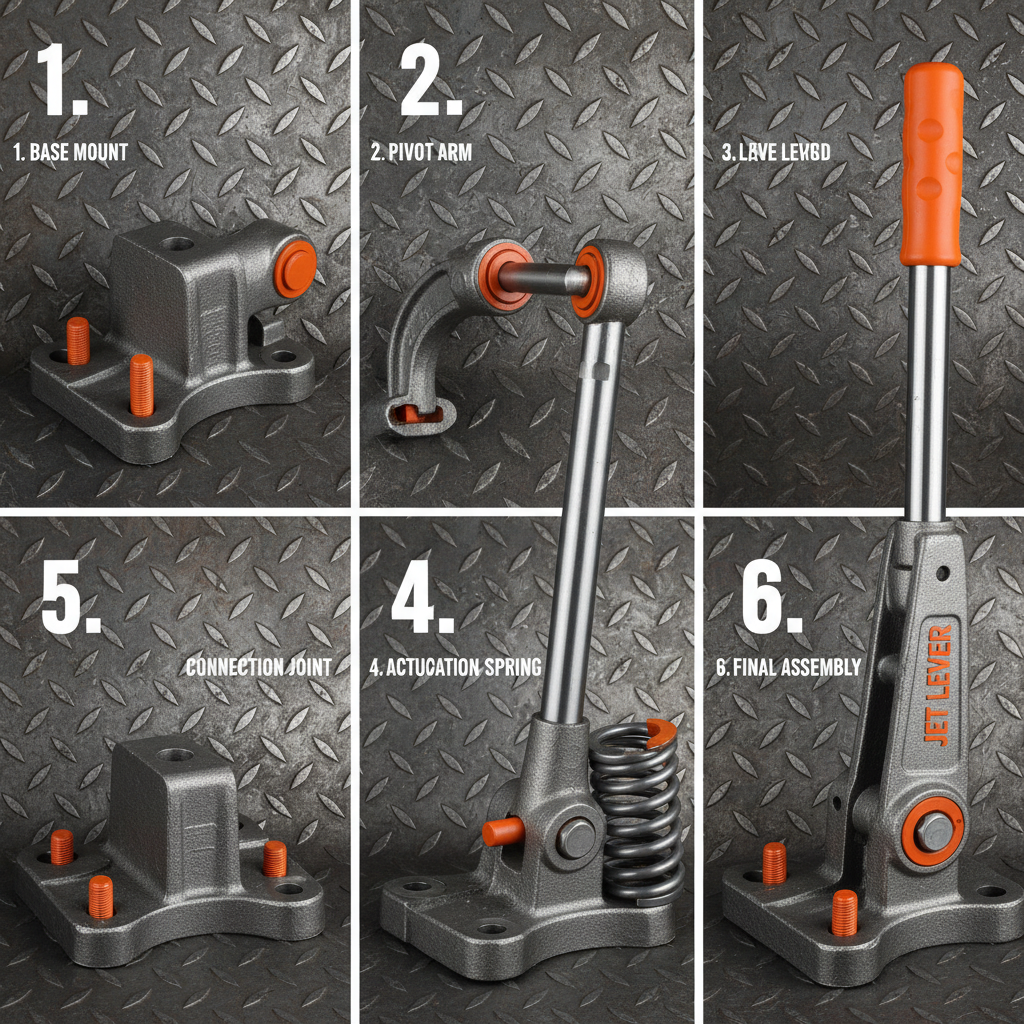
Precision Engineering Guide for High Performance Jet Lever
In the realm of high-performance industrial machinery and precision control, the jet lever serves as a critical component for managing fluid dynamics and mechanical leverage. Whether utilized in aerospace applications, advanced hydraulic systems, or specialized automotive engineering, the quality of the lever determines the efficiency of the entire operation. Understanding the nuances of design, material selection, and ergonomic integration is essential for engineers and procurement managers seeking to optimize their hardware. In this guide, we will explore how a high-quality jet lever enhances operational safety and precision, ensuring your systems perform at their peak potential.GỤKWUO -
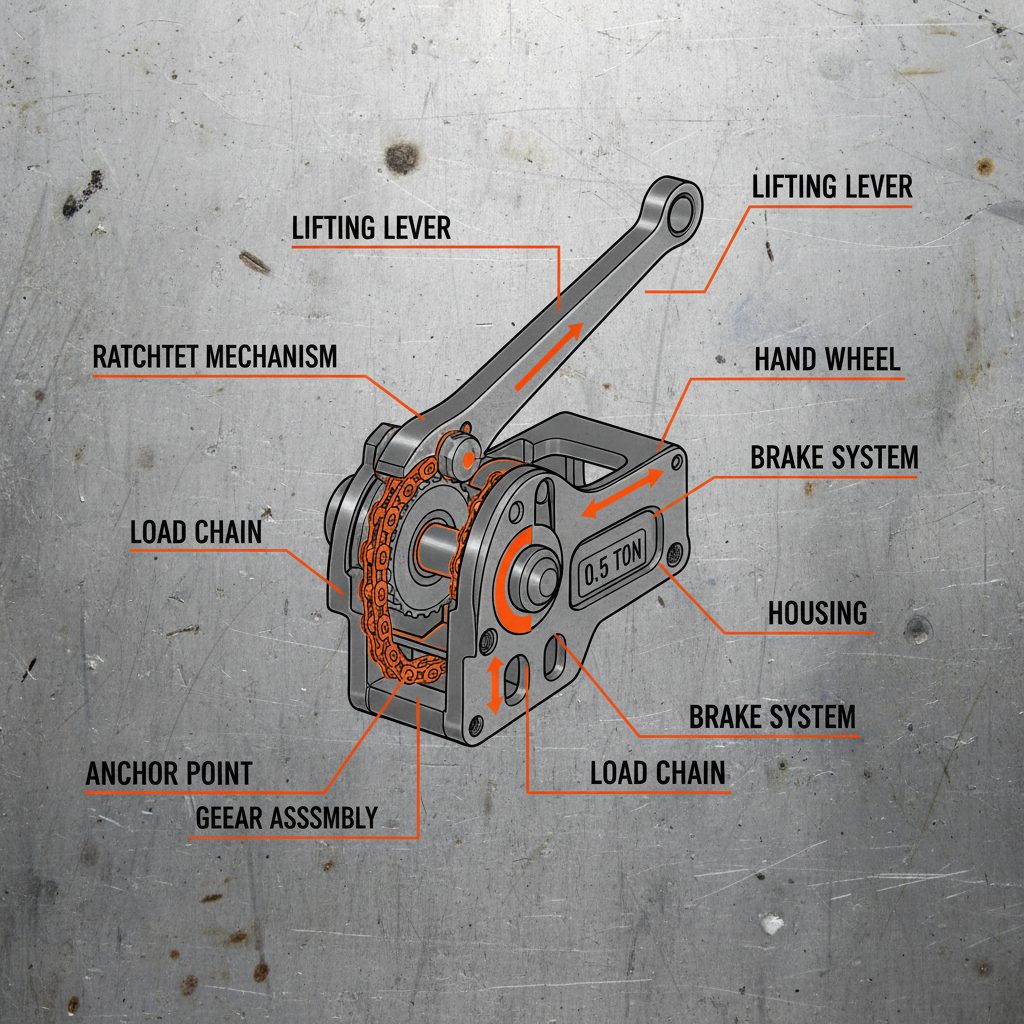
Precision Lifting and Pulling with the Lever Block 0.5 Ton Guide
In the world of industrial lifting and rigging, precision and safety are non-negotiable. When handling lighter loads that still require absolute control, the lever block 0.5 ton serves as an indispensable tool. Unlike standard chain hoists, a lever hoist provides the unique ability to both lift and pull, making it ideal for tensioning, positioning, and lifting in confined spaces. Whether you are working in automotive repair, small-scale construction, or machinery maintenance, selecting a high-quality 0.5-ton hoist ensures operational efficiency and operator safety. This guide will explore everything you need to know about utilizing this compact powerhouse to its full potential.GỤKWUO -
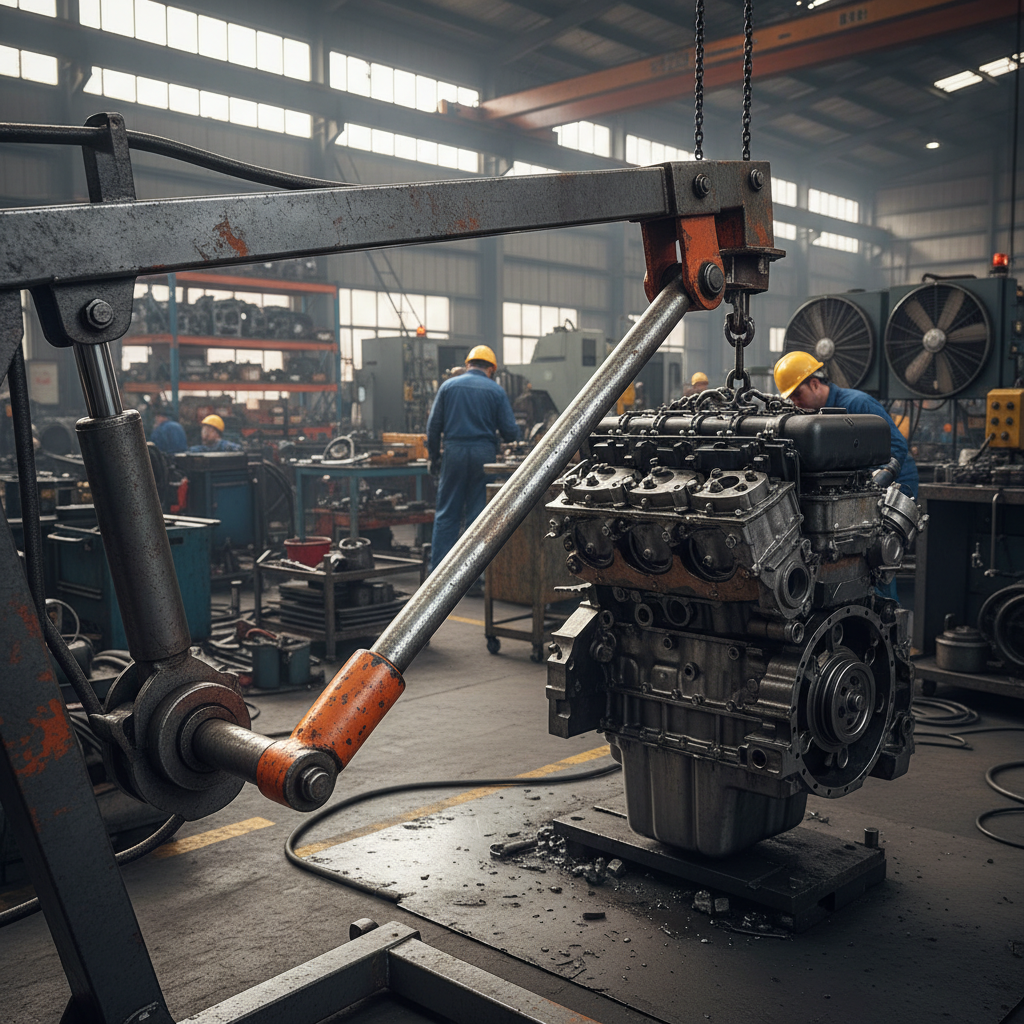
Ultimate Guide to Choosing the Professional Industrial hoist lever
In the world of heavy lifting and industrial maintenance, precision and safety are non-negotiable. A high-quality hoist lever serves as an indispensable tool for professionals who need to lift, pull, or tension heavy loads in confined spaces where electric hoists are impractical. Whether you are working in automotive repair, construction, or marine engineering, understanding the mechanics and specifications of your lifting equipment can prevent costly accidents and improve operational efficiency. In this guide, we will explore everything from the core functionality to the technical selection criteria to help you make an informed investment.GỤKWUO -
Industrial Hoist Lever Chain Guide for Heavy Lifting and Rigging
In the world of industrial lifting and rigging, precision and reliability are non-negotiable. The hoist lever chain serves as a critical tool for professionals who need to move heavy loads in confined spaces or perform high-tension pulling operations. Unlike standard electric hoists, the lever hoist provides manual control and immense power, making it indispensable for construction, shipbuilding, and maintenance. Understanding how to choose and operate this equipment is essential for ensuring both operational efficiency and workplace safety. In this guide, we will explore the technical nuances and practical applications of this powerhouse tool.GỤKWUO -
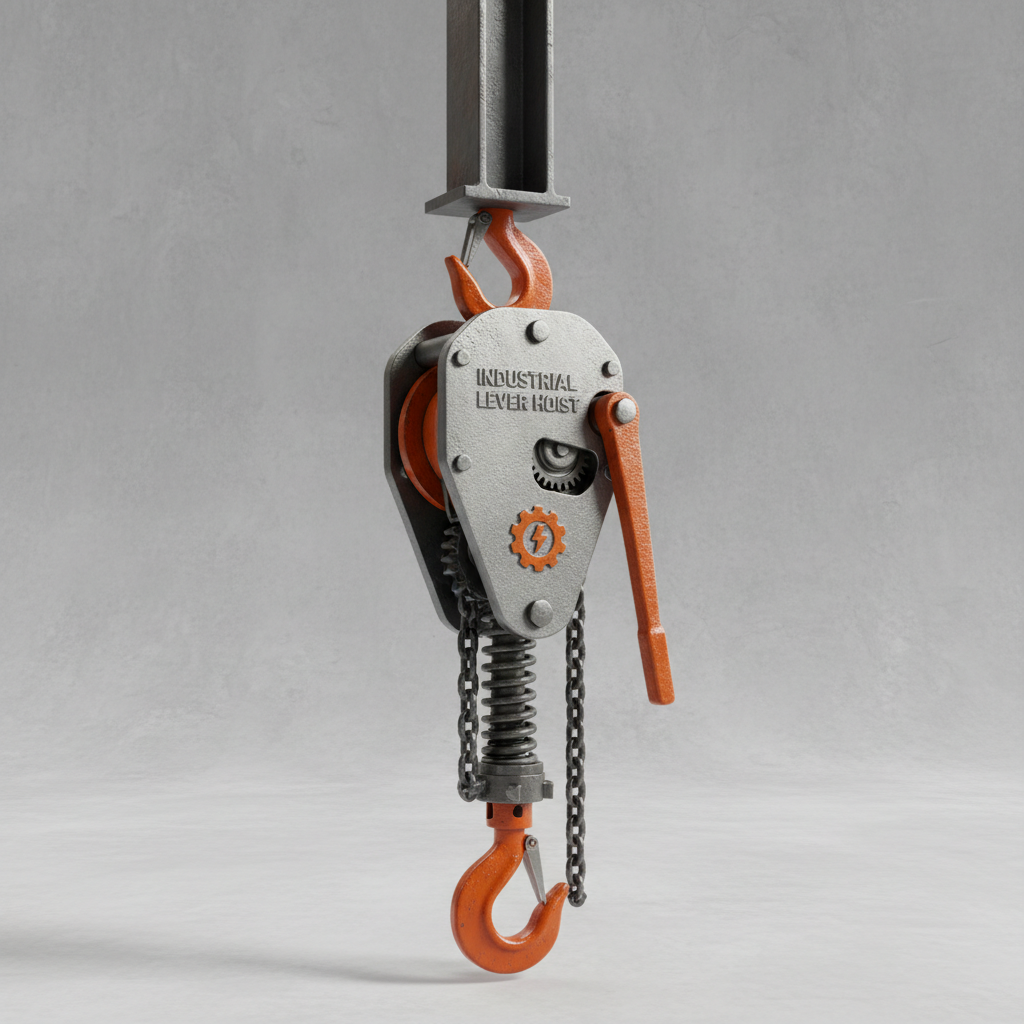
Industrial Lever Hoist Guide for Efficient Lifting and Pulling
In the demanding world of heavy-duty construction and industrial maintenance, precision and safety are non-negotiable. The industrial lever hoist serves as a cornerstone for professionals who need a reliable tool for lifting, pulling, and tensioning in confined spaces. Unlike electric hoists, lever hoists provide unmatched manual control and portability, making them indispensable for onsite rigging and assembly. Whether you are managing a warehouse or an oil rig, understanding the nuances of this equipment can significantly enhance operational efficiency and worker safety. In this comprehensive guide, we will explore why the right hoist is a critical investment for your business.GỤKWUO -
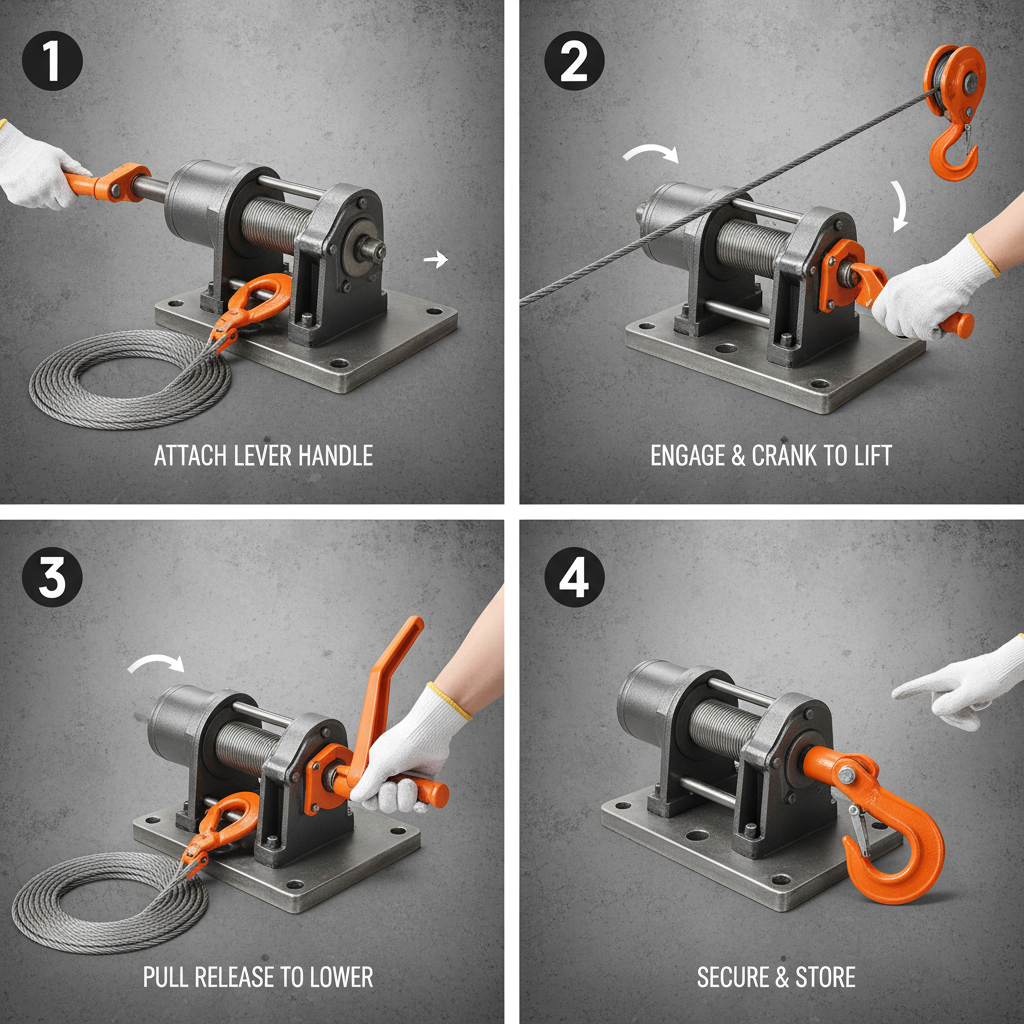
Industrial Hand Lever Winch Guide for Heavy Lifting and Pulling
In the world of industrial lifting and material handling, efficiency and safety are non-negotiable. The hand lever winch serves as a critical tool for professionals who need precise control over heavy loads without relying on external power sources. Whether you are working in a remote construction site, a busy shipyard, or a tight warehouse space, these mechanical devices provide the necessary leverage to pull, lift, and tension loads with minimal effort. Understanding how to choose and maintain the right winch can significantly enhance operational productivity and worker safety.GỤKWUO -
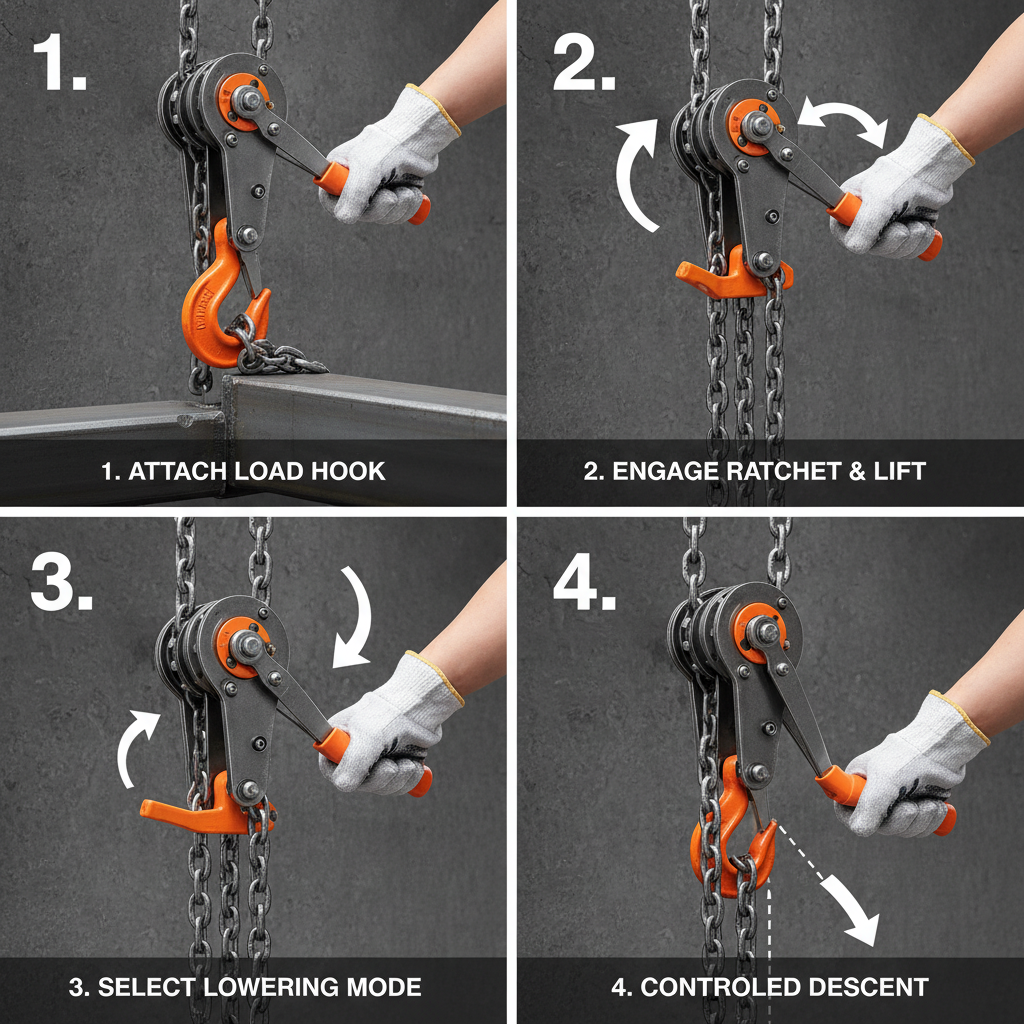
Ultimate Guide to Hand Ratchet Lift for Heavy Industrial Lifting
In the world of industrial maintenance, automotive repair, and construction, efficiency and safety are non-negotiable. The hand ratchet lift emerges as an indispensable tool, providing a mechanical advantage that allows operators to lift heavy loads with minimal physical exertion. Whether you are positioning a heavy engine or adjusting industrial machinery, understanding how to leverage the right equipment can prevent workplace injuries and significantly speed up project timelines. In this comprehensive guide, we will explore the mechanics, benefits, and selection criteria for these powerful lifting tools.GỤKWUO -
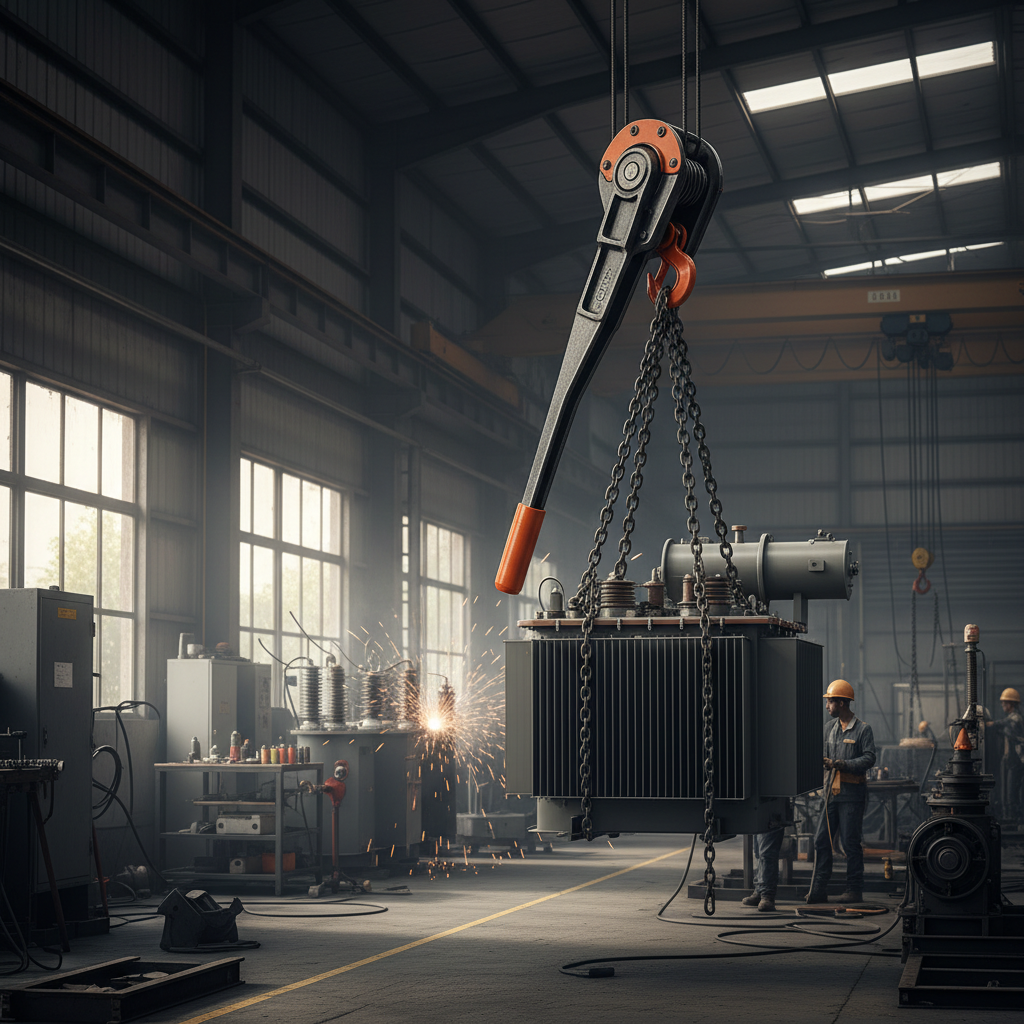
Industrial Gorilla Lever Block Guide for Heavy Lifting and Pulling
In the demanding world of industrial rigging and construction, precision and power are non-negotiable. The gorilla lever block emerges as a premier solution for professionals who require a reliable, high-capacity pulling and lifting tool. Designed to handle extreme loads with minimal effort, this equipment is essential for everything from engine hoisting to structural alignment. In this comprehensive guide, we will explore why the Gorilla series is the gold standard for durability and how choosing the right lever hoist can optimize your operational efficiency and site safety.GỤKWUO -
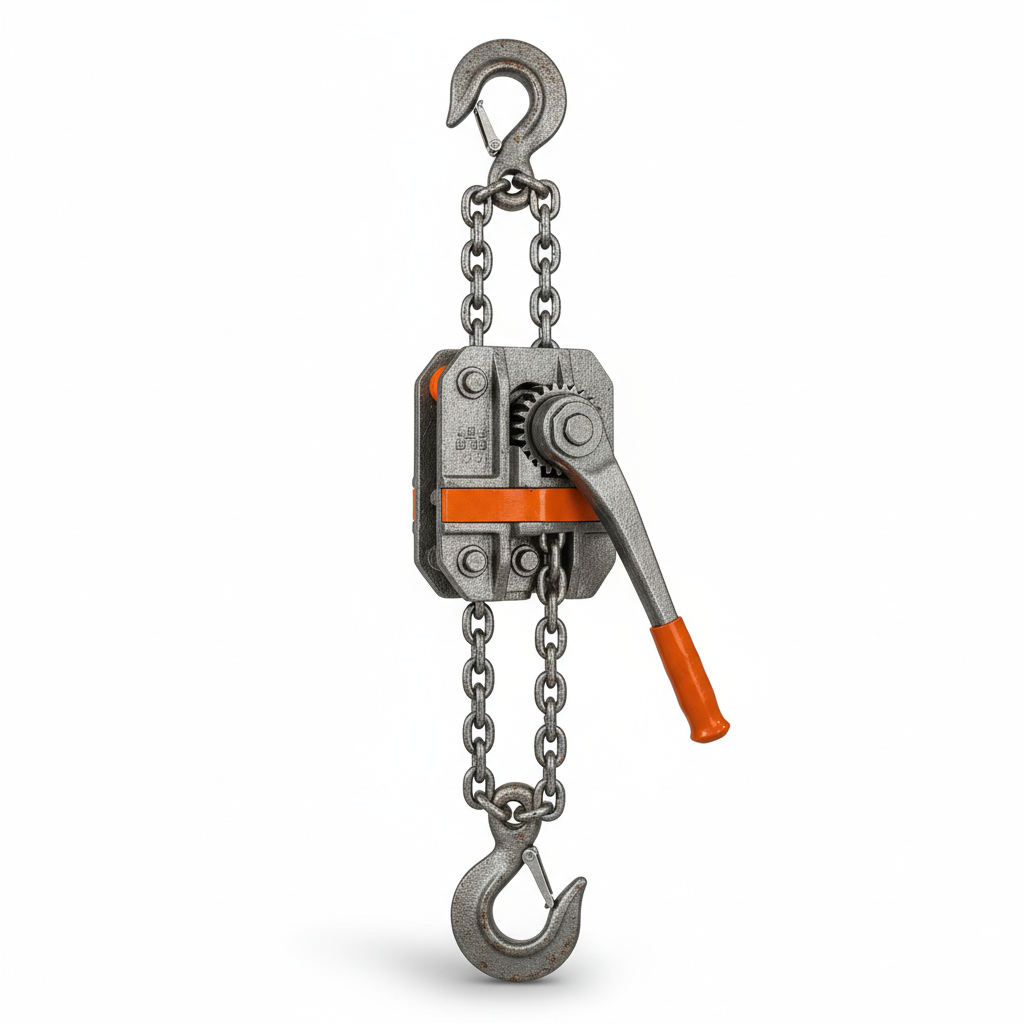
Industrial Lifting Guide for Chain Block Lever Type Hoists
In the world of industrial lifting and material handling, precision and safety are non-negotiable. The chain block lever type hoist has emerged as an indispensable tool for professionals who require a combination of power and control. Unlike standard chain blocks, the lever-operated system allows for a more nuanced movement, making it ideal for tensioning, pulling, and lifting in confined spaces. Whether you are working in automotive repair, construction, or heavy manufacturing, understanding the mechanics and selection of these tools is key to operational efficiency. In this comprehensive guide, we will explore the technical advantages, specifications, and best practices for using this essential equipment.GỤKWUO -
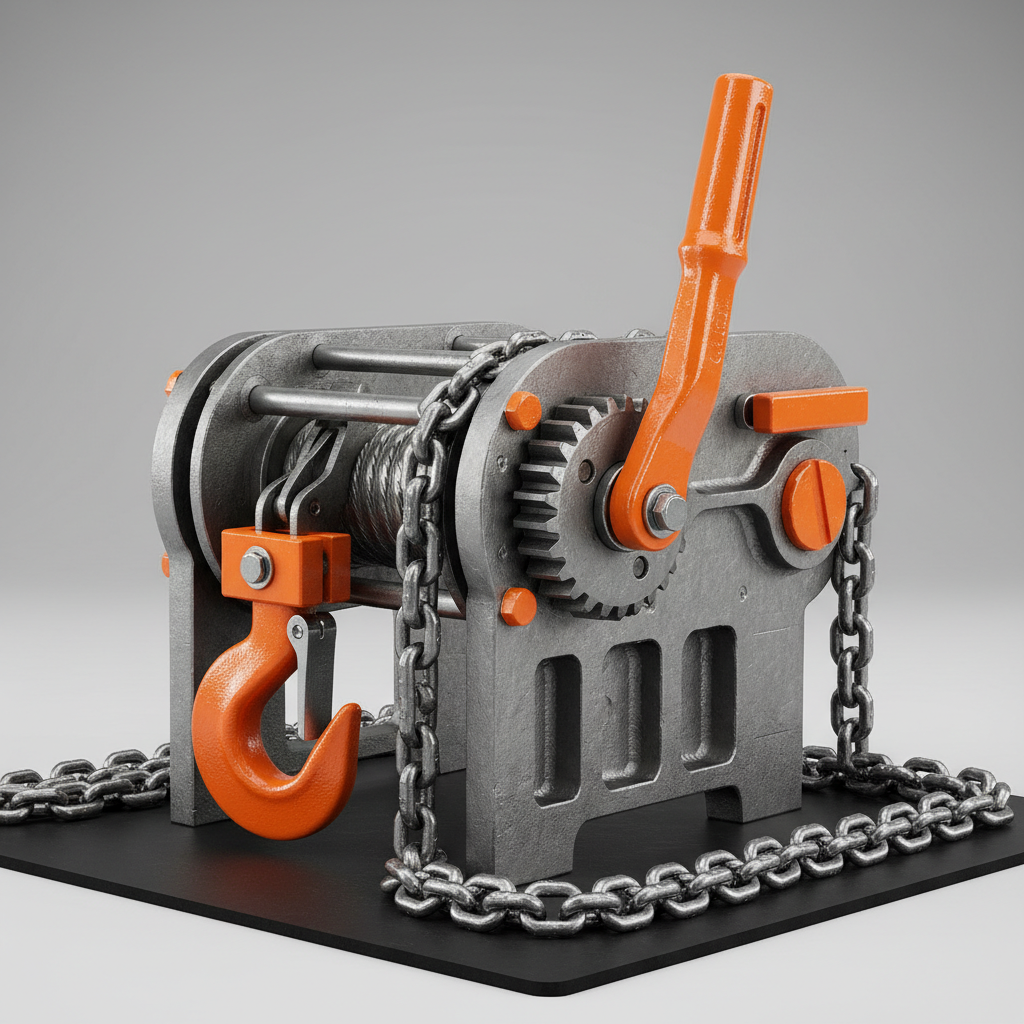
Industrial Chain Ratchet Winch Guide for Heavy Lifting and Safety
In the world of industrial lifting and rigging, efficiency and safety are non-negotiable. A high-quality chain ratchet winch serves as a critical tool for professionals who need to lift, pull, or tension heavy loads with precision. Whether you are working in construction, automotive repair, or heavy manufacturing, understanding how to select and utilize the right winch can drastically improve workplace productivity and minimize risk. In this comprehensive guide, we will explore the mechanics, benefits, and technical specifications of these powerful devices to help you make an informed purchasing decision.GỤKWUO -
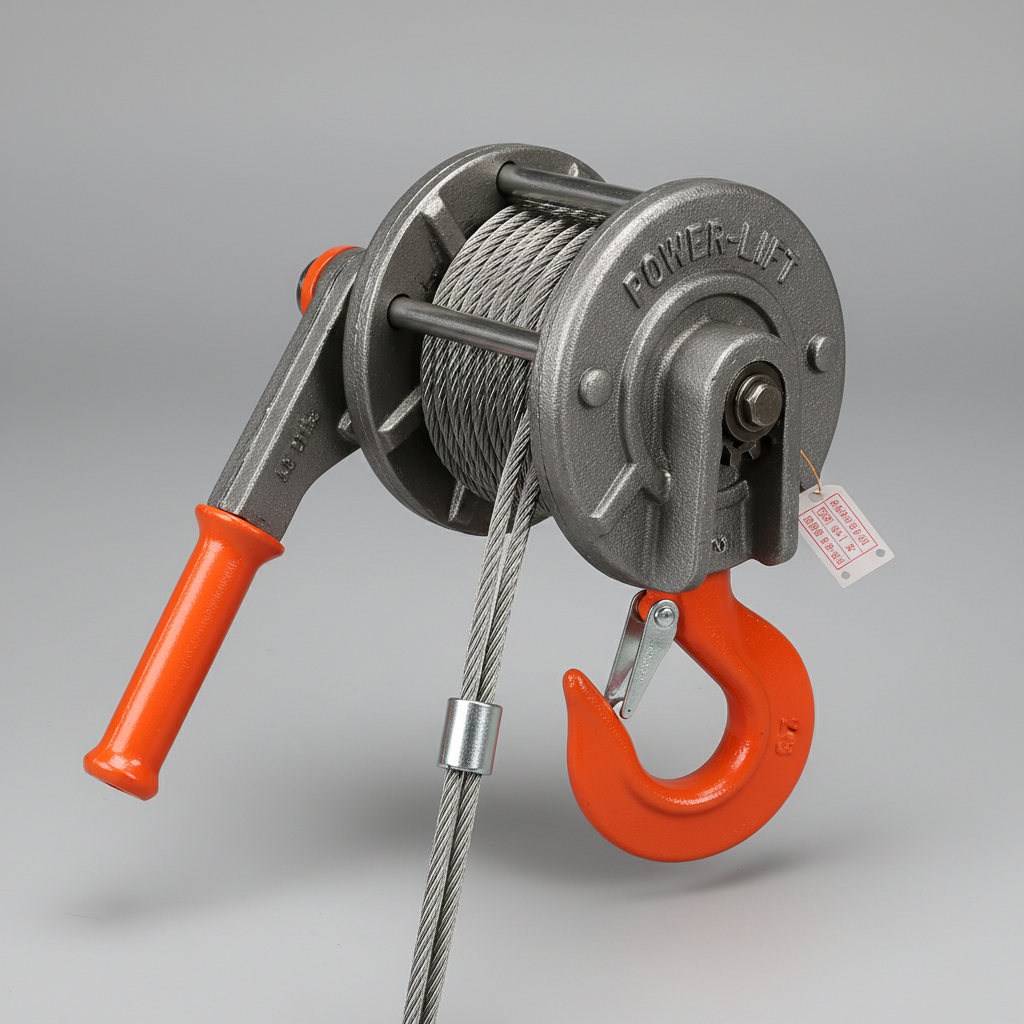
Guide to Selecting and Operating a come along lever hoist
In the world of industrial rigging and construction, efficiency and safety are non-negotiable. Whether you are tensioning a load, pulling a vehicle, or lifting heavy machinery in tight spaces, the come along lever hoist serves as an indispensable tool. Often referred to as a come-along, this mechanical device converts a lever's rotational motion into a powerful linear pull, allowing a single operator to move massive weights with precision. Understanding how to select and operate the right hoist can significantly reduce workplace injuries and accelerate project timelines. In this guide, we will explore everything from technical specifications to professional application tips.GỤKWUO -
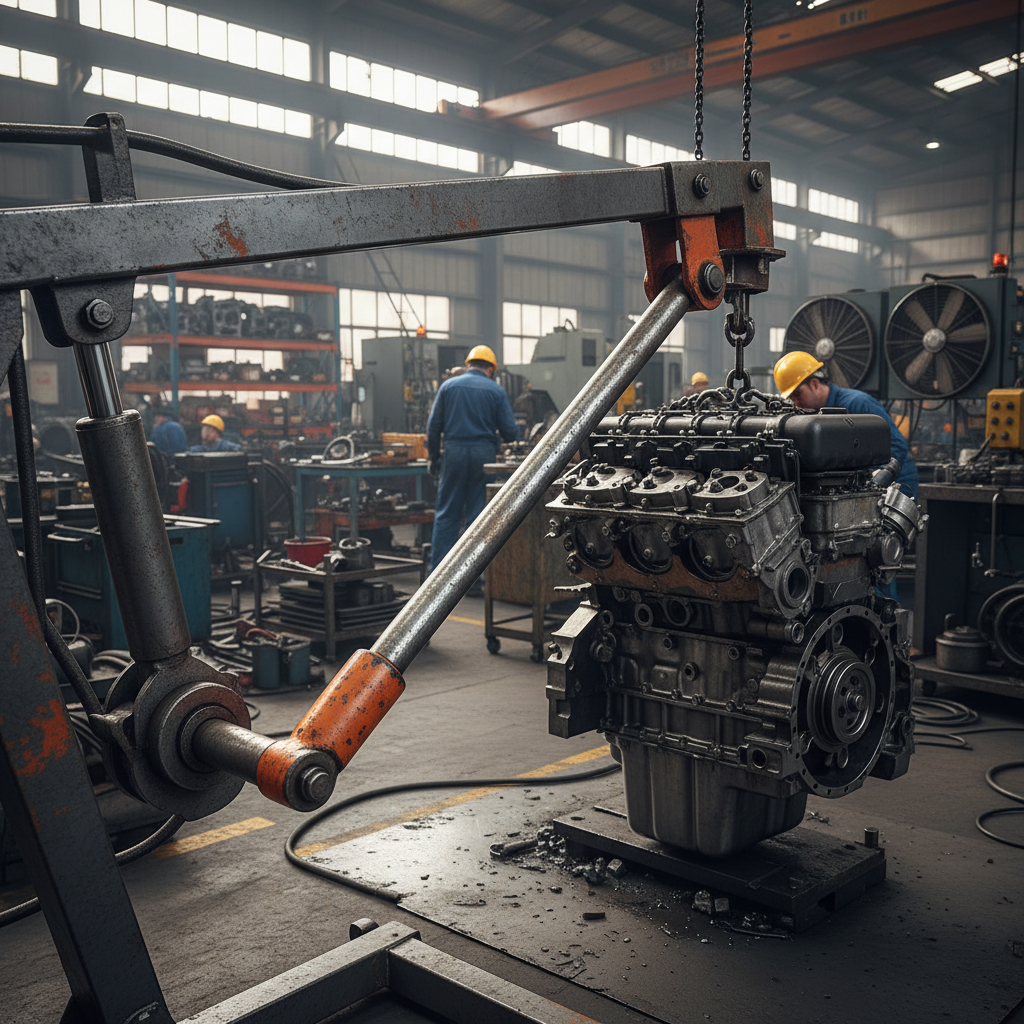
Ultimate Guide to Selecting and Using an Engine Hoist Lever
Whether you are a professional mechanic or a dedicated DIY enthusiast, the precision and safety of your lifting equipment can make or break a project. The engine hoist lever is a critical component that transforms a heavy-duty lifting task into a controlled, manageable operation. By providing the necessary mechanical advantage, this tool allows for the seamless removal and installation of heavy engines without compromising safety. In this comprehensive guide, we will explore the technical nuances, selection criteria, and maintenance tips to ensure your workshop remains efficient and hazard-free.GỤKWUO

-
 Afrikaans
 -
 Albanian
 -
 Amharic
 -
 Arabic
 -
 Armenian
 -
 Azerbaijani
 -
 Basque
 -
 Belarusian
 -
 Bengali
 -
 Bosnian
 -
 Bulgarian
 -
 Catalan
 -
 Cebuano
 -
 Corsican
 -
 Croatian
 -
 Czech
Czech -
 Danish
 -
 Dutch
Dutch -
 English
 -
 Esperanto
 -
 Estonian
 -
 Finnish
 -
 French
 -
 Frisian
 -
 Galician
 -
 Georgian
 -
 German
 -
 Greek
Greek -
 Gujarati
 -
 Haitian Creole
 -
 hausa
hausa -
 hawaiian
 -
 Hebrew
 -
 Hindi
Hindi -
 Miao
Miao -
 Hungarian
 -
 Icelandic
 -
 igbo
igbo -
 Indonesian
 -
 irish
irish -
 Italian
 -
 Japanese
 -
 Javanese
 -
 Kannada
 -
 kazakh
 -
 Khmer
Khmer -
 Rwandese
 -
 Korean
 -
 Kurdish
 -
 Kyrgyz
 -
 Lao
Lao -
 Latin
Latin -
 Latvian
 -
 Lithuanian
 -
 Luxembourgish
 -
 Macedonian
 -
 Malgashi
 -
 Malay
Malay -
 Malayalam
 -
 Maltese
 -
 Maori
Maori -
 Marathi
 -
 Mongolian
 -
 Myanmar
 -
 Nepali
 -
 Norwegian
 -
 Norwegian
 -
 Occitan
 -
 Pashto
 -
 Persian
 -
 Polish
 -
 Portuguese
 -
 Punjabi
 -
 Romanian
 -
 Russian
 -
 Samoan
 -
 Scottish Gaelic
 -
 Serbian
 -
 Sesotho
 -
 Shona
Shona -
 Sindhi
 -
 Sinhala
 -
 Slovak
 -
 Slovenian
 -
 Somali
 -
 Spanish
 -
 Sundanese
 -
 Swahili
 -
 Swedish
 -
 Tagalog
 -
 Tajik
Tajik -
 Tamil
Tamil -
 Tatar
Tatar -
 Telugu
 -
 Thai
Thai -
 Turkish
 -
 Turkmen
 -
 Ukrainian
 -
 Urdu
Urdu -
 Uighur
 -
 Uzbek
Uzbek -
 Vietnamese
 -
 Welsh
Welsh -
 Bantu
Bantu -
 Yiddish
 -
 Yoruba
 -
 Zulu
Zulu


TEL:
0086-311-88862036

- Kpọtụrụ
- ADERE: 188, Fengshou Road, Shijiazhuang. China
- EMAIL: info@bilopowtel.com
- Ekwentị: 0086-311-88862036
- WHATSAPP: 0086-152-26563165


Copyright © 2026 Shijiazhuang Bilo Import and Export Trading Co., Ltd. Ikike niile echekwabara. Sitemap | amụma nzuzo

BlLo lmport & Éxport bụ ọkachamara na ike na akụrụngwa akụrụngwa na ngwaọrụ nyocha, Qur main producis bụ FRP duct rodder, eriri igwe na-adọkpụ eriri USB, jack drum jack, sọks na-adọkpụ, wdg.


Copyright © 2026 Shijiazhuang Bilo Import and Export Trading Co., Ltd. Ikike niile echekwabara. Sitemap | amụma nzuzo


