



Mar . 28, 2026 01:45 Back to list
Understanding the Significance of a Copper Earth Rod for Electrical Safety
Understanding the Importance of a Copper Earth Rod
In the realm of electrical grounding and lightning protection, a copper earth rod plays a crucial role. It's a foundational element in ensuring the safety of electrical systems and structures. At Bilopowtel, we specialize in providing high-quality copper earth rods designed for optimal performance and longevity. This article will delve into the purpose, benefits, installation, and factors to consider when selecting a copper earth rod. A properly installed earth rod is essential for diverting harmful electrical currents, safeguarding people and equipment.
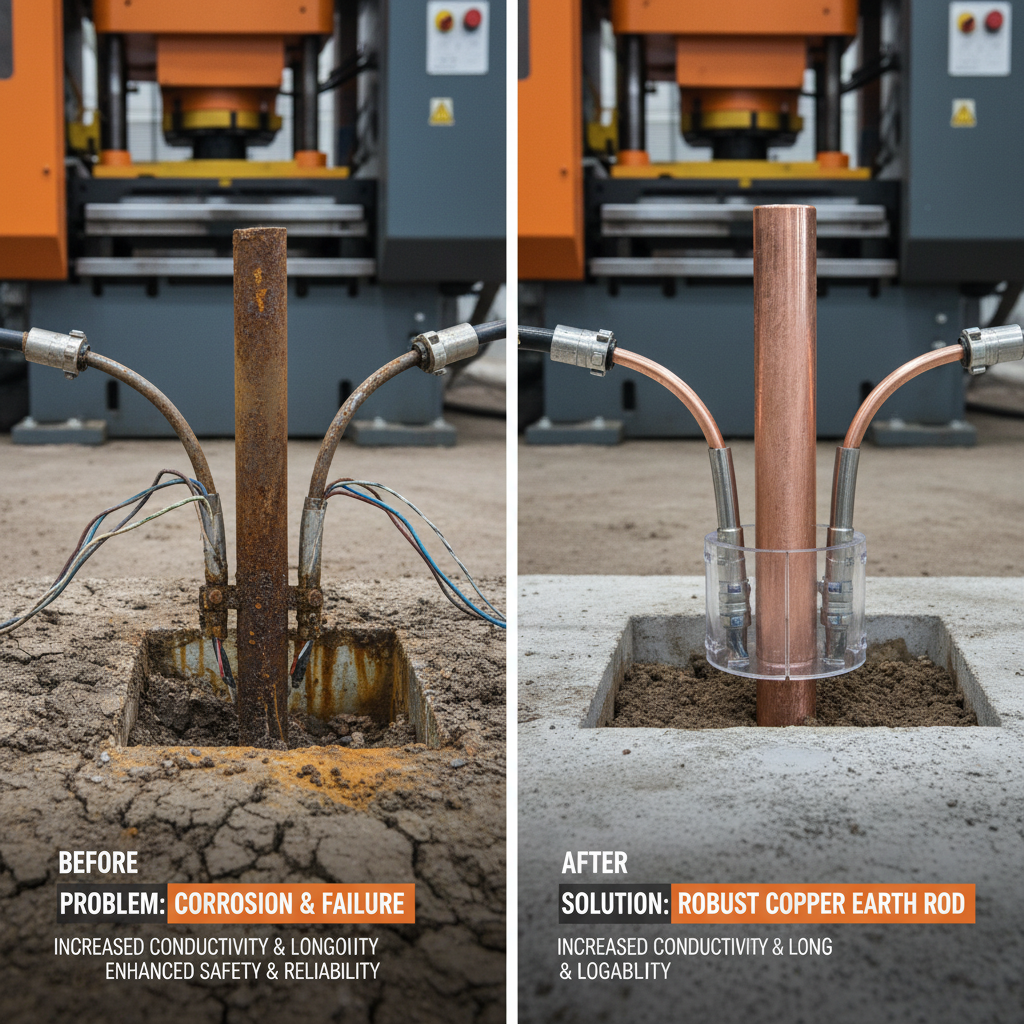
What is a Copper Earth Rod and Why is it Important?
A copper earth rod, also known as a grounding rod, is a conductive rod made of copper that is driven into the earth to provide a low-resistance path for electrical currents to flow. Its primary function is to connect electrical systems to the earth, creating a safe discharge path for fault currents and lightning strikes. This connection helps prevent electrical shock, equipment damage, and fires. Without a properly grounded system, dangerous voltages can build up, posing a significant risk. Effective grounding, facilitated by a quality copper earth rod, is a cornerstone of electrical safety.
Key Benefits: Prevents electrical shock, minimizes equipment damage, reduces fire hazards, and ensures compliance with safety regulations.
Choosing the Right Copper Earth Rod: Factors to Consider
Selecting the appropriate copper earth rod requires careful consideration of several factors. The size (diameter and length) of the rod is critical; larger rods provide lower resistance and are more effective. Soil resistivity is a key determinant – higher resistivity soils require longer rods or multiple rods to achieve adequate grounding. The type of copper used also matters; high-conductivity copper ensures optimal performance. Furthermore, consider the anticipated fault current levels and the specific requirements of your electrical system. Bilopowtel offers a variety of copper earth rods to suit diverse applications.
Important Considerations:
• Rod Diameter and Length
• Soil Resistivity
• Copper Conductivity
• Fault Current Levels
Copper vs. Other Earth Rod Materials: A Comparative Analysis
While copper earth rods are highly effective, other materials like galvanized steel and stainless steel are also available. However, copper offers significant advantages. It has the highest conductivity, leading to lower resistance and superior grounding performance. Copper is also highly corrosion-resistant, ensuring long-term reliability. Galvanized steel, while more affordable, is prone to corrosion, reducing its effectiveness over time. Stainless steel offers better corrosion resistance than galvanized steel but doesn't match copper’s conductivity. Choosing copper provides a long-term investment in safety and performance.
Installation Best Practices for Copper Earth Rods
Proper installation is crucial for ensuring the effectiveness of a copper earth rod. The rod should be driven vertically into the ground, reaching a depth that ensures consistent moisture contact. In areas with rocky soil, a hole may need to be pre-drilled. Connections to the earth rod must be secure and corrosion-resistant, typically using approved clamps and connectors. Multiple rods can be used in parallel to reduce overall resistance, especially in high-resistivity soils. Always consult with a qualified electrician to ensure compliance with local electrical codes. Bilopowtel can provide guidance on proper installation techniques.
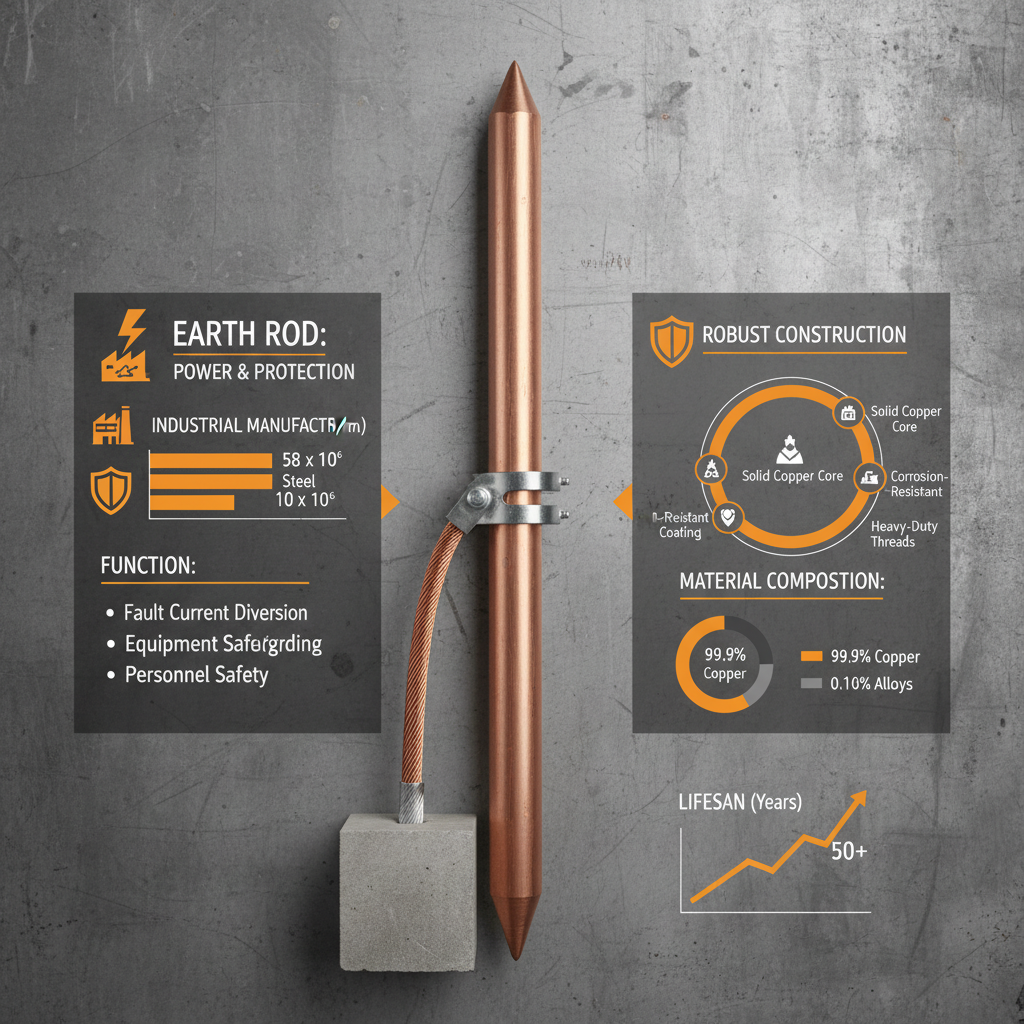
Product Specifications & Bilopowtel's Offerings
Bilopowtel offers a comprehensive range of copper earth rods, adhering to stringent quality standards. We provide various lengths and diameters to meet diverse application needs. Our rods are manufactured from high-conductivity copper, ensuring optimal performance and longevity. We also offer accessories such as clamps, connectors, and driving tools to facilitate easy and secure installation. Here's a sample specification table:
Conclusion: Invest in Safety with a Reliable Copper Earth Rod
Ensuring a robust grounding system with a high-quality copper earth rod is paramount for electrical safety. At Bilopowtel, we provide reliable and durable solutions to meet your grounding needs. Don’t compromise on safety – choose Bilopowtel for peace of mind.
Frequently Asked Questions (FAQs)
What is the recommended depth for installing a copper earth rod?
The recommended depth varies depending on soil conditions and local regulations, but generally, a minimum depth of 2.4 meters (8 feet) is advised. In areas with rocky soil or high soil resistivity, deeper installation or the use of multiple rods may be necessary. The goal is to reach a consistent moisture level to ensure good electrical contact. It’s always best to consult with a qualified electrician to determine the optimal depth for your specific location.
How do I test the effectiveness of my earth rod?
The effectiveness of an earth rod can be tested using a ground resistance tester. This device measures the resistance between the earth rod and a distant grounding point. A low resistance reading (typically less than 5 ohms) indicates a good connection. Regular testing is recommended, especially after periods of heavy rainfall or soil disturbance. A qualified electrician can perform these tests and ensure your grounding system is functioning correctly.
Can I use multiple earth rods to improve grounding?
Yes, using multiple earth rods connected in parallel is a common practice to reduce overall grounding resistance, especially in areas with high soil resistivity. When connecting multiple rods, they should be spaced at least the length of the rod apart to avoid interference. This configuration provides a more robust and reliable grounding system.
What maintenance is required for a copper earth rod?
Regular visual inspections are essential to check for corrosion or damage to the rod and connections. Ensure connections remain tight and free from corrosion. Periodically test the ground resistance to verify the system's effectiveness. In corrosive environments, consider protective coatings or upgrading to a more corrosion-resistant material.
Latest news
Precision Lifting and Pulling with the Lever Block 0.5 Ton Guide
NewsApr.16,2026
Precision Engineering Guide for High Performance Jet Lever
NewsApr.16,2026
Ultimate Guide to Choosing the Professional Industrial hoist lever
NewsApr.16,2026
Industrial Hoist Lever Chain Guide for Heavy Lifting and Rigging
NewsApr.16,2026
Industrial Lever Hoist Guide for Efficient Lifting and Pulling
NewsApr.16,2026
Ultimate Guide to Hand Ratchet Lift for Heavy Industrial Lifting
NewsApr.16,2026
- CONTACT
- ADDRESS: 188, Fengshou Road, Shijiazhuang. China
- EMAlL: info@bilopowtel.com
- PHONE: 0086-311-88862036
- WHATSAPP: 0086-152-26563165


