



Mar . 05, 2026 01:45 Back to list
Protect Your Home with a Reliable Home Grounding Rod System
Understanding the Importance of a Home Grounding Rod
In today's electrically-powered world, protecting your home and electronic devices from power surges and electrical faults is crucial. A home grounding rod serves as a vital safety component, providing a pathway for stray electrical currents to safely dissipate into the earth. This article will explore the function, benefits, installation, and types of grounding rods, helping you understand why investing in a quality grounding system is essential for a safe and protected home. A properly installed grounding system minimizes the risk of electrical shock, fire hazards, and damage to sensitive electronics.
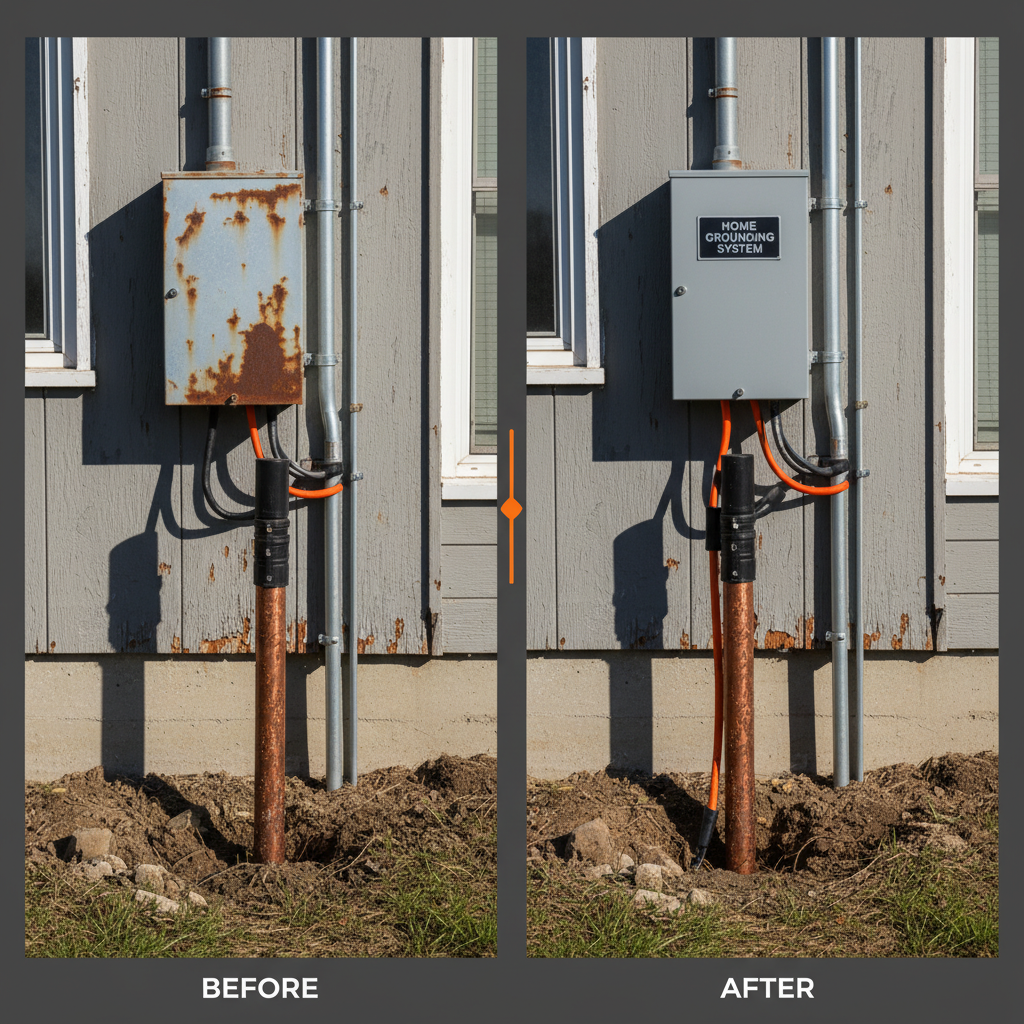
What is a Home Grounding Rod and How Does it Work?
A grounding rod, typically made of copper or copper-clad steel, is a long, conductive rod driven into the earth near your home's electrical panel. Its primary function is to provide a low-resistance path for electrical current to flow to the ground in the event of a fault. When a surge or fault occurs, the grounding rod redirects the electricity, preventing it from traveling through your home's wiring and potentially harming people or damaging appliances. It’s a fundamental component of a complete grounding system, working in conjunction with grounding wires and your electrical panel. Properly grounding your home is not just a good idea; it's often required by electrical codes.
Key Benefit: Protection against electrical shock, fire hazards, and damage to sensitive electronic equipment.
Types of Home Grounding Rods
Several types of grounding rods are available, each with its own characteristics. The most common include:
- Copper Grounding Rods: Highly conductive and corrosion-resistant, but generally more expensive.
- Copper-Clad Steel Grounding Rods: Offer a good balance of conductivity and strength at a more affordable price. These consist of a steel core coated with copper.
- Galvanized Steel Grounding Rods: Least expensive option but also the least conductive and most prone to corrosion.
The choice of grounding rod depends on your local soil conditions, budget, and local electrical codes. Bilopowtel offers a variety of high-quality grounding rods to meet your specific needs.
Grounding Rod Material Comparison:
• Copper: Highest conductivity, excellent corrosion resistance, most expensive.
• Copper-Clad Steel: Good conductivity, moderate corrosion resistance, mid-range cost.
• Galvanized Steel: Lower conductivity, less corrosion resistance, least expensive.
Home Grounding Rod Installation: A Brief Overview
Installing a grounding rod is a critical task that should ideally be performed by a qualified electrician. While it may seem straightforward, improper installation can render the system ineffective or even create safety hazards. The general process involves driving the grounding rod at least 8 feet into the ground, ensuring it's located at least 5 feet away from gas pipes or other utilities. The rod is then connected to the grounding bus bar in your electrical panel using a heavy-gauge grounding wire. Local codes dictate specific requirements, so it's vital to adhere to them.
Benefits of a Properly Installed Home Grounding Rod
Investing in a robust grounding system offers numerous advantages, including:
- Enhanced Safety: Reduces the risk of electrical shock and fire hazards.
- Protection of Electronics: Safeguards sensitive electronic devices from damage caused by power surges.
- Code Compliance: Ensures your home meets local electrical safety standards.
- Peace of Mind: Provides assurance that your home and family are protected from electrical dangers.
A well-maintained grounding system is an essential component of a safe and reliable electrical infrastructure. Bilopowtel can help you select and install the right grounding solution for your home.
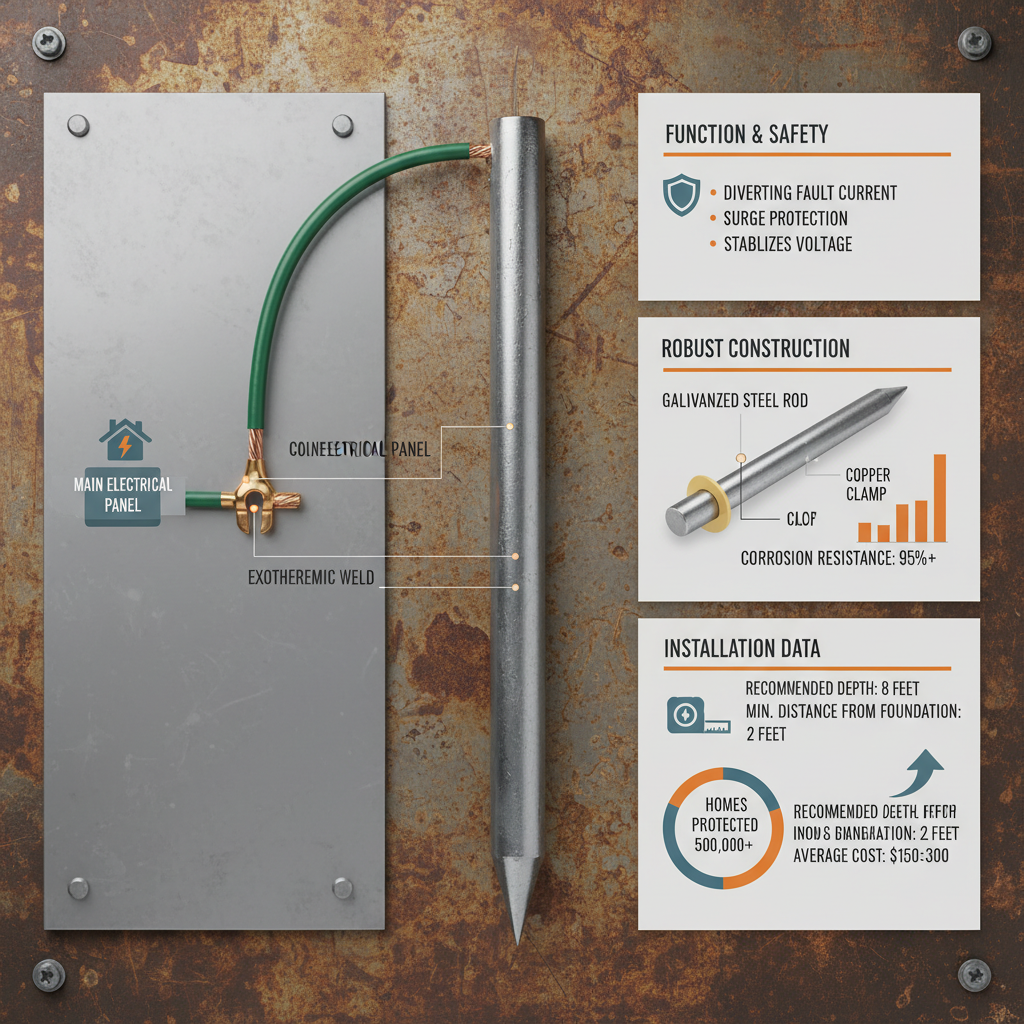
Choosing the Right Grounding Rod: Factors to Consider
Selecting the appropriate grounding rod involves considering several key factors. Soil conductivity plays a significant role – sandy or rocky soil may require longer or multiple grounding rods to achieve adequate grounding. The size and length of the grounding rod should also be chosen based on the expected fault current levels. Moreover, compliance with local electrical codes is paramount. Bilopowtel’s team of experts can assess your specific needs and recommend the optimal grounding rod for your home.
Conclusion: Invest in Electrical Safety with a Grounding Rod
A home grounding rod is a small investment that delivers significant protection for your home and family. By providing a safe pathway for electrical currents, it minimizes the risk of electrical hazards and safeguards your valuable electronics. Don't compromise on safety – choose a high-quality grounding rod from Bilopowtel and ensure your home is properly grounded.
Frequently Asked Questions (FAQs)
How often should I inspect my grounding rod system?
It's recommended to visually inspect your grounding rod connections and the visible portion of the rod at least once a year. Look for signs of corrosion, damage, or loose connections. A comprehensive test of the grounding system's resistance should be performed every few years by a qualified electrician, especially if you've experienced electrical surges or storms. Regular inspection and maintenance ensure the continued effectiveness of your grounding system.
What if my soil is very rocky?
Rocky soil can make it challenging to drive a grounding rod to the required depth. In such cases, several options are available. A longer grounding rod may be necessary, or multiple grounding rods can be installed in close proximity, connected together to form a grounding grid. Another approach is to use a specialized ground rod driving tool designed for rocky soil. A qualified electrician can assess your soil conditions and recommend the most appropriate solution.
Can I install a grounding rod myself?
While it's technically possible for a homeowner with electrical knowledge to install a grounding rod, it's strongly recommended to hire a qualified electrician. Improper installation can create safety hazards or render the system ineffective. An electrician will ensure the grounding rod is installed correctly, meets local electrical codes, and is properly connected to your electrical panel.
Latest news
Precision Lifting and Pulling with the Lever Block 0.5 Ton Guide
NewsApr.16,2026
Precision Engineering Guide for High Performance Jet Lever
NewsApr.16,2026
Ultimate Guide to Choosing the Professional Industrial hoist lever
NewsApr.16,2026
Industrial Hoist Lever Chain Guide for Heavy Lifting and Rigging
NewsApr.16,2026
Industrial Lever Hoist Guide for Efficient Lifting and Pulling
NewsApr.16,2026
Ultimate Guide to Hand Ratchet Lift for Heavy Industrial Lifting
NewsApr.16,2026
- CONTACT
- ADDRESS: 188, Fengshou Road, Shijiazhuang. China
- EMAlL: info@bilopowtel.com
- PHONE: 0086-311-88862036
- WHATSAPP: 0086-152-26563165


