



Apr . 09, 2026 01:45 Back to list
Industrial Lifting Guide for Chain Block and Lever Block Tools
Mastering Heavy Lifting: A Guide to Chain Block and Lever Block
In the demanding world of industrial lifting and rigging, efficiency and safety are the cornerstones of every successful operation. Whether you are working in construction, automotive repair, or heavy manufacturing, having the right equipment is non-negotiable. The chain block and lever block are indispensable tools designed to move heavy loads with precision and minimal effort. While they may seem similar at first glance, each serves a distinct purpose based on the direction of the pull and the required control. Understanding the nuances between these two lifting powerhouses ensures not only a smoother workflow but also the highest standard of workplace safety.
What is a Chain Block?
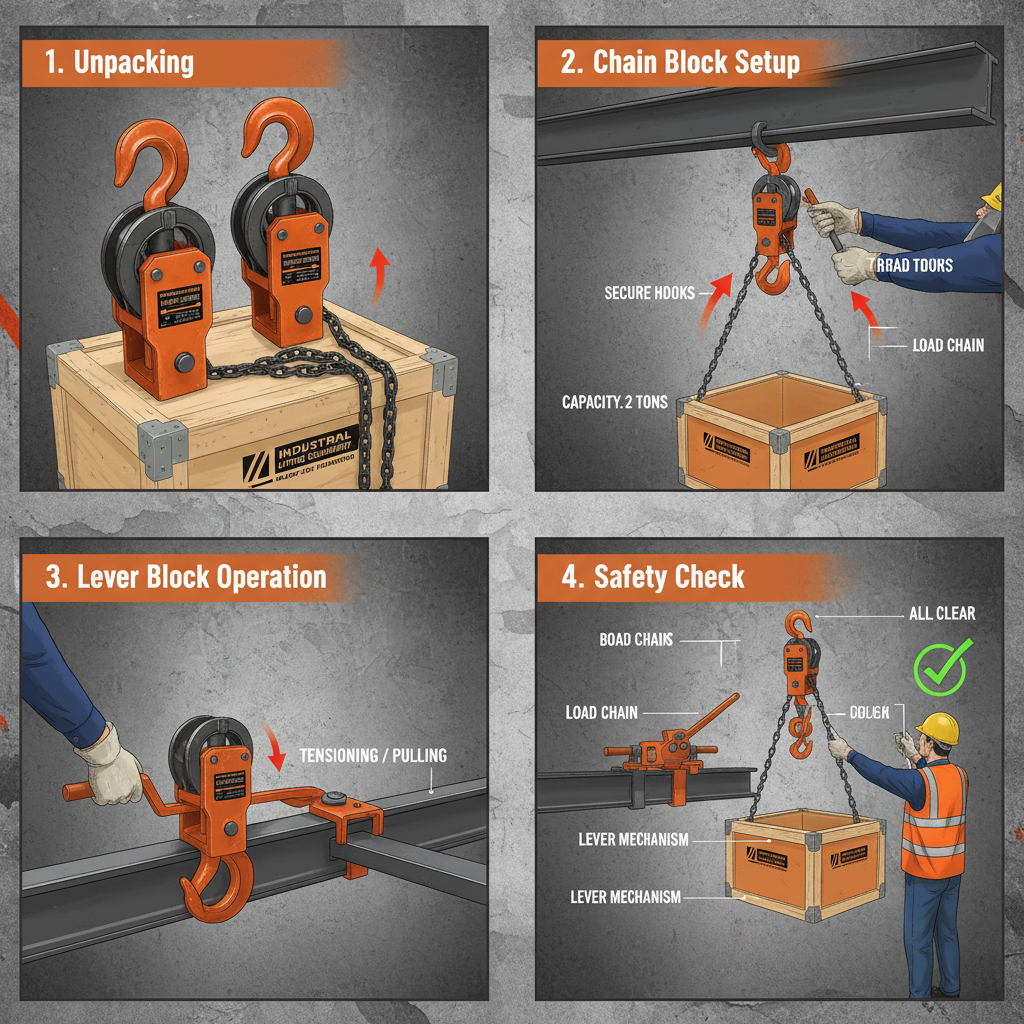
A chain block, often referred to as a chain hoist, is a manual lifting device used primarily for vertical lifting. It utilizes a system of gears and a chain to multiply the force applied by the operator, allowing for the elevation of massive loads. These tools are prized for their stability and high load capacity. When you invest in a high-quality chain block and lever block system, you are ensuring that your vertical lifts are controlled and secure. Most chain blocks feature a load brake that prevents the load from slipping, making them ideal for hoisting engines, machinery, or structural steel beams into place.
The Versatility of the Lever Block
Unlike its vertical-focused counterpart, the lever block (or come-along) is designed for pulling, tensioning, and lifting in various directions. Operated by a lever handle, it provides the operator with a high degree of tactile control, which is essential for precision positioning. This makes the lever block an essential part of any chain block and lever block toolkit, especially when loads need to be pulled horizontally or angled. They are frequently used in bridge construction and pipeline installation where space is tight and precise tensioning is required to align heavy components.
Pro Tip: Always ensure the lever block is anchored to a certified structural point before applying tension to avoid accidental equipment failure or workplace hazards.
Comparing Chain Block and Lever Block Performance
Choosing between these two tools depends entirely on the nature of your task. While a chain block is the king of vertical height and heavy hoisting, the lever block is the master of flexibility and tensioning. For professionals managing large-scale projects, integrating both a chain block and lever block into their inventory provides a complete lifting solution. The following table highlights the critical differences to help you make an informed decision based on your operational needs.
Essential Maintenance for Lifting Equipment
To ensure the longevity and safety of your chain block and lever block, a rigorous maintenance schedule is mandatory. The most critical aspect is the lubrication of the load chain; dry chains increase friction, leading to premature wear and potential failure. Additionally, operators should inspect for "stretched" chains or twisted links before every use. Checking the brake mechanism is equally important, as a failing brake can lead to catastrophic load drops. By implementing a monthly inspection checklist, companies can reduce downtime and maintain a safer environment for their workforce.
Technical Specifications and Load Capacities
When selecting the right model from a chain block and lever block catalog, you must consider the Working Load Limit (WLL). Exceeding the WLL can lead to structural deformation of the hook or chain snap. High-grade alloy steel is typically used in the construction of the load chain to provide the necessary tensile strength. Below is a general specification table for common industrial capacities used in the field.
Safety Standards for Industrial Rigging
Operating a chain block and lever block requires adherence to strict international safety standards, such as ASME or EN standards. One of the most critical safety rules is to never use a hoist for side-loading unless it is specifically designed for it, as this can cause the chain to jump the sprocket. Furthermore, the use of safety latches on hooks is mandatory to prevent the sling from accidentally detaching. Training personnel in proper rigging techniques reduces the risk of accidents and ensures that the equipment is used within its designed parameters.
Conclusion: Choosing the Right Lifting Solution
Whether you need the raw vertical power of a chain hoist or the flexible tensioning of a lever block, selecting high-quality equipment is the best way to ensure project success. The synergy of a chain block and lever block provides a comprehensive solution for any industrial challenge. By prioritizing regular maintenance, adhering to load limits, and following safety protocols, you can maximize the lifespan of your tools and protect your most valuable asset—your workers. Invest in quality, prioritize safety, and lift with confidence.
Frequently Asked Questions (FAQs)
What is the main difference between a chain block and a lever block?
The primary difference lies in their application and direction of force. A chain block is designed specifically for vertical lifting, using a pull-chain to hoist heavy loads straight up. In contrast, a lever block is far more versatile, allowing for horizontal pulling, angular tensioning, and vertical lifting using a lever handle. If your job involves lifting a motor from a floor to a stand, a chain block is ideal. If you need to pull a heavy pipe into alignment, a lever block is the correct tool.
How often should I inspect my lifting equipment?
Lifting equipment should undergo a three-tier inspection process. First, a pre-use inspection should be performed by the operator before every shift to check for obvious chain damage or hook bends. Second, a periodic inspection (usually every 3 months) should be documented to check for wear and lubrication levels. Finally, an annual certification by a qualified third-party professional is highly recommended to ensure the chain block and lever block still meet safety standards.
Can I use a lever block for long-term load suspension?
Generally, lever blocks are intended for positioning and short-term tensioning rather than long-term suspension. While they have braking systems, they are not as stable for permanent hoisting as a dedicated chain block or a fixed crane system. If a load needs to be held in place for an extended period, it is safer to use a chain block or, better yet, secure the load with mechanical supports or permanent fasteners once the lever block has positioned it correctly.
What does "Grade 80" mean in relation to the chain?
"Grade 80" refers to the alloy steel composition and the resulting tensile strength of the chain. In the industry, Grade 80 is the standard for overhead lifting because it offers a high strength-to-weight ratio and is specifically heat-treated to handle the stresses of hoisting. Using a lower grade chain (like Grade 43 or 30) in a chain block and lever block is extremely dangerous as those chains are intended for tying down loads, not lifting them.
Latest news
Precision Lifting and Pulling with the Lever Block 0.5 Ton Guide
NewsApr.16,2026
Precision Engineering Guide for High Performance Jet Lever
NewsApr.16,2026
Ultimate Guide to Choosing the Professional Industrial hoist lever
NewsApr.16,2026
Industrial Hoist Lever Chain Guide for Heavy Lifting and Rigging
NewsApr.16,2026
Industrial Lever Hoist Guide for Efficient Lifting and Pulling
NewsApr.16,2026
Ultimate Guide to Hand Ratchet Lift for Heavy Industrial Lifting
NewsApr.16,2026
- CONTACT
- ADDRESS: 188, Fengshou Road, Shijiazhuang. China
- EMAlL: info@bilopowtel.com
- PHONE: 0086-311-88862036
- WHATSAPP: 0086-152-26563165


