



Mar . 09, 2026 01:45 Back to list
Find The Best Earthing Rod Online For Electrical Safety And Grounding Solutions
Finding the Right Earthing Rod Online: A Comprehensive Guide
Ensuring a safe and reliable grounding system is paramount in various applications, from electrical installations to telecommunications. An earthing rod, also known as a grounding rod, plays a critical role in dissipating electrical energy safely into the earth. This article will provide an in-depth look at earthing rods, how to choose the right one, and where to purchase them online. Understanding the different types, materials, and installation considerations will help you create a robust and secure grounding system.
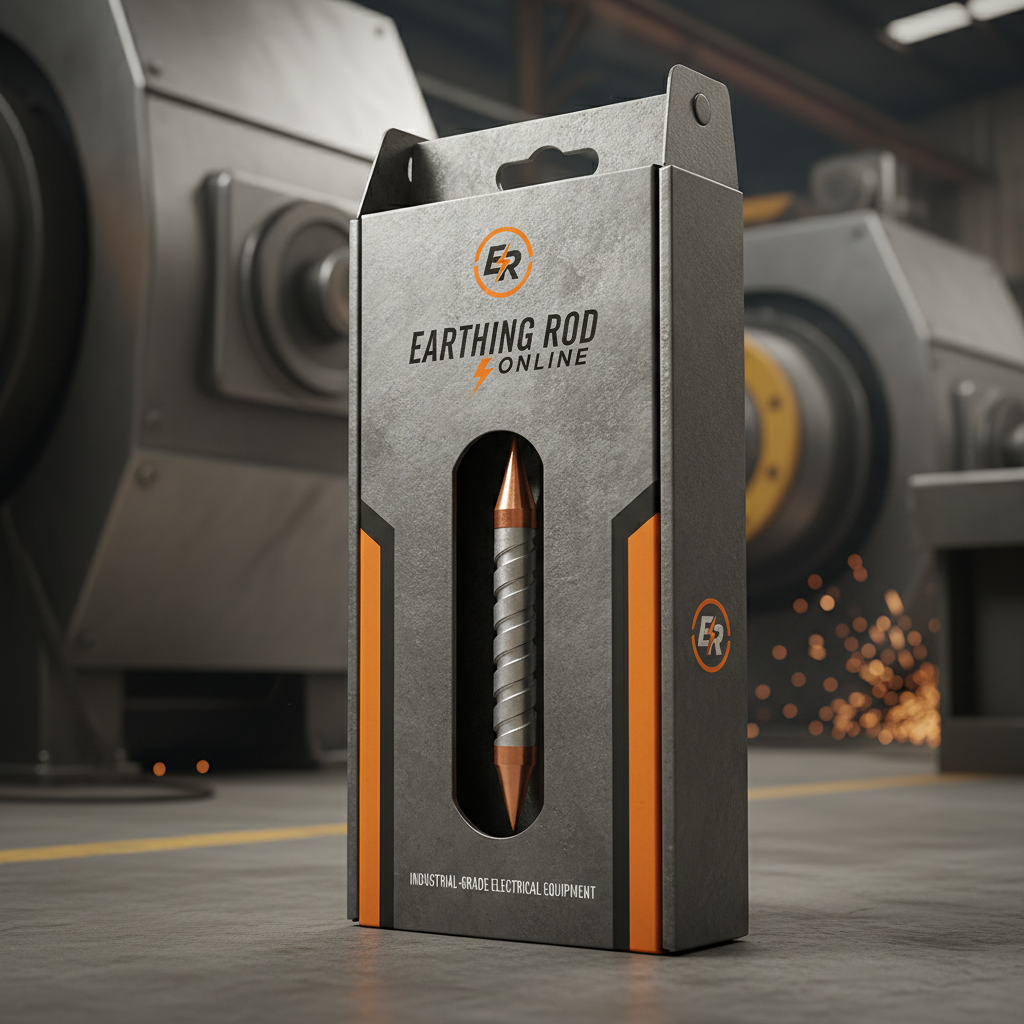
What is an Earthing Rod and Why is it Important?
An earthing rod is a conductive rod, typically made of copper or galvanized steel, driven into the ground to provide a low-resistance path for electrical current. This is vital for safety, as it protects against electric shock by diverting fault currents to the earth. Beyond safety, proper earthing also protects sensitive electronic equipment from damage caused by voltage surges and ensures the reliable operation of electrical systems. Without a proper earthing system, electrical faults can lead to fires, equipment malfunction, and potentially life-threatening situations. Investing in a quality earthing rod is a crucial step in maintaining electrical safety.
Key Benefits: Protects against electric shock, prevents equipment damage, enhances system reliability, and minimizes fire hazards.
Choosing the Right Earthing Rod Online: Factors to Consider
Selecting the appropriate earthing rod depends on several factors, including soil resistivity, the type of electrical system, and the anticipated fault current. Soil resistivity varies depending on location and composition; higher resistivity soils require longer and/or more numerous rods to achieve adequate grounding. The material of the rod is also important: copper offers excellent conductivity but is more expensive, while galvanized steel provides a cost-effective alternative. Rod diameter and length also impact performance – thicker and longer rods offer lower resistance. When purchasing earthing rods online, carefully review the product specifications and ensure they meet your specific requirements.
Key Considerations:
• Soil Resistivity
• Electrical System Type
• Anticipated Fault Current
• Rod Material (Copper vs. Galvanized Steel)
Comparing Earthing Rod Materials: Copper vs. Galvanized Steel
The two most common materials for earthing rods are copper and galvanized steel. Copper offers superior conductivity, meaning it provides a lower resistance path for electrical current. This is particularly beneficial in areas with high soil resistivity. However, copper is significantly more expensive than galvanized steel. Galvanized steel provides a cost-effective alternative, offering adequate conductivity for many applications. While it doesn't conduct as efficiently as copper, its lower cost makes it a practical choice for larger installations or projects with budget constraints. The longevity of both materials is good, but copper is less prone to corrosion.
Why Choose Bilopowtel for Your Earthing Rods?
When sourcing earthing rods online, reliability and quality are paramount. Bilopowtel offers a comprehensive range of earthing rods, manufactured to the highest standards and tested for performance. We provide detailed product specifications, competitive pricing, and fast, reliable shipping. Our experienced team is available to assist you in selecting the correct earthing rod for your specific application. With a commitment to customer satisfaction, Bilopowtel is your trusted partner for all your grounding needs.
Product Specifications and Available Options
Bilopowtel offers a wide selection of earthing rods to meet various needs. Here are some of our key specifications:
Conclusion: Ensuring Safety with Reliable Earthing
Investing in a quality earthing rod from Bilopowtel is a crucial step in safeguarding your electrical systems and protecting personnel. We offer a diverse range of products, expert guidance, and reliable service to ensure you find the perfect solution for your needs. Don’t compromise on safety – choose Bilopowtel for all your grounding requirements.
Frequently Asked Questions (FAQs)
What is the recommended depth for installing an earthing rod?
The recommended depth for installing an earthing rod varies depending on soil conditions and local regulations, but generally, a minimum depth of 2.4 meters (8 feet) is advised. This ensures the rod reaches moist soil, which provides better conductivity. In areas with rocky soil or a high water table, deeper installation may be necessary. Always consult local electrical codes and a qualified electrician to determine the appropriate depth for your specific location. Proper installation is crucial for the earthing rod to function effectively and provide adequate protection.
Can multiple earthing rods be used in a single system?
Yes, using multiple earthing rods connected together can significantly improve the overall grounding system's effectiveness, especially in areas with high soil resistivity. These rods should be spaced at least the length of the rod itself apart. Connecting multiple rods creates a lower total resistance to ground, enhancing safety and performance. This is a common practice in larger electrical installations and is often required by local regulations.
How do I test the effectiveness of my earthing rod?
The effectiveness of an earthing rod can be tested using an earth resistance tester. This device measures the resistance between the earthing rod and a distant earth point. A low resistance reading indicates a good grounding connection. Regular testing, typically annually, is recommended to ensure the earthing system remains effective. If the resistance is high, it may indicate a loose connection, corrosion, or the need for additional earthing rods. Always consult a qualified electrician to perform these tests and interpret the results.
What is the role of a grounding clamp in an earthing system?
A grounding clamp securely connects the earthing rod to the grounding conductor, typically a copper wire. This ensures a reliable and low-resistance electrical connection. The clamp should be made of a compatible material (e.g., copper clamp for a copper rod, bronze clamp for a galvanized steel rod) to prevent corrosion and maintain conductivity. Proper clamping is essential for the entire earthing system to function correctly, as a loose or corroded connection can significantly increase resistance and compromise safety.
Latest news
Precision Lifting and Pulling with the Lever Block 0.5 Ton Guide
NewsApr.16,2026
Precision Engineering Guide for High Performance Jet Lever
NewsApr.16,2026
Ultimate Guide to Choosing the Professional Industrial hoist lever
NewsApr.16,2026
Industrial Hoist Lever Chain Guide for Heavy Lifting and Rigging
NewsApr.16,2026
Industrial Lever Hoist Guide for Efficient Lifting and Pulling
NewsApr.16,2026
Ultimate Guide to Hand Ratchet Lift for Heavy Industrial Lifting
NewsApr.16,2026
- CONTACT
- ADDRESS: 188, Fengshou Road, Shijiazhuang. China
- EMAlL: info@bilopowtel.com
- PHONE: 0086-311-88862036
- WHATSAPP: 0086-152-26563165


