



Mar . 04, 2026 01:45 Back to list
Essential Guide to Portable Grounding Rods for Electrical Safety
Understanding the Importance of a Portable Grounding Rod
In the realm of electrical safety, particularly for those working with potentially hazardous systems, a portable grounding rod is an indispensable tool. It offers a quick and reliable method for establishing a safe electrical path to ground, mitigating the risk of electric shock and equipment damage. This article dives deep into the uses, benefits, and selection criteria for portable grounding rods, offering insights for professionals and safety-conscious individuals. Ensuring proper grounding is crucial for protecting personnel and maintaining the integrity of electrical systems. BiloPowtel provides robust and reliable solutions for all your grounding needs.
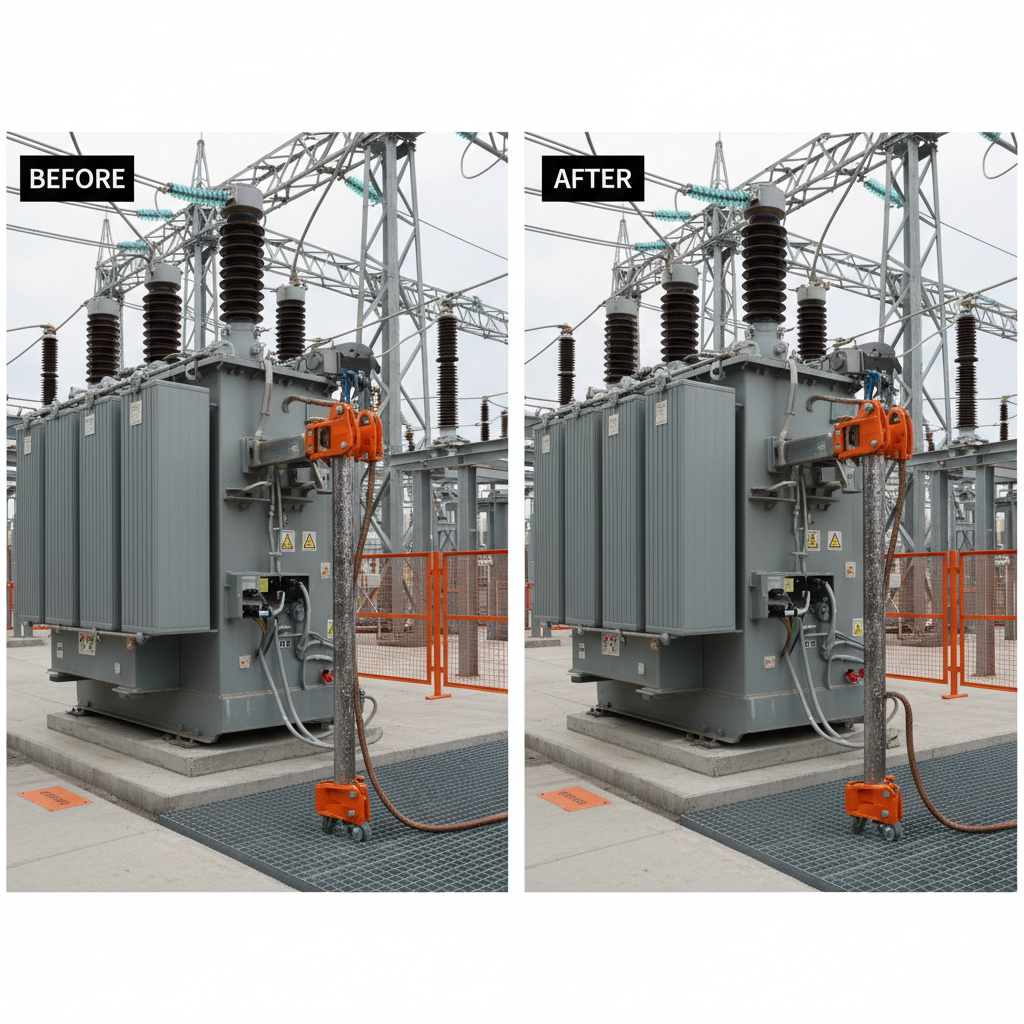
Why Use a Portable Grounding Rod?
Portable grounding rods are vital in situations where a permanent grounding system isn't readily available or is insufficient. This includes electrical maintenance work, field repairs, testing of electrical equipment, and emergency response situations. They quickly create a low-resistance path to earth, diverting potentially dangerous electrical currents away from personnel and sensitive equipment. Without adequate grounding, a fault current can energize conductive surfaces, posing a serious shock hazard. Utilizing a portable grounding rod provides an immediate and effective safety measure.
Key Benefits: Quick deployment, enhanced safety, prevents equipment damage, essential for field work, and complies with safety regulations.
Choosing the Right Portable Grounding Rod
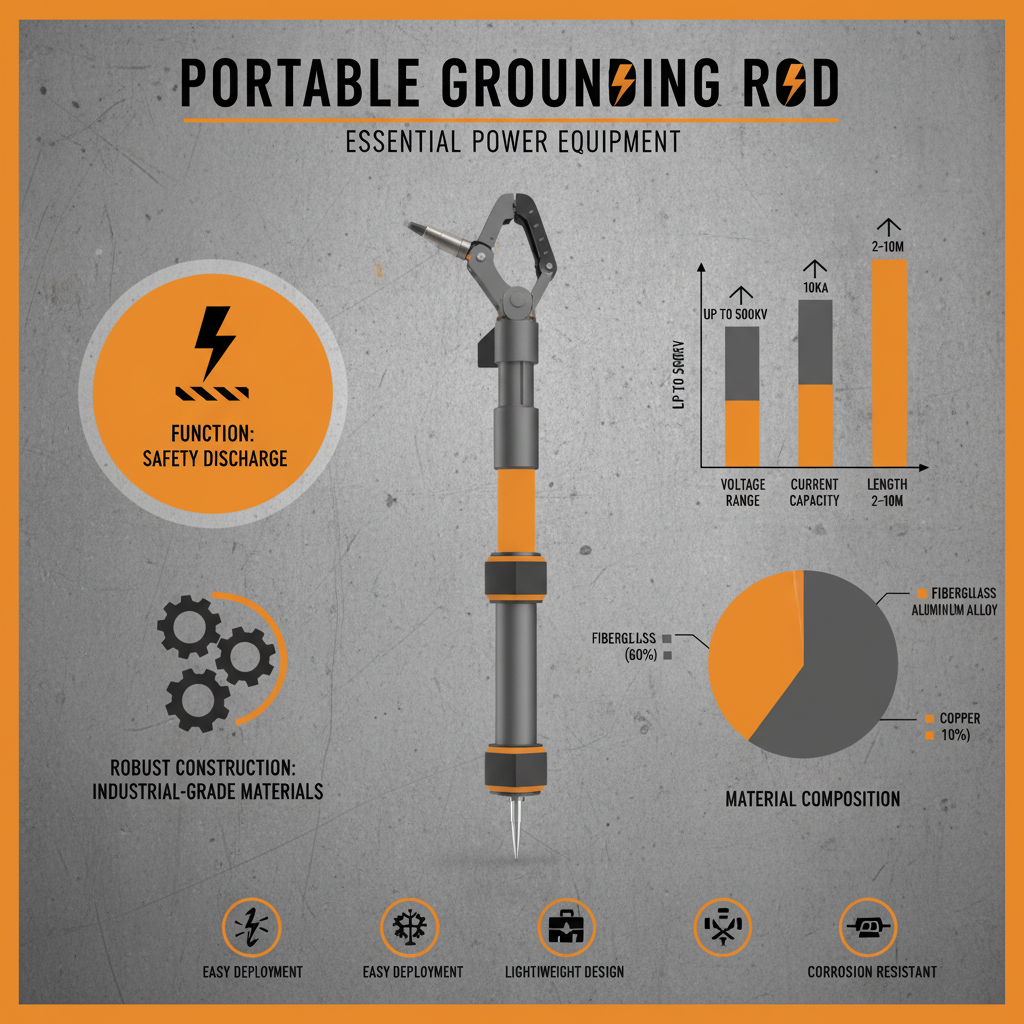
Selecting the appropriate grounding rod depends on several factors, including the soil conditions, the anticipated fault current, and the specific application. Rod material (copper, steel, or a combination), length, and diameter are all critical considerations. For example, rocky or sandy soil requires a longer rod to reach sufficient earth contact. Higher fault currents necessitate a larger diameter rod to handle the increased current flow. BiloPowtel's expertise ensures we offer rods tailored to a wide range of environments and applications.
Key Considerations:
• Soil type and resistivity
• Anticipated fault current
• Rod material (copper, steel)
• Rod length and diameter
Comparing Grounding Rod Materials: Copper vs. Steel
Grounding rods are commonly made from copper, steel, or a combination of both. Copper offers superior conductivity, reducing grounding resistance, but it is more expensive. Steel is more affordable but has higher resistance, particularly in corrosive soils. Ground rods with a steel core and a copper outer layer provide a good balance of cost and performance. The longevity of the rod is also a factor; copper is more resistant to corrosion than steel, resulting in a longer service life. BiloPowtel offers both copper and steel options to suit varying needs and budgets.
Applications of Portable Grounding Rods
Portable grounding rods find application across numerous industries. Electricians utilize them during electrical panel maintenance and repair. HVAC technicians rely on them when servicing air conditioning units. Telecommunications professionals use them for grounding antenna systems. Mining operations employ them for grounding equipment in potentially explosive environments. Emergency responders use them to ground electrical systems during disaster relief efforts. Regardless of the application, a reliable portable grounding rod is paramount for ensuring safety.
BiloPowtel: Your Trusted Source for Grounding Solutions
At BiloPowtel, we are committed to providing high-quality, reliable grounding solutions. Our portable grounding rods are manufactured to the highest standards, ensuring optimal performance and safety. We offer a wide range of rods to suit diverse applications and budgets. Our knowledgeable team is available to assist you in selecting the right rod for your specific needs. Contact us today to learn more about our products and services.
Conclusion: Prioritizing Safety with Reliable Grounding
A portable grounding rod isn’t just a tool; it's a vital component of a comprehensive safety program. By investing in quality grounding equipment from a trusted provider like BiloPowtel, you’re safeguarding personnel, protecting valuable equipment, and ensuring compliance with industry regulations.
Frequently Asked Questions (FAQs)
How do I test if a grounding rod is effective?
The effectiveness of a grounding rod can be tested using a ground resistance tester. This device measures the resistance between the grounding rod and a distant ground point. A low resistance reading indicates a good ground connection, typically less than 5 ohms. Higher resistance readings may indicate poor soil contact or a faulty grounding rod. Regularly testing your grounding rods is crucial for ensuring their continued effectiveness. It's important to follow the manufacturer’s instructions for using the testing equipment and interpreting the results.
What is the proper depth for installing a grounding rod?
The recommended depth for installing a grounding rod varies depending on soil conditions and local regulations, but generally, at least 8 feet (2.4 meters) is recommended. In dry or rocky soil, a deeper installation may be necessary to reach moisture and ensure a good connection. It's crucial to drive the rod vertically into the ground and to ensure that the top of the rod is at least 6 inches (15 cm) below ground level to prevent accidental damage.
Can a grounding rod corrode over time?
Yes, grounding rods can corrode over time, particularly those made from steel. Corrosion increases the grounding resistance and reduces the effectiveness of the rod. Copper-clad steel rods offer better corrosion resistance, but even these can degrade over time. Regular inspection of grounding rods is essential to identify any signs of corrosion. If corrosion is present, the rod should be replaced to maintain a reliable ground connection. BiloPowtel provides corrosion-resistant grounding solutions to ensure long-lasting performance.
Latest news
Precision Lifting and Pulling with the Lever Block 0.5 Ton Guide
NewsApr.16,2026
Precision Engineering Guide for High Performance Jet Lever
NewsApr.16,2026
Ultimate Guide to Choosing the Professional Industrial hoist lever
NewsApr.16,2026
Industrial Hoist Lever Chain Guide for Heavy Lifting and Rigging
NewsApr.16,2026
Industrial Lever Hoist Guide for Efficient Lifting and Pulling
NewsApr.16,2026
Ultimate Guide to Hand Ratchet Lift for Heavy Industrial Lifting
NewsApr.16,2026
- CONTACT
- ADDRESS: 188, Fengshou Road, Shijiazhuang. China
- EMAlL: info@bilopowtel.com
- PHONE: 0086-311-88862036
- WHATSAPP: 0086-152-26563165


