



Mar . 07, 2026 01:45 Back to list
Comprehensive Guide to Selecting and Installing Bonding Ground Rods
Understanding and Selecting the Right Bonding Ground Rods
Bonding ground rods are crucial components in electrical grounding systems, ensuring safety and protecting infrastructure from electrical surges. Choosing the right ground rod is vital for effective grounding, and this article will provide a comprehensive guide, covering types, installation, materials, and key considerations for optimal performance. Whether you're a contractor, engineer, or homeowner, understanding these aspects will help you make informed decisions. You can explore a wide range of grounding solutions, including ground rods and grounding accessories at Bilopowtel.com.
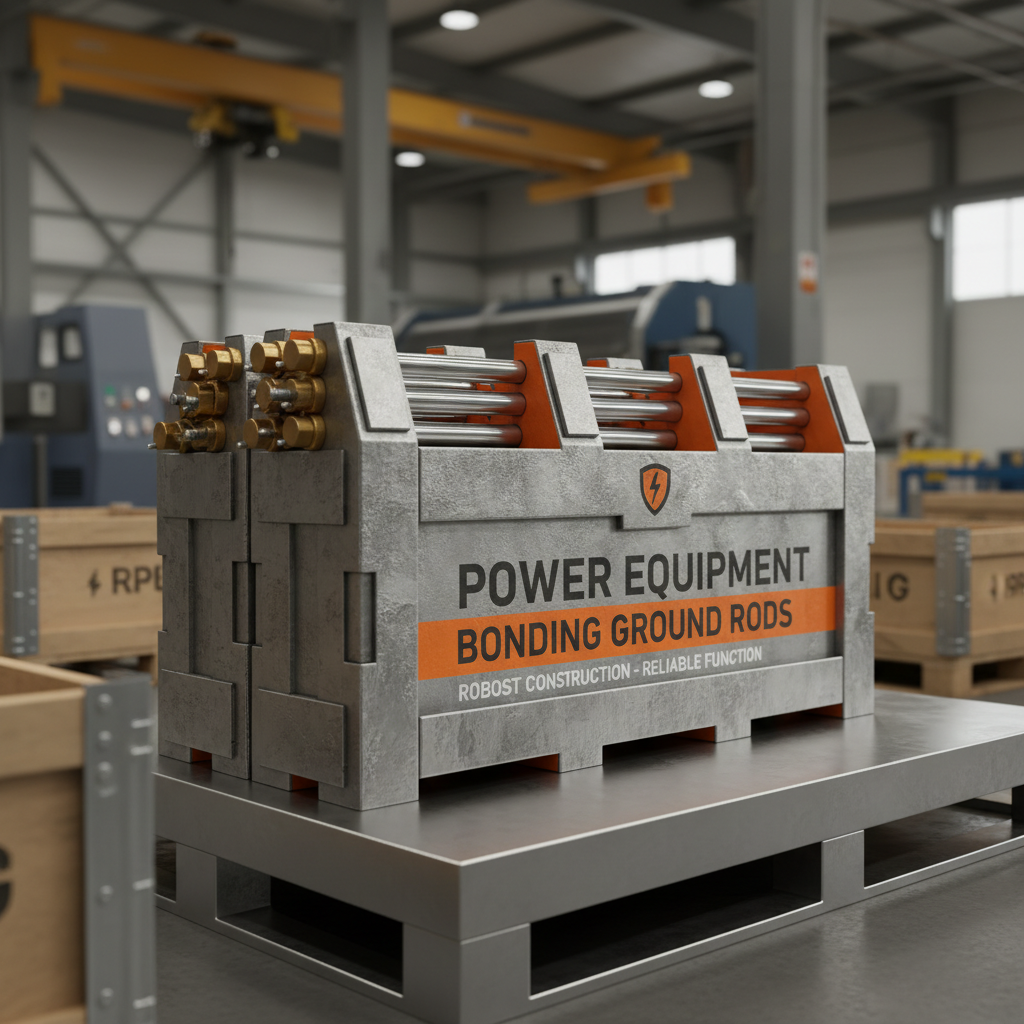
Types of Bonding Ground Rods
There are several types of bonding ground rods available, each with its own advantages and applications. Copper-clad steel ground rods are the most common, offering a balance of conductivity and durability. Solid copper ground rods provide the best conductivity but are generally more expensive. Galvanized steel ground rods are a cost-effective option, but they have lower conductivity and are more susceptible to corrosion. Stainless steel ground rods offer excellent corrosion resistance but are also pricier. The choice depends on the soil conditions, budget, and specific grounding requirements.
Key Considerations: Soil resistivity, budget, desired lifespan, and local regulations all influence the selection of the appropriate ground rod type.
Understanding Soil Resistivity and Ground Rod Length
Soil resistivity is a critical factor in determining the required length of a bonding ground rod. Higher resistivity soils require longer rods to achieve the same level of grounding. Soil resistivity is measured in ohm-meters, and the National Electrical Code (NEC) provides guidelines for acceptable ground resistance values. Generally, a lower ground resistance value is desired for optimal safety. Consider performing a soil test to accurately determine the resistivity of your site before selecting ground rod lengths. You can find suitable ground rods for various soil conditions at Bilopowtel's ground rod catalog.
Soil Resistivity Guidelines:
• Low Resistivity (0-5 ohm-meters): Shorter ground rods may suffice.
• Moderate Resistivity (5-20 ohm-meters): Standard length ground rods are typically appropriate.
• High Resistivity (20+ ohm-meters): Longer ground rods or multiple rods may be required.
Copper-Clad Steel Ground Rods: A Detailed Comparison
Copper-clad steel ground rods are a popular choice due to their excellent combination of properties. The steel core provides strength and durability, while the copper cladding offers excellent conductivity. Different cladding thicknesses are available, with thicker cladding providing better corrosion resistance and conductivity. These rods are suitable for a wide range of soil conditions and applications. For detailed specifications and sizes, explore the Bilopowtel's copper-clad steel ground rod selection.
Proper Installation Techniques for Bonding Ground Rods
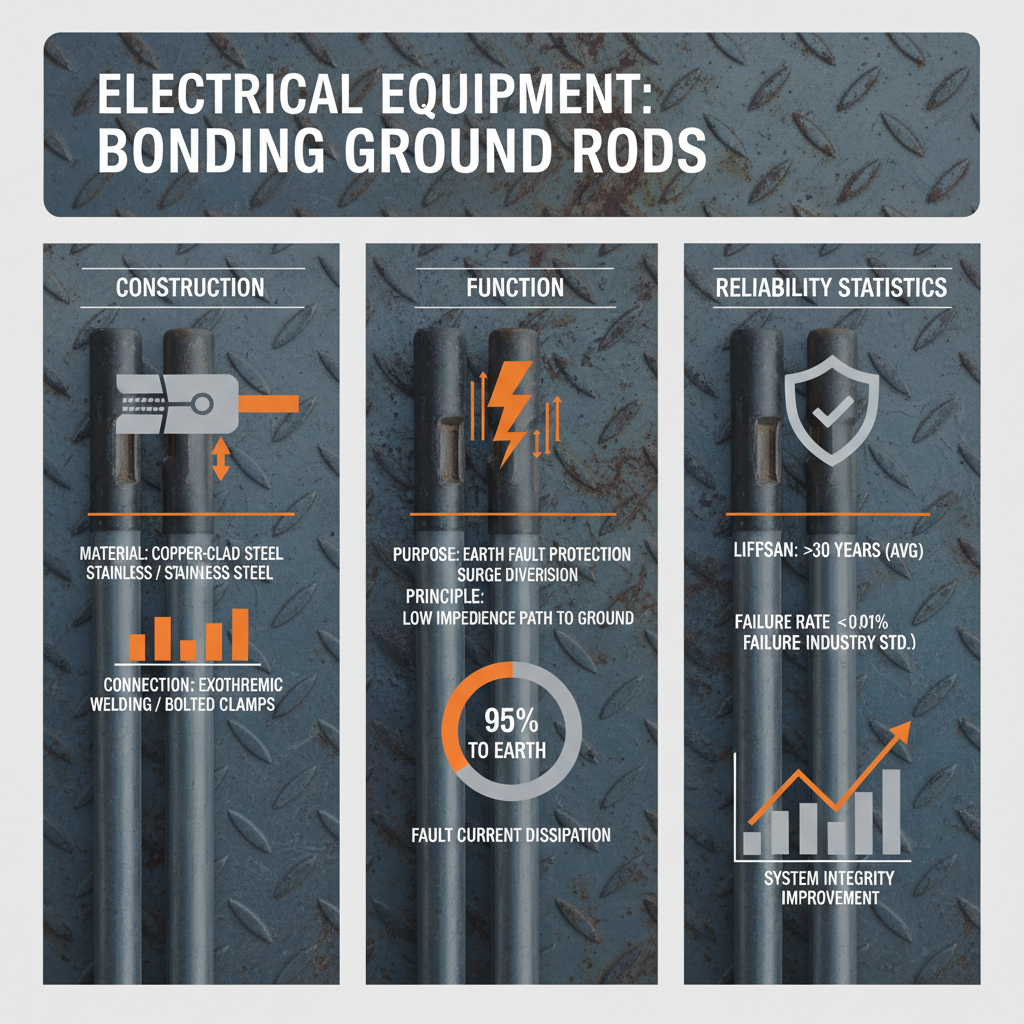
Correct installation is paramount for ensuring the effectiveness of bonding ground rods. Ground rods should be driven into the earth vertically to their full depth. Avoid driving them into rocky or dry soil, as this can impede conductivity. If encountering obstructions, consider using a ground rod driver or exploring alternative grounding methods. Connect the ground wire securely to the ground rod using an approved ground clamp. Proper connections are vital to prevent corrosion and maintain low resistance. Regularly inspect the connections and ground rod for signs of damage or corrosion.
Regulations and Standards for Grounding Systems
Grounding systems are subject to strict regulations and standards, such as the National Electrical Code (NEC) in the United States. These codes specify requirements for ground rod size, depth, spacing, and connection methods. Compliance with these standards is crucial for ensuring safety and avoiding potential hazards. Always consult with a qualified electrician or engineer to ensure your grounding system meets all applicable regulations. Bilopowtel.com provides resources and products that help meet these standards.
Conclusion: Investing in Reliable Grounding Solutions
Effective grounding is an essential component of any electrical system, safeguarding personnel and equipment from electrical hazards. Selecting the right bonding ground rods and ensuring proper installation are critical steps in achieving a safe and reliable grounding system. Explore the comprehensive range of grounding solutions at Bilopowtel.com and prioritize safety today.
Frequently Asked Questions (FAQs)
How deep should a bonding ground rod be driven?
The NEC generally requires ground rods to be driven at least 8 feet into the ground. However, this can vary depending on local regulations and soil conditions. In areas with rocky soil, it may be necessary to drive the rod as deep as possible. The goal is to reach consistently moist soil to ensure good conductivity. It’s best to consult local electrical codes and a qualified electrician to determine the appropriate depth for your specific location. Proper depth ensures a low-resistance ground connection, vital for safety.
What is the purpose of a bonding ground rod?
A bonding ground rod provides a low-resistance path to the earth for electrical currents. Its primary purpose is to protect people and equipment from electrical shock and damage during fault conditions. By creating a safe path for fault currents, it helps to prevent voltage buildup on metal surfaces and reduces the risk of fires. Proper bonding is essential for ensuring the safety and reliability of electrical systems.
Can multiple ground rods be used to improve grounding?
Yes, using multiple ground rods can significantly improve grounding effectiveness, especially in areas with high soil resistivity. The NEC allows for the use of multiple ground rods, typically spaced at least 6 feet apart. Connecting multiple ground rods together with a bonding conductor creates a larger grounding network, reducing overall resistance and enhancing safety.
How often should ground rods be inspected?
Ground rods should be visually inspected at least annually, and more frequently in corrosive environments. Look for signs of corrosion, damage, or loose connections. Test the ground resistance periodically to ensure it remains within acceptable limits. Regular inspection and maintenance are crucial for maintaining the effectiveness of the grounding system and ensuring long-term safety.
Latest news
Precision Lifting and Pulling with the Lever Block 0.5 Ton Guide
NewsApr.16,2026
Precision Engineering Guide for High Performance Jet Lever
NewsApr.16,2026
Ultimate Guide to Choosing the Professional Industrial hoist lever
NewsApr.16,2026
Industrial Hoist Lever Chain Guide for Heavy Lifting and Rigging
NewsApr.16,2026
Industrial Lever Hoist Guide for Efficient Lifting and Pulling
NewsApr.16,2026
Ultimate Guide to Hand Ratchet Lift for Heavy Industrial Lifting
NewsApr.16,2026
- CONTACT
- ADDRESS: 188, Fengshou Road, Shijiazhuang. China
- EMAlL: info@bilopowtel.com
- PHONE: 0086-311-88862036
- WHATSAPP: 0086-152-26563165


