



Mar . 19, 2026 01:45 Back to list
Comprehensive Guide to Grounding Sticks for Electricity Safety and Application
Understanding Grounding Sticks for Electricity: A Comprehensive Guide
Ensuring electrical safety is paramount in any workplace or home setting dealing with electrical systems. A crucial tool for achieving this is the grounding stick for electricity. These sticks are designed to safely discharge static electricity and provide a vital safety measure during electrical maintenance and repair. This article delves into the purpose, types, proper use, and importance of grounding sticks, helping you understand how to effectively protect yourself and others from electrical hazards. Understanding how to properly use a grounding stick can prevent serious injury or even death. We’ll explore the key features to look for and best practices for implementation.
What is a Grounding Stick and Why is it Important?
A grounding stick for electricity is a non-conductive rod or stick, typically made from fiberglass or other insulating materials, used to create a safe path to ground for electrical currents. Its primary function is to dissipate static electricity buildup or to ground electrical equipment before maintenance or repairs are performed. This prevents the risk of electrical shock, arc flash, and potential equipment damage. Without proper grounding, residual voltage can remain in equipment even after it has been de-energized, posing a significant safety hazard. The importance of a grounding stick cannot be overstated – it's a critical component of any electrical safety program.
Key Highlights: Grounding sticks are essential for safely discharging static electricity and grounding electrical equipment before maintenance, preventing electrical shock and arc flash.
Types of Grounding Sticks for Electricity
Grounding sticks come in various designs, each suited for specific applications. Common types include:
- Standard Grounding Sticks: These are basic, non-adjustable sticks used for general grounding purposes.
- Adjustable Grounding Sticks: These sticks have telescopic sections, allowing you to adjust the length to reach grounding points effectively.
- Hot Sticks: Designed for working with energized lines from a safe distance, these are longer and more robust.
- Portable Grounding Kits: These kits include a grounding stick along with clamps and cables for more comprehensive grounding solutions.
The choice of grounding stick depends on the voltage level, the work environment, and the specific task being performed. Choosing the correct type is critical for ensuring safety and effectiveness. BiloPowtel offers a range of grounding sticks to suit diverse needs.
Grounding Stick Selection Factors:
• Voltage Level: Choose a stick rated for the voltage of the system.
• Work Environment: Consider the space and accessibility of grounding points.
• Task Specifics: Select a stick suitable for the specific maintenance or repair being performed.
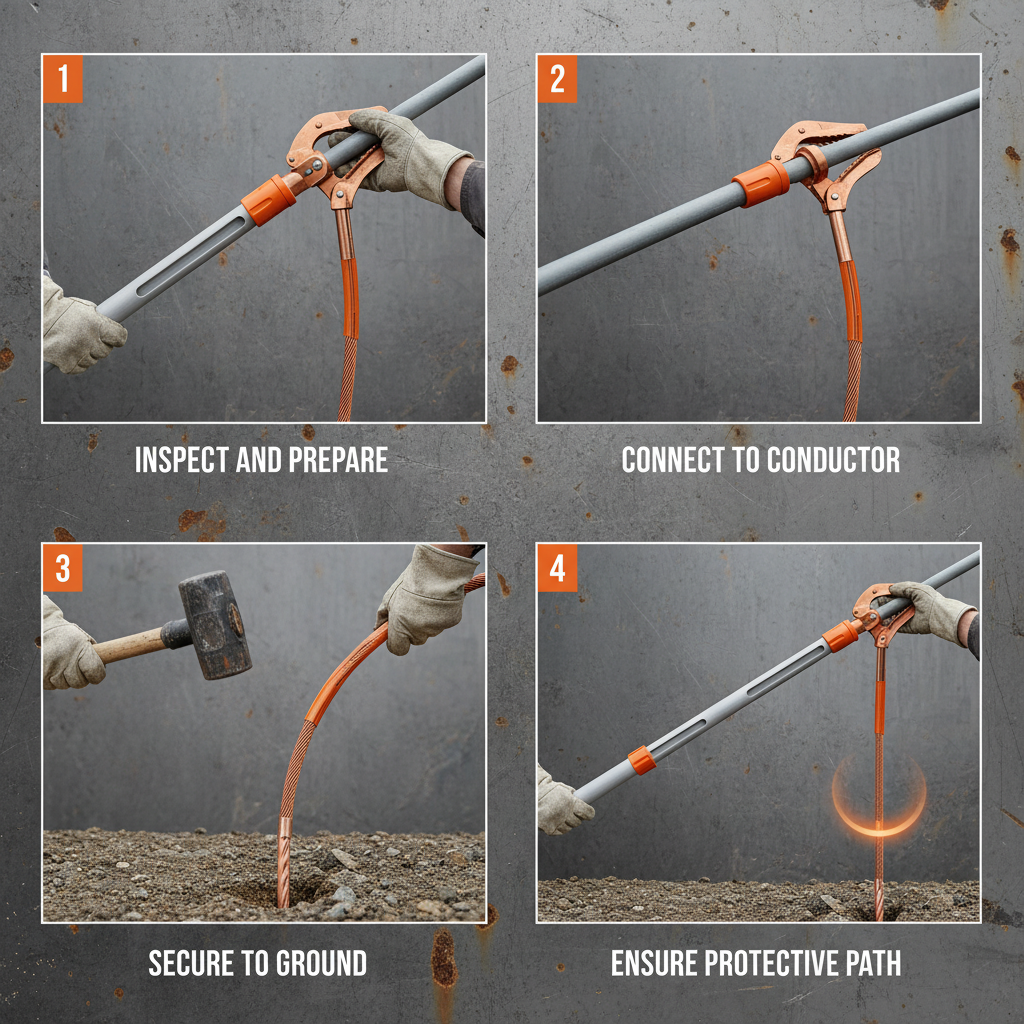
Proper Use of a Grounding Stick: A Step-by-Step Guide
Using a grounding stick correctly is vital for ensuring your safety. Follow these steps:
- Inspect the Stick: Before each use, thoroughly inspect the grounding stick for any cracks, damage, or contamination. A damaged stick should never be used.
- Connect the Clamp: Attach a grounding clamp to the grounding stick. Ensure the clamp is securely fastened.
- Establish Ground Connection: Connect the clamp to a known and reliable grounding point, such as a ground rod or a metal object connected to the earth.
- Apply to Equipment: Carefully touch the grounding stick to the equipment you intend to ground.
- Verify Ground: Use a voltage tester to confirm that the equipment is properly grounded before beginning any work.
Always follow your company's safety procedures and consult with a qualified electrician if you are unsure about any aspect of the grounding process.
Grounding Stick Specifications: Comparing Materials and Features
Here's a comparison of common grounding stick materials and key specifications:
Maintaining Your Grounding Stick
Proper maintenance extends the life and reliability of your grounding stick. Here are some key practices:
- Regular Cleaning: Clean the stick after each use to remove dirt, grease, and other contaminants.
- Storage: Store the stick in a dry, clean environment away from direct sunlight and extreme temperatures.
- Periodic Inspection: Conduct regular inspections for any signs of damage or wear.
- Replace as Needed: Replace the grounding stick if it becomes damaged or compromised.
Following these guidelines ensures your grounding stick remains a reliable safety tool for years to come. BiloPowtel provides high-quality grounding sticks designed for long-lasting performance.
Conclusion: Prioritizing Safety with Grounding Sticks
Investing in a high-quality grounding stick for electricity is a crucial step in ensuring electrical safety. Understanding the types, proper use, and maintenance of these tools can significantly reduce the risk of electrical hazards. Don't compromise on safety – choose a reliable grounding stick and prioritize safe work practices.
Frequently Asked Questions (FAQs)
What voltage levels can a typical grounding stick handle?
The voltage rating of a grounding stick varies depending on its construction and materials. Generally, grounding sticks are rated for use on systems up to 69kV, but some specialized sticks can handle even higher voltages. It's crucial to check the manufacturer's specifications and ensure the stick is rated for the specific voltage of the equipment you are working with. Using a grounding stick with an insufficient voltage rating can be extremely dangerous. Always prioritize safety by selecting the appropriate tool for the job.
How often should I replace my grounding stick?
The recommended replacement frequency for a grounding stick depends on its usage and environmental conditions. Generally, it’s advised to replace a grounding stick every 5 years, even if it shows no visible signs of damage. However, if the stick is exposed to harsh chemicals, UV radiation, or frequent mechanical stress, it should be replaced more often. Regular inspections for cracks, wear, or deterioration are essential. If any damage is detected, the stick should be replaced immediately.
Can a grounding stick be used on energized lines?
Generally, standard grounding sticks are not designed for direct use on energized lines. However, there are specialized tools called "hot sticks" that are specifically engineered for working with energized conductors from a safe distance. Hot sticks have longer reach and enhanced insulation properties to protect workers from electrical shock. Using a standard grounding stick on energized lines is extremely dangerous and should never be attempted. Always consult with a qualified electrician and use the appropriate tools for the job.
What safety precautions should I take when using a grounding stick?
Always wear appropriate personal protective equipment (PPE), including safety glasses, gloves, and arc-rated clothing, when working with electrical systems and using a grounding stick. Ensure the work area is clear of obstructions and that you have a clear escape route. Never work alone, and always follow established safety procedures. Before applying the grounding stick, verify that the equipment is de-energized and locked out/tagged out according to safety regulations. Regular training and adherence to safety protocols are crucial for preventing electrical accidents.
Latest news
Precision Lifting and Pulling with the Lever Block 0.5 Ton Guide
NewsApr.16,2026
Precision Engineering Guide for High Performance Jet Lever
NewsApr.16,2026
Ultimate Guide to Choosing the Professional Industrial hoist lever
NewsApr.16,2026
Industrial Hoist Lever Chain Guide for Heavy Lifting and Rigging
NewsApr.16,2026
Industrial Lever Hoist Guide for Efficient Lifting and Pulling
NewsApr.16,2026
Ultimate Guide to Hand Ratchet Lift for Heavy Industrial Lifting
NewsApr.16,2026
- CONTACT
- ADDRESS: 188, Fengshou Road, Shijiazhuang. China
- EMAlL: info@bilopowtel.com
- PHONE: 0086-311-88862036
- WHATSAPP: 0086-152-26563165


