



Mar . 08, 2026 01:45 Back to list
Comprehensive Guide to Discharge Earthing Rods for Safety and Industrial Applications
Understanding and Utilizing Discharge Earthing Rods
In the realm of electrical safety, proper earthing is paramount. A crucial component of any robust earthing system is the discharge earthing rod. These rods are designed to safely dissipate fault currents into the earth, protecting personnel and equipment from hazardous voltage levels. This article will provide a comprehensive overview of discharge earthing rods, covering their purpose, types, installation, and importance, particularly within cross-border trade and industrial applications. Effective grounding is not just a safety measure, but often a regulatory requirement for international commerce.
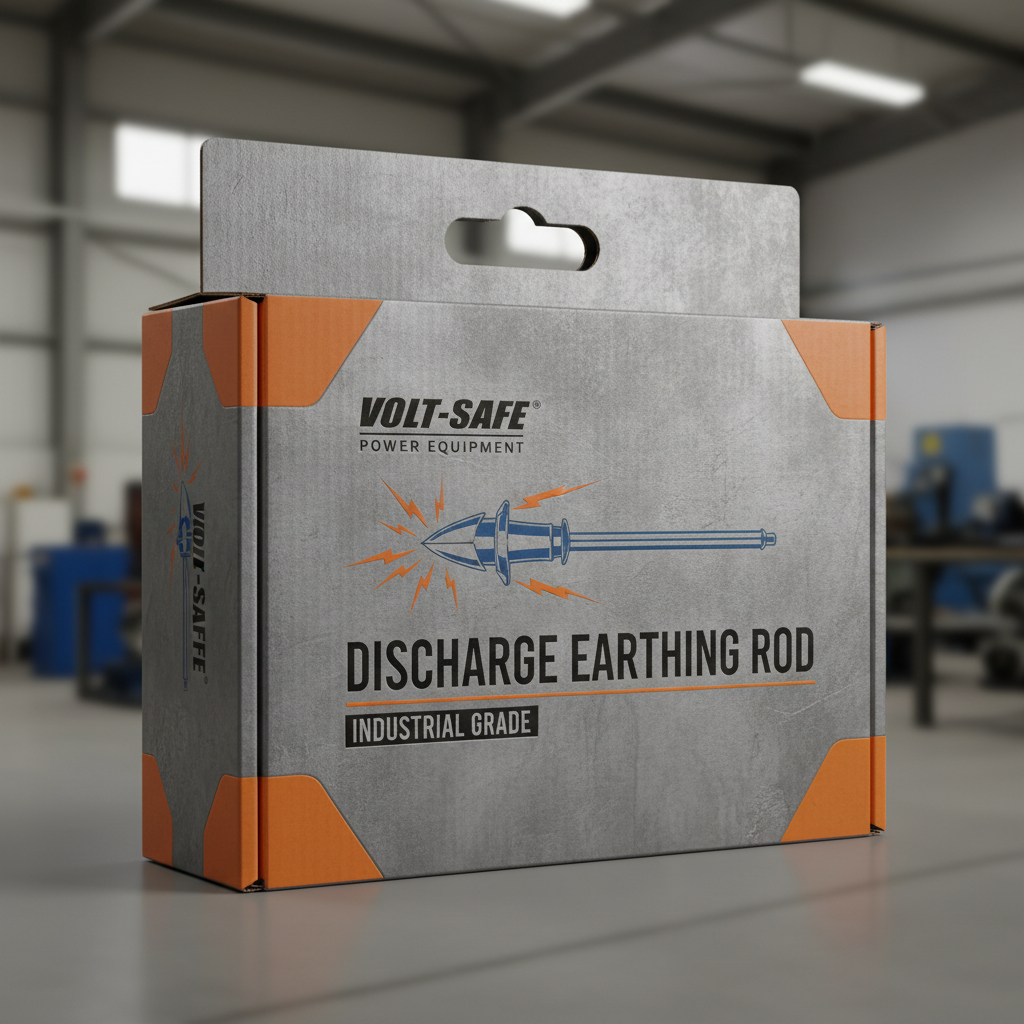
What is a Discharge Earthing Rod?
A discharge earthing rod, also known as a grounding rod, is a conductive staff, typically made of copper, galvanized steel, or stainless steel, that is driven into the earth to provide a low-resistance pathway for electrical currents. Its primary function is to safeguard against electrical shock and prevent damage to electrical systems. When a fault occurs – for example, a live wire comes into contact with a grounded metal casing – the fault current flows through the earthing rod and safely into the ground, tripping a circuit breaker or fuse and isolating the fault. The choice of material and rod dimensions depend on soil conditions, fault current levels, and applicable standards. BiloPowTel offers a range of earthing rods to suit diverse needs.
Key Benefits: Provides a safe path for fault currents, protects personnel and equipment, complies with safety regulations, prevents fire hazards, and ensures system stability.
Types of Discharge Earthing Rods
Different applications require different types of earthing rods. Here’s a breakdown of common options:
Proper Installation of a Discharge Earthing Rod
Effective earthing relies heavily on correct installation. Here are key steps:
- Location: Choose a location with consistently moist soil. Avoid areas with buried utilities.
- Driving Depth: Drive the rod into the ground until only a small portion remains visible. Generally, at least 8 feet (2.4 meters) is recommended.
- Connections: Use approved connectors to securely attach the earthing conductor to the rod.
- Multiple Rods: In areas with high soil resistance, multiple rods should be installed and interconnected.
- Testing: After installation, thoroughly test the earthing resistance to ensure it meets relevant standards.
Discharge Earthing Rods and Cross-Border Trade
When engaging in cross-border trade involving electrical equipment, adherence to international safety standards is crucial. Different countries may have varying earthing regulations. Using certified discharge earthing rods that comply with both the exporting and importing country’s standards ensures seamless customs clearance and safe operation of equipment. BiloPowTel provides earthing solutions that meet a wide range of international standards, facilitating global commerce. Properly grounded systems minimize the risk of damage during shipping and installation, reducing potential warranty claims and ensuring customer satisfaction.
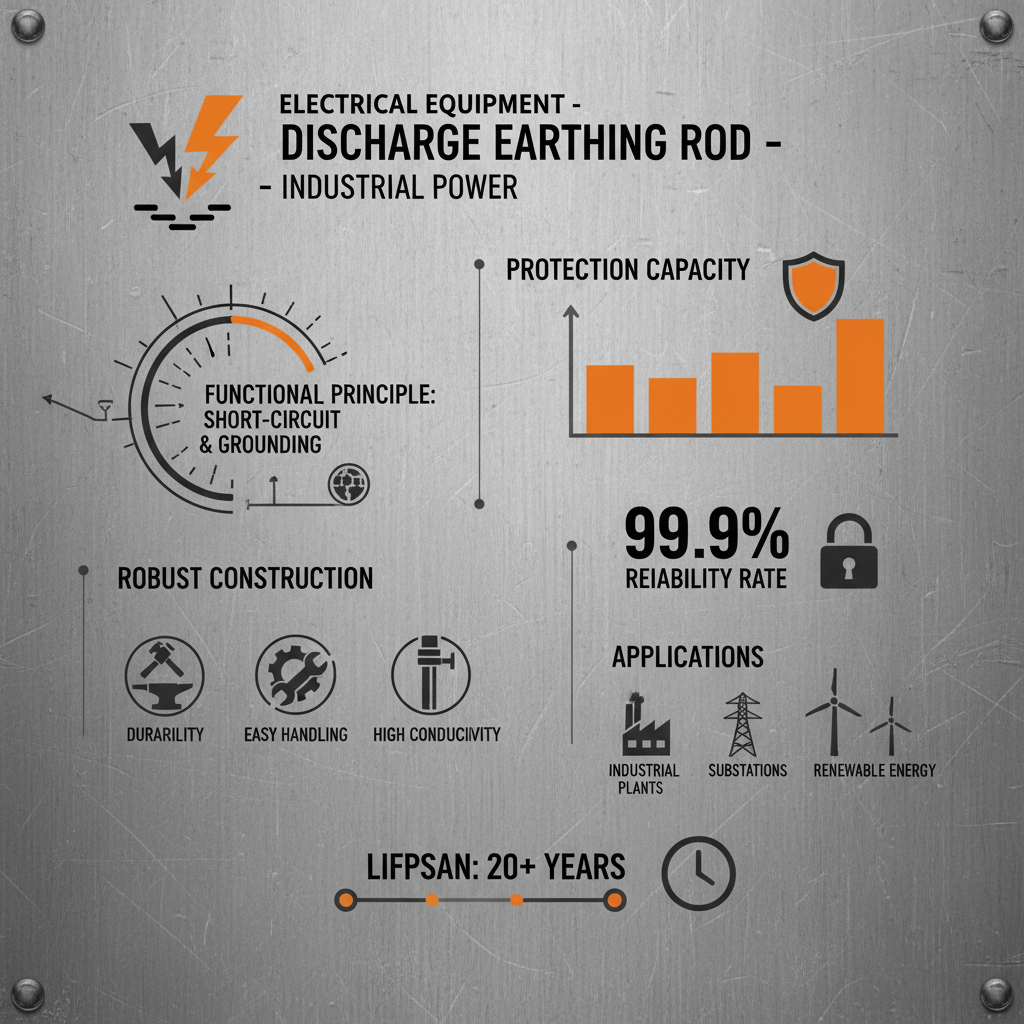
Maintaining Your Earthing System
Regular inspection and maintenance are vital for ensuring the long-term effectiveness of your earthing system. This includes:
- Visual Inspection: Check for corrosion, damage to connectors, and signs of soil disturbance.
- Resistance Testing: Conduct periodic resistance tests to verify the earthing system’s performance.
- Tightening Connections: Ensure all connections are tight and secure.
- Record Keeping: Maintain detailed records of inspections and maintenance activities.
Conclusion: Prioritizing Safety with Reliable Earthing
Investing in high-quality discharge earthing rods and implementing a robust earthing system is not merely a compliance issue, but a fundamental commitment to safety and operational reliability. BiloPowTel provides a comprehensive range of solutions and expertise to meet your specific earthing needs, whether for domestic or international applications. Prioritize safety – choose BiloPowTel for dependable earthing solutions.
Frequently Asked Questions (FAQs)
What is the recommended earthing resistance value?
The acceptable earthing resistance value depends on the voltage level and the applicable standards. Generally, for extra-low voltage (ELV) systems, a resistance of less than 50 ohms is recommended. For higher voltage systems, the resistance must be significantly lower. It's crucial to consult relevant regulations and conduct testing to ensure compliance. Factors like soil resistivity and the size/number of earthing rods influence the achieved resistance. Regular monitoring is vital, as soil conditions can change over time.
How often should earthing systems be inspected?
Earthing systems should be visually inspected at least annually. A comprehensive resistance test should be performed every 1-3 years, depending on the environment and the criticality of the system. After any significant event, such as a lightning strike or a major electrical fault, an immediate inspection and test are necessary. Documenting all inspections and tests is crucial for maintaining a reliable and compliant earthing system.
What are the consequences of a faulty earthing system?
A faulty earthing system can have severe consequences, including electrical shock hazards, damage to equipment, fire risks, and system malfunctions. Without a proper earth path, fault currents can build up on metallic enclosures, creating a dangerous potential difference. This can lead to injury or death, as well as costly equipment damage and downtime. Regular maintenance and testing are crucial to prevent these hazards and ensure a safe operating environment.
Latest news
Precision Lifting and Pulling with the Lever Block 0.5 Ton Guide
NewsApr.16,2026
Precision Engineering Guide for High Performance Jet Lever
NewsApr.16,2026
Ultimate Guide to Choosing the Professional Industrial hoist lever
NewsApr.16,2026
Industrial Hoist Lever Chain Guide for Heavy Lifting and Rigging
NewsApr.16,2026
Industrial Lever Hoist Guide for Efficient Lifting and Pulling
NewsApr.16,2026
Ultimate Guide to Hand Ratchet Lift for Heavy Industrial Lifting
NewsApr.16,2026
- CONTACT
- ADDRESS: 188, Fengshou Road, Shijiazhuang. China
- EMAlL: info@bilopowtel.com
- PHONE: 0086-311-88862036
- WHATSAPP: 0086-152-26563165


