



Mar . 03, 2026 18:05 Back to list
Comprehensive Guide to 10 Ground Rod Installation and Electrical Safety
Understanding the Importance of 10 Ground Rod: A Comprehensive Guide
Grounding is a critical aspect of electrical safety, and the 10 ground rod plays a vital role in ensuring the reliable dissipation of electrical currents into the earth. Whether you're working on a residential project, commercial installation, or industrial application, understanding the purpose, installation, and benefits of a 10-foot ground rod is paramount. At Bilopowtel, we provide high-quality grounding solutions designed to meet the most stringent safety standards. This article will explore everything you need to know about 10 ground rods, from their function to best practices for use. Proper grounding significantly reduces the risk of electrical shock and damage to equipment.
What is a 10 Ground Rod and Why is it Important?
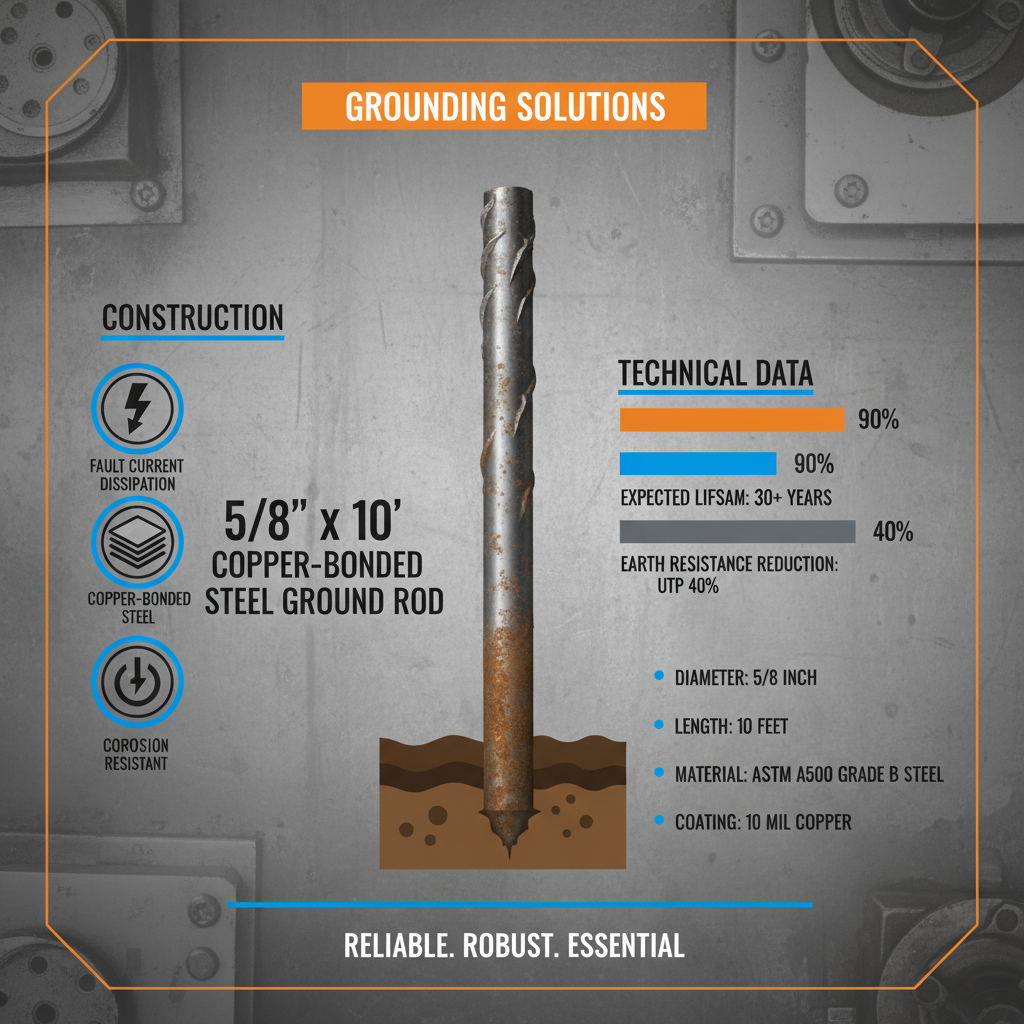
A 10 ground rod is a conductive rod, typically made of copper or copper-clad steel, driven into the earth to provide a low-resistance path for electrical current. This grounding path is essential for protecting both people and equipment from dangerous electrical faults. When a fault occurs, the ground rod diverts the current safely into the ground, preventing electrical shock and minimizing the risk of fire. The length of 10 feet is a common and often necessary depth to reach consistently moist soil, ensuring reliable grounding. It's a foundational element of any effective electrical safety system.
Key Benefit: Provides a low-resistance path for fault currents, protecting people and equipment from electrical hazards.
Applications of 10 Ground Rods
10 ground rods are used in a wide variety of applications, including: residential electrical systems, commercial buildings, industrial facilities, telecommunications towers, lightning protection systems, and renewable energy installations (solar and wind). In residential settings, they safeguard homes from electrical surges. Commercial and industrial facilities rely on them for the protection of sensitive equipment. For telecommunication towers, grounding minimizes interference and prevents damage. Proper grounding is non-negotiable for safe and reliable operation in all these scenarios.
Common Applications:
• Residential electrical systems
• Commercial buildings
• Industrial facilities
• Lightning protection
10 Ground Rod Materials: Copper vs. Copper-Clad Steel
The two most common materials for 10 ground rods are copper and copper-clad steel. Copper offers excellent conductivity and corrosion resistance, but is generally more expensive. Copper-clad steel provides a good balance of conductivity, strength, and cost-effectiveness. The steel core provides structural integrity, while the copper cladding ensures efficient grounding. Choosing the right material depends on soil conditions, budget, and the specific application. Bilopowtel offers both options to meet diverse needs.
Proper Installation Techniques for 10 Ground Rods
Correct installation is critical for ensuring the effectiveness of a 10 ground rod. The rod should be driven vertically into the ground until only a few inches remain exposed. If rocky soil prevents full depth, consider using a ground rod driver or connecting multiple ground rods in parallel. A ground clamp should then securely connect the grounding conductor to the rod. Always consult local electrical codes and regulations for specific requirements. Proper installation practices ensure a reliable and safe grounding system.
Conclusion: Ensuring Safety with Reliable Grounding
Investing in high-quality 10 ground rods and ensuring their proper installation is a fundamental step in protecting lives and property. Bilopowtel is dedicated to providing reliable grounding solutions and expert support. Don't compromise on safety – choose a grounding system you can trust.
Frequently Asked Questions (FAQs)
How deep should a 10-foot ground rod be driven?
While the rod is 10 feet long, it doesn’t necessarily need to be driven in entirely. The goal is to reach consistently moist soil for optimal conductivity. Generally, leaving 6-12 inches exposed is acceptable, but the majority of the rod should be underground. The exact depth may vary depending on local soil conditions and regulations. It's important to ensure the top of the rod is protected from physical damage and corrosion.
Can I use multiple ground rods?
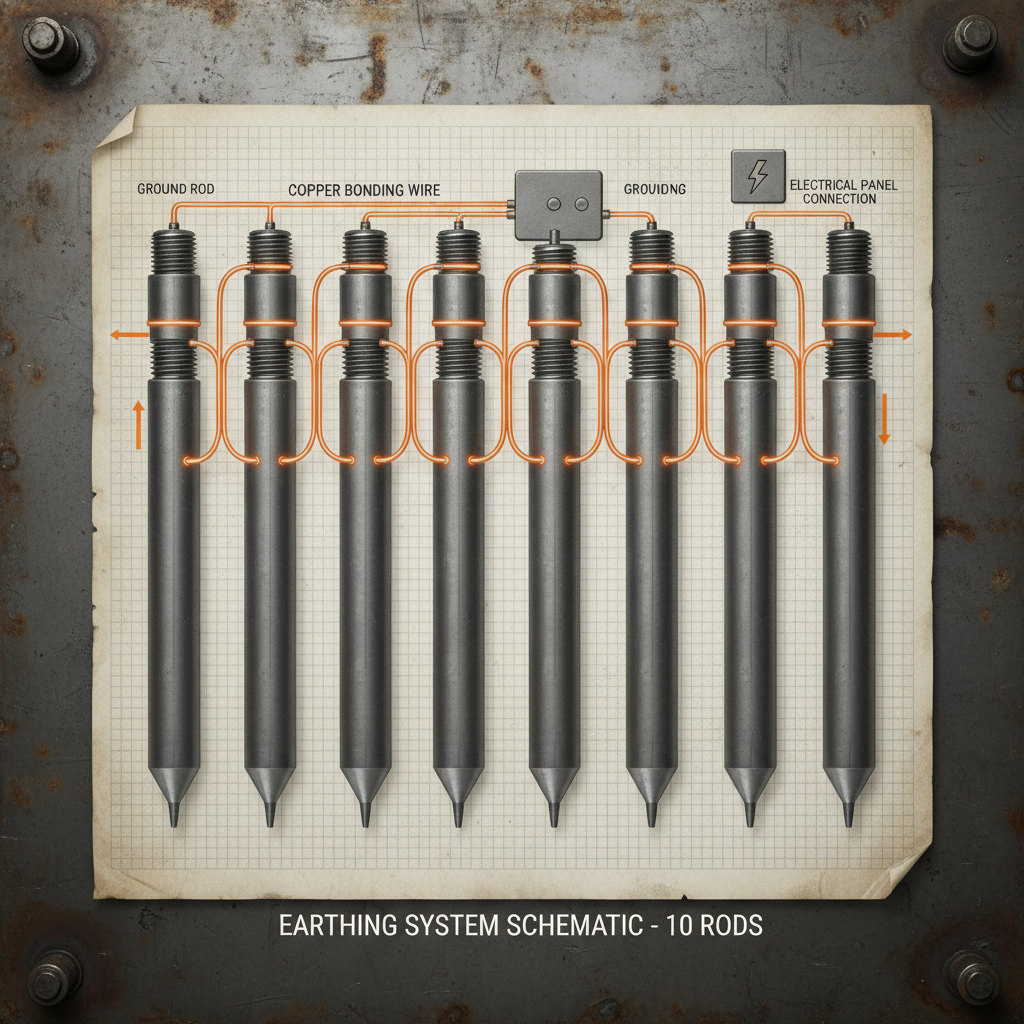
Yes, in many cases, using multiple ground rods is recommended, especially in areas with high soil resistivity or where a single rod may not provide adequate grounding. When using multiple rods, they should be spaced at least the length of the rod apart and connected together with a grounding conductor. This creates a more comprehensive grounding system and improves overall safety.
What is soil resistivity and why is it important?
Soil resistivity is a measure of how easily electricity flows through the soil. High soil resistivity indicates poor conductivity, meaning a ground rod will be less effective. Factors like soil composition (sand, clay, rock), moisture content, and temperature all affect resistivity. If soil resistivity is high, you may need to use multiple ground rods, deeper rods, or chemical ground rods to achieve adequate grounding. Testing soil resistivity is crucial for designing an effective grounding system.
Latest news
Precision Lifting and Pulling with the Lever Block 0.5 Ton Guide
NewsApr.16,2026
Precision Engineering Guide for High Performance Jet Lever
NewsApr.16,2026
Ultimate Guide to Choosing the Professional Industrial hoist lever
NewsApr.16,2026
Industrial Hoist Lever Chain Guide for Heavy Lifting and Rigging
NewsApr.16,2026
Industrial Lever Hoist Guide for Efficient Lifting and Pulling
NewsApr.16,2026
Ultimate Guide to Hand Ratchet Lift for Heavy Industrial Lifting
NewsApr.16,2026
- CONTACT
- ADDRESS: 188, Fengshou Road, Shijiazhuang. China
- EMAlL: info@bilopowtel.com
- PHONE: 0086-311-88862036
- WHATSAPP: 0086-152-26563165


