



Mar . 26, 2026 01:45 Back to list
Understanding the Vital Role of a Short Ground Rod in Electrical Safety
Understanding the Importance of a Short Ground Rod
In the realm of electrical grounding, a short ground rod plays a crucial role in ensuring safety and system reliability. Proper grounding is paramount for protecting equipment, preventing electrical shock, and facilitating the effective dissipation of fault currents. This article will delve into the applications, benefits, selection criteria, and installation best practices for short ground rods, providing valuable insights for professionals and homeowners alike. Effective grounding solutions, like those offered by Bilopowtel, are vital for safeguarding electrical systems and protecting lives.
What is a Short Ground Rod and Why Use One?
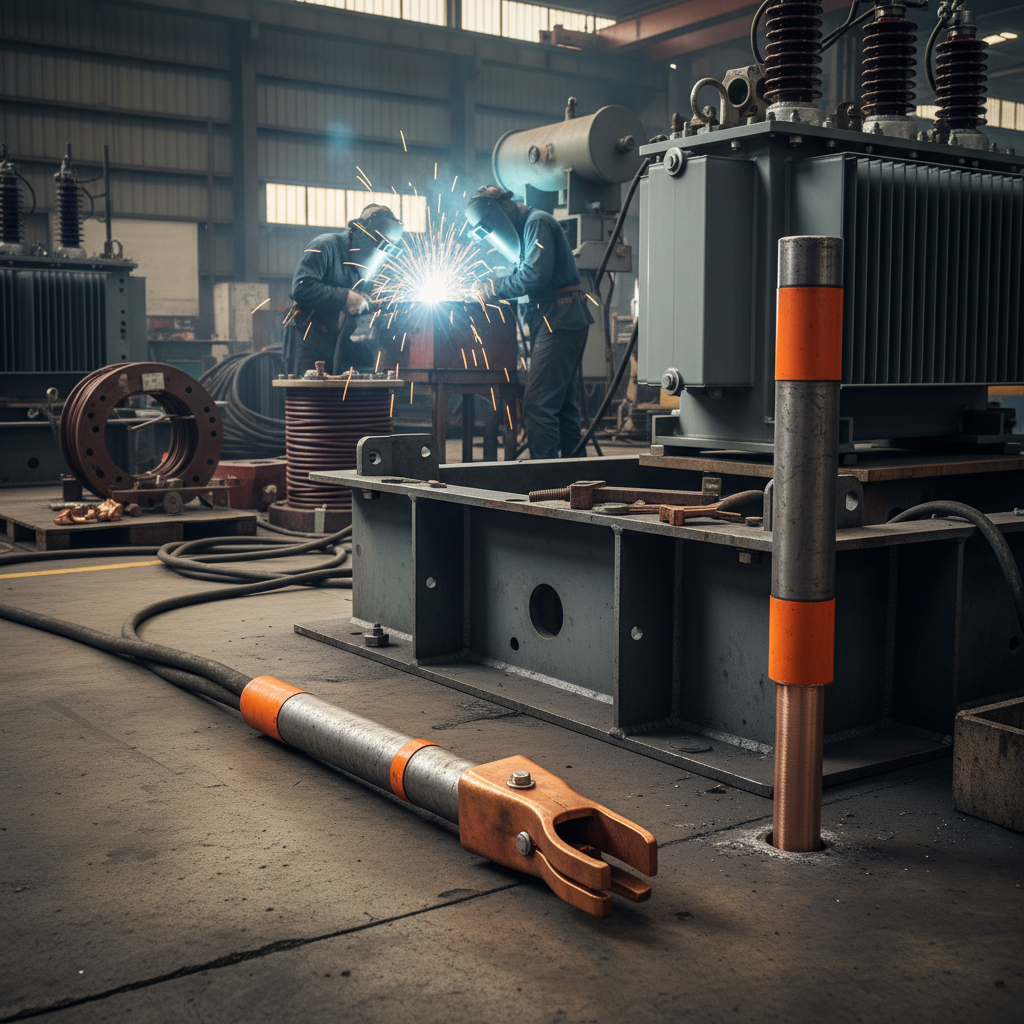
A short ground rod is a conductive rod, typically made of copper-clad steel, driven into the earth to provide a low-resistance pathway for electrical current to flow to the ground. Unlike longer ground rods used in comprehensive grounding systems, short ground rods (typically 4-8 feet in length) are often utilized in specific applications where space is limited, or a supplemental grounding point is needed. They are commonly used for individual equipment grounding, lightning protection systems, and temporary power installations. Using a high-quality ground rod from Bilopowtel ensures excellent conductivity and long-lasting performance.
Key Benefits: Enhanced safety, protection of electrical equipment, prevention of electrical shock, and improved system reliability.
Applications of Short Ground Rods
Short ground rods find application across diverse sectors. In residential settings, they are often used to ground electrical panels, air conditioning units, and satellite dishes. Commercial and industrial facilities employ them for grounding sensitive electronic equipment, machinery, and lighting systems. Temporary power setups, such as those used at construction sites or outdoor events, frequently rely on short ground rods for a safe and reliable grounding connection. The versatility and ease of installation make them a practical choice for a wide range of grounding needs. Bilopowtel’s selection caters to these diverse requirements.
Common Applications:
• Residential Electrical Grounding
• Air Conditioning Unit Grounding
• Temporary Power Installations
• Satellite Dish Grounding
Short Ground Rod Selection: Materials and Specifications
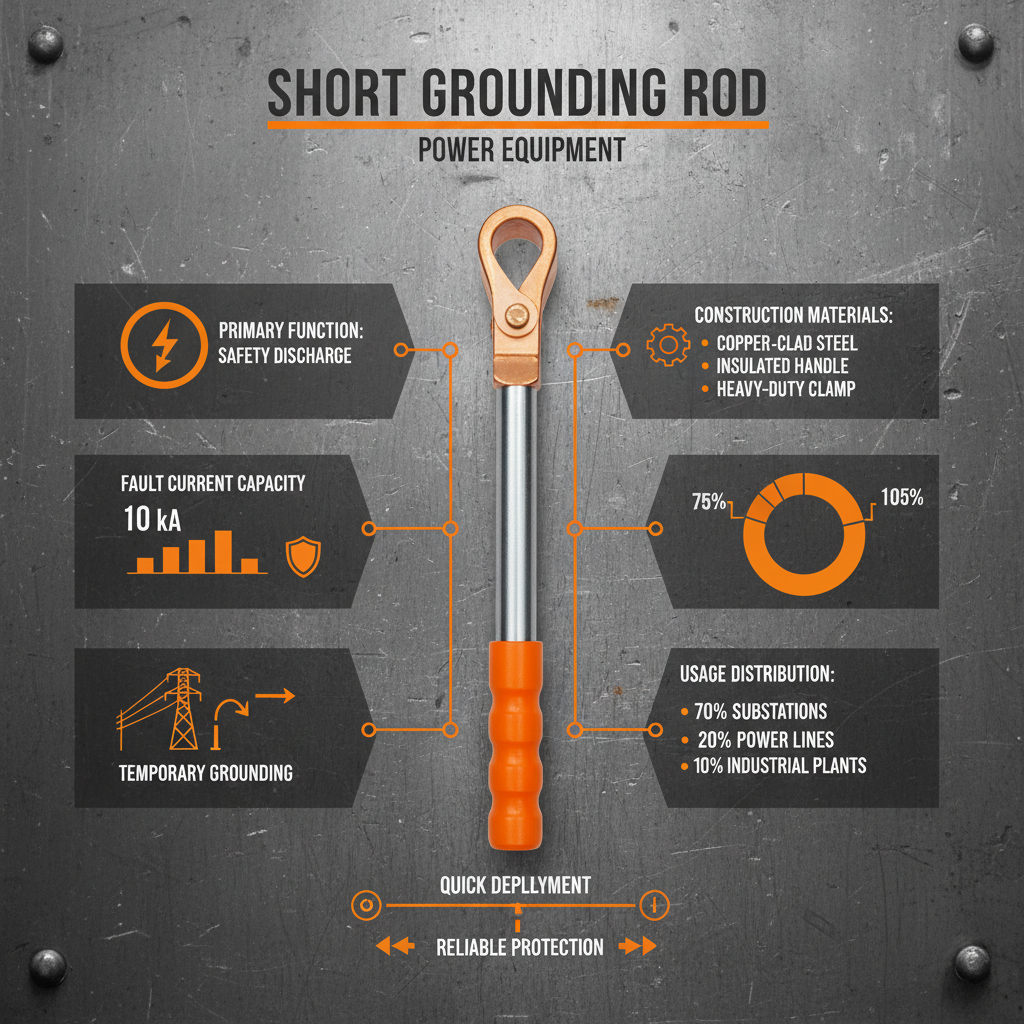
Choosing the right short ground rod requires careful consideration of material, diameter, and length. Copper-clad steel rods are the most common choice, offering a balance of conductivity and corrosion resistance. The copper cladding ensures excellent electrical contact, while the steel core provides strength and durability. Ground rod diameter typically ranges from ½ inch to ¾ inch, with larger diameters providing lower resistance. The appropriate length depends on soil resistivity – lower resistivity soils require shorter rods, while higher resistivity soils necessitate longer rods to achieve adequate grounding.
Installation Best Practices for Short Ground Rods
Proper installation is crucial for ensuring the effectiveness of a short ground rod. Begin by selecting a suitable location, free from obstructions and with sufficient moisture. Use a ground rod driver to hammer the rod into the earth until only a few inches remain exposed. For optimal conductivity, consider using a grounding compound or backfill around the rod. Connect the grounding conductor securely to the ground rod using an approved clamp. Regularly inspect the connection to ensure it remains tight and corrosion-free. Following these steps will guarantee a reliable and long-lasting grounding connection.
Ensuring Long-Term Reliability: Maintenance and Testing
To maintain the effectiveness of your grounding system, periodic inspection and testing are essential. Visually inspect the ground rod and connection for signs of corrosion or damage. Use a ground resistance tester to measure the resistance between the ground rod and the grounding conductor. High resistance indicates a poor connection or corrosion, requiring corrective action. Regular maintenance and testing will ensure your grounding system continues to provide reliable protection for years to come. Bilopowtel offers solutions and resources to assist with maintaining optimal grounding performance.
Conclusion: Invest in Reliable Grounding
A short ground rod is a critical component of a safe and reliable electrical system. By understanding its applications, selection criteria, and installation best practices, you can ensure optimal grounding performance and protect your equipment and personnel. Don't compromise on safety – choose quality ground rods and prioritize regular maintenance.
Frequently Asked Questions (FAQs)
What is the recommended depth for installing a short ground rod?
While a short ground rod typically ranges from 4 to 8 feet, the optimal depth depends on soil conditions. Generally, aim to drive the rod into the ground until only 6-12 inches remain exposed. In areas with dry or rocky soil, you may need to go deeper to reach consistent moisture. Consider using a grounding rod driver for efficient and proper installation. The goal is to establish a connection with stable, conductive soil.
How often should I test the ground resistance of my ground rods?
It's recommended to test ground resistance at least annually, or more frequently in harsh environments or critical applications. Regular testing helps identify any deterioration in the grounding connection due to corrosion or soil changes. A ground resistance tester will provide a reading in ohms, and a resistance of 5 ohms or less is generally considered acceptable. Addressing any elevated resistance readings promptly will ensure continued safety and reliability.
Can I use multiple short ground rods to improve grounding?
Yes, using multiple ground rods connected together (bonded) can significantly improve grounding performance, especially in areas with high soil resistivity. The rods should be spaced at least the length of the rod apart and connected using a grounding conductor. This creates a more extensive grounding network and reduces overall ground resistance. This practice is commonly employed in larger systems or when a single rod cannot achieve acceptable resistance levels.
What is the role of grounding compound when installing a short ground rod?
Grounding compound, typically a bentonite clay mixture, helps improve the conductivity of the soil surrounding the ground rod. It absorbs moisture and expands, creating a more conductive pathway for electrical current to flow. This is particularly beneficial in dry or sandy soils where natural moisture content is low. Applying grounding compound during installation can significantly reduce ground resistance and enhance the effectiveness of the grounding system.
Latest news
Precision Lifting and Pulling with the Lever Block 0.5 Ton Guide
NewsApr.16,2026
Precision Engineering Guide for High Performance Jet Lever
NewsApr.16,2026
Ultimate Guide to Choosing the Professional Industrial hoist lever
NewsApr.16,2026
Industrial Hoist Lever Chain Guide for Heavy Lifting and Rigging
NewsApr.16,2026
Industrial Lever Hoist Guide for Efficient Lifting and Pulling
NewsApr.16,2026
Ultimate Guide to Hand Ratchet Lift for Heavy Industrial Lifting
NewsApr.16,2026
- CONTACT
- ADDRESS: 188, Fengshou Road, Shijiazhuang. China
- EMAlL: info@bilopowtel.com
- PHONE: 0086-311-88862036
- WHATSAPP: 0086-152-26563165


