



Feb . 25, 2026 01:45 Back to list
Understanding the Critical Role of a Grey Earth Wire in Electrical Safety
Understanding the Role of a Grey Earth Wire
In the realm of electrical grounding and safety, the grey earth wire plays a crucial, often unseen, role. It's a fundamental component in ensuring the safe operation of electrical systems, protecting both equipment and personnel from potentially hazardous faults. This article will delve into the specifics of grey earth wires, exploring their function, common applications, selection criteria, and the importance of adhering to safety standards. Understanding these aspects is vital for electricians, engineers, and anyone involved in electrical installations or maintenance. We will explore why choosing the right earth wire, specifically a grey earth wire, is critical for reliable and safe electrical performance.
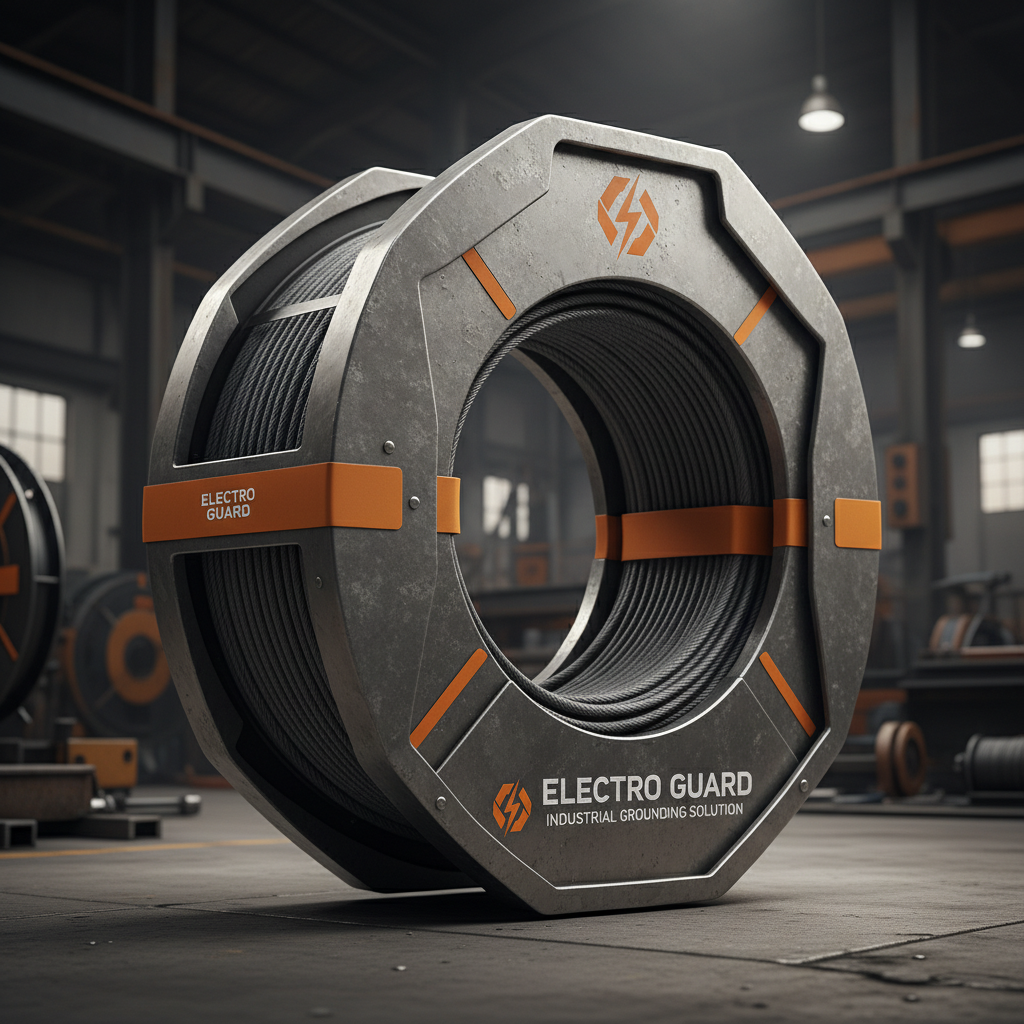
What is a Grey Earth Wire and Why is it Used?
A grey earth wire, also known as a ground wire, is a safety conductor used to provide a low-resistance path for fault currents to flow back to the source. This path allows the circuit breaker or fuse to trip, quickly disconnecting power and preventing electrical shock or fire. The color grey is commonly used to identify earth wires in many countries, though specific regulations may vary. Using a designated color like grey is crucial for clear identification during installation and maintenance. The primary function isn’t to carry current under normal circumstances; it's a safety net activated only during a fault. Without a properly connected earth wire, a fault could cause metal enclosures of electrical equipment to become energized, posing a serious danger.
Key Highlights: Provides a low-resistance path for fault currents, crucial for triggering protective devices, and prevents electrical shock and fire hazards.
Grey Earth Wire Applications Across Different Sectors
The applications of grey earth wires are widespread, spanning numerous industries and electrical systems. In residential buildings, they are essential for grounding electrical outlets, appliances, and the main electrical panel. Commercial buildings require robust grounding systems for lighting, HVAC systems, and IT equipment. Industrial facilities, with their complex machinery and high power demands, rely heavily on effective earth wires to protect workers and prevent costly downtime. Data centers utilize extensive grounding networks to safeguard sensitive electronic equipment from damage. Even in renewable energy systems like solar panel installations, proper grounding using a grey earth wire is vital for safety and performance. Bilopowtel provides a comprehensive range of earth wires to meet these diverse needs.
Application Areas:
• Residential Wiring
• Commercial Buildings
• Industrial Facilities
• Data Centers
• Renewable Energy Systems
Choosing the Right Grey Earth Wire: A Comparison of Materials
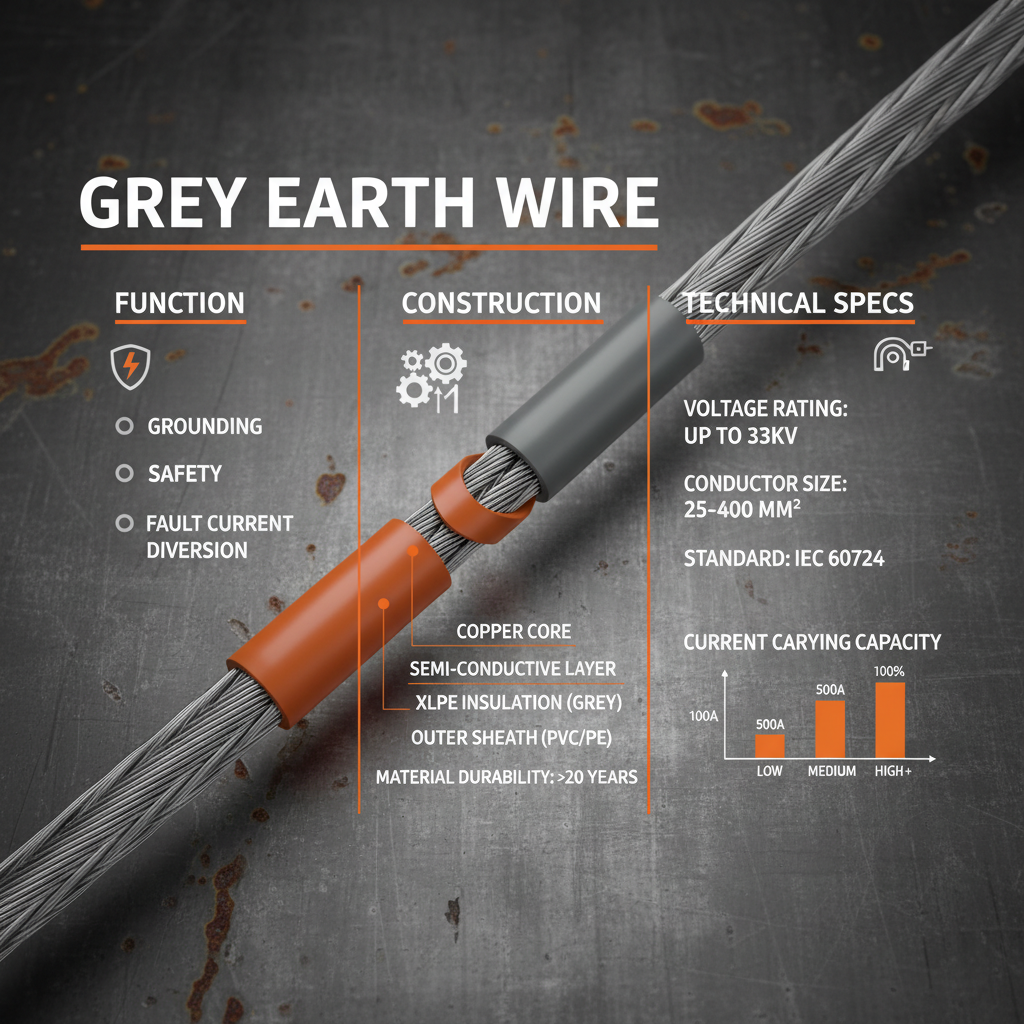
Selecting the appropriate grey earth wire involves considering several factors, primarily the material and its suitability for the specific application. Copper earth wires are highly conductive and widely used, offering excellent corrosion resistance. Aluminum earth wires are lighter and more cost-effective, but have lower conductivity and require special connectors to prevent corrosion. Different applications may dictate the preferred material. For example, in environments prone to corrosion, tinned copper earth wires offer enhanced protection. Bilopowtel offers a wide selection of materials for all environments.
Grey Earth Wire Sizing and Regulatory Compliance
Proper sizing of the grey earth wire is critical to ensure it can handle fault currents effectively. The size must comply with relevant electrical codes and standards, such as the National Electrical Code (NEC) in the United States or IEC standards internationally. Factors like the size of the circuit, the type of conductor, and the length of the run all influence the required wire gauge. Ignoring these regulations can lead to inadequate grounding and compromise safety. Always consult with a qualified electrician to ensure compliance. Bilopowtel ensures all our products meet international standards.
Maintaining and Inspecting Grey Earth Wires
Regular inspection and maintenance of grey earth wires are essential to ensure continued safety and reliability. Visually check for signs of corrosion, damage, or loose connections. Periodically test the continuity of the earth wire using a multimeter to verify a low-resistance path. Ensure all connections are tight and secure. Any damaged or corroded earth wires should be replaced immediately. A proactive maintenance schedule can prevent potentially hazardous situations. Regular checks are a fundamental part of electrical safety protocols.
Conclusion: Prioritizing Safety with Reliable Grounding
The grey earth wire is a critical component of any electrical system, providing essential protection against electrical shock and fire hazards. Selecting the right wire, ensuring proper sizing and installation, and conducting regular maintenance are all vital steps in maintaining a safe and reliable electrical environment. Investing in quality earth wires and adhering to safety standards is not just a regulatory requirement but a responsible practice that protects lives and property.
Frequently Asked Questions (FAQs)
What is the difference between a ground wire and a neutral wire?
While both ground and neutral wires are vital for electrical safety, they serve distinct purposes. The neutral wire carries current under normal operating conditions, completing the circuit. The ground wire, however, is a safety conductor designed to carry fault current back to the source in case of a short circuit or equipment failure. It doesn't normally carry current. The neutral wire is typically white or grey, while the ground wire is commonly green or bare, and in some regions grey. Connecting the two incorrectly can create a dangerous situation, as it can energize metal enclosures.
How do I know if my earth wire is properly connected?
You can verify the connection of your earth wire using a multimeter. Set the multimeter to the continuity setting and test between the earth wire and a known ground point, such as a metal water pipe or the ground terminal of the electrical panel. A reading of zero or very low resistance indicates a good connection. If you get a high or infinite resistance reading, it suggests a break in the circuit or a loose connection that needs to be addressed. Always consult a qualified electrician for electrical testing and repairs.
What are the consequences of a faulty earth wire?
A faulty earth wire can have serious consequences, including increased risk of electrical shock, fire hazards, and damage to electrical equipment. Without a proper ground path, a short circuit can energize metal enclosures, creating a potentially lethal touch hazard. Faulty earth wires can also cause nuisance tripping of circuit breakers or fuses, and may not protect sensitive electronics from voltage surges. Regular inspection and maintenance are crucial to prevent these risks.
Can I use any type of wire for grounding?
No, not any wire can be used for grounding. It must be specifically designed for grounding purposes, meeting the necessary gauge and material requirements outlined in electrical codes. Typically, copper or aluminum wire is used, and it must be of sufficient size to handle the maximum fault current. Using an undersized or inappropriate wire can compromise the effectiveness of the grounding system and create a safety hazard. It's essential to use wire that is listed and labeled for grounding applications.
Latest news
Precision Lifting and Pulling with the Lever Block 0.5 Ton Guide
NewsApr.16,2026
Precision Engineering Guide for High Performance Jet Lever
NewsApr.16,2026
Ultimate Guide to Choosing the Professional Industrial hoist lever
NewsApr.16,2026
Industrial Hoist Lever Chain Guide for Heavy Lifting and Rigging
NewsApr.16,2026
Industrial Lever Hoist Guide for Efficient Lifting and Pulling
NewsApr.16,2026
Ultimate Guide to Hand Ratchet Lift for Heavy Industrial Lifting
NewsApr.16,2026
- CONTACT
- ADDRESS: 188, Fengshou Road, Shijiazhuang. China
- EMAlL: info@bilopowtel.com
- PHONE: 0086-311-88862036
- WHATSAPP: 0086-152-26563165


