



Mar . 14, 2026 01:45 Back to list
Essential Guide to Selecting the Best Ground Rod for Pool Bonding Safety
Choosing the Right Ground Rod for Pool Bonding
Proper pool bonding is crucial for safety, preventing electrical hazards that can arise from nearby electrical systems. A key component of this system is the ground rod for pool bonding. This article will explore the importance of grounding, the types of ground rods available, installation best practices, and how to choose the right rod for your specific needs. Ensuring your pool is properly grounded protects swimmers and complies with local electrical codes. Let’s dive into the details of selecting the ideal ground rod.
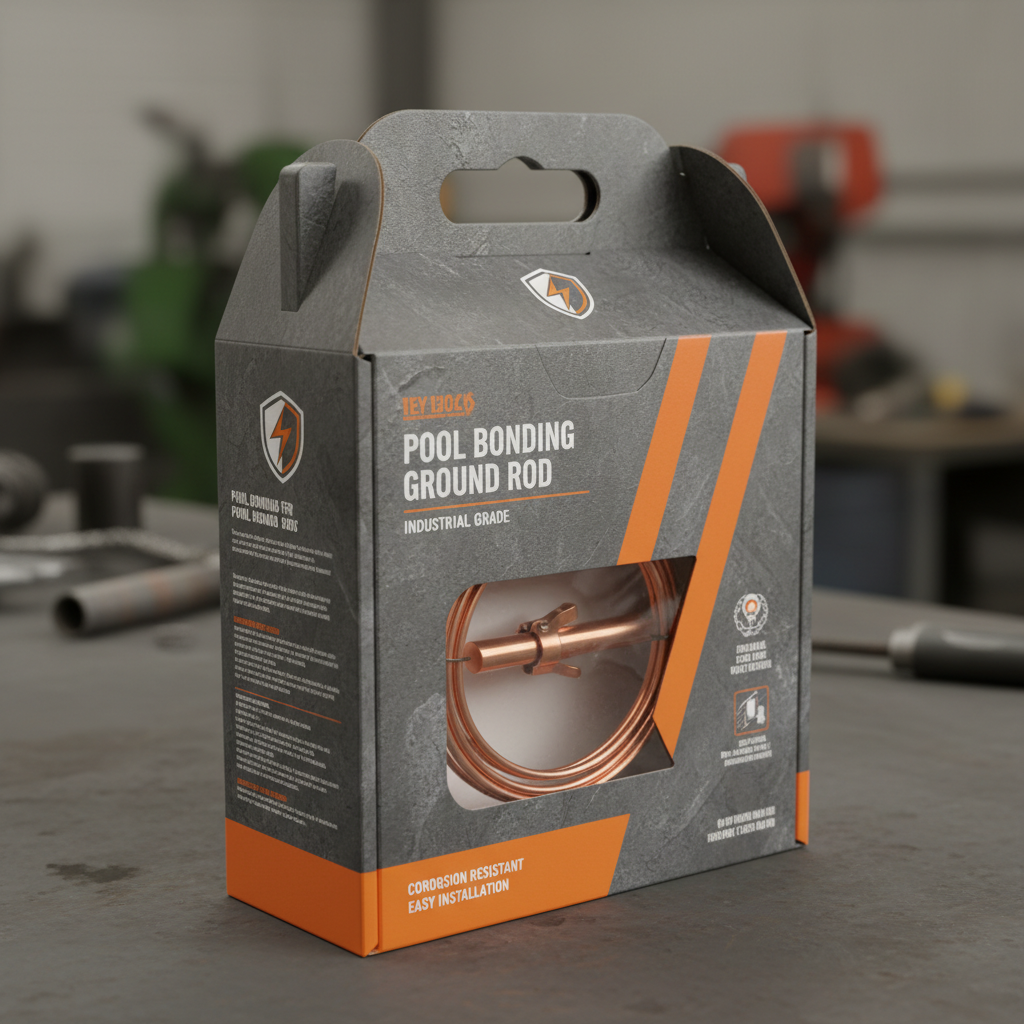
Why Pool Bonding and Grounding are Essential
Pool bonding creates an equipotential plane – a system where all metallic components around the pool (ladders, railings, pumps, etc.) are at the same electrical potential. This minimizes the risk of shock if an electrical fault occurs. Grounding connects this system to the earth, providing a safe path for fault current to flow back to the source, tripping a breaker or fuse. Without proper grounding, a fault could energize the pool water itself, creating a deadly hazard. Local codes mandate these measures, and a qualified electrician should always perform the installation. A quality ground rod is the foundation of this safety system.
Key Takeaway: Pool bonding and grounding aren't optional; they are vital safety measures mandated by code and designed to protect swimmers from potentially fatal electrical shocks.
Understanding Different Types of Ground Rods for Pools
Several types of ground rods are available for pool bonding. Copper-clad steel rods are the most common due to their cost-effectiveness and good conductivity. Solid copper rods offer superior conductivity but are significantly more expensive. Galvanized steel rods are less expensive but have lower conductivity and are prone to corrosion, making them less ideal for the long term. The length and diameter of the rod also matter; longer and thicker rods provide lower resistance to ground. When selecting a ground rod for pool bonding, consider your soil conditions – sandy or rocky soil requires longer rods for effective grounding.
Ground Rod Comparison:
• Copper-Clad Steel: Good conductivity, cost-effective.
• Solid Copper: Excellent conductivity, highest cost.
• Galvanized Steel: Lower conductivity, prone to corrosion.
Ground Rod Size and Length Requirements
Local electrical codes dictate the minimum size and length of ground rods. Generally, an 8-foot ground rod is the minimum requirement, with a diameter of at least ½ inch. However, depending on soil resistivity, multiple ground rods may be necessary, spaced at least 6 feet apart, or a ground ring may be required. The National Electrical Code (NEC) provides detailed guidelines. It is essential to consult with a qualified electrician to determine the specific requirements for your location and soil type. Bilopowtel's ground rods are available in various lengths and diameters to meet these requirements.
Proper Installation Techniques for a Ground Rod
Correct installation is just as important as choosing the right rod. The rod should be driven into the ground until only a few inches remain exposed. Avoid driving it into rocky ground, as this can damage the rod and reduce its effectiveness. If rocky soil is unavoidable, a ground ring or multiple rods may be necessary. Connect the bonding wire securely to the rod using an approved clamp, and ensure the connection is corrosion-resistant. Regularly inspect the connection to ensure it remains tight and free of corrosion. A professional electrician will ensure proper grounding and bonding techniques are followed.
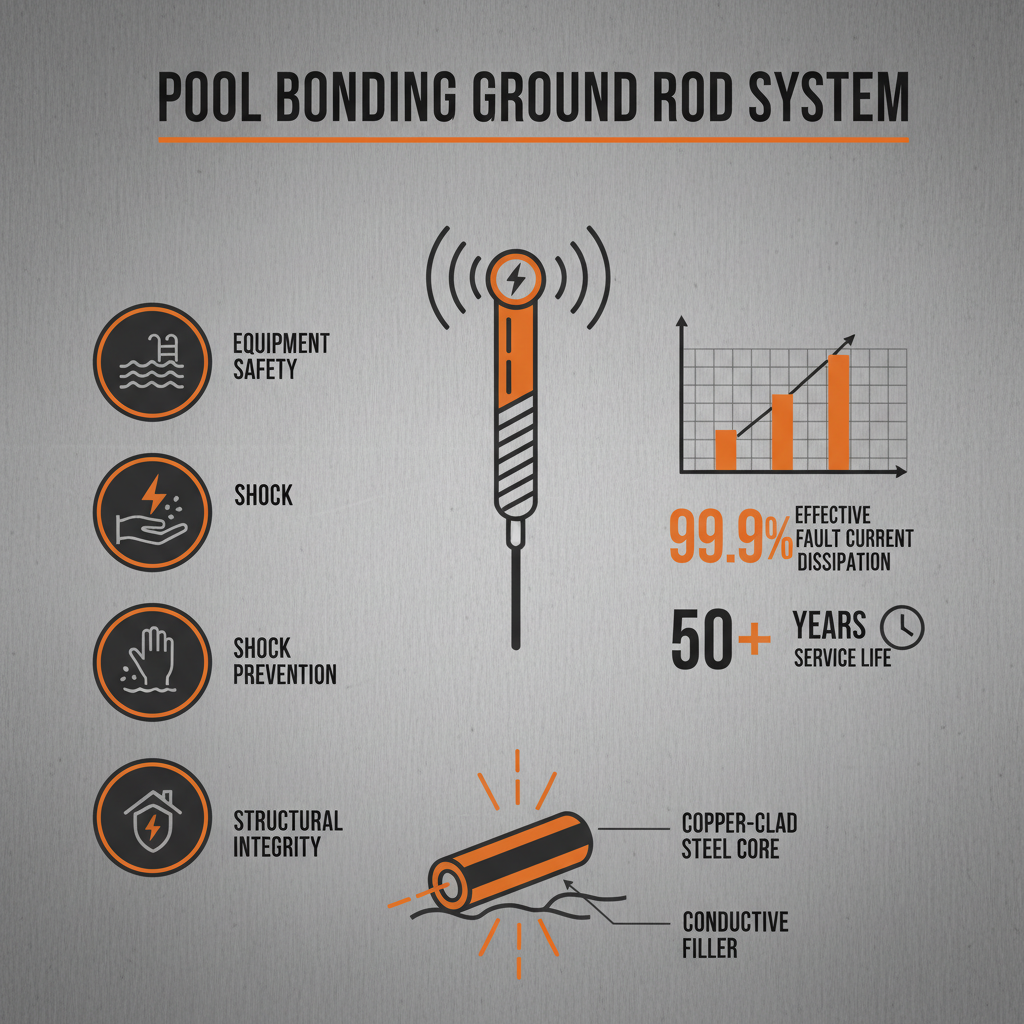
Choosing the Right Ground Rod: A Recap
Selecting the right ground rod for pool bonding requires careful consideration of local codes, soil conditions, and budget. Copper-clad steel rods offer a good balance of performance and cost. Ensure the rod meets the minimum length and diameter requirements, and always prioritize proper installation by a qualified electrician. Investing in a quality ground rod and professional installation is a small price to pay for the safety of your swimmers.
Conclusion: Prioritizing Safety with Proper Grounding
Proper pool grounding is not merely a requirement; it's a crucial safety measure. By choosing the right ground rod and ensuring professional installation, you're protecting swimmers and complying with essential safety regulations. Don't compromise on safety – invest in a reliable grounding system today.
Frequently Asked Questions (FAQs)
How often should I inspect my pool bonding system?
The National Electrical Code (NEC) recommends inspecting your pool bonding system at least every three years, or more frequently if you suspect a problem. During the inspection, check for loose connections, corrosion, and damage to the bonding wire and ground rod. Pay particular attention to the connections at the pump, filter, and other metallic components. A professional electrician can perform a thorough inspection and ensure your system is functioning correctly. Regular inspections are vital for maintaining a safe pool environment.
Can I install a ground rod myself?
While it's technically possible to install a ground rod yourself, it's strongly recommended to hire a qualified electrician. Electrical work can be dangerous, and improper installation can create a safety hazard. An electrician will ensure the ground rod is installed correctly, meets local code requirements, and is properly connected to the pool's bonding system. Furthermore, they will be able to perform necessary resistance tests to verify the effectiveness of the grounding system. Protect yourself and your family by leaving this task to a professional.
What is soil resistivity, and why is it important?
Soil resistivity is a measure of how easily electricity flows through the ground. High resistivity soil (e.g., sandy or rocky) makes it more difficult to achieve effective grounding, requiring longer or multiple ground rods. Low resistivity soil (e.g., moist loam) provides better conductivity. An electrician can measure your soil resistivity to determine the appropriate grounding system for your pool. Understanding soil resistivity is crucial for ensuring your grounding system provides adequate protection.
What happens if my ground rod is corroded?
If a ground rod is significantly corroded, its effectiveness is compromised. Corrosion increases the resistance to ground, reducing the grounding system’s ability to safely divert fault current. A corroded ground rod should be replaced immediately by a qualified electrician. Regularly inspecting the ground rod for corrosion is part of the recommended maintenance schedule. Bilopowtel offers corrosion-resistant ground rod options to extend the lifespan of your grounding system.
Latest news
Precision Lifting and Pulling with the Lever Block 0.5 Ton Guide
NewsApr.16,2026
Precision Engineering Guide for High Performance Jet Lever
NewsApr.16,2026
Ultimate Guide to Choosing the Professional Industrial hoist lever
NewsApr.16,2026
Industrial Hoist Lever Chain Guide for Heavy Lifting and Rigging
NewsApr.16,2026
Industrial Lever Hoist Guide for Efficient Lifting and Pulling
NewsApr.16,2026
Ultimate Guide to Hand Ratchet Lift for Heavy Industrial Lifting
NewsApr.16,2026
- CONTACT
- ADDRESS: 188, Fengshou Road, Shijiazhuang. China
- EMAlL: info@bilopowtel.com
- PHONE: 0086-311-88862036
- WHATSAPP: 0086-152-26563165


