



Mar . 24, 2026 01:55 Back to list
Comprehensive Guide to Residential Ground Rods for Enhanced Electrical Safety
Understanding Residential Ground Rods: A Comprehensive Guide
A residential ground rod is a crucial component of your home’s electrical safety system. It provides a path for stray electrical currents to safely dissipate into the earth, protecting your home and family from electrical shock and damage. This article will explore the importance of ground rods, installation considerations, materials, and how Bilopowtel provides quality solutions for your grounding needs. Proper grounding is essential for a safe and functional electrical system. We’ll cover everything you need to know to ensure your home is adequately protected.
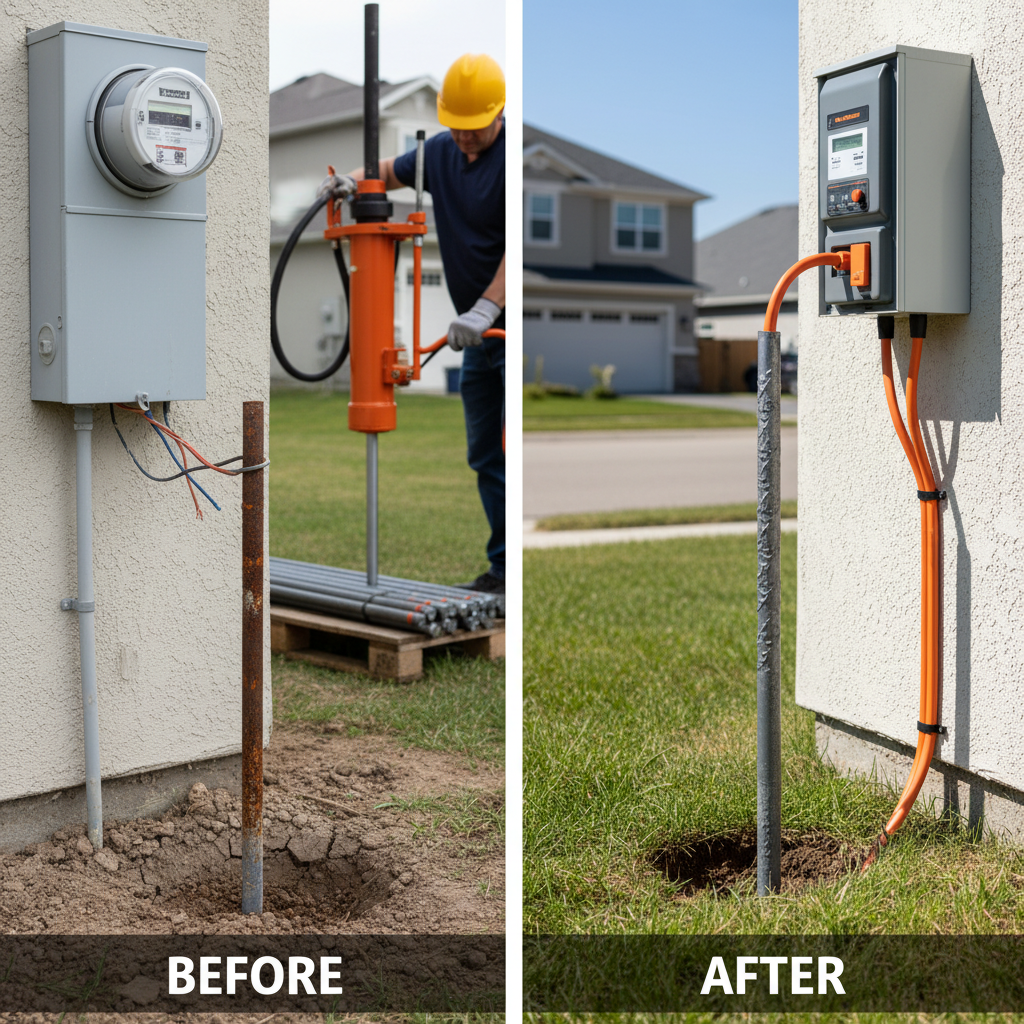
Why are Residential Ground Rods Important?
Ground rods act as a critical safety mechanism within your electrical system. They prevent dangerous voltage buildup by providing a low-resistance path for current to flow into the earth during a fault. Without a properly grounded system, appliances could become energized, posing a severe shock hazard. Ground rods also protect sensitive electronics from power surges and fluctuations, extending their lifespan. They are a foundational element in ensuring the safety and reliability of your home’s electrical infrastructure. A well-maintained ground rod system is a small investment that provides significant peace of mind.
Key Benefits: Protects against electrical shock, prevents damage to appliances, safeguards electronics from surges, ensures a stable electrical system.
Choosing the Right Residential Ground Rod: Materials and Considerations
Ground rods are typically made from copper or galvanized steel. Copper ground rods are more conductive and corrosion-resistant, offering a longer lifespan but come at a higher cost. Galvanized steel ground rods are more affordable but may corrode over time, potentially reducing their effectiveness. The length and diameter of the rod are also important factors. Generally, an 8-foot copper rod or a 10-foot galvanized steel rod is recommended, but local electrical codes may have specific requirements. Soil conditions also play a role; in areas with rocky or dry soil, multiple ground rods may be necessary to achieve adequate grounding. Bilopowtel offers a range of ground rods to suit various soil types and budgets.
Material Comparison:
• Copper: Superior conductivity, high corrosion resistance, longer lifespan, higher cost.
• Galvanized Steel: More affordable, susceptible to corrosion, shorter lifespan.
Installation Best Practices for Ground Rods
Proper installation is just as important as choosing the right ground rod. The rod should be driven vertically into the ground until only 6-8 inches remain exposed. It's critical to avoid driving the rod into underground utilities. Ideally, the ground rod should be located at least 10 feet away from any metal piping, such as gas lines or water pipes. A grounding conductor (typically a thick copper wire) must then be securely connected to the ground rod and to your home's electrical panel. Always consult a qualified electrician for ground rod installation to ensure it meets local codes and safety standards. Improper installation can render the grounding system ineffective and even create a safety hazard.
Ground Rod Specifications: What Bilopowtel Offers
Bilopowtel provides a range of high-quality residential ground rods to meet your specific needs. We offer both copper and galvanized steel options in various lengths and diameters. Our ground rods are manufactured to meet or exceed industry standards and are backed by our commitment to quality. We also supply all the necessary grounding connectors and conductors to ensure a complete and reliable grounding solution. Check out our product selection below:
Conclusion: Ensure Your Home’s Electrical Safety
Investing in a properly installed residential ground rod is a vital step in protecting your home and family. Don’t compromise on safety – choose quality materials and professional installation. Bilopowtel is your trusted partner for all your grounding needs, providing reliable products and expert support.
Frequently Asked Questions (FAQs)
How often should I inspect my ground rod system?
It's recommended to visually inspect your ground rod system at least once a year. Look for signs of corrosion, damage to the grounding conductor, or loose connections. If you notice any issues, contact a qualified electrician for repair or replacement. Regular inspection helps ensure your grounding system remains effective over time. A simple visual check can prevent potential hazards and safeguard your electrical system. Also, after a severe weather event like lightning strikes, it is good to check the system.
Can I install a ground rod myself?
While it's technically possible to install a ground rod yourself, it is highly recommended to hire a qualified electrician. Electrical work can be dangerous, and improper installation can create serious safety hazards. A licensed electrician will ensure the ground rod is installed correctly, meets local electrical codes, and is properly connected to your home's electrical panel. They also have the necessary tools and expertise to safely and effectively complete the installation.
What is the purpose of the grounding conductor?
The grounding conductor, typically a thick copper wire, connects the ground rod to your home's electrical panel. Its purpose is to provide a low-resistance path for electrical current to flow to the earth in the event of a fault. This prevents voltage buildup and reduces the risk of electrical shock. The grounding conductor is a crucial component of the overall grounding system, working in conjunction with the ground rod to ensure safety.
What should I do if my ground rod is corroded?
If you notice corrosion on your ground rod, especially on galvanized steel rods, it’s important to address it promptly. Minor surface corrosion may not immediately compromise the system, but significant corrosion can reduce its effectiveness. Contact a qualified electrician to inspect the ground rod and determine if it needs to be replaced. Replacing a corroded ground rod ensures the continued safety and reliability of your electrical system.
Latest news
Precision Lifting and Pulling with the Lever Block 0.5 Ton Guide
NewsApr.16,2026
Precision Engineering Guide for High Performance Jet Lever
NewsApr.16,2026
Ultimate Guide to Choosing the Professional Industrial hoist lever
NewsApr.16,2026
Industrial Hoist Lever Chain Guide for Heavy Lifting and Rigging
NewsApr.16,2026
Industrial Lever Hoist Guide for Efficient Lifting and Pulling
NewsApr.16,2026
Ultimate Guide to Hand Ratchet Lift for Heavy Industrial Lifting
NewsApr.16,2026
- CONTACT
- ADDRESS: 188, Fengshou Road, Shijiazhuang. China
- EMAlL: info@bilopowtel.com
- PHONE: 0086-311-88862036
- WHATSAPP: 0086-152-26563165


