



Mar . 31, 2026 01:45 Back to list
Comprehensive Guide to Choosing the Right Lineman Chain Hoist for Your Needs
Choosing the Right Lineman Chain Hoist: A Comprehensive Guide
When working at height or needing to lift heavy equipment, a reliable lineman chain hoist is indispensable. These hoists are critical for safety and efficiency in numerous industries, from construction and power transmission to rigging and material handling. This article provides an in-depth look at lineman chain hoists, covering their types, applications, safety considerations, and how to select the best hoist for your specific needs. Selecting the correct hoist ensures a secure lifting process and minimizes the risk of accidents.
Understanding Lineman Chain Hoists: Types and Mechanisms
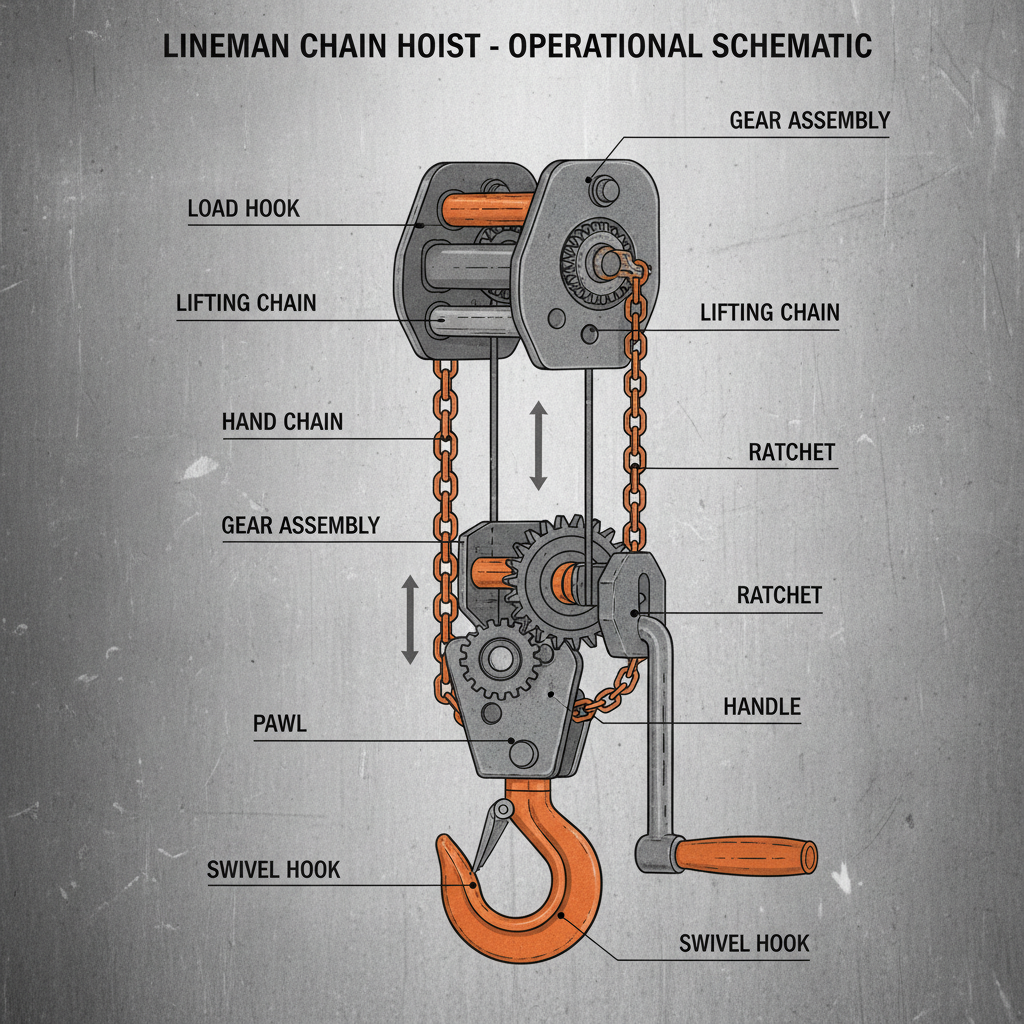
Lineman chain hoists operate using a hand chain to raise or lower a load. The internal gearing mechanism multiplies the force applied to the chain, allowing for the lifting of heavy objects with relatively little effort. There are several types of chain hoists available, each suited for different applications. These include: standard hand chain hoists, lever hoists (also known as come-alongs), and electric chain hoists. Standard hand chain hoists are manually operated and ideal for occasional lifting tasks. Lever hoists are more compact and can be used in tight spaces, while electric chain hoists provide faster and more convenient lifting for repetitive tasks. Bilopowtel provides a wide array of chain hoist options to meet diverse operational needs.
Key Highlights: Chain hoists utilize a gearing mechanism to multiply force, enabling the lifting of heavy loads with minimal effort. Different types cater to various lifting requirements and work environments.
Applications of Lineman Chain Hoists Across Industries
The versatility of lineman chain hoists makes them essential tools across a broad spectrum of industries. In the construction industry, they are used for lifting building materials, equipment, and personnel. Power transmission and distribution companies rely on them for raising and lowering transformers, poles, and conductors. Rigging and material handling operations utilize chain hoists for safely moving heavy loads in warehouses and factories. Furthermore, they find applications in mining, oil and gas, and even entertainment rigging. The ability to control the lifting and lowering process with precision and safety is a key advantage.
Application Benefits:
• Lifting building materials in construction
• Raising transformers in power transmission
• Safe material handling in warehouses
• Versatile application across diverse industries
Hand Chain Hoist vs. Lever Hoist: A Detailed Comparison
Choosing between a hand chain hoist and a lever hoist depends on the specific lifting requirements. Hand chain hoists are generally more economical and suitable for lifting heavier loads over longer distances. Lever hoists, on the other hand, are more compact and provide greater lifting precision, making them ideal for applications where space is limited or precise positioning is crucial. Consider the frequency of use, the weight of the load, and the available space when making your decision. Bilopowtel's expert team can provide guidance on selecting the most appropriate hoist for your needs.
Safety Considerations When Using Lineman Chain Hoists
Safety is paramount when operating any lifting equipment. Before each use, thoroughly inspect the chain hoist for any signs of damage, such as worn chains, damaged gears, or a faulty lifting hook. Ensure the hoist is properly lubricated and that the load is securely attached using appropriate slings and rigging hardware. Never exceed the rated lifting capacity of the hoist, and avoid using it for loads that are unevenly distributed or unstable. Regular training for operators is essential to ensure they understand safe operating procedures and potential hazards. Bilopowtel offers comprehensive safety resources and training materials.
Selecting the Right Lineman Chain Hoist: Key Factors
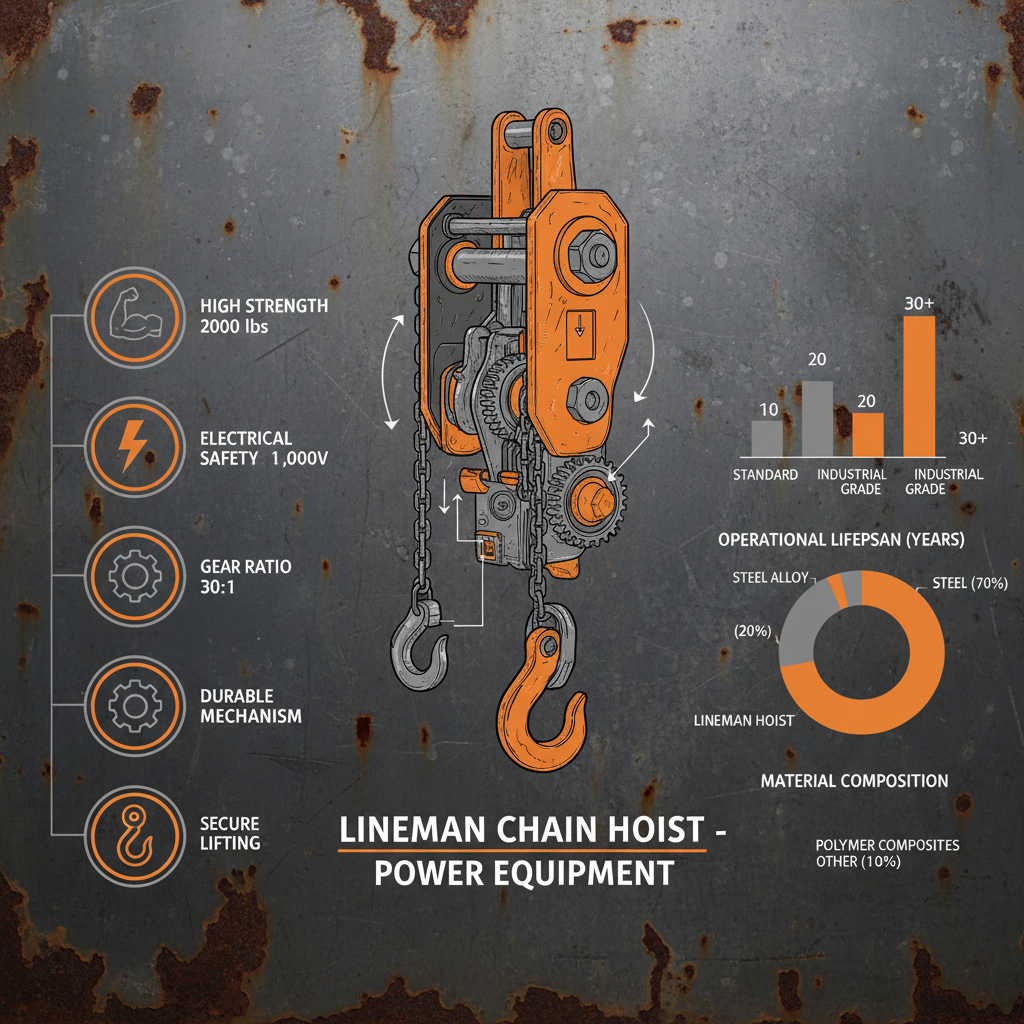
Selecting the appropriate chain hoist requires careful consideration of several factors. Determine the maximum weight you will need to lift, and choose a hoist with a corresponding capacity and a suitable safety factor. Assess the lifting height required and select a chain length that provides sufficient reach. Consider the operating environment and choose a hoist that is designed to withstand the conditions, such as temperature, humidity, or exposure to chemicals. Finally, factor in the frequency of use and select a hoist that is durable and reliable enough to meet your operational demands.
Conclusion: Investing in Quality and Safety
Investing in a high-quality lineman chain hoist from a reputable supplier like Bilopowtel is crucial for ensuring safety, efficiency, and reliability in your lifting operations. By considering the factors outlined in this guide and prioritizing safety practices, you can select the right hoist for your needs and minimize the risk of accidents. A well-chosen and properly maintained chain hoist is a valuable asset that will contribute to the success of your projects.
Frequently Asked Questions (FAQs)
What is the safe working load (SWL) of a chain hoist?
The Safe Working Load (SWL) is the maximum weight a chain hoist can safely lift under ideal conditions. It is crucial never to exceed the SWL, as this can lead to equipment failure and potentially cause serious injury. The SWL is clearly marked on the hoist itself and should be carefully considered before each use. It is also important to remember that the SWL takes into account the weight of the slings and other rigging hardware used in the lift.
How often should a chain hoist be inspected?
Chain hoists should be inspected regularly, with the frequency depending on the intensity of use. A visual inspection should be conducted before each use to check for any signs of damage. A more thorough inspection, including checking the chain for wear, the gears for smooth operation, and the hook for cracks, should be performed at least annually, or more frequently if the hoist is used heavily. Records of inspections should be maintained for future reference.
What type of chain is used in lineman chain hoists?
Most lineman chain hoists utilize Grade 80 or Grade 100 alloy steel chains. Grade 80 chains are commonly used for general lifting applications, while Grade 100 chains offer higher strength and durability and are suitable for more demanding loads. The grade of the chain is typically marked on the chain itself. Using a chain of the correct grade and ensuring it is in good condition is critical for safe lifting.
Can chain hoists be used in corrosive environments?
Chain hoists can be used in corrosive environments, but it's crucial to select a hoist specifically designed for such conditions. This typically involves using hoists with coated chains and corrosion-resistant components. Regular maintenance, including cleaning and lubrication, is also essential to prevent corrosion and ensure the hoist's longevity. Check with the manufacturer for specific recommendations on suitable hoists for corrosive environments.
Latest news
Precision Lifting and Pulling with the Lever Block 0.5 Ton Guide
NewsApr.16,2026
Precision Engineering Guide for High Performance Jet Lever
NewsApr.16,2026
Ultimate Guide to Choosing the Professional Industrial hoist lever
NewsApr.16,2026
Industrial Hoist Lever Chain Guide for Heavy Lifting and Rigging
NewsApr.16,2026
Industrial Lever Hoist Guide for Efficient Lifting and Pulling
NewsApr.16,2026
Ultimate Guide to Hand Ratchet Lift for Heavy Industrial Lifting
NewsApr.16,2026
- CONTACT
- ADDRESS: 188, Fengshou Road, Shijiazhuang. China
- EMAlL: info@bilopowtel.com
- PHONE: 0086-311-88862036
- WHATSAPP: 0086-152-26563165


