



Apr . 09, 2026 01:45 Back to list
Industrial Chain Ratchet Winch Guide for Heavy Lifting and Safety
Mastering Heavy Lifting with the Chain Ratchet Winch
In the world of industrial lifting and rigging, efficiency and safety are non-negotiable. A high-quality chain ratchet winch serves as a critical tool for professionals who need to lift, pull, or tension heavy loads with precision. Whether you are working in construction, automotive repair, or heavy manufacturing, understanding how to select and utilize the right winch can drastically improve workplace productivity and minimize risk. In this comprehensive guide, we will explore the mechanics, benefits, and technical specifications of these powerful devices to help you make an informed purchasing decision.
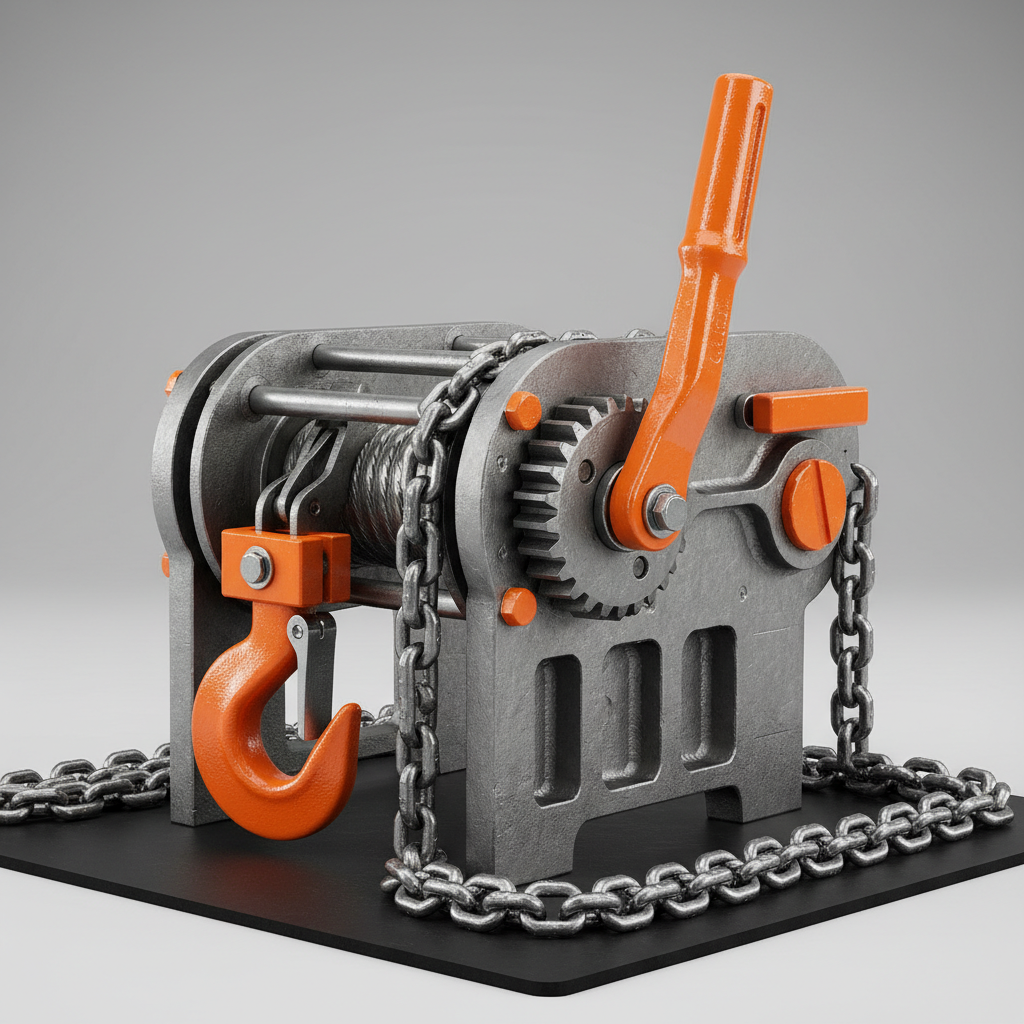
How a Chain Ratchet Winch Works
The core functionality of a chain ratchet winch relies on a mechanical advantage provided by a geared system. Unlike standard pulleys, the ratchet mechanism allows the user to lift a load in increments, locking the chain in place after every stroke. This prevents the load from slipping back, ensuring maximum safety during vertical lifts or horizontal pulls. The high-strength alloy steel chain is designed to withstand immense tension, while the ergonomic handle reduces the physical effort required by the operator. This combination of mechanical leverage and secure locking makes it an indispensable tool for heavy-duty applications.
Key Advantages of Using a Professional Winch
Investing in a professional-grade chain ratchet winch offers several distinct advantages over basic lifting equipment. First is the unmatched stability; the locking pawl ensures that the load remains stationary even if the operator releases the handle. Second is the portability, allowing technicians to move the device across a job site and set up a lifting point quickly. Finally, the durability of the tempered steel components ensures a long service life even in harsh environments like rainy construction sites or dusty warehouses. When compared to electric winches, manual ratchet winches are more reliable in areas without power access.
Pro Tip: Always ensure the winch is securely anchored to a load-bearing structure before applying tension to avoid catastrophic equipment failure.
Comparing Chain Ratchet Winch Types
Not all winches are created equal. Depending on your specific needs—whether it's a light-duty garage project or a heavy-duty industrial lift—you will need different specifications. The primary differences lie in the load capacity, the chain grade, and the gear ratio. A higher gear ratio means less effort for the operator but a slower lift speed. Below is a comparison to help you distinguish between common industrial categories for the chain ratchet winch.
Essential Maintenance for Your Chain Ratchet Winch
To ensure the longevity and safety of your chain ratchet winch, a strict maintenance schedule is required. Over time, friction can wear down the gears and the chain links can develop microscopic cracks. Regular lubrication of the ratchet mechanism and gear teeth is essential to prevent corrosion and ensure smooth operation. Operators should also inspect the hooks for any signs of spreading or deformation. Using a winch that has exceeded its wear limit is a major safety hazard. We recommend a monthly inspection and a deep cleaning every quarter to remove industrial debris.
Technical Specifications of High-Performance Winches
When sourcing a chain ratchet winch, you must look at the technical data sheet. The Working Load Limit (WLL) is the most critical number; never exceed this limit as it can cause the chain to snap or the gears to strip. Additionally, check the safety factor (usually 4:1 or 5:1), which indicates the ratio between the breaking strength and the WLL. High-quality winches also feature heat-treated components to prevent bending under extreme pressure.
Conclusion: Elevating Your Operations
Selecting the right chain ratchet winch is more than just a purchase; it is a commitment to safety and operational excellence. By understanding the mechanical differences, adhering to a strict maintenance routine, and choosing a winch that matches your load requirements, you can ensure a seamless workflow. Whether you are lifting heavy machinery or tensioning industrial cables, trust in high-grade equipment to get the job done right. Visit our official store to find the perfect lifting solution for your business.
Frequently Asked Questions (FAQs)
What is the difference between a chain hoist and a chain ratchet winch?
While they appear similar, the primary difference lies in their intended use. A chain hoist is typically designed for vertical lifting and lowering of loads, often featuring a fixed mounting point. A chain ratchet winch is more versatile; it can be used for both vertical lifting and horizontal pulling or tensioning. Winches are often more portable and are used in scenarios where the load needs to be drawn toward an anchor point rather than just lifted straight up.
How do I determine the correct load capacity I need?
To determine the correct capacity, first calculate the total weight of the object you intend to lift, including any rigging gear (slings, shackles). Always apply a safety margin—it is recommended to choose a winch with a Working Load Limit (WLL) that is at least 20% higher than your maximum expected load. For example, if your load is 1.8 tons, a 2-ton winch is the minimum, but a 3-ton winch would provide a safer and easier operation with less strain on the mechanism.
Can I use a chain ratchet winch for long-term suspension?
A chain ratchet winch is designed for lifting and tensioning, but it is not intended for permanent suspension of loads over people or critical equipment for extended periods. For long-term holding, it is safer to transfer the load to a dedicated support beam, a bolted clamp, or a certified permanent hoist. The ratchet serves as the tool to get the load into position, but safety protocols dictate that mechanical locks or secondary supports should be used for long-term storage.
What should I do if the winch handle becomes difficult to pump?
If the handle becomes difficult to operate, it is usually a sign of three things: lubrication failure, overload, or gear wear. First, check if the load exceeds the WLL. If the load is within limits, apply a high-pressure industrial lubricant to the gear assembly and the chain. If the problem persists, inspect the gears for "pitting" or chipped teeth. If you find structural damage, stop using the winch immediately and replace it, as this indicates the internal mechanism is failing and could lead to a sudden drop of the load.
Latest news
Precision Lifting and Pulling with the Lever Block 0.5 Ton Guide
NewsApr.16,2026
Precision Engineering Guide for High Performance Jet Lever
NewsApr.16,2026
Ultimate Guide to Choosing the Professional Industrial hoist lever
NewsApr.16,2026
Industrial Hoist Lever Chain Guide for Heavy Lifting and Rigging
NewsApr.16,2026
Industrial Lever Hoist Guide for Efficient Lifting and Pulling
NewsApr.16,2026
Ultimate Guide to Hand Ratchet Lift for Heavy Industrial Lifting
NewsApr.16,2026
- CONTACT
- ADDRESS: 188, Fengshou Road, Shijiazhuang. China
- EMAlL: info@bilopowtel.com
- PHONE: 0086-311-88862036
- WHATSAPP: 0086-152-26563165


