



Mar . 19, 2026 01:45 Back to list
Choosing the Right Grounding Rod with Clamp for Electrical Safety and Protection
Choosing the Right Grounding Rod with Clamp for Optimal Safety
Effective grounding is paramount in electrical safety, protecting people and equipment from potentially hazardous voltages. A crucial component of any grounding system is the grounding rod with clamp. This article will delve into the importance of grounding rods, factors to consider when selecting the right rod and clamp, installation best practices, and how Bilopowtel provides reliable solutions for grounding needs. Ensuring a proper ground connection is a fundamental aspect of electrical safety protocols.
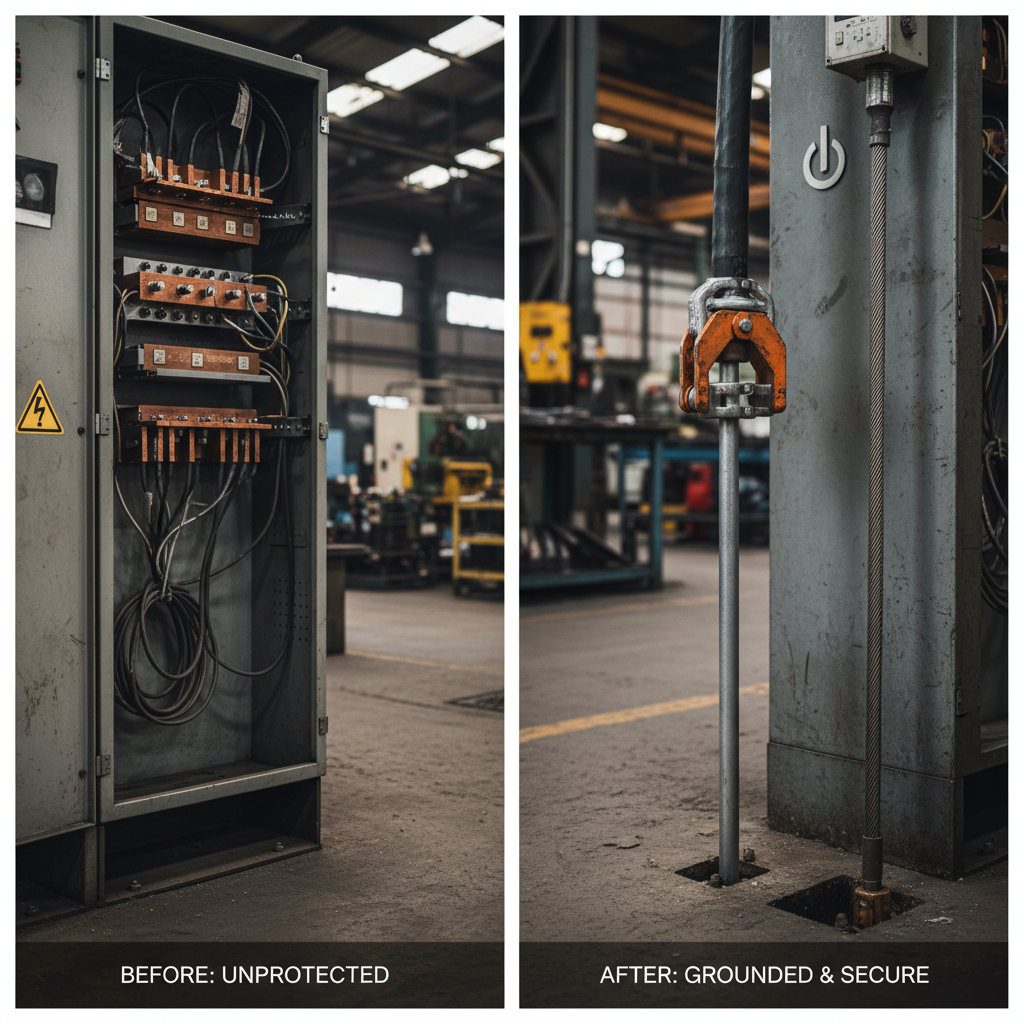
Understanding the Importance of Grounding
Grounding provides a low-resistance path for fault currents to flow back to the source, triggering circuit breakers or fuses to interrupt the circuit and prevent electrical shock or fire. Without proper grounding, stray voltages can build up on metallic equipment, creating a dangerous hazard. A grounding rod with clamp effectively connects the electrical system to the earth, dissipating fault currents safely. It's crucial for both residential and commercial applications, particularly in areas prone to lightning strikes or with complex electrical setups.
Key Benefit: Grounding significantly reduces the risk of electrical shock and fire by providing a safe path for fault currents.
Factors to Consider When Selecting a Grounding Rod with Clamp
Choosing the right grounding rod with clamp involves considering several factors. Soil resistivity is a primary concern – higher resistivity requires longer or multiple grounding rods. The rod's material (copper, galvanized steel, stainless steel) impacts its corrosion resistance and conductivity. The clamp must be compatible with the rod material and the grounding conductor, providing a secure and low-resistance connection. Local electrical codes often specify requirements for grounding rod size and installation depth.
Key Selection Criteria:
• Soil Resistivity
• Rod Material
• Clamp Compatibility
• Local Electrical Codes
Grounding Rod Material Comparison
Different materials offer varying levels of performance and longevity. Here’s a comparison:
Proper Installation Techniques
Correct installation is just as important as selecting the right components. The grounding rod should be driven fully into the earth, leaving only a small portion exposed for connection. The clamp must be securely attached to both the rod and the grounding conductor, ensuring a tight, corrosion-resistant connection. Multiple grounding rods may be required, spaced at least the length of the rod apart, to achieve optimal grounding in areas with high soil resistivity. Regular inspection and maintenance of the grounding system are essential to ensure its continued effectiveness.
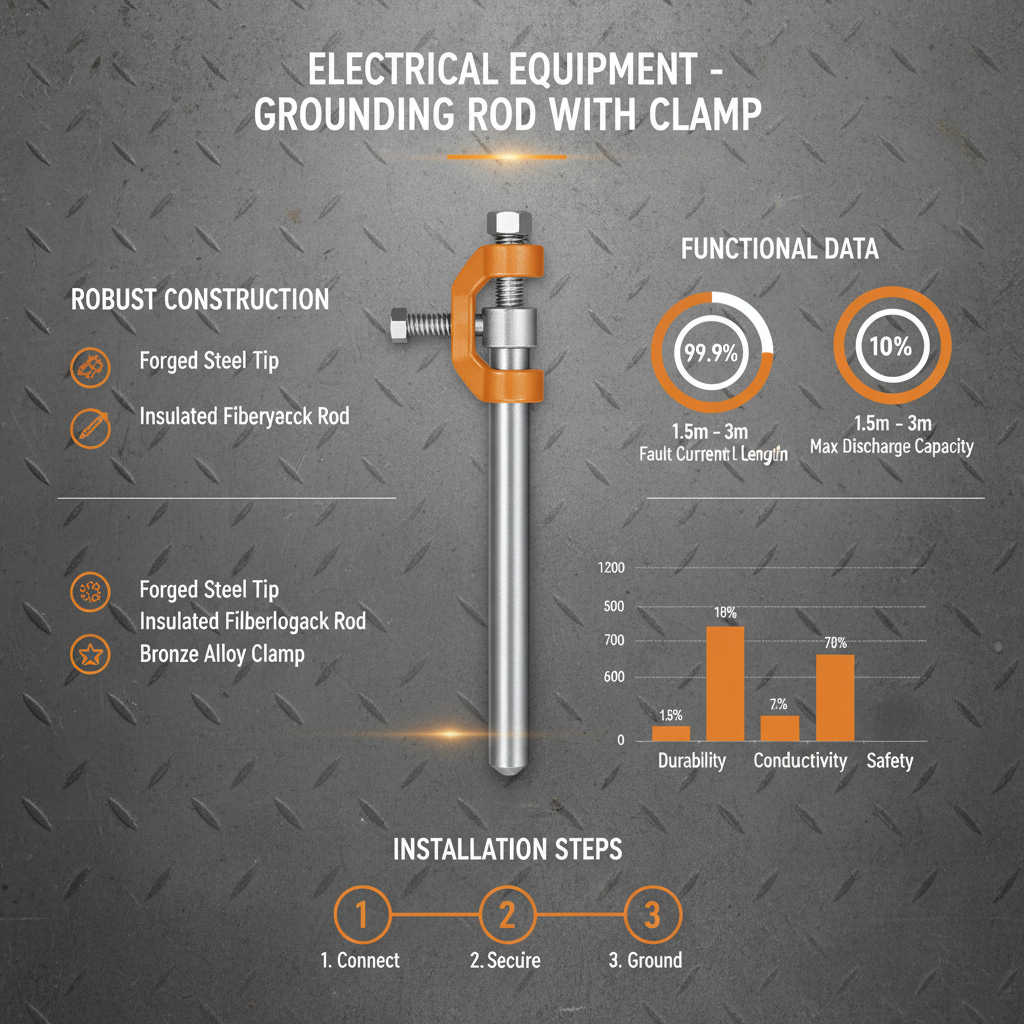
Bilopowtel: Your Trusted Source for Grounding Solutions
At Bilopowtel, we offer a comprehensive range of high-quality grounding rods and clamps designed to meet the most demanding safety standards. Our products are rigorously tested to ensure reliability and durability. We provide expert technical support to help you select the right grounding solution for your specific application. We’re committed to providing safe, effective, and long-lasting grounding systems for our customers.
Conclusion: Ensuring Electrical Safety with Reliable Grounding
Investing in a quality grounding rod with clamp from Bilopowtel is a crucial step in ensuring electrical safety. By understanding the factors involved in selection and installation, and by partnering with a trusted supplier, you can create a robust and reliable grounding system that protects people and property. Don't compromise on safety – choose Bilopowtel.
Frequently Asked Questions (FAQs)
What is the recommended depth for installing a grounding rod?
Generally, grounding rods should be driven at least 8 feet (2.44 meters) into the ground. However, local electrical codes may specify different requirements. In areas with rocky soil or high soil resistivity, longer rods or multiple rods may be necessary to achieve adequate grounding. Always consult local regulations and a qualified electrician to determine the appropriate depth for your specific location.
How do I test the effectiveness of my grounding system?
The effectiveness of a grounding system can be tested using a ground resistance tester. This device measures the resistance between the grounding electrode (the rod) and a distant earth point. A low resistance reading indicates a good ground connection. It's recommended to have a qualified electrician perform this testing periodically to ensure the system remains effective. Regular testing can identify potential problems before they become safety hazards.
What type of clamp should I use with a copper grounding rod?
When using a copper grounding rod, it's crucial to use a clamp specifically designed for copper-to-copper connections. Using a dissimilar metal clamp (e.g., steel) can lead to galvanic corrosion, which degrades the connection over time. Bilopowtel offers a range of copper clamps compatible with our copper grounding rods, ensuring a secure and long-lasting connection.
Latest news
Precision Lifting and Pulling with the Lever Block 0.5 Ton Guide
NewsApr.16,2026
Precision Engineering Guide for High Performance Jet Lever
NewsApr.16,2026
Ultimate Guide to Choosing the Professional Industrial hoist lever
NewsApr.16,2026
Industrial Hoist Lever Chain Guide for Heavy Lifting and Rigging
NewsApr.16,2026
Industrial Lever Hoist Guide for Efficient Lifting and Pulling
NewsApr.16,2026
Ultimate Guide to Hand Ratchet Lift for Heavy Industrial Lifting
NewsApr.16,2026
- CONTACT
- ADDRESS: 188, Fengshou Road, Shijiazhuang. China
- EMAlL: info@bilopowtel.com
- PHONE: 0086-311-88862036
- WHATSAPP: 0086-152-26563165


