



Mar . 12, 2026 01:45 Back to list
Comprehensive Guide to Generator Earth Rods for Safe and Efficient Power Systems
Understanding Generator Earth Rods: A Comprehensive Guide
Generator earth rods are crucial components in ensuring the safety and efficient operation of generators. These rods provide a low-resistance path to ground, protecting personnel and equipment from electrical faults. Proper grounding is paramount for any generator system, and the quality of the earth rod significantly impacts the effectiveness of this protection. This article will delve into the function, types, installation, and maintenance of generator earth rods, providing a comprehensive understanding for users and technicians. Investing in a reliable earth rod is a critical step in safeguarding your generator investment and, most importantly, ensuring safety.
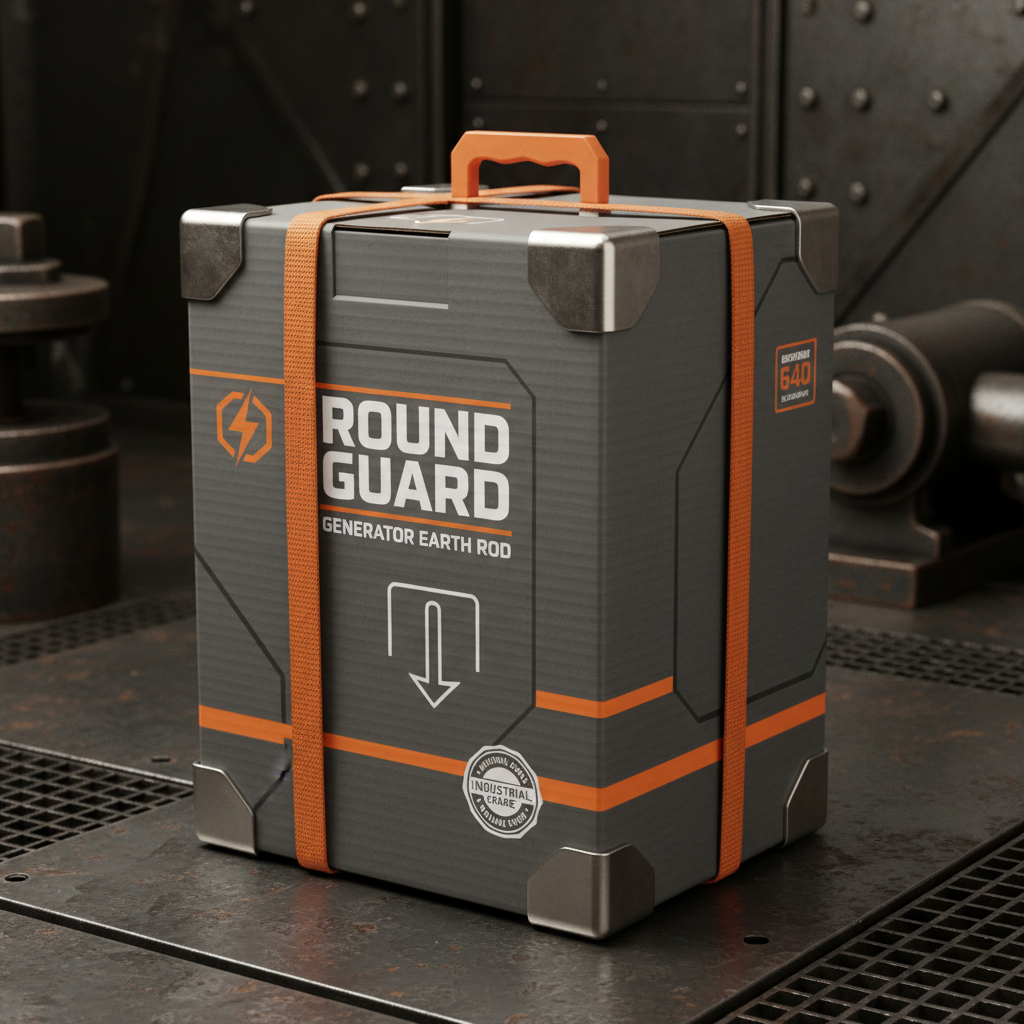
The Function of a Generator Earth Rod
The primary function of a generator earth rod is to provide a direct connection to the earth, creating a low-resistance path for fault currents. In the event of an electrical fault within the generator or connected equipment, the earth rod allows the current to flow safely to the ground, tripping the circuit breaker or fuse and preventing electric shock or equipment damage. Without a properly grounded system, fault currents can build up, creating a hazardous situation. A well-installed earth rod is an essential safety feature, minimizing the risk of injury and ensuring the reliable operation of your generator. It's a proactive step toward preventing potentially costly and dangerous incidents.
Key Benefit: A properly grounded generator system drastically reduces the risk of electrical shock and equipment damage, enhancing overall safety and reliability.
Types of Generator Earth Rods
Generator earth rods come in various types, each suited to different soil conditions and applications. The most common types include:
- Copper-Clad Steel Earth Rods: These rods offer a good balance of strength and conductivity, with a copper outer layer providing excellent corrosion resistance.
- Solid Copper Earth Rods: Providing the highest conductivity, these rods are ideal for areas with highly resistive soil.
- Galvanized Steel Earth Rods: A more economical option, these rods offer sufficient grounding in many applications, though they may be more susceptible to corrosion over time.
- Stainless Steel Earth Rods: Offering superior corrosion resistance, these are ideal for aggressive soil environments.
Choosing the right type of earth rod depends on factors such as soil resistivity, budget, and expected lifespan.
Earth Rod Material Comparison:
• Copper-Clad Steel: Excellent balance of strength and conductivity.
• Solid Copper: Highest conductivity, best for resistive soils.
• Galvanized Steel: Economical, good for many applications.
• Stainless Steel: Superior corrosion resistance.
Effective Installation Techniques for Generator Earth Rods
Proper installation is critical to ensure the earth rod provides an effective ground connection. Here are key steps:
- Location Selection: Choose a location with moist soil, away from underground utilities.
- Driving the Rod: Use a grounding rod driver to hammer the rod vertically into the ground, leaving a small portion exposed for connection.
- Connection: Securely connect the grounding conductor to the earth rod using an approved clamp.
- Multiple Rods: In areas with high soil resistivity, consider using multiple earth rods connected together to lower the overall resistance.
Always consult local electrical codes and regulations for specific installation requirements.
Generator Earth Rod: Comparison of Specifications
Choosing the right earth rod necessitates comparing specifications. Here's a comparative table:
Maintenance and Testing of Earth Rod Systems
Regular maintenance and testing are crucial to ensure the ongoing effectiveness of the earth rod system. Conduct periodic resistance tests using a ground resistance tester. A high resistance reading indicates a potential problem, such as corrosion or a loose connection. Visually inspect the earth rod and connections for signs of damage. Promptly address any issues to maintain a reliable grounding system. At Bilopowtel, we offer a range of high-quality earth rods and accessories to meet your generator grounding needs.
Conclusion: Protecting Your Investment with Reliable Grounding
Investing in a quality generator earth rod and ensuring its proper installation and maintenance is a vital step in protecting your equipment and personnel. Don't compromise on safety – prioritize a reliable grounding system for peace of mind and optimal generator performance.
Frequently Asked Questions (FAQs)
What is considered an acceptable earth rod resistance reading?
Generally, a resistance reading of 5 ohms or less is considered acceptable for a single earth rod. However, this can vary depending on local regulations and the size of the generator. Lower resistance is always better, indicating a more effective ground connection. If readings are higher than 5 ohms, consider using multiple earth rods connected together or improving the soil conductivity by adding moisture. Regularly testing and maintaining a low resistance is crucial for safety. The National Electrical Code (NEC) provides specific guidelines on grounding requirements.
How do soil conditions affect earth rod performance?
Soil conditions significantly impact the effectiveness of earth rods. Dry, sandy, or rocky soil has high resistivity and makes it difficult to achieve a low-resistance ground connection. Moist, clay-rich soil offers lower resistivity and is ideal. In areas with poor soil conditions, you may need to use longer earth rods, multiple rods connected together, or chemical soil treatments to improve conductivity. Regular inspection of the grounding system is essential, especially in areas with varying soil moisture levels.
What is the best way to connect the grounding conductor to the earth rod?
The grounding conductor should be securely connected to the earth rod using an approved clamp designed for the specific rod material and conductor size. The connection must be tight and corrosion-resistant. Using a bi-metallic connector is recommended when connecting copper conductors to galvanized steel or other dissimilar metals to prevent galvanic corrosion. The clamp should be properly tightened according to the manufacturer’s instructions to ensure a low-resistance connection.
Latest news
Precision Lifting and Pulling with the Lever Block 0.5 Ton Guide
NewsApr.16,2026
Precision Engineering Guide for High Performance Jet Lever
NewsApr.16,2026
Ultimate Guide to Choosing the Professional Industrial hoist lever
NewsApr.16,2026
Industrial Hoist Lever Chain Guide for Heavy Lifting and Rigging
NewsApr.16,2026
Industrial Lever Hoist Guide for Efficient Lifting and Pulling
NewsApr.16,2026
Ultimate Guide to Hand Ratchet Lift for Heavy Industrial Lifting
NewsApr.16,2026
- CONTACT
- ADDRESS: 188, Fengshou Road, Shijiazhuang. China
- EMAlL: info@bilopowtel.com
- PHONE: 0086-311-88862036
- WHATSAPP: 0086-152-26563165


