



Feb . 26, 2026 01:45 Back to list
Comprehensive Guide to Twin Earth Wire Applications and Safety Considerations
Understanding Twin Earth Wire: A Comprehensive Guide
Twin earth wire, also known as twin and earth cable, is a common type of electrical cable used in building wiring for domestic and light commercial applications. It's a flat, sheathed cable containing two insulated conductors (live and neutral) and an earth wire. Understanding its construction, applications, safety considerations, and how it compares to other cabling options is vital for anyone involved in electrical work. At Bilopowtel, we specialize in providing high-quality twin earth wire for a wide range of projects. This guide will delve into everything you need to know about this essential cabling component.
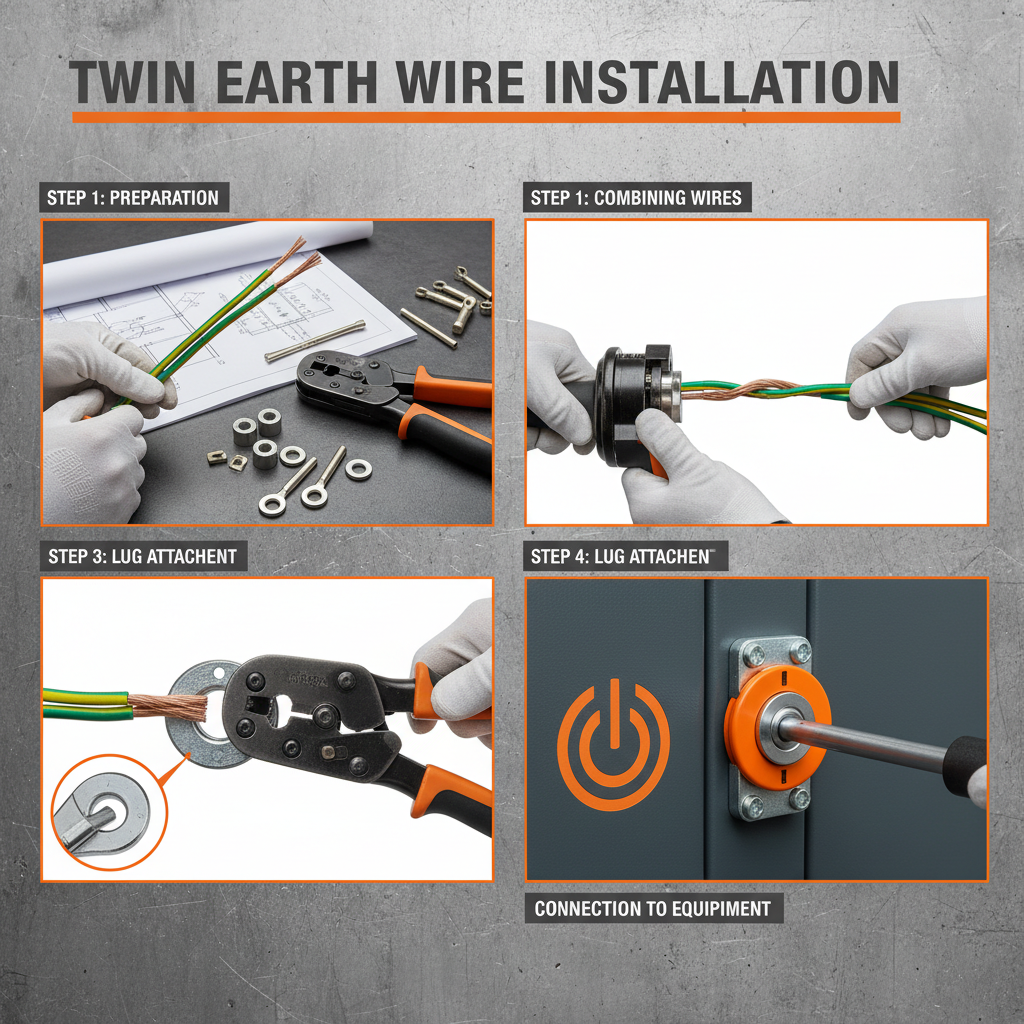
What is Twin Earth Wire and Its Components?
Twin earth wire typically consists of three insulated conductors enclosed within a flat polyvinyl chloride (PVC) sheath. Each conductor is individually insulated, usually with coloured PVC for easy identification. The colours follow standard UK/European wiring regulations: brown for live, blue for neutral, and green/yellow striped for earth. The cable's flat profile makes it easier to conceal within walls and under floors compared to round cables. The size of the conductors, measured in square millimeters (mm²), dictates the cable's current-carrying capacity. Common sizes include 1.5mm², 2.5mm², and 4mm², each suitable for different appliance loads. Bilopowtel offers a wide selection of twin earth wire sizes to meet your specific requirements.
Key Highlights: Twin earth wire's flat design aids concealment, while colour-coded conductors enhance safety and simplify installation.
Applications of Twin Earth Wire
Twin earth wire is extensively used in a variety of domestic and light commercial electrical installations. Its primary applications include wiring lighting circuits, socket outlets, switches, and fixed appliances. It’s commonly found in domestic housing, extensions, garages, sheds, and small commercial buildings. Due to its flexible nature, it's ideal for running along joists and through tight spaces. However, it's essential to remember that twin earth wire is not suitable for direct burial or outdoor use unless specifically designed for that purpose. Always consult relevant wiring regulations and ensure the cable is appropriately sized for the load it will carry.
Common Applications:
• Lighting circuits
• Socket outlets
• Switch wiring
• Connecting fixed appliances
Twin Earth Wire vs. Other Cabling Options
While twin earth wire is popular, it's crucial to understand how it compares to other cable types. For example, single and earth cable is typically used for connecting appliances directly to a junction box. Armoured cable offers greater mechanical protection and is suitable for outdoor or buried installations. PVC/PVC cable is a general-purpose cable often used in conduit systems. The choice of cable depends on the specific application, environmental conditions, and relevant safety regulations. Compared to some other options, twin earth wire is more flexible and easier to work with in confined spaces, but lacks the mechanical protection of armoured cables.
Safety Considerations When Working with Twin Earth Wire
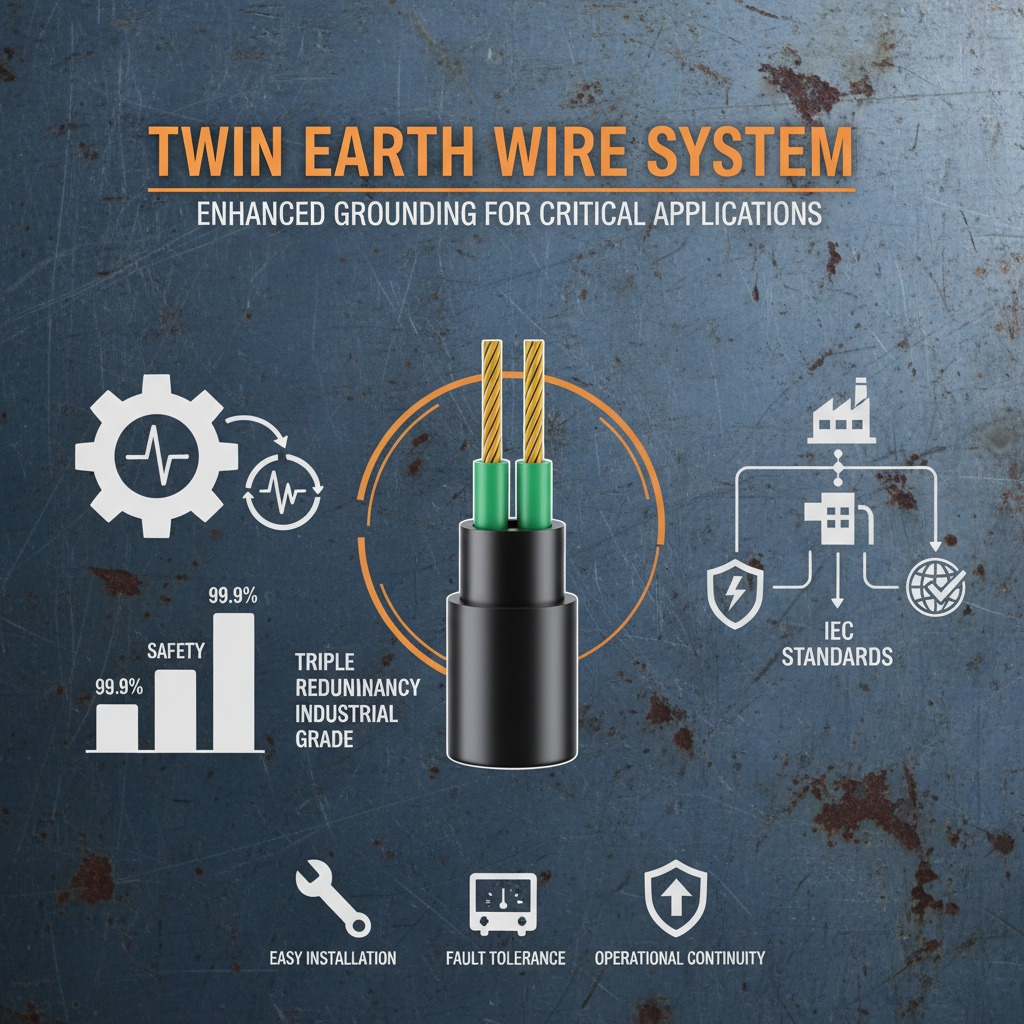
Safety is paramount when working with any electrical cable. Always ensure the power is switched off at the consumer unit before commencing any work. Use appropriate personal protective equipment (PPE), including insulated gloves and safety glasses. Never overload the cable's current-carrying capacity. Inspect the cable for any damage before use and discard any cables with damaged insulation. Adhere to all relevant wiring regulations (e.g., BS 7671 in the UK) and consult a qualified electrician if you are unsure about any aspect of the installation. Bilopowtel prioritizes providing cables that meet stringent safety standards.
Sourcing High-Quality Twin Earth Wire from Bilopowtel
At Bilopowtel, we are committed to providing our customers with the highest quality twin earth wire. We source our cables from reputable manufacturers and rigorously test them to ensure they meet all relevant safety standards. We offer a wide range of sizes and lengths to suit your specific needs, and our competitive pricing makes us a cost-effective solution. Our expert team is available to provide technical support and advice, helping you select the right cable for your project. We are dedicated to providing reliable products and exceptional customer service.
Conclusion: Choosing the Right Twin Earth Wire
Selecting the right twin earth wire is crucial for ensuring a safe and reliable electrical installation. Bilopowtel provides high-quality cables, expert advice, and competitive pricing. Invest in quality and safety – choose Bilopowtel for all your twin earth wire needs.
Frequently Asked Questions (FAQs)
What size twin earth wire do I need for a 13A socket outlet?
For a standard 13A socket outlet, 2.5mm² twin earth wire is generally recommended. This size can safely handle the typical current draw of most appliances connected to a socket. However, it's essential to consult the appliance's wattage rating and calculate the required current to ensure the cable is adequately sized. Overloading a cable can lead to overheating and a fire hazard. Always refer to BS 7671 wiring regulations for specific guidance.
Can twin earth wire be used outdoors?
Generally, standard twin earth wire is not suitable for outdoor use. The PVC sheath can degrade when exposed to UV radiation and moisture, compromising the cable's insulation and safety. If you need a cable for outdoor applications, you should use a cable specifically designed for outdoor use, such as H07RN-F rubber cable or an equivalent that is UV and water-resistant. These cables have a more durable outer sheath that can withstand the elements.
How should twin earth wire be installed?
Twin earth wire should be securely fixed to surfaces using appropriate cable clips or trunking. Avoid sharp bends or kinks that could damage the insulation. Ensure the cable is protected from mechanical damage, especially where it enters or exits junction boxes or appliances. Always maintain sufficient clearance from heat sources and sharp edges. It's crucial to adhere to all relevant wiring regulations and use correctly sized junction boxes and accessories.
What are the colour codes for twin earth wire?
The standard colour codes for twin earth wire are: Brown for Live, Blue for Neutral, and Green/Yellow striped for Earth. These colour codes are internationally recognised and are essential for safe and correct wiring. Always double-check the colour codes before making any connections to avoid miswiring, which can be extremely dangerous.
Latest news
Precision Lifting and Pulling with the Lever Block 0.5 Ton Guide
NewsApr.16,2026
Precision Engineering Guide for High Performance Jet Lever
NewsApr.16,2026
Ultimate Guide to Choosing the Professional Industrial hoist lever
NewsApr.16,2026
Industrial Hoist Lever Chain Guide for Heavy Lifting and Rigging
NewsApr.16,2026
Industrial Lever Hoist Guide for Efficient Lifting and Pulling
NewsApr.16,2026
Ultimate Guide to Hand Ratchet Lift for Heavy Industrial Lifting
NewsApr.16,2026
- CONTACT
- ADDRESS: 188, Fengshou Road, Shijiazhuang. China
- EMAlL: info@bilopowtel.com
- PHONE: 0086-311-88862036
- WHATSAPP: 0086-152-26563165


