



Mar . 03, 2026 18:05 Back to list
Comprehensive Guide to Choosing the Best Electric Fence Earth Rod for Optimal Performance
Choosing the Right Electric Fence Earth Rod: A Comprehensive Guide
Ensuring the proper grounding of your electric fence is crucial for both safety and effectiveness. A reliable electric fence earth rod provides the necessary path for electricity to flow, minimizing shocks to humans and animals and maximizing the fence’s ability to deter livestock. This article will explore the importance of earth rods, different types available, installation techniques, and troubleshooting tips. We'll help you understand how to select the best earth rod for your specific needs and ensure your electric fence operates optimally.
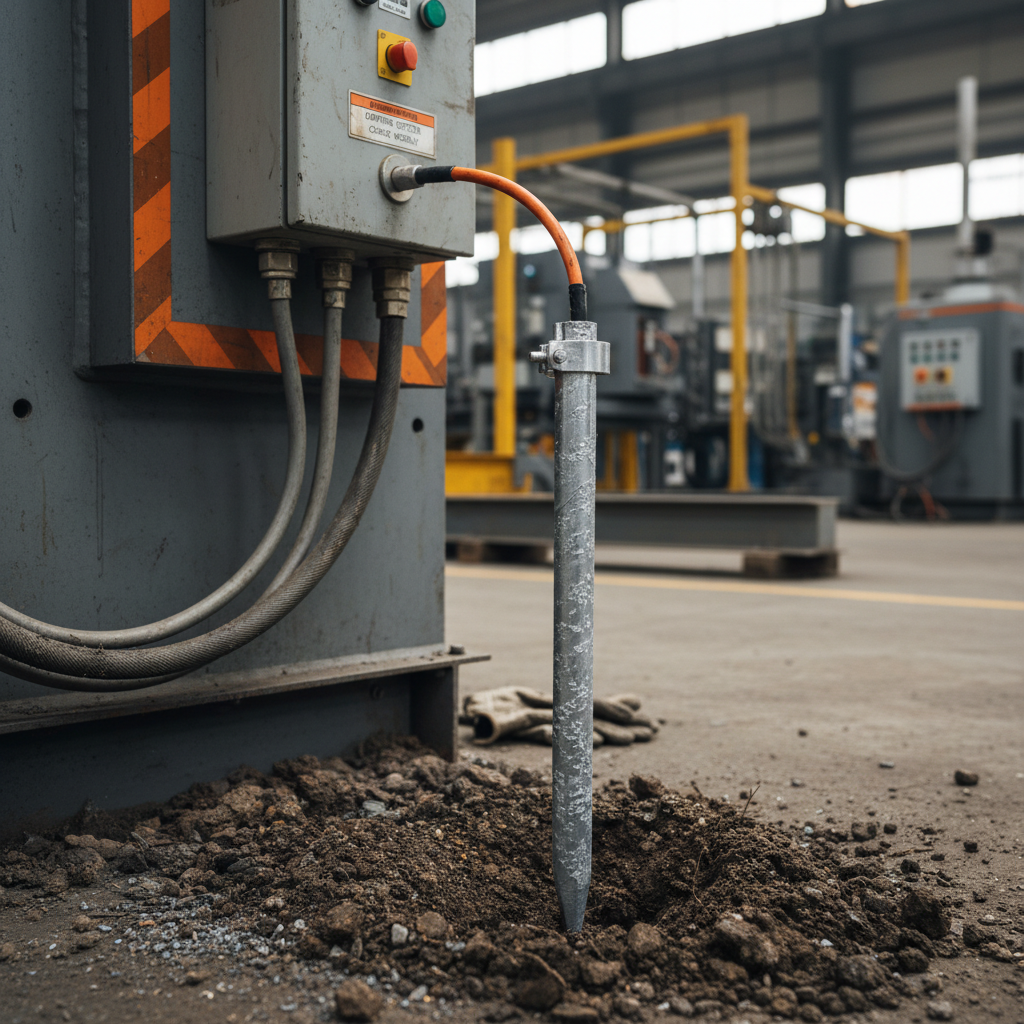
Why is a Good Electric Fence Earth Rod Important?
An earth rod, also known as a grounding rod, is a vital component of any electric fence system. Its primary function is to provide a low-resistance path to the earth for the electrical current. Without a properly grounded fence, the voltage can leak, creating a shock hazard for anyone who comes into contact with it. A good earth rod also ensures the fence delivers a sufficient shock to animals, effectively containing them. A poor ground means a weaker shock, leading to animals ignoring the fence. This can result in escapes and potential damage. It also helps to protect the energizer from damage caused by voltage surges.
Key Benefits: Provides a safe path for electrical current, maximizes fence effectiveness, protects the energizer, and minimizes shock hazards.
Types of Electric Fence Earth Rods
Several types of earth rods are available, each with its own advantages and disadvantages. The most common include:
- Copper Earth Rods: These offer excellent conductivity and corrosion resistance, making them a durable and reliable choice. They tend to be more expensive.
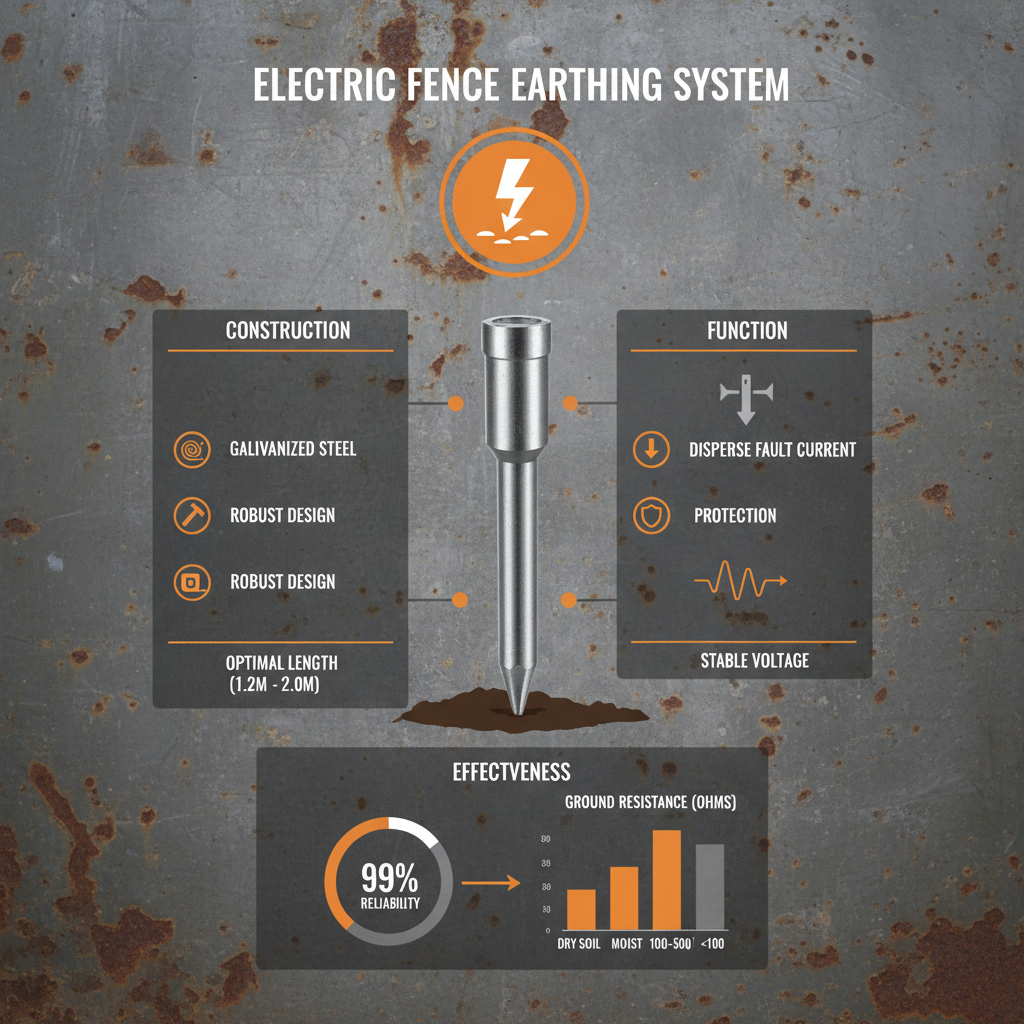
- Galvanized Steel Earth Rods: A more affordable option, galvanized steel provides good conductivity, though not as high as copper. They are susceptible to corrosion over time, particularly in acidic soils.
- Copper-Clad Steel Earth Rods: These combine the strength of steel with the conductivity of copper, offering a balance of performance and cost.
Factors Influencing Earth Rod Selection
Choosing the right earth rod depends on several factors, including soil type, fence length, and energizer power. Sandy or rocky soils offer poor conductivity and require longer or multiple earth rods. Clay soils generally provide better grounding. The length of your fence dictates the necessary grounding capacity; longer fences need more robust grounding. A higher-powered energizer will also necessitate a better earth rod system. Consider using a Bilopowtel earth tester to measure ground resistance.
Key Considerations:
• Soil type (clay, sand, rocky)
• Fence length
• Energizer power
• Budget
Earth Rod Comparison
Here’s a quick comparison of the common earth rod materials to help you decide:
Proper Installation Techniques
Correct installation is just as important as choosing the right earth rod. Drive the rod completely into the ground, leaving only a small portion exposed for connection. Multiple earth rods spaced 2-3 meters apart can significantly improve grounding, especially in poor soil. Use a grounding clamp to securely connect the earth rod to the energizer’s ground terminal. Always check the ground resistance using an earth tester after installation and periodically thereafter. You can find high quality electric fencing accessories including earth rods at Bilopowtel.
Conclusion: Ensuring a Safe and Effective Electric Fence
A properly installed electric fence earth rod is fundamental to the safety and performance of your electric fence. By understanding the different types of rods, considering your specific needs, and following proper installation techniques, you can ensure a reliable and effective containment system. Don't compromise on grounding – it's a critical component of a successful electric fence.
Frequently Asked Questions (FAQs)
How deep should an electric fence earth rod be driven?
Generally, an electric fence earth rod should be driven at least 8 feet (2.4 meters) into the ground. In sandy or rocky soil, you may need to go even deeper or use multiple rods. The goal is to reach consistently moist soil, which provides better conductivity. The deeper the rod, the lower the ground resistance will typically be. Always ensure the top of the rod is a safe distance from any underground utilities.
How do I test the ground resistance of my earth rod?
You can use an earth tester (also known as a ground resistance tester) to measure the ground resistance. These devices measure the resistance between the earth rod and a distant ground stake. Ideally, ground resistance should be below 20 ohms. Higher resistance indicates a poor ground and the need for additional earth rods or improvements to the grounding system. Bilopowtel offers reliable earth testers to ensure optimal performance.
What should I do if my electric fence isn’t delivering a sufficient shock?
A weak shock often indicates a grounding issue. First, check the connection between the energizer, the earth rod, and the fence wire. Ensure all connections are clean and tight. Then, test the ground resistance. If it's high, install additional earth rods or improve the existing ones. Also, check for vegetation touching the fence, which can cause a voltage leak. Finally, ensure your energizer is appropriately sized for the length and type of fence.
Can I use multiple earth rods together?
Yes, using multiple earth rods is highly recommended, especially in areas with poor soil conductivity. Space the rods 2-3 meters apart and connect them together with heavy-gauge wire. This creates a larger grounding surface, reducing the overall ground resistance and improving the effectiveness of your electric fence. Connecting multiple earth rods significantly increases the reliability of your grounding system.
Latest news
Precision Lifting and Pulling with the Lever Block 0.5 Ton Guide
NewsApr.16,2026
Precision Engineering Guide for High Performance Jet Lever
NewsApr.16,2026
Ultimate Guide to Choosing the Professional Industrial hoist lever
NewsApr.16,2026
Industrial Hoist Lever Chain Guide for Heavy Lifting and Rigging
NewsApr.16,2026
Industrial Lever Hoist Guide for Efficient Lifting and Pulling
NewsApr.16,2026
Ultimate Guide to Hand Ratchet Lift for Heavy Industrial Lifting
NewsApr.16,2026
- CONTACT
- ADDRESS: 188, Fengshou Road, Shijiazhuang. China
- EMAlL: info@bilopowtel.com
- PHONE: 0086-311-88862036
- WHATSAPP: 0086-152-26563165


