



Feb . 24, 2026 11:00 Back to list
Understanding Green Yellow and Earth Wire for Electrical Safety and System Integrity
Understanding Green, Yellow, and Earth Wire: A Comprehensive Guide
Electrical safety is paramount in any setting, and understanding the role of different colored wires is crucial. This article delves into the significance of green, yellow, and earth wire, exploring their functions, applications, and importance in maintaining a safe electrical system. We'll cover the standardized color coding, their specific purposes, and best practices for working with them. Proper wiring ensures not only functionality but, more importantly, the safety of individuals and property. BiloPowTel provides high-quality electrical components and solutions for a wide range of applications.
The Role of Earth Wire (Green/Yellow) in Electrical Safety
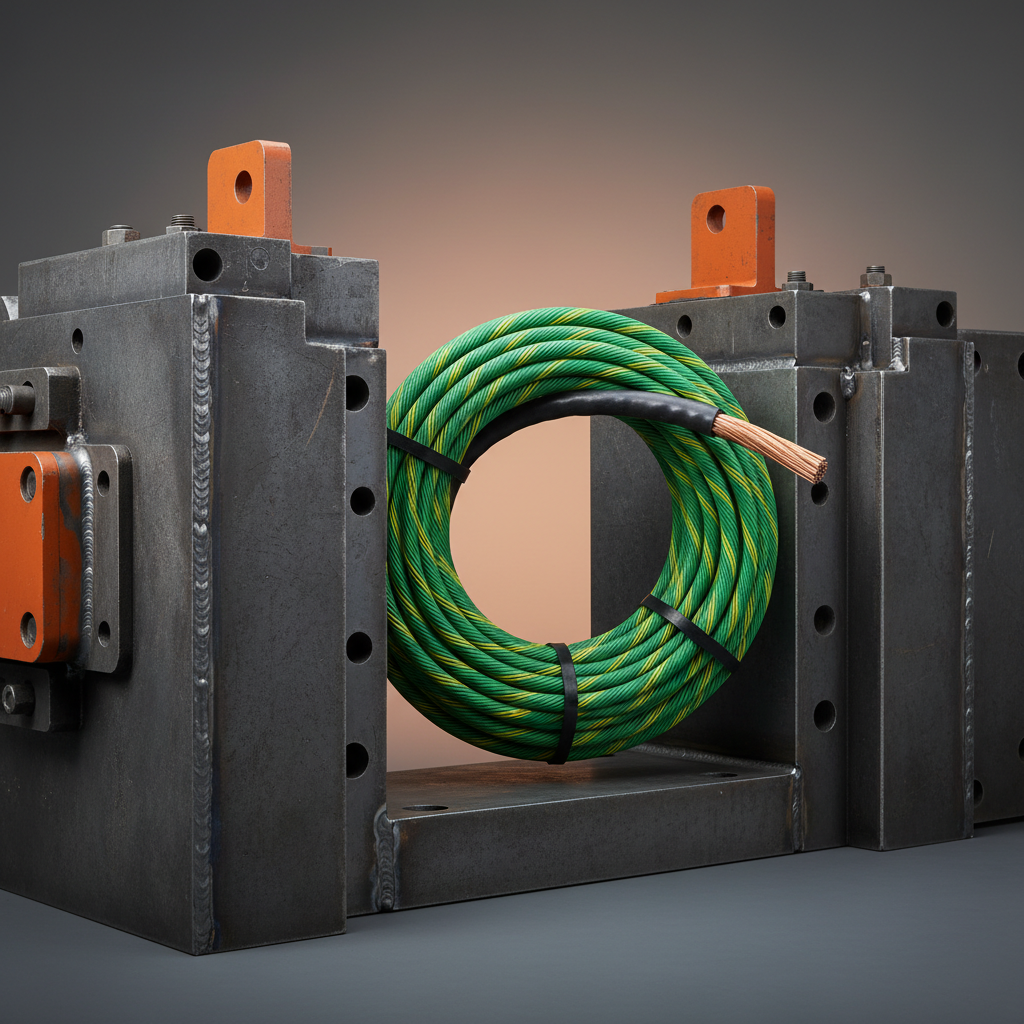
The green and yellow striped wire, commonly known as the earth wire (or ground wire), is a critical safety component in electrical systems. Its primary function is to provide a low-resistance path for fault currents to flow back to the source, tripping the circuit breaker or fuse and disconnecting the power supply. This prevents electric shock and reduces the risk of fire. It doesn't carry current under normal operating conditions; it only activates during a fault. BiloPowTel emphasizes the importance of correctly identifying and connecting the earth wire in all electrical installations.
Key Highlights: The earth wire provides a low-resistance path for fault currents, preventing electric shock and fire. It is identified by its green and yellow stripe coloring.
Color Coding Standards for Electrical Wires
Consistent color coding is essential for safe and efficient electrical work. While standards can vary slightly between countries, the following generally applies: Green/Yellow: Earth/Ground. Blue: Neutral. Brown: Live/Hot. Black: Sometimes used for live/hot, particularly in older systems. Grey: Switch Wire. Adhering to these standards minimizes the risk of miswiring and potential hazards. BiloPowTel consistently adheres to international safety standards in all of its product offerings.
Color Coding Benefits:
• Reduces the risk of miswiring
• Facilitates quick identification of wires
• Enhances safety during installation and maintenance
• Promotes standardization across electrical systems
Green vs. Yellow Wire: Understanding Their Individual Roles
While often seen together, green and yellow wires have distinct, though related, roles. The green wire historically represented the earth connection. The yellow wire was often used as a warning indicator, emphasizing the importance of the grounding function. Modern practice combines the two as a striped green/yellow wire to clearly indicate the earth connection. It’s crucial to understand that the combined wire functions solely as an earth wire and should not be used for any other purpose. BiloPowTel offers a comprehensive range of correctly color-coded wires to ensure safe electrical installations.
Choosing the Right Wire Gauge for Earth Wire Applications
The appropriate wire gauge (thickness) for the earth wire is crucial for its effective functioning. It must be able to handle the potential fault current without overheating or causing a voltage drop. Generally, the earth wire should be the same gauge as the live/hot wire. Using a smaller gauge earth wire can compromise safety. BiloPowTel provides wire sizing charts and expert advice to help you select the correct gauge for your specific application.
Best Practices for Working with Green, Yellow, and Earth Wires
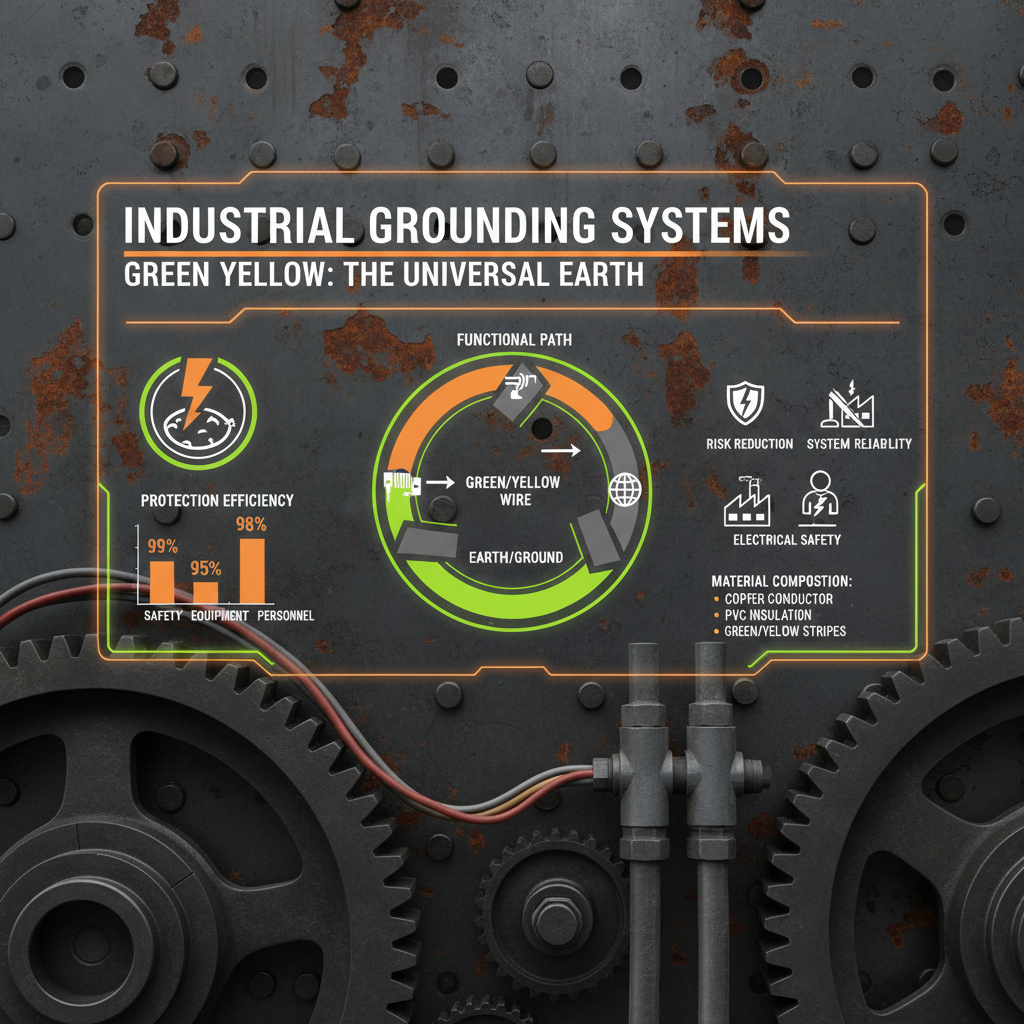
When working with electrical wiring, always prioritize safety. Here are some essential best practices: Always disconnect power: Before starting any electrical work, switch off the power at the circuit breaker. Verify proper grounding: Ensure the earth wire is securely connected to the grounding system. Use insulated tools: Avoid using tools with damaged insulation. Never assume: Always test wires to confirm their function. BiloPowTel recommends consulting with a qualified electrician for any complex electrical work.
Conclusion: Prioritizing Safety with Correct Wiring
Understanding the roles of green, yellow, and earth wire is crucial for ensuring electrical safety. By adhering to color coding standards, using the correct wire gauges, and following best practices, you can minimize the risk of electrical hazards. BiloPowTel is committed to providing high-quality electrical products and resources to help you create safe and reliable electrical systems.
Frequently Asked Questions (FAQs)
What happens if the earth wire is not connected properly?
If the earth wire isn’t properly connected, a fault current will not have a safe path to ground. This means that if a live wire comes into contact with a conductive surface, the casing of an appliance, for example, that surface could become energized, posing a severe electric shock risk to anyone who touches it. A properly connected earth wire trips the circuit breaker immediately, preventing this scenario. Ignoring the earth wire connection is a critical safety oversight.
Can I use any wire as an earth wire?
No, you should only use a wire specifically designed for grounding purposes. This wire must be of the appropriate gauge to handle potential fault currents and should be correctly insulated with the green/yellow striped color coding. Using an inappropriate wire could lead to overheating, failure to provide adequate grounding, and increased risk of electric shock. BiloPowTel offers a range of wires specifically designed for grounding applications.
How often should the earth connection be checked?
The earth connection should be checked regularly, ideally during periodic electrical safety inspections, which are recommended at least every 5 years. It’s also good practice to check the connection whenever any electrical work is carried out. A quick visual inspection can identify loose connections or corrosion. More thorough testing can be performed with specialized equipment to verify the earth loop impedance.
Latest news
Precision Lifting and Pulling with the Lever Block 0.5 Ton Guide
NewsApr.16,2026
Precision Engineering Guide for High Performance Jet Lever
NewsApr.16,2026
Ultimate Guide to Choosing the Professional Industrial hoist lever
NewsApr.16,2026
Industrial Hoist Lever Chain Guide for Heavy Lifting and Rigging
NewsApr.16,2026
Industrial Lever Hoist Guide for Efficient Lifting and Pulling
NewsApr.16,2026
Ultimate Guide to Hand Ratchet Lift for Heavy Industrial Lifting
NewsApr.16,2026
- CONTACT
- ADDRESS: 188, Fengshou Road, Shijiazhuang. China
- EMAlL: info@bilopowtel.com
- PHONE: 0086-311-88862036
- WHATSAPP: 0086-152-26563165


