



Feb . 28, 2026 01:45 Back to list
Essential Guide to Choosing the Right Grounding Rod for Generator Safety
Choosing the Right Grounding Rod for Your Generator
Ensuring your generator is properly grounded is paramount for safety and functionality. A grounding rod for generator provides a crucial pathway for electrical current to safely dissipate into the earth, preventing electrical shock and damage to equipment. This article will guide you through understanding grounding requirements, selecting the appropriate grounding rod, and best practices for installation. Protecting yourself and your valuable equipment starts with a solid grounding system. At BiloPowTel, we offer a comprehensive range of grounding solutions designed to meet your needs.
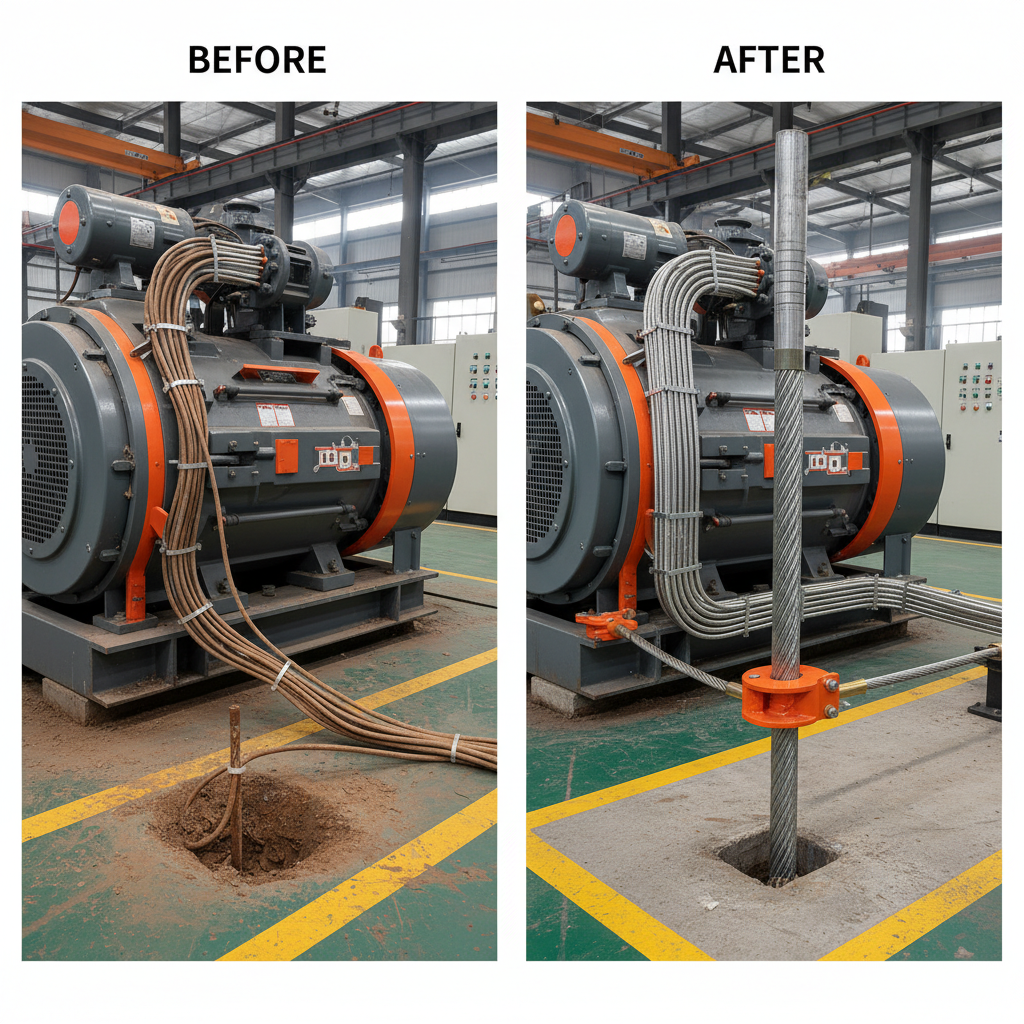
Why is Grounding a Generator Essential?
Generators produce electricity, and with that electricity comes the potential for faults. A ground fault occurs when electricity takes an unintended path to the ground. Without proper grounding, this electricity can build up on the generator’s metal frame, creating a serious shock hazard. A grounding rod provides a low-resistance path for this electricity to safely return to the earth. Beyond safety, grounding also protects your generator and connected appliances from voltage spikes and surges, extending their lifespan and preventing costly damage. Ignoring grounding is a significant safety risk, potentially leading to injury or even fatality.
Key Benefits of Generator Grounding: Protects against electrical shock, prevents equipment damage, extends generator lifespan, and ensures safe operation.
Choosing the Right Grounding Rod for Generator
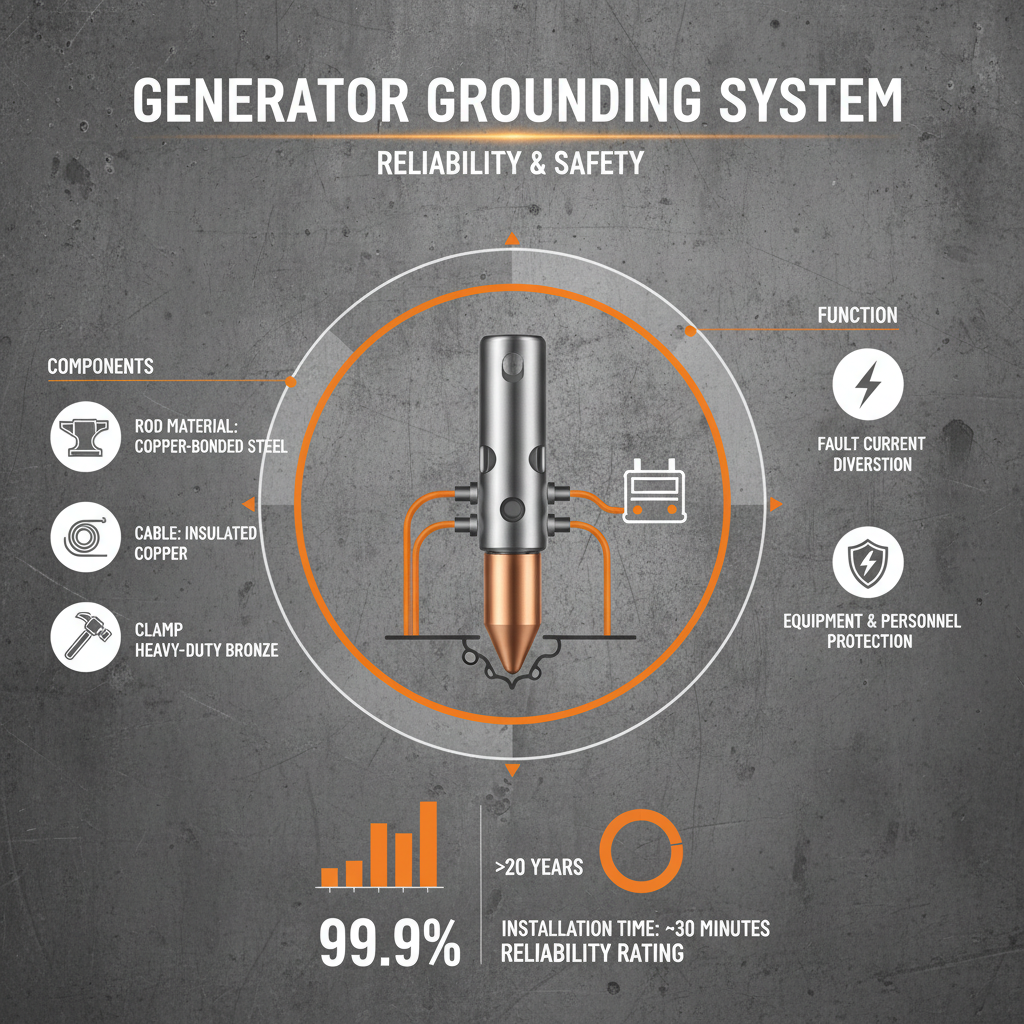
Selecting the appropriate grounding rod for generator depends on several factors, including soil composition, generator size, and local electrical codes. Copper and copper-clad steel are the most common materials. Copper offers excellent conductivity but is more expensive. Copper-clad steel provides a good balance of conductivity and affordability. The length and diameter of the rod are also crucial; longer and thicker rods provide lower resistance to ground. Generally, an 8-foot copper grounding rod with a diameter of 5/8 inch is recommended for most residential generators.
Grounding Rod Material Comparison:
• Copper: Excellent conductivity, most expensive.
• Copper-Clad Steel: Good conductivity, more affordable.
• Galvanized Steel: Lower conductivity, least expensive (not recommended for generators).
Ground Rod Size and Soil Conductivity
Soil conductivity plays a vital role in the effectiveness of grounding. Sandy or rocky soil has higher resistance, requiring longer or multiple grounding rods. Clay soil generally offers better conductivity. To determine soil conductivity, a soil resistance test can be performed. Choosing the correct size grounding rod is critical. Smaller diameter rods offer higher resistance and may not provide adequate grounding, particularly in less conductive soils. Refer to local electrical codes for specific requirements in your area. BiloPowTel offers professional guidance on selecting the optimal grounding rod for your specific location and generator.
Proper Installation of Your Grounding Rod
Correct installation is just as important as selecting the right grounding rod. The rod should be driven vertically into the ground to a depth of at least 8 feet. Ensure the connection between the grounding rod and the generator's grounding terminal is secure and corrosion-resistant. Use a grounding clamp specifically designed for this purpose. Avoid sharp bends in the grounding wire. Periodically inspect the grounding system to ensure it remains effective. Loose connections or corrosion can compromise the grounding’s effectiveness. Professional installation is recommended to ensure compliance with local codes and optimal safety.
BiloPowTel: Your Trusted Partner for Generator Grounding
At BiloPowTel, we offer a wide selection of high-quality grounding rods for generators, grounding clamps, and related accessories. Our team of experts can provide guidance on selecting the appropriate grounding solution for your specific needs and ensure proper installation. We are committed to providing safe, reliable, and cost-effective grounding solutions for residential, commercial, and industrial applications. Contact us today to learn more about how we can help protect your generator and your peace of mind.
Conclusion: Prioritizing Safety with Proper Generator Grounding
Investing in a proper grounding rod for generator is an essential step in ensuring safety and protecting your investment. Don't compromise on quality or installation – choose BiloPowTel for reliable grounding solutions and expert support.
Frequently Asked Questions (FAQs)
Can I use a metal fence post as a grounding rod?
While it might seem convenient, using a metal fence post as a grounding rod is generally not recommended and may violate local electrical codes. Fence posts are often not designed for grounding purposes and may not provide a sufficiently low-resistance path to the earth. Furthermore, they may be coated or painted, which can impede conductivity. A dedicated grounding rod specifically designed for electrical grounding is the safest and most reliable option.
How far away from the generator should the grounding rod be placed?
The grounding rod should be placed as close to the generator as practical, ideally within 6 feet. The grounding wire connecting the generator to the rod should be as short and straight as possible to minimize resistance. Avoid sharp bends or loops in the wire. It’s important to check local electrical codes for specific distance requirements in your area.
What gauge grounding wire should I use?
The appropriate gauge grounding wire depends on the generator’s output and the length of the run. Generally, a 6 AWG or 8 AWG copper wire is sufficient for most residential generators. Consult your generator’s manual or a qualified electrician to determine the correct wire gauge for your specific setup. Using an undersized wire can compromise the grounding’s effectiveness.
Latest news
Precision Lifting and Pulling with the Lever Block 0.5 Ton Guide
NewsApr.16,2026
Precision Engineering Guide for High Performance Jet Lever
NewsApr.16,2026
Ultimate Guide to Choosing the Professional Industrial hoist lever
NewsApr.16,2026
Industrial Hoist Lever Chain Guide for Heavy Lifting and Rigging
NewsApr.16,2026
Industrial Lever Hoist Guide for Efficient Lifting and Pulling
NewsApr.16,2026
Ultimate Guide to Hand Ratchet Lift for Heavy Industrial Lifting
NewsApr.16,2026
- CONTACT
- ADDRESS: 188, Fengshou Road, Shijiazhuang. China
- EMAlL: info@bilopowtel.com
- PHONE: 0086-311-88862036
- WHATSAPP: 0086-152-26563165


