



Mar . 10, 2026 01:45 Back to list
Comprehensive Guide to Electrical Earth Rods for Safety and Compliance
Understanding Electrical Earth Rods: A Comprehensive Guide
Electrical earth rods, also known as grounding rods, are critical components of any electrical system. They provide a safe path for fault currents to travel to the earth, minimizing the risk of electric shock and protecting sensitive equipment. This article provides a deep dive into the world of electrical earth rods, covering their types, applications, installation, and importance. Understanding these rods is paramount for ensuring safety and compliance in residential, commercial, and industrial settings.
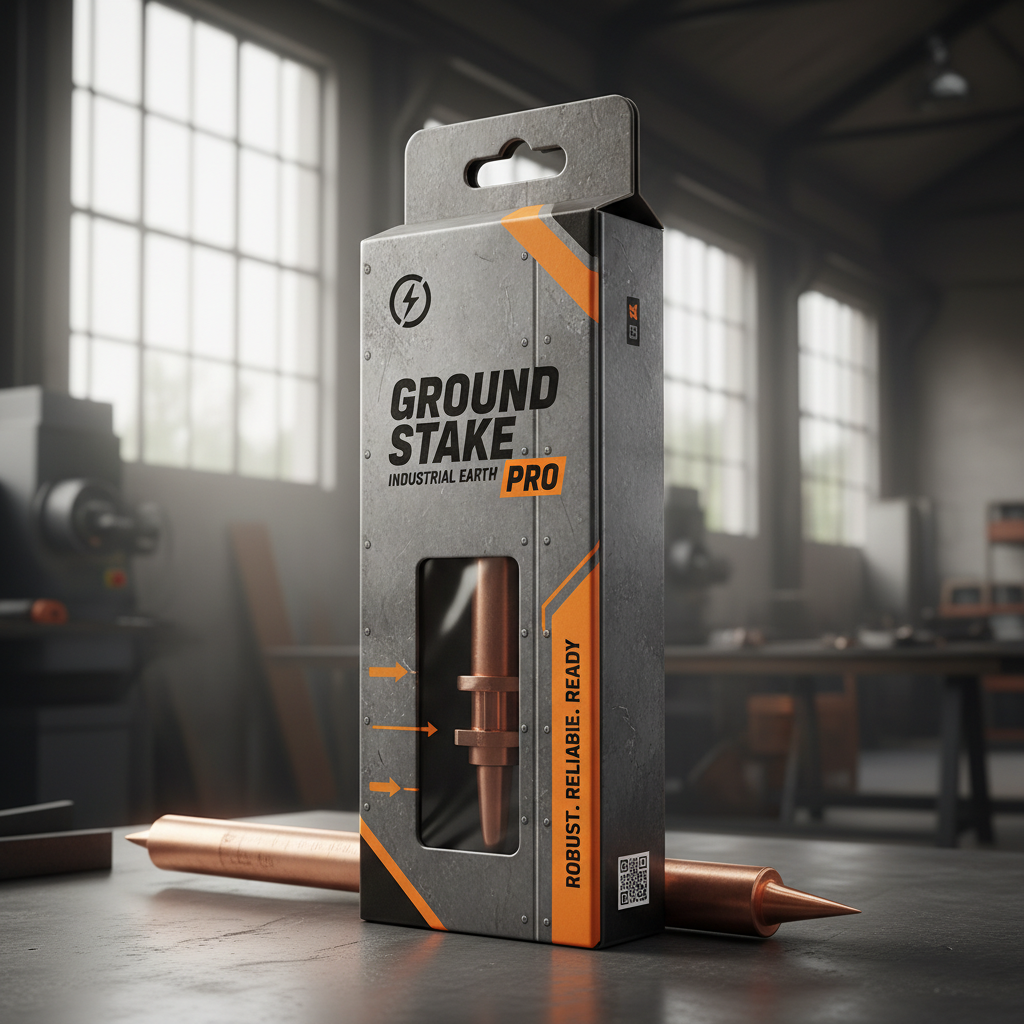
What is an Electrical Earth Rod and Why is it Important?
An electrical earth rod is a conductive rod, usually made of copper or galvanized steel, that is driven into the earth to establish a low-resistance pathway for electrical current. Its primary function is to protect people and equipment from hazardous voltage. During a fault condition, such as a short circuit, the earth rod provides a route for the fault current to flow back to the source, triggering the protective devices (circuit breakers or fuses) to disconnect the power. Without a properly installed earth rod, fault currents could build up on metallic parts of equipment, creating a dangerous shock hazard. It's a foundational element in electrical safety.
Key Benefits: Provides a safe path for fault currents, protects against electric shock, safeguards sensitive equipment, and ensures compliance with electrical safety standards.
Types of Electrical Earth Rods
Several types of earth rods are available, each suited to different soil conditions and application requirements. The most common types include:
- Copper Earth Rods: Offer excellent conductivity and corrosion resistance, making them ideal for most soil types.
- Galvanized Steel Earth Rods: More affordable than copper, but can corrode over time, especially in acidic soils.
- Stainless Steel Earth Rods: Provide superior corrosion resistance and are suitable for harsh environments.
- Hollow Round Copper Earth Rods: Designed for installation in rocky or difficult soil conditions.
- Chemical Earth Rods: Use a copper-coated steel core and a chemical filling to improve conductivity and corrosion resistance.
Choosing the Right Earth Rod:
• Soil Conductivity: High conductivity soils require shorter rods; low conductivity soils require longer rods or multiple rods.
• Soil Composition: Acidic soils can corrode galvanized steel rods.
• Budget: Copper rods are more expensive but offer superior performance.
Electrical Earth Rod Specifications & Comparison
Understanding the specifications of earth rods is crucial for selecting the correct one for your application. Here's a comparison of common types:
Installing Electrical Earth Rods: Best Practices
Correct installation is crucial for the effectiveness of an earth rod. Here are some best practices:
- Location: Choose a location with consistently moist soil.
- Depth: Drive the rod fully into the ground, leaving a small portion exposed for connection.
- Spacing: If multiple rods are used, space them at least the length of the rod apart.
- Connection: Use approved connectors to securely connect the earth wire to the rod.
- Testing: Always test the earth resistance after installation to ensure it meets safety standards.
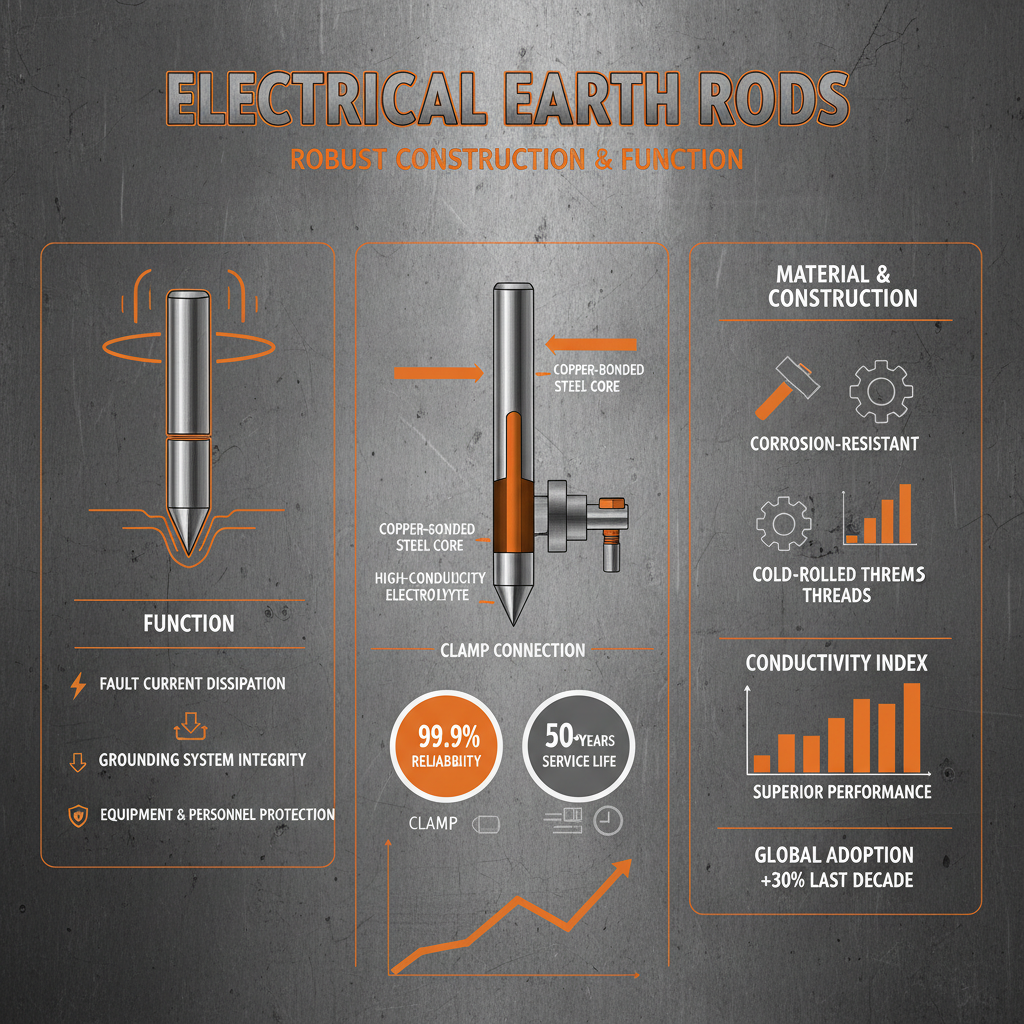
Why Choose Bilopowtel for Your Earth Rod Needs?
At Bilopowtel, we offer a comprehensive range of high-quality electrical earth rods to suit diverse applications. We provide durable and reliable products that adhere to stringent industry standards. Our team is dedicated to providing expert advice and support to help you select the right earth rod for your specific needs. We are committed to ensuring electrical safety through superior products and exceptional customer service.
Conclusion: Ensuring Safety with Reliable Earth Rods
Investing in a high-quality electrical earth rod from a reputable supplier like Bilopowtel is a crucial step towards ensuring electrical safety and protecting valuable equipment. Don’t compromise on safety – choose Bilopowtel for reliable grounding solutions.
Frequently Asked Questions (FAQs)
What is the recommended depth for installing an earth rod?
The recommended depth for installing an earth rod typically ranges from 2.4 meters (8 feet) for residential applications to deeper for industrial setups. It’s crucial to ensure the rod is driven fully into the ground, penetrating consistently moist soil for optimal conductivity. The specific depth may also be dictated by local electrical codes and regulations. A deeper installation generally provides lower earth resistance, enhancing safety and protection. Always consult with a qualified electrician to determine the appropriate depth for your specific application and location.
How often should an earth rod system be inspected?
An earth rod system should be inspected at least every five years, or more frequently in corrosive environments. Inspections should include a visual check for corrosion, damage to the rod and connections, and a measurement of the earth resistance. It's crucial to address any signs of corrosion or high resistance promptly to maintain the system's effectiveness. Regular inspection and maintenance are essential for ensuring long-term safety and reliability.
What factors affect the earth resistance?
Several factors can influence earth resistance, including soil type, moisture content, temperature, and the presence of minerals or salts. Dry, sandy soil typically has higher resistance than moist clay soil. Temperature also plays a role, as frozen ground increases resistance. The material and length of the earth rod, as well as the quality of the connections, also contribute to the overall resistance. Regularly monitoring earth resistance is crucial to identify and address any issues that may compromise the system's performance.
Latest news
Precision Lifting and Pulling with the Lever Block 0.5 Ton Guide
NewsApr.16,2026
Precision Engineering Guide for High Performance Jet Lever
NewsApr.16,2026
Ultimate Guide to Choosing the Professional Industrial hoist lever
NewsApr.16,2026
Industrial Hoist Lever Chain Guide for Heavy Lifting and Rigging
NewsApr.16,2026
Industrial Lever Hoist Guide for Efficient Lifting and Pulling
NewsApr.16,2026
Ultimate Guide to Hand Ratchet Lift for Heavy Industrial Lifting
NewsApr.16,2026
- CONTACT
- ADDRESS: 188, Fengshou Road, Shijiazhuang. China
- EMAlL: info@bilopowtel.com
- PHONE: 0086-311-88862036
- WHATSAPP: 0086-152-26563165


