



Apr . 09, 2026 01:45 Back to list
Ultimate Guide to Selecting and Using an Engine Hoist Lever
Mastering Engine Lifts: The Ultimate Guide to the Engine Hoist Lever
Whether you are a professional mechanic or a dedicated DIY enthusiast, the precision and safety of your lifting equipment can make or break a project. The engine hoist lever is a critical component that transforms a heavy-duty lifting task into a controlled, manageable operation. By providing the necessary mechanical advantage, this tool allows for the seamless removal and installation of heavy engines without compromising safety. In this comprehensive guide, we will explore the technical nuances, selection criteria, and maintenance tips to ensure your workshop remains efficient and hazard-free.
The Mechanical Role of an Engine Hoist Lever
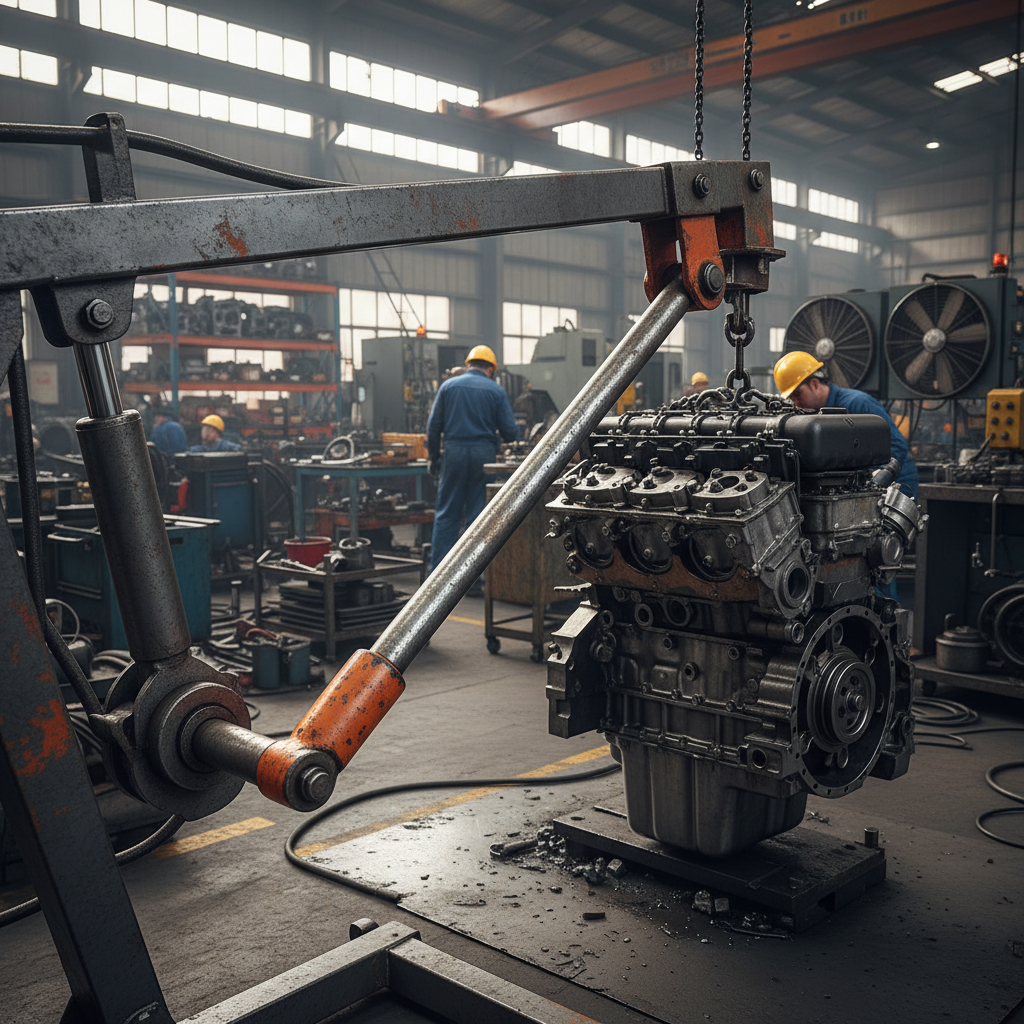
At its core, the engine hoist lever acts as the primary interface between the operator and the hydraulic or mechanical lifting system. Its main purpose is to multiply the force applied by the user, allowing a relatively small amount of effort to lift several hundred pounds of cast iron and aluminum. A high-quality lever is designed with ergonomics in mind, reducing operator fatigue and preventing wrist strain during repetitive pumping actions. Precision control is the most significant benefit, as it enables the user to make micro-adjustments when aligning the engine with the vehicle's chassis.
Pro Tip: Always check the pivot point of your lever for wear. A loose pivot can lead to "play" in the lift, making it difficult to achieve the pinpoint accuracy needed for engine mating.
Choosing the Right Engine Hoist Lever Material
Not all levers are created equal. The material composition directly impacts the tool's longevity and its ability to withstand extreme stress without bending. Most professional-grade engine hoist lever options are crafted from forged steel or reinforced alloys. Forged steel provides superior structural integrity compared to cast iron, which can be brittle under sudden shock loads. Additionally, the coating—whether it is powder-coated or chrome-plated—serves as a barrier against oil, grease, and corrosion, which are omnipresent in any automotive garage environment.
Material Comparison Highlights:
• Forged Steel: Maximum durability, resists bending under peak loads.
• Alloy Steel: Balanced weight and strength, excellent for mobile hoists.
• Powder Coating: Essential for preventing rust in humid shop conditions.
Comparing Engine Hoist Lever Performance
When evaluating different models, it is helpful to look at the operational efficiency and safety ratings. A premium engine hoist lever will typically offer a smoother actuation cycle and a more secure locking mechanism. Below is a comparison between industrial-grade levers and entry-level consumer options to help you decide which fits your workflow.
Safe Operation Practices for the Engine Hoist Lever
Safety is non-negotiable when dealing with suspended loads. The proper use of an engine hoist lever starts with ensuring the hoist is on level ground. Operators should always pump the lever steadily; jerky movements can cause the load to swing, potentially damaging the engine or causing the hoist to tip. It is also critical to verify that the lever is fully engaged in the locking position before stepping away from the equipment. Never use a "cheater pipe" to extend the lever, as this can exceed the design limits of the metal and lead to catastrophic failure.
Technical Specifications of Premium Levers
For those looking to upgrade their gear, understanding the specifications is key. A professional engine hoist lever is engineered to specific tolerances to ensure it fits the hydraulic cylinder perfectly. The length of the lever is mathematically calculated to provide the optimal ratio of input force to output lift. Below are the typical specifications found in our top-tier professional series.
Maintaining Your Engine Hoist Lever for Longevity
To ensure your engine hoist lever remains in peak condition, a simple maintenance routine is required. First, keep the pivot points lubricated with a high-quality lithium grease to prevent friction and wear. Second, wipe down the lever after every use to remove corrosive fluids like brake cleaner or engine oil. Third, perform a visual inspection every few months to check for hairline cracks or signs of metal fatigue, especially near the handle junction. By treating your tools with care, you extend their service life and ensure consistent performance for years to come.
Conclusion: Elevate Your Garage with Precision
Investing in a high-quality engine hoist lever is an investment in both efficiency and safety. From the material choice to the ergonomic design, every detail contributes to a smoother workflow and a safer environment. By following the operational and maintenance guidelines outlined in this guide, you can tackle even the most demanding engine swaps with confidence. Don't let a subpar tool hold back your productivity—choose professional equipment for professional results.
Frequently Asked Questions (FAQs)
Can I replace a broken lever on an old engine hoist?
Yes, in most cases, the engine hoist lever is a replaceable component. However, it is crucial to match the specifications of the replacement lever with your specific hoist model. You must check the pivot pin diameter and the overall length of the arm to ensure the mechanical advantage remains correct. Using a lever that is too short will make lifting significantly harder, while one that is too long may apply excessive force to the hydraulic cylinder, potentially damaging the seals. Always refer to your hoist's manual or contact the manufacturer for compatible part numbers.
What should I do if the lever feels "spongy" or resists lifting?
A "spongy" feeling is typically not a fault of the lever itself but an indication of air in the hydraulic system or a leak in the cylinder. If the engine hoist lever requires more effort than usual, first check the hydraulic fluid levels. If the fluid is low, the pump cannot create the necessary pressure. If the fluid is full, you may need to bleed the system to remove trapped air. If the lever is physically bending or flexing during the lift, stop immediately, as this indicates the load exceeds the tool's capacity or the material is failing.
How do I know if my lever is made of forged steel or cast iron?
The easiest way to distinguish between the two is by looking at the surface texture and the weight. Cast iron typically has a slightly grainier, pitted surface and is more prone to "brittle" fractures. Forged steel is smoother, denser, and generally heavier for the same volume of metal. Furthermore, forged components often have a distinct "flow" to the metal shape. High-end manufacturers will usually specify "Forged Steel" in their product descriptions. For critical lifting tasks, always opt for forged steel to ensure the engine hoist lever can handle the dynamic stress of a heavy engine.
Is a longer lever always better for lifting?
While a longer lever increases the mechanical advantage (making the lift feel easier), it is not always better. A lever that is excessively long can cause the operator to move in a wider, more awkward arc, which may be restrictive in a crowded garage. More importantly, an overly long lever can apply force that exceeds the rated capacity of the hydraulic pump or the structural limits of the hoist's arm. The best engine hoist lever is one that balances ease of use with the engineering limits of the entire machine.
Latest news
Precision Lifting and Pulling with the Lever Block 0.5 Ton Guide
NewsApr.16,2026
Precision Engineering Guide for High Performance Jet Lever
NewsApr.16,2026
Ultimate Guide to Choosing the Professional Industrial hoist lever
NewsApr.16,2026
Industrial Hoist Lever Chain Guide for Heavy Lifting and Rigging
NewsApr.16,2026
Industrial Lever Hoist Guide for Efficient Lifting and Pulling
NewsApr.16,2026
Ultimate Guide to Hand Ratchet Lift for Heavy Industrial Lifting
NewsApr.16,2026
- CONTACT
- ADDRESS: 188, Fengshou Road, Shijiazhuang. China
- EMAlL: info@bilopowtel.com
- PHONE: 0086-311-88862036
- WHATSAPP: 0086-152-26563165


