



Feb . 28, 2026 01:45 Back to list
Understanding the Significance of a 3 4 Ground Rod for Electrical Safety
Understanding the Importance of a 3 4 Ground Rod
In the realm of electrical grounding and lightning protection, a reliable ground rod is paramount. Among the available options, the 3/4 inch ground rod (often referred to as a 3/4" ground rod) is a popular choice, offering a balance of cost-effectiveness, ease of installation, and effectiveness. This article will delve into the specifics of 3/4 ground rods, exploring their applications, installation best practices, and comparing them to other common sizes. Proper grounding is essential for safeguarding equipment, structures, and people, and choosing the right ground rod is the first step. We'll cover everything you need to know to make an informed decision, and show you why Bilo Powtel is a trusted source for high-quality ground rods.
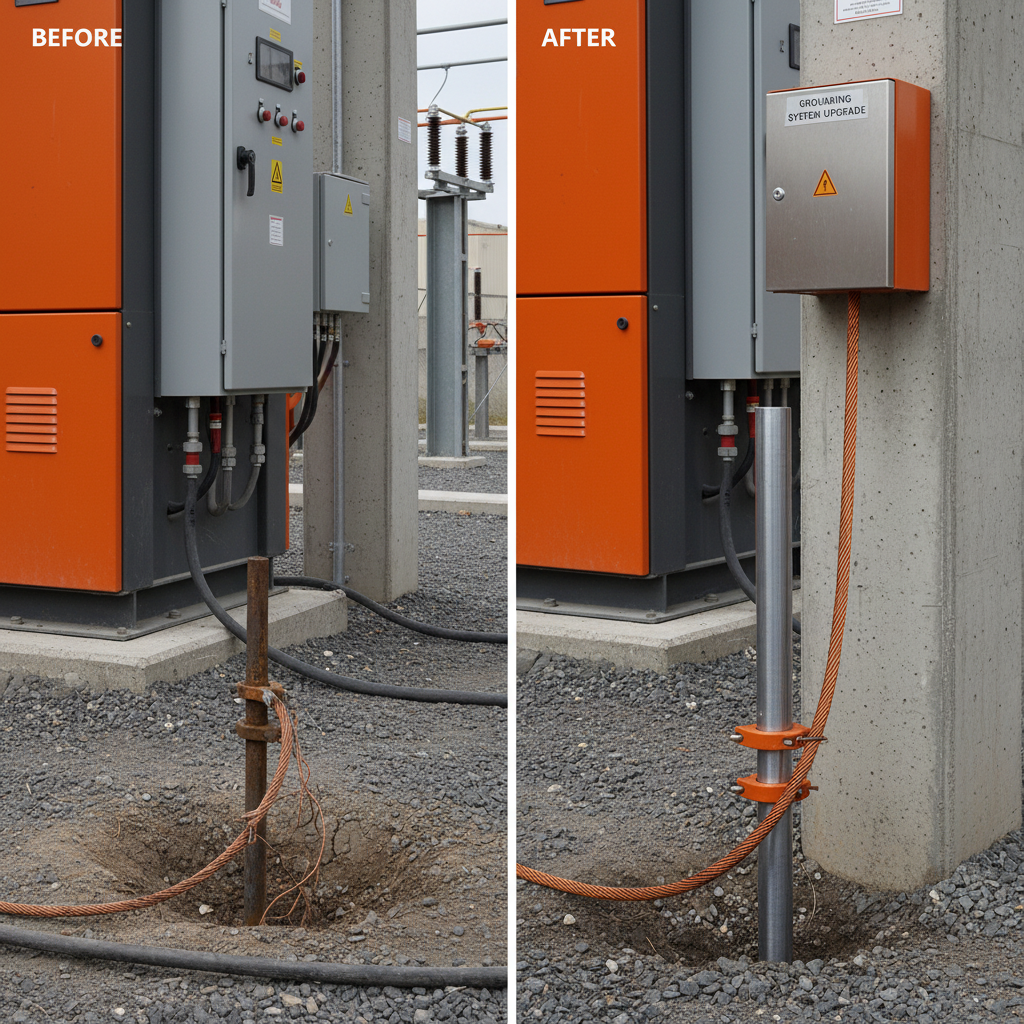
What is a 3/4" Ground Rod and Why Use It?
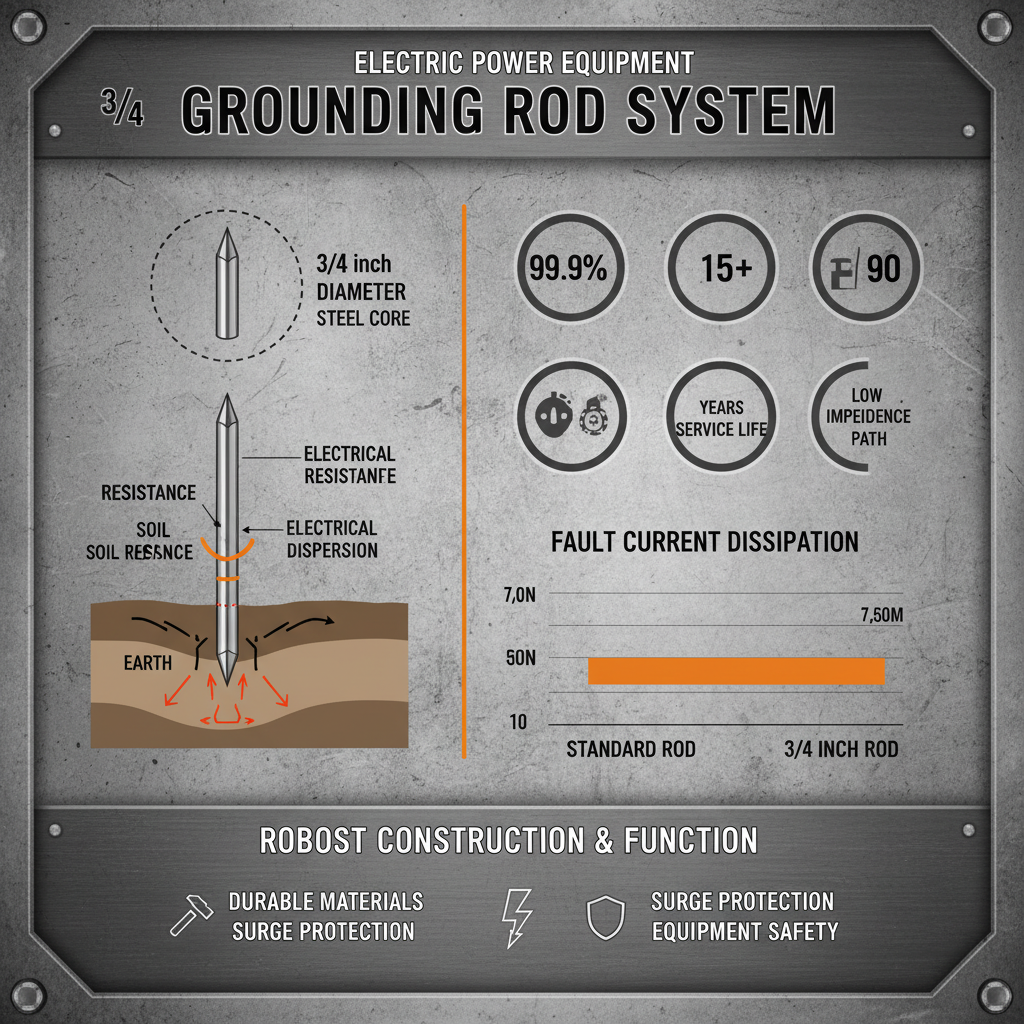
A 3/4" ground rod is a solid, typically copper-clad steel rod measuring 3/4 inch in diameter. It's designed to be driven into the earth to provide a low-resistance pathway for electrical current to dissipate into the ground. This is vital for protecting electrical systems from surges and ensuring the safe operation of equipment. Using a 3/4" ground rod is a common practice for residential, commercial, and industrial applications, particularly where soil conditions are favorable. Its smaller diameter makes it easier to drive into the ground compared to larger rods, and it's often sufficient for many standard grounding requirements. Choosing the right diameter, like 3/4", is critical for optimal performance and long-term reliability.
Key Benefits: Easy installation, cost-effective, suitable for many applications, reliable grounding in favorable soil conditions.
Applications of 3/4" Ground Rods
The versatility of 3/4" ground rods makes them ideal for various applications. Common uses include grounding electrical panels in homes, grounding antennas and satellite dishes, protecting telecommunication equipment, and providing grounding for lightning protection systems. They're frequently used in situations where a simpler, more manageable grounding solution is needed. However, it's crucial to assess the specific grounding requirements of your application to ensure a 3/4" rod provides adequate protection. In areas with rocky soil or high electrical demands, a larger diameter rod might be necessary. Bilo Powtel offers a range of ground rods to meet diverse needs.
Common Applications:
• Residential Electrical Grounding
• Antenna and Satellite Dish Grounding
• Telecommunication Equipment Grounding
• Basic Lightning Protection Systems
3/4" Ground Rod vs. Other Sizes: A Comparative Analysis
While 3/4" ground rods are widely used, it's important to understand how they compare to other common sizes, such as 1/2" and 5/8". Larger diameter rods generally offer lower resistance to ground, especially in poor soil conditions. However, they are more difficult to drive into the ground and are more expensive. Here's a comparative overview:
Proper Installation Techniques for 3/4" Ground Rods
Correct installation is critical for ensuring the effectiveness of a 3/4" ground rod. Drive the rod vertically into the ground until only a small portion remains above the surface. Using a grounding rod driver is highly recommended to avoid bending the rod. Connect the grounding conductor securely to the rod using an approved clamp. It's also beneficial to surround the rod with backfill material consisting of bentonite clay to improve conductivity and retain moisture. Always consult local electrical codes and regulations for specific requirements. Bilo Powtel provides comprehensive resources and support for proper ground rod installation.
Conclusion: Choosing the Right Ground Rod for Your Needs
Investing in Safety with a Quality Ground Rod
The 3/4" ground rod is an excellent choice for a wide range of applications, providing a reliable and cost-effective grounding solution. When selecting a ground rod, consider the specific grounding requirements of your project, soil conditions, and local electrical codes. Bilo Powtel offers a comprehensive selection of high-quality ground rods and accessories, along with expert advice to help you choose the right solution for your needs. Prioritize safety and ensure a secure grounding system with Bilo Powtel.
Frequently Asked Questions (FAQs)
How deep should a 3/4" ground rod be driven?
Generally, a 3/4" ground rod should be driven at least 8 feet into the ground. However, local electrical codes may have specific requirements. The goal is to reach soil that is consistently moist, as moisture enhances conductivity. In areas with dry or rocky soil, deeper penetration might be necessary. It's also important to leave a small portion of the rod above ground for connection purposes.
Can multiple ground rods be used together?
Yes, in many situations, using multiple ground rods connected together can significantly improve grounding performance. This is particularly beneficial in areas with poor soil conductivity. The rods should be spaced at least the length of the rod itself apart. Connecting rods creates a larger grounding surface area, lowering overall resistance.
What is a grounding conductor clamp and why is it important?
A grounding conductor clamp is a device used to securely connect the grounding conductor (wire) to the ground rod. It's crucial to use a clamp that is specifically designed for grounding and is compatible with the size of both the ground rod and the grounding conductor. A poor connection can significantly increase resistance and compromise the effectiveness of the grounding system. Bilo Powtel offers a variety of high-quality grounding clamps.
Latest news
Precision Lifting and Pulling with the Lever Block 0.5 Ton Guide
NewsApr.16,2026
Precision Engineering Guide for High Performance Jet Lever
NewsApr.16,2026
Ultimate Guide to Choosing the Professional Industrial hoist lever
NewsApr.16,2026
Industrial Hoist Lever Chain Guide for Heavy Lifting and Rigging
NewsApr.16,2026
Industrial Lever Hoist Guide for Efficient Lifting and Pulling
NewsApr.16,2026
Ultimate Guide to Hand Ratchet Lift for Heavy Industrial Lifting
NewsApr.16,2026
- CONTACT
- ADDRESS: 188, Fengshou Road, Shijiazhuang. China
- EMAlL: info@bilopowtel.com
- PHONE: 0086-311-88862036
- WHATSAPP: 0086-152-26563165


