



Mar . 11, 2026 01:45 Back to list
Exploring EV Charger Without Earth Rod Installation and Safety Considerations
EV Charger Without Earth Rod: A Comprehensive Guide
Considering an EV charger without earth rod? This is a common question for EV owners and installers alike. While traditional installations require a grounding rod for safety, advancements in technology allow for certain EV chargers to operate without one, under specific conditions. This article will provide a comprehensive overview of these chargers, their installation requirements, safety considerations, and when they are suitable. We'll explore the benefits and potential drawbacks, helping you make an informed decision for your EV charging needs.
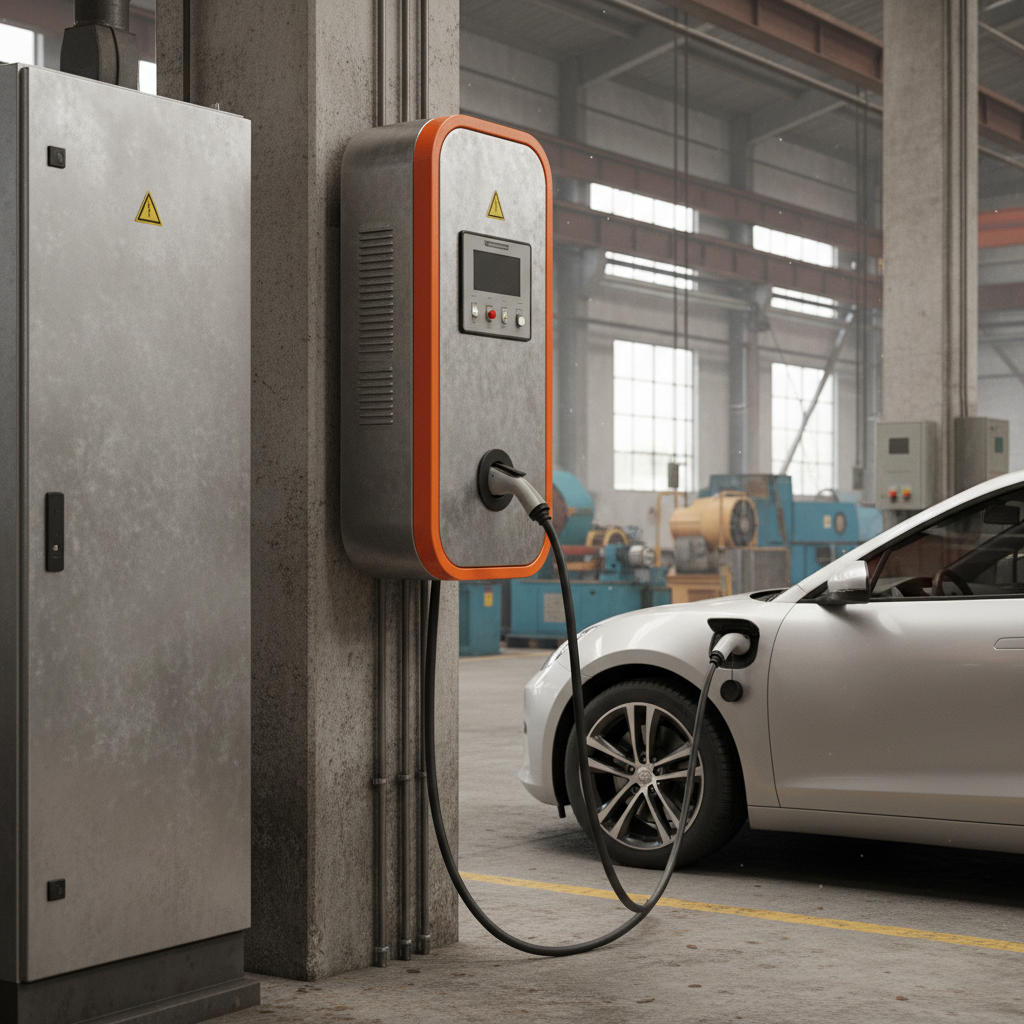
Understanding EV Chargers Without Earth Rod
EV chargers without earth rod, also known as unearthed chargers, utilize a different approach to electrical safety. They rely on built-in Residual Current Devices (RCDs) and double insulation to minimize the risk of electric shock. These chargers are typically designed for installations where a traditional earth connection is unavailable or impractical, such as older buildings or specific site conditions. They are generally Type B RCD protected and ensure a high level of protection against DC fault currents which is critical for EV charging safety. However, it’s crucial to note that their use is governed by specific electrical regulations and standards, and professional installation is always recommended. Bilopowtel specializes in offering safe and compliant unearthed EV charging solutions.
Key Highlights: Un-earthed chargers utilize built-in RCDs and double insulation. Professional installation is vital to ensure compliance with electrical regulations.
When is an EV Charger Without Earth Rod Suitable?
Un-earthed chargers are ideal in situations where establishing a traditional earth connection is difficult or impossible. This includes:
- Older Properties: Buildings with outdated electrical systems may lack a suitable earth connection.
- Rural Locations: Where the soil conditions are unsuitable for an effective earth rod.
- Specific Building Structures: Some building designs, like those with extensive concrete reinforcement, can make earthing challenging.
- Temporary Installations: For short-term charging needs, where a permanent earth connection isn’t feasible.
However, it's essential to have a qualified electrician assess the electrical installation and confirm that it meets the necessary safety standards before installing an un-earthed charger.
Key Considerations:
• An electrical assessment is vital before installation.
• Check local electrical codes and regulations.
• Professional installation by a qualified electrician is mandatory.
EV Charger Without Earth Rod: Safety Features and Standards
Safety is paramount when considering an EV charger without an earth rod. These chargers incorporate several features to mitigate risk:
- Residual Current Device (RCD): This automatically disconnects the power supply in the event of a fault current, protecting against electric shock.
- Double Insulation: Ensures that live parts are isolated from accessible surfaces.
- Type B RCD Protection: Essential for EV charging to protect against DC fault currents.
- Compliance with Standards: Chargers must meet relevant safety standards, such as IEC 61851-1.
Choosing the Right EV Charger Without Earth Rod
When selecting an un-earthed EV charger, consider the following factors:
- Power Output: Choose a charger that matches your EV's charging needs.
- Compatibility: Ensure the charger is compatible with your EV model.
- Safety Certifications: Verify that the charger meets relevant safety standards (IEC 61851-1, CE marking).
- RCD Type: Confirm the charger incorporates a Type B RCD for DC fault current protection.
- Brand Reputation: Opt for a reputable brand known for quality and reliability.
Bilopowtel offers a range of high-quality un-earthed EV chargers designed for safety and performance.
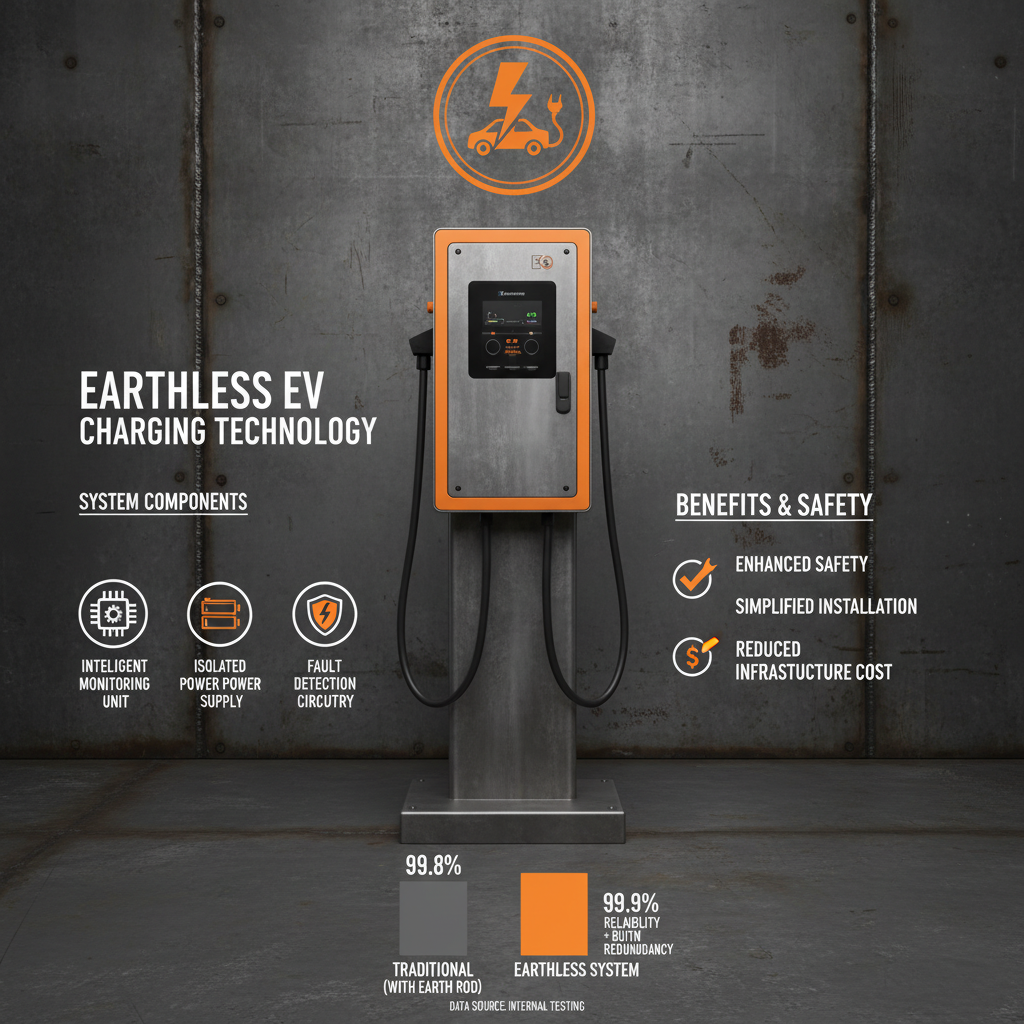
Conclusion: Safe and Convenient EV Charging Solutions
Investing in an EV charger without earth rod can be a practical solution when traditional earthing isn't feasible. However, prioritize safety by choosing a certified charger, ensuring professional installation, and adhering to all local electrical regulations. With the right approach, you can enjoy the convenience of EV charging without compromising on safety.
Frequently Asked Questions (FAQs)
Is an EV charger without an earth rod as safe as a traditional one?
When installed correctly by a qualified electrician and meeting all relevant safety standards, an EV charger without an earth rod can be just as safe as a traditional one. The key difference lies in the safety mechanisms employed. Instead of relying on an earth connection to divert fault currents, these chargers utilize RCDs, double insulation, and often Type B RCD protection to minimize the risk of electric shock. The charger must comply with IEC 61851-1 standards and undergo rigorous testing to ensure its safety. It’s crucial to ensure the electrical installation is suitable and meets the requirements of the charger.
Can I install an un-earthed EV charger myself?
No, you should never attempt to install an un-earthed EV charger yourself. Due to the complex electrical requirements and safety considerations, installation must be carried out by a qualified and certified electrician. They will assess your electrical installation, ensure compliance with local regulations, and properly connect the charger, including testing and commissioning. Incorrect installation could lead to a serious safety hazard.
What is a Type B RCD and why is it important?
A Type B RCD (Residual Current Device) is specifically designed to detect DC fault currents, which can occur during EV charging. Standard RCDs (Type A) are effective for detecting AC fault currents but may not respond to DC faults. DC faults can be dangerous because they don’t always trip standard RCDs, potentially leading to a fire or electric shock. Type B RCDs offer enhanced safety for EV charging by providing protection against both AC and DC fault currents.
Latest news
Precision Lifting and Pulling with the Lever Block 0.5 Ton Guide
NewsApr.16,2026
Precision Engineering Guide for High Performance Jet Lever
NewsApr.16,2026
Ultimate Guide to Choosing the Professional Industrial hoist lever
NewsApr.16,2026
Industrial Hoist Lever Chain Guide for Heavy Lifting and Rigging
NewsApr.16,2026
Industrial Lever Hoist Guide for Efficient Lifting and Pulling
NewsApr.16,2026
Ultimate Guide to Hand Ratchet Lift for Heavy Industrial Lifting
NewsApr.16,2026
- CONTACT
- ADDRESS: 188, Fengshou Road, Shijiazhuang. China
- EMAlL: info@bilopowtel.com
- PHONE: 0086-311-88862036
- WHATSAPP: 0086-152-26563165


