



Mar . 04, 2026 01:45 Back to list
Comprehensive Guide to the 5 8x8 Ground Rod for Optimal Grounding Systems
Understanding the 5 8x8 Ground Rod: A Comprehensive Guide
When establishing a reliable grounding system, the 5 8x8 ground rod is a crucial component. Often utilized in telecommunications, electrical systems, and lightning protection, understanding its specifications, installation, and benefits is paramount for ensuring safety and system performance. This article will delve into the details of the 5 8x8 ground rod, providing a thorough overview for professionals and DIY enthusiasts. Proper grounding is vital for protecting equipment and personnel from electrical hazards.
What is a 5 8x8 Ground Rod?
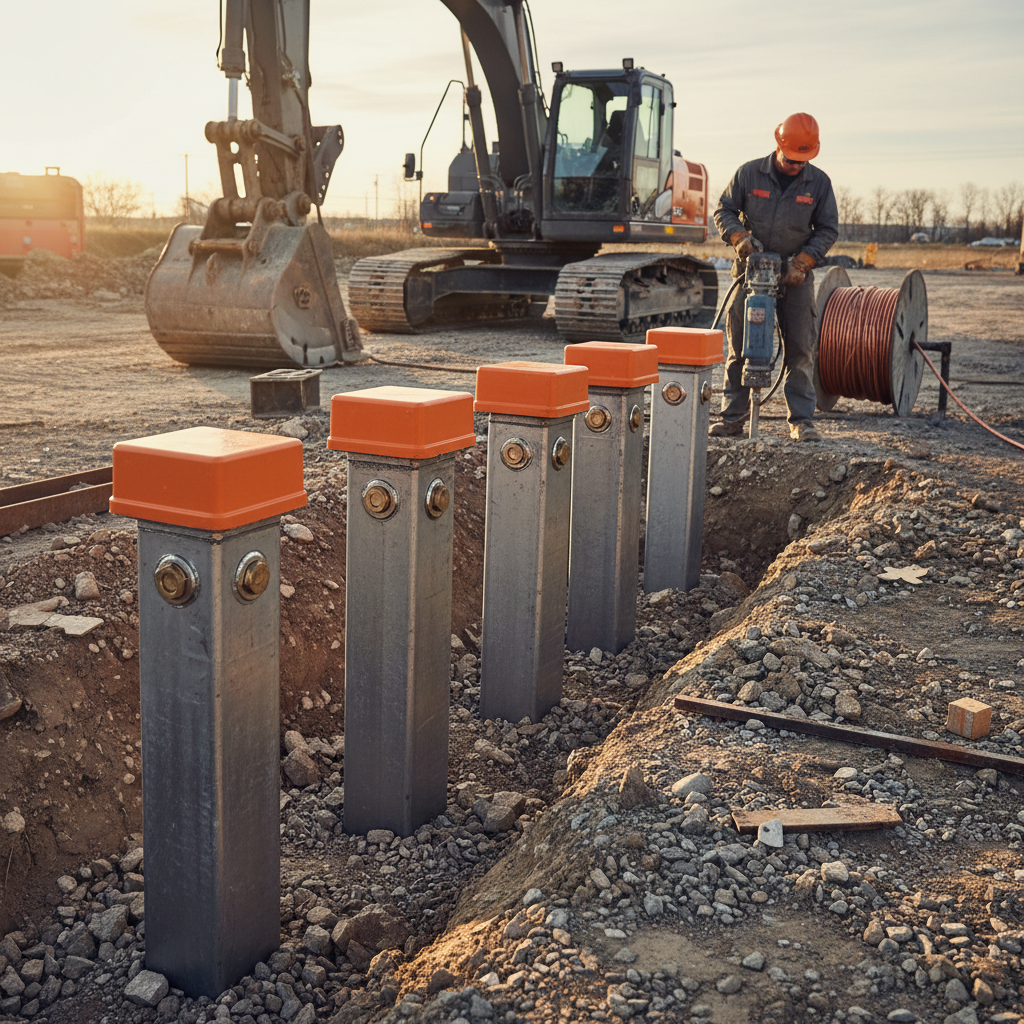
A 5 8x8 ground rod refers to a grounding electrode made of a conductive material, typically copper-bonded steel, with specific dimensions. "5 8" denotes the diameter (5/8 inch or approximately 16mm), and "8" represents the length in feet (8 feet or approximately 2.44 meters). These rods are driven into the earth to provide a low-resistance path for electrical current to dissipate, ensuring the safety of electrical systems and protecting against damage from surges, lightning strikes, and static electricity. The quality of the ground rod, including the copper bonding thickness, significantly impacts its effectiveness. Bilo Powtel offers high-quality ground rods designed for optimal performance and longevity.
Key Highlights: The 5 8x8 ground rod provides a robust and cost-effective solution for grounding applications. Its specific dimensions offer a balance between ease of installation and effective grounding performance.
Applications of the 5 8x8 Ground Rod
The 5 8x8 ground rod finds widespread use in diverse applications, including:
- Telecommunications: Grounding cell towers, base stations, and related equipment to protect against lightning and voltage surges.
- Electrical Systems: Providing a ground connection for electrical panels, generators, and other electrical infrastructure.
- Lightning Protection: Creating a path for lightning current to safely dissipate into the earth, minimizing damage to structures and equipment.
- Residential Grounding: Grounding electrical systems in homes and buildings for safety.
- Renewable Energy Systems: Grounding solar panel arrays and wind turbines.
The versatility of this ground rod makes it a staple in both professional and residential settings.
Application Benefits:
• Enhanced safety for personnel and equipment
• Protection against electrical surges and lightning strikes
• Improved system performance and reliability
• Compliance with electrical safety codes and standards
5 8x8 Ground Rod vs. Other Grounding Options: A Comparison
While various grounding methods exist, the 5 8x8 ground rod offers a practical and cost-effective solution. Compared to larger diameter or longer rods, it strikes a good balance between installation ease and grounding effectiveness. Compared to ground plates, rods offer better grounding in areas with high soil resistivity. The choice depends on specific site conditions and grounding requirements.
Ensuring Proper Installation of Your 5 8x8 Ground Rod
Correct installation is vital for the effectiveness of the 5 8x8 ground rod. The rod should be driven vertically into the earth until only a few inches remain above ground level. Multiple rods may be required, spaced at least 6-8 feet apart, to achieve a low-resistance ground. A connection clamp should be used to securely connect the ground wire to the rod. Soil conditions play a crucial role; in dry or rocky soil, you may need to consider using a grounding rod chemical to improve conductivity. Always follow local electrical codes and regulations during installation. You can find detailed installation guides and support on Bilo Powtel's website.
Specifications and Materials
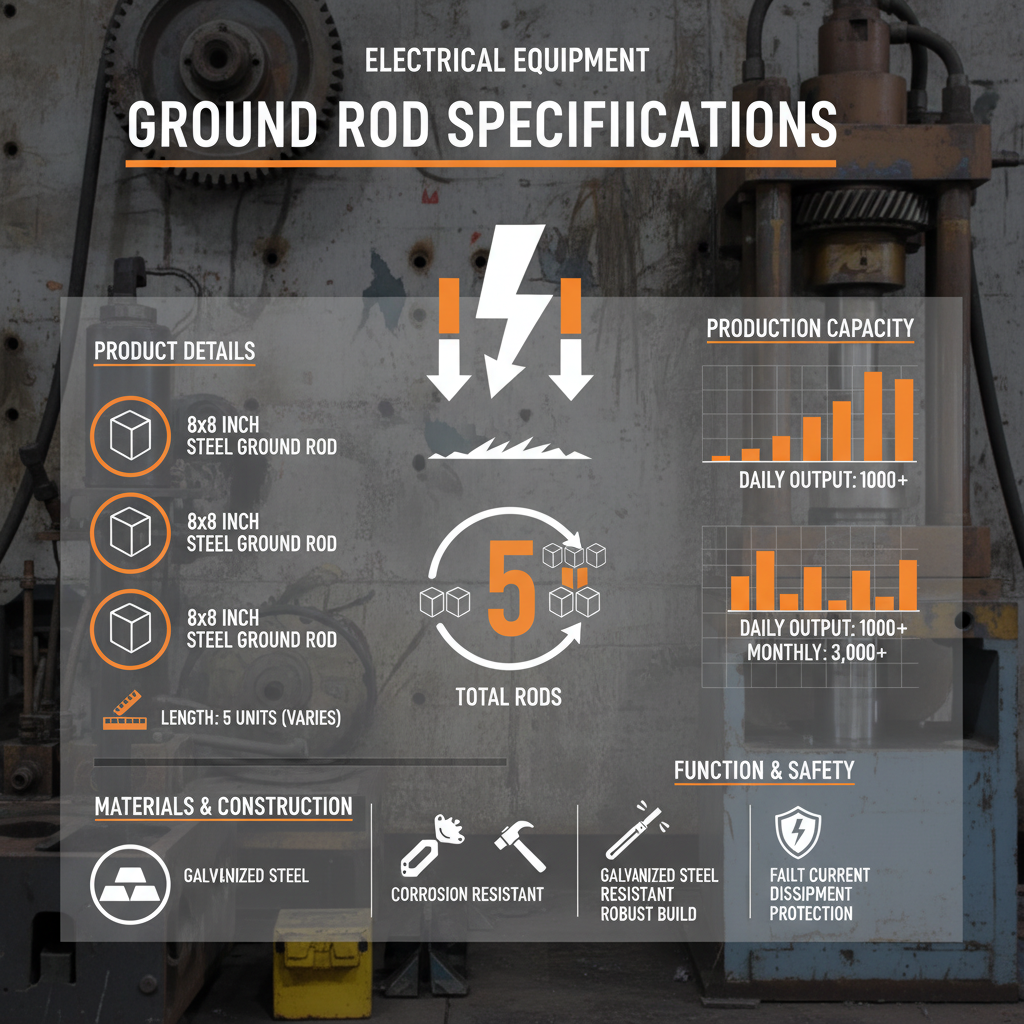
Understanding the specifications of the 5 8x8 ground rod is crucial for ensuring it meets your application requirements. The core of the rod is typically constructed from low carbon steel, providing strength and durability. It is then coated with a thick layer of copper to enhance conductivity and corrosion resistance. The copper thickness is a key factor; a thicker coating provides better performance and longevity.
Conclusion: Ensuring Safety with a Reliable Grounding System
The 5 8x8 ground rod is a fundamental component of any effective grounding system. By understanding its applications, installation requirements, and specifications, you can ensure the safety and reliability of your electrical infrastructure. Investing in high-quality ground rods, like those offered by Bilo Powtel, is a proactive step towards protecting your equipment and personnel.
Frequently Asked Questions (FAQs)
How deep should a 5 8x8 ground rod be driven?
Generally, a 5 8x8 ground rod should be driven until only about 6-12 inches remain above ground level. The total depth will be approximately 7-7.5 feet. However, local electrical codes may have specific requirements, so always consult these regulations. Driving the rod deeper can improve grounding performance, particularly in areas with dry or rocky soil. It's important to ensure the rod is driven vertically to maximize its effectiveness.
What is the best way to connect a ground wire to a ground rod?
The most reliable method is to use a UL-listed ground clamp specifically designed for grounding rods. The clamp should be made of a conductive material, such as copper, and should securely grip the rod. Avoid using makeshift connections or wrapping the wire directly around the rod, as this can corrode and create a poor connection. Ensure the clamp is tightened properly to maintain a strong electrical bond. Using a proper connection ensures a low-resistance path to ground.
How do I test the effectiveness of my ground rod?
You can test the grounding resistance using a ground resistance tester (also known as a megohmmeter). This device measures the resistance between the ground rod and a distant ground point. A low resistance reading (typically less than 5 ohms) indicates a good ground connection. If the resistance is too high, you may need to add additional ground rods or improve the soil conductivity. It's recommended to have a qualified electrician perform this test for accurate results.
What should I do if I encounter a rock while driving the ground rod?
If you encounter a rock while driving the ground rod, do not force it. Forcing the rod can damage it and compromise its grounding effectiveness. Instead, try shifting the location of the rod slightly. If you continue to encounter rocks, consider using a different grounding method, such as a ground plate, or consulting with a professional grounding contractor. It's essential to ensure the rod is fully embedded in the earth for optimal performance.
Latest news
Precision Lifting and Pulling with the Lever Block 0.5 Ton Guide
NewsApr.16,2026
Precision Engineering Guide for High Performance Jet Lever
NewsApr.16,2026
Ultimate Guide to Choosing the Professional Industrial hoist lever
NewsApr.16,2026
Industrial Hoist Lever Chain Guide for Heavy Lifting and Rigging
NewsApr.16,2026
Industrial Lever Hoist Guide for Efficient Lifting and Pulling
NewsApr.16,2026
Ultimate Guide to Hand Ratchet Lift for Heavy Industrial Lifting
NewsApr.16,2026
- CONTACT
- ADDRESS: 188, Fengshou Road, Shijiazhuang. China
- EMAlL: info@bilopowtel.com
- PHONE: 0086-311-88862036
- WHATSAPP: 0086-152-26563165


