



Mar . 31, 2026 01:45 Back to list
Understanding the Power of the Ratchet Lift for Efficient Load Securing
Understanding the Power of the Ratchet Lift: A Comprehensive Guide
In the world of material handling and positioning, efficiency and safety are paramount. The ratchet lift stands out as a versatile and robust solution for lifting and securing loads. This article will explore the functionality, benefits, and applications of ratchet lifts, helping you understand how they can streamline your operations and enhance workplace safety. Whether you’re in construction, transportation, or warehousing, a well-chosen ratchet lift can significantly improve productivity and reduce the risk of accidents. We'll cover everything from basic operation to selecting the right lift for your specific needs.
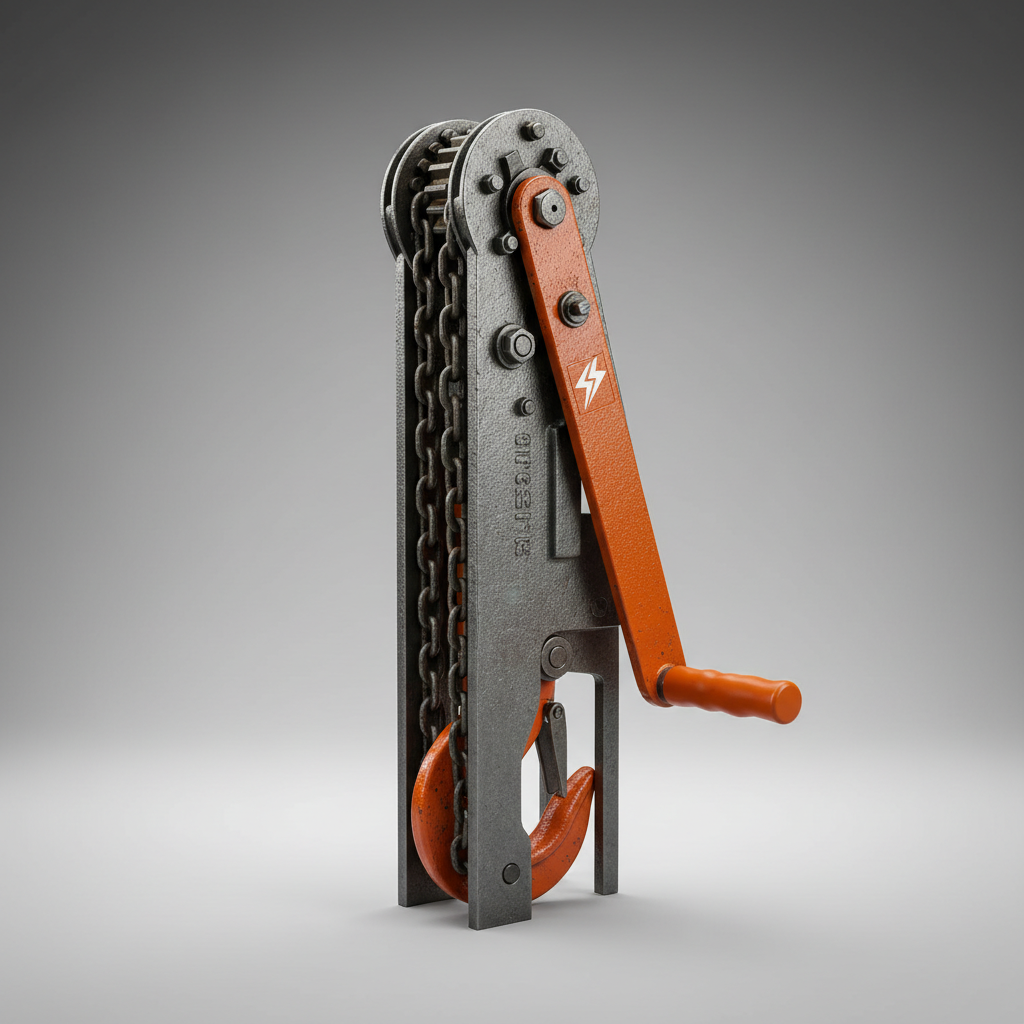
How Does a Ratchet Lift Work?
The principle behind a ratchet lift is deceptively simple yet remarkably effective. It utilizes a ratchet and pawl mechanism to gradually tighten a strap, securing a load in place. The ratchet allows for tensioning in one direction, preventing backsliding and ensuring the load remains firmly secured. The user operates a handle to engage the ratchet, incrementally tightening the strap until the desired tension is achieved. This provides a secure and adjustable system for lashing down cargo. Different models may offer varying load capacities and strap lengths to accommodate a range of applications. The robust construction and reliable mechanism make them a preferred choice in numerous industries.
Key Mechanism: The ratchet and pawl mechanism allows for controlled tensioning and prevents backsliding, ensuring load security.
The Benefits of Using a Ratchet Lift
Employing a ratchet lift offers several significant advantages. First, they are incredibly versatile, adaptable to securing a wide variety of loads. Secondly, they are remarkably user-friendly, requiring minimal training to operate safely and effectively. Perhaps most importantly, they dramatically enhance safety by preventing loads from shifting during transport or operation. They also offer a cost-effective solution for securing cargo, offering a long lifespan with proper maintenance. Finally, they are easily adjustable, allowing for precise tensioning to match the specific requirements of the load.
Key Benefits:
• Versatile and adaptable to various loads
• User-friendly with minimal training required
• Enhanced safety preventing load shifting
• Cost-effective and durable
Ratchet Lift vs. Other Securing Methods: A Comparison
Compared to traditional methods like ropes and chains, ratchet lifts offer superior control and security. Ropes can stretch and loosen over time, while chains can damage loads. Ratchet lifts provide a consistent and adjustable tension, minimizing the risk of shifting and damage. They are also generally lighter and easier to handle than chains. While bungee cords offer convenience, they lack the strength and reliability needed for securing heavier or more critical loads. The ratchet lift provides a balanced combination of strength, reliability, and ease of use.
Applications of Ratchet Lifts Across Industries
The versatility of the ratchet lift makes it indispensable in a wide array of industries. In the transportation sector, they secure cargo on trucks, trailers, and railcars. Construction workers utilize them to secure building materials and equipment. Warehouses rely on ratchet lifts for efficient and safe load securing during storage and shipping. They're also commonly used in the automotive industry for securing vehicles during transport. The adaptability and reliability of these lifts make them a cornerstone of modern logistics and construction.
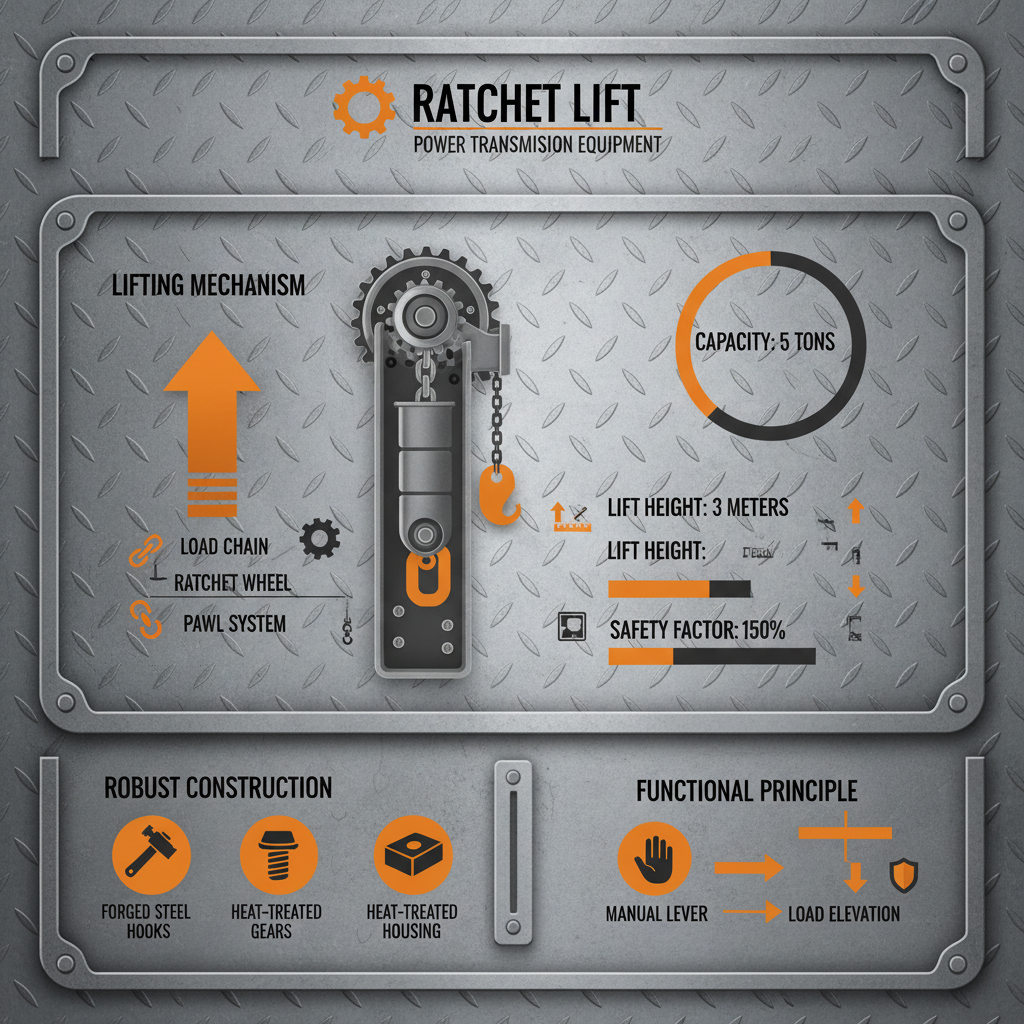
Choosing the Right Ratchet Lift: Key Considerations
Selecting the appropriate ratchet lift requires careful consideration of several factors. First and foremost, determine the weight and dimensions of the loads you'll be securing. Choose a lift with a sufficient working load limit (WLL) to safely handle the weight. Consider the length of the strap needed to accommodate the load size. Different strap materials offer varying levels of durability and resistance to abrasion and weather. Finally, evaluate the ratchet mechanism and handle design for ease of use and long-term reliability. Bilopowtel offers a wide range of ratchet lifts designed to meet diverse needs.
Conclusion: Secure Your Loads with Confidence
The ratchet lift is a vital tool for ensuring safe and efficient load securing across numerous industries. Its simple yet effective design, combined with its durability and versatility, makes it a worthwhile investment. By understanding its functionality and choosing the right lift for your needs, you can significantly improve workplace safety and streamline your operations. Don’t compromise on security – choose a ratchet lift from Bilopowtel today.
Frequently Asked Questions (FAQs)
What is the safe working load limit for a ratchet lift?
The safe working load limit (SWL) varies depending on the ratchet lift's design and construction. It's crucial to always check the manufacturer's markings on the lift itself. Never exceed the SWL, as this can compromise the lift's integrity and lead to a dangerous situation. Regularly inspect the strap for wear and tear, as damage can reduce its load-bearing capacity. A compromised strap should be replaced immediately. Remember, the SWL is a maximum limit, and it's always best to err on the side of caution.
How do I inspect a ratchet lift for damage?
Regular inspection is vital for maintaining the safety of your ratchet lift. Check the strap for cuts, abrasions, fraying, or discoloration. Inspect the ratchet mechanism for smooth operation and any signs of corrosion or damage. Examine the handle for cracks or bends. Also, check the end fittings for any signs of wear or deformation. If you find any damage, remove the lift from service immediately and replace it. A thorough inspection before each use can prevent accidents and ensure the lift's continued reliability.
Can ratchet lifts be used in corrosive environments?
While some ratchet lifts are designed with corrosion-resistant materials, prolonged exposure to harsh chemicals or saltwater can still cause damage. If you're using a ratchet lift in a corrosive environment, opt for models specifically designed for those conditions, often featuring coated straps and mechanisms. Regularly clean and inspect the lift for signs of corrosion, and replace it if damage is detected. Using the wrong type of lift in a corrosive environment can significantly reduce its lifespan and compromise its safety.
Latest news
Precision Lifting and Pulling with the Lever Block 0.5 Ton Guide
NewsApr.16,2026
Precision Engineering Guide for High Performance Jet Lever
NewsApr.16,2026
Ultimate Guide to Choosing the Professional Industrial hoist lever
NewsApr.16,2026
Industrial Hoist Lever Chain Guide for Heavy Lifting and Rigging
NewsApr.16,2026
Industrial Lever Hoist Guide for Efficient Lifting and Pulling
NewsApr.16,2026
Ultimate Guide to Hand Ratchet Lift for Heavy Industrial Lifting
NewsApr.16,2026
- CONTACT
- ADDRESS: 188, Fengshou Road, Shijiazhuang. China
- EMAlL: info@bilopowtel.com
- PHONE: 0086-311-88862036
- WHATSAPP: 0086-152-26563165


