



Mar . 31, 2026 01:45 Back to list
Comprehensive Guide to Lever Hoists for Industrial and Commercial Lifting
Lever Hoists: A Comprehensive Guide
Lever hoists are essential tools for lifting and positioning loads in a variety of industrial and commercial settings. Their compact design, ease of use, and robust lifting capacity make them invaluable for tasks where precision and control are paramount. This article provides a detailed overview of lever hoists, including their applications, benefits, key features, safety considerations, and how to choose the right hoist for your needs. Explore our wide range of lever hoists at Bilopowtel and find the perfect solution for your lifting requirements.
Understanding Lever Hoists: How They Work
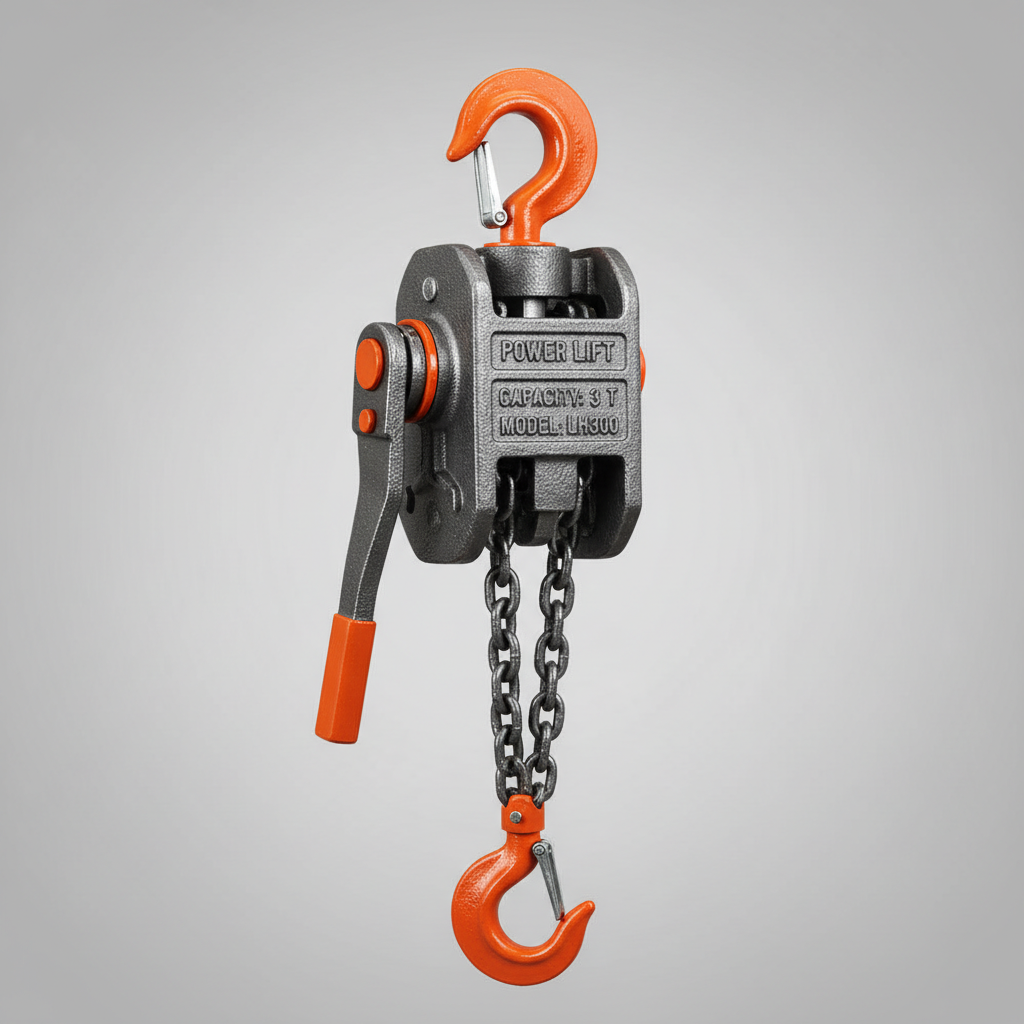
A lever hoist utilizes a simple mechanical advantage principle to lift heavy loads. It consists of a hand chain, a load chain, a lifting hook, and a robust internal gearing system. When you pull down on the hand chain, the gearing mechanism engages, raising the load chain and lifting the attached load. The longer the handle on the lever, the less effort is required to lift the load, demonstrating the principle of leverage. This makes lever hoists particularly useful in confined spaces where powered lifting equipment is impractical.
Key Benefits: Compact design, easy operation, reliable lifting capacity, ideal for confined spaces, minimal maintenance.
Applications of Lever Hoists Across Industries
Lever hoists find widespread applications in numerous industries. In construction, they are used for lifting materials, tools, and equipment. Manufacturing facilities employ them for positioning machinery and components. Maintenance and repair crews rely on them for hoisting engines, generators, and other heavy parts. Furthermore, they are common in warehouses for loading and unloading trucks, and in marine applications for boat maintenance. Bilopowtel’s high-quality lever hoists provide reliable performance in diverse environments.
Common Applications:
• Construction: Lifting materials and equipment
• Manufacturing: Positioning machinery and components
• Marine: Boat maintenance and repair
• Warehousing: Loading and unloading goods
Lever Hoist Capacity and Types
Lever hoists are available in a wide range of capacities, typically ranging from 1.5 tons to 100 tons or more. Choosing the right capacity is crucial for ensuring safe and efficient lifting. There are several types of lever hoists, including: Chain Lever Hoists – the most common type, utilizing a chain for lifting; Wire Rope Lever Hoists – designed for heavier loads and longer lifting heights; and Mini Lever Hoists – compact and lightweight for confined spaces. At Bilopowtel, we offer a diverse selection to meet your specific lifting needs.
Safety Considerations When Using Lever Hoists
Safety is paramount when operating lever hoists. Always inspect the hoist before each use for any signs of damage, such as worn chains, frayed ropes, or cracked components. Ensure the hoist is properly lubricated and that the load chain moves smoothly. Never exceed the hoist's rated capacity. Use appropriate lifting slings and attachments, and ensure the load is securely balanced before lifting. Avoid shock loading and never lift loads over people. Proper training and adherence to safety guidelines are essential for preventing accidents. Browse our range of safe and reliable lever hoists today.
Choosing the Right Lever Hoist for Your Needs
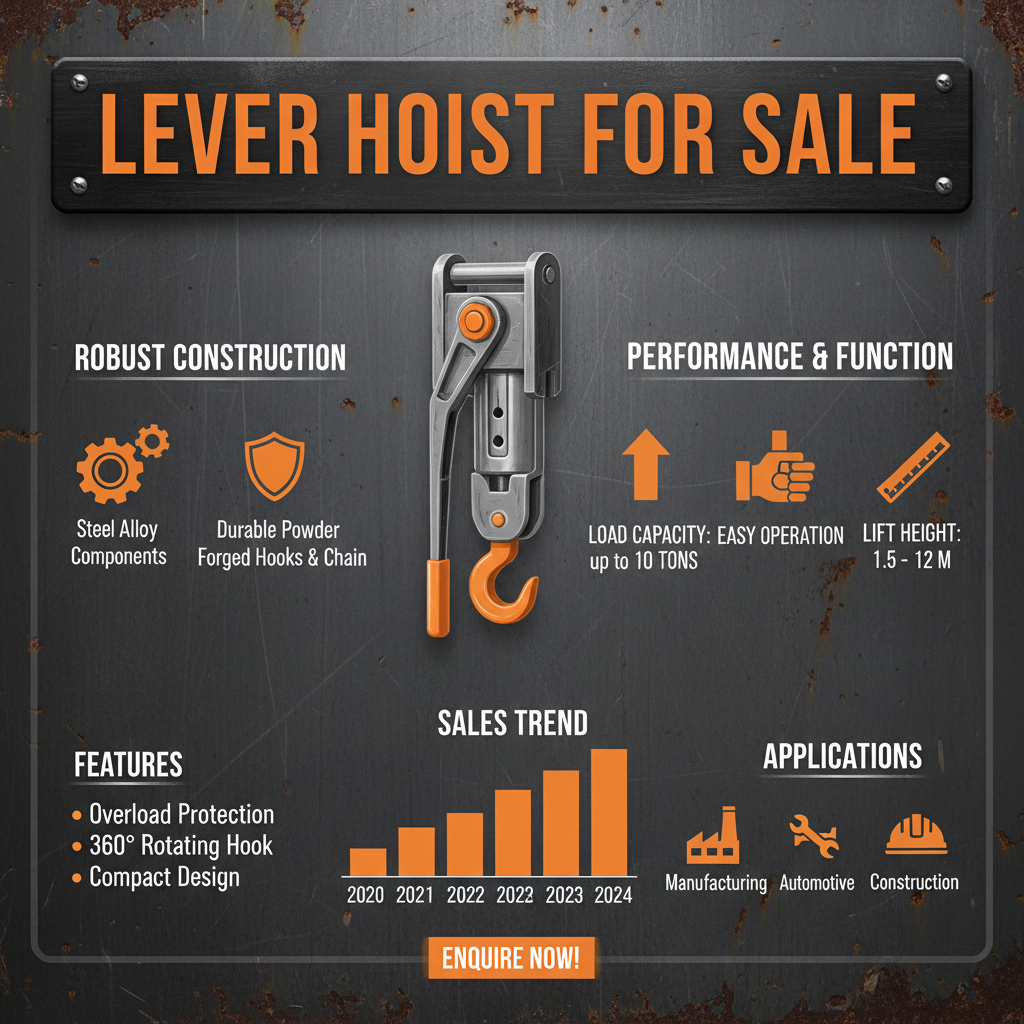
Selecting the appropriate lever hoist involves considering several factors, including the load weight, lifting height, working environment, and frequency of use. Determine the maximum weight you'll be lifting and choose a hoist with a capacity that exceeds this weight by at least 25%. Consider the lifting height required and select a hoist with a sufficient chain or rope length. For harsh environments, choose a hoist with corrosion-resistant coatings. Finally, prioritize quality and reliability by selecting a hoist from a reputable manufacturer like Bilopowtel.
Conclusion: Reliable Lifting Solutions with Bilopowtel
Lever hoists are indispensable tools for a wide range of lifting applications. By understanding their principles of operation, types, safety considerations, and selection criteria, you can choose the right hoist for your needs and ensure safe and efficient lifting. Bilopowtel is your trusted partner for high-quality lever hoists and lifting solutions.
Frequently Asked Questions (FAQs)
What maintenance is required for a lever hoist?
Regular maintenance is crucial for ensuring the longevity and safe operation of your lever hoist. This includes periodic lubrication of moving parts, inspection of the chain or rope for wear and tear, and checking for any signs of damage to the hoist body or hook. It's also essential to keep the hoist clean and free from debris. Consult the manufacturer's manual for specific maintenance recommendations. Proper maintenance will prevent costly repairs and ensure reliable performance.
How often should I inspect my lever hoist?
You should inspect your lever hoist before each use, as well as conduct a more thorough inspection at regular intervals, such as monthly or quarterly, depending on the frequency of use. During the inspection, check for any signs of wear, damage, or corrosion. Pay close attention to the chain or rope, hook, and lifting mechanism. Any damaged components should be replaced immediately. Maintaining a detailed inspection log is also recommended.
What is the difference between a single-stage and a double-stage lever hoist?
Single-stage lever hoists have a longer lifting stroke but require more pulls on the hand chain to reach the desired height. Double-stage lever hoists have a shorter lifting stroke, but they lift the load twice as high per pull on the hand chain. This makes them more efficient for lifting loads to greater heights. The choice between the two depends on your specific lifting requirements.
Can lever hoists be used outdoors?
Lever hoists can be used outdoors, but it's essential to choose a model that is designed for outdoor use. Look for hoists with corrosion-resistant coatings to protect against the elements. Additionally, ensure the hoist is properly protected from rain and other forms of moisture when not in use. Regularly inspect the hoist for signs of corrosion and maintain it accordingly.
Latest news
Precision Lifting and Pulling with the Lever Block 0.5 Ton Guide
NewsApr.16,2026
Precision Engineering Guide for High Performance Jet Lever
NewsApr.16,2026
Ultimate Guide to Choosing the Professional Industrial hoist lever
NewsApr.16,2026
Industrial Hoist Lever Chain Guide for Heavy Lifting and Rigging
NewsApr.16,2026
Industrial Lever Hoist Guide for Efficient Lifting and Pulling
NewsApr.16,2026
Ultimate Guide to Hand Ratchet Lift for Heavy Industrial Lifting
NewsApr.16,2026
- CONTACT
- ADDRESS: 188, Fengshou Road, Shijiazhuang. China
- EMAlL: info@bilopowtel.com
- PHONE: 0086-311-88862036
- WHATSAPP: 0086-152-26563165


