



Feb . 24, 2026 10:55 Back to list
Comprehensive Guide to Electrical Grounding Wire Safety and Applications
Understanding Electrical Grounding Wire: A Comprehensive Guide
Electrical grounding wire is a critical component of any electrical system, ensuring safety and preventing damage. It provides a low-resistance path for fault currents to flow back to the source, tripping breakers and minimizing the risk of electric shock. This article will delve into the purpose, types, applications, and best practices related to electrical grounding wire, offering valuable insights for professionals and homeowners alike. Proper grounding is essential for a safe and reliable electrical infrastructure. We’ll explore how to choose the right grounding wire for your needs and the importance of correct installation.
The Core Function of Electrical Grounding Wire
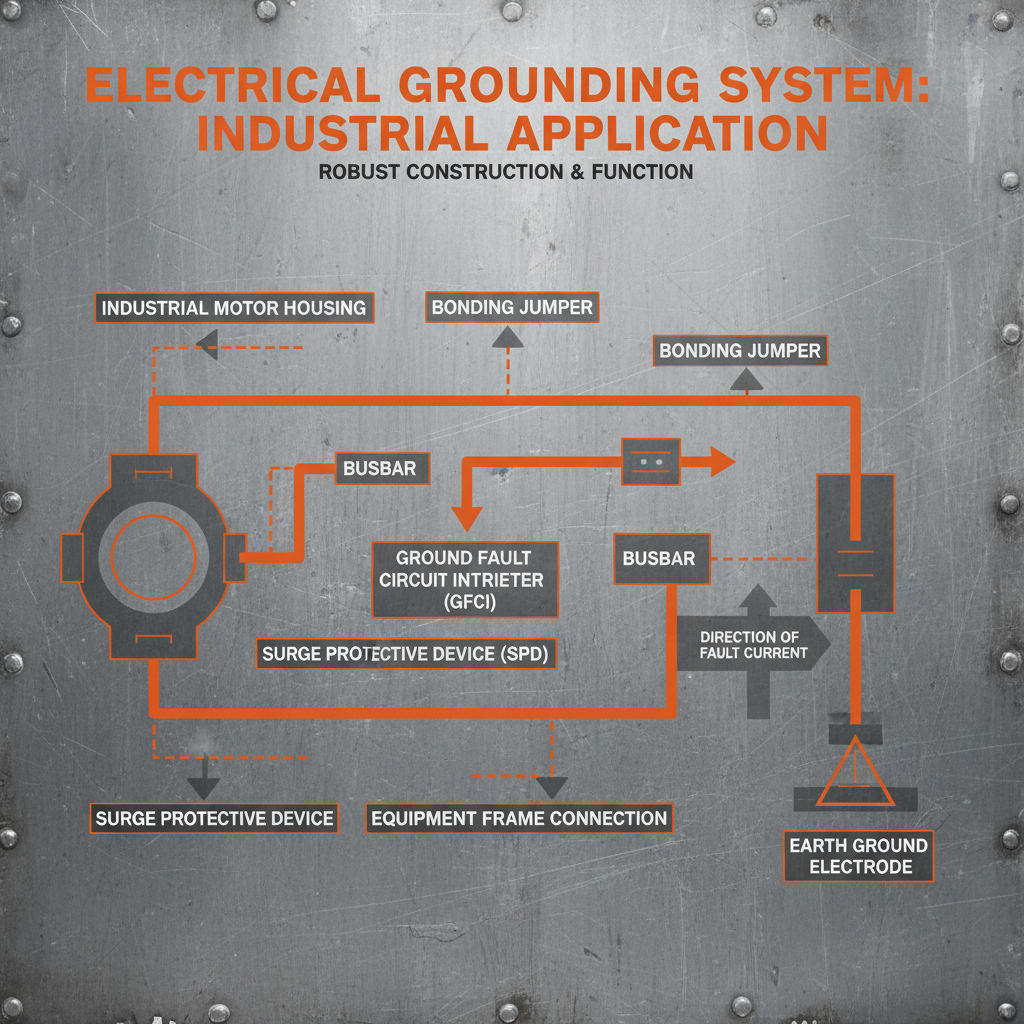
The primary function of electrical grounding wire is to protect people and equipment from electrical hazards. When a fault occurs within an electrical circuit – such as a live wire coming into contact with a metallic enclosure – the grounding wire provides a low-resistance pathway for the current to flow back to the power source. This surge of current triggers the circuit breaker to trip, cutting off the power and preventing a potentially dangerous situation. Without proper grounding, the metal enclosure could become energized, posing a serious shock hazard. Bilopowtel offers a wide selection of grounding wires designed for optimal safety and performance.
Key Benefits: Provides a safe path for fault current, minimizes shock risk, protects electrical equipment, and enhances system reliability.
Types of Electrical Grounding Wire
Electrical grounding wires come in various types, each suited for specific applications. Common types include bare copper wire, insulated copper wire, and grounding conductors integrated within electrical cables (such as Romex). Bare copper wire is often used for grounding rods and water pipes. Insulated copper wire provides an additional layer of protection and is frequently used for equipment grounding. The American Wire Gauge (AWG) dictates the wire's thickness, with lower numbers indicating thicker wires capable of carrying higher currents. Choosing the correct type and gauge is crucial for ensuring effective grounding.
Grounding Wire Types:
• Bare Copper Wire: Used for grounding rods and water pipes.
• Insulated Copper Wire: Provides extra protection, used for equipment grounding.
• Cable-Integrated Grounding Conductors: Found within Romex and other cable assemblies.
Electrical Grounding Wire: A Comparative Look
Selecting the appropriate grounding wire involves considering various factors, including application, environment, and electrical load. Here's a comparison of common grounding wire materials and their characteristics:
Applications of Grounding Wire in Different Settings
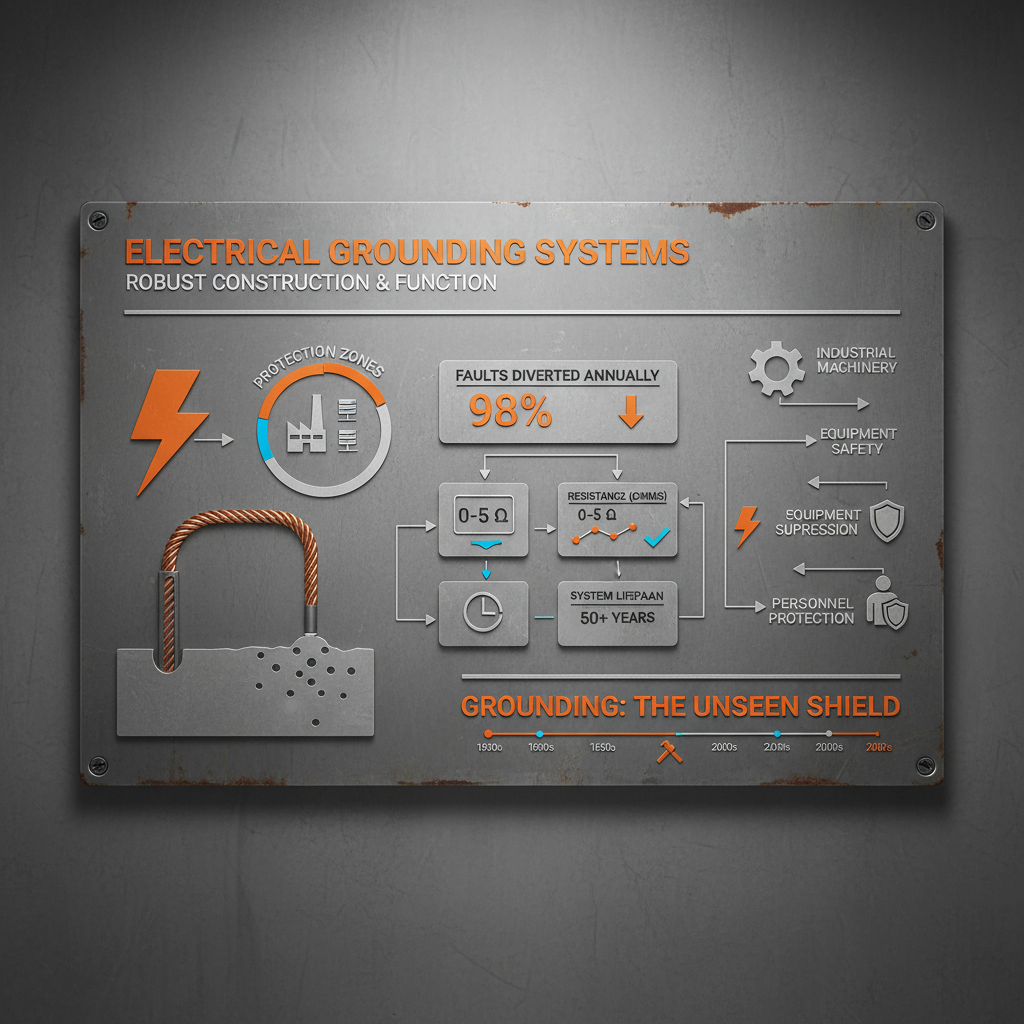
Grounding wire applications are diverse, ranging from residential buildings to large industrial facilities. In homes, grounding wire protects appliances and prevents electrical fires. In commercial and industrial settings, grounding is crucial for safeguarding sensitive equipment, preventing downtime, and protecting personnel. Specific applications include grounding electrical panels, grounding machinery, and providing grounding for lightning protection systems. Bilopowtel provides specialized grounding solutions tailored to various industrial needs.
Grounding Wire Size and Installation Best Practices
Selecting the correct grounding wire size is paramount for effective protection. The National Electrical Code (NEC) provides detailed guidelines for grounding wire sizing based on the circuit's amperage. Proper installation is equally critical. Grounding wires should be securely connected to grounding electrodes, such as ground rods or metal water pipes. All connections must be tight and corrosion-resistant. It's essential to follow local electrical codes and regulations when installing grounding systems. Incorrect installation can compromise the entire system’s safety and effectiveness.
Conclusion: Prioritizing Safety with Reliable Grounding
The electrical grounding wire is a fundamental safety component in any electrical system. Understanding its function, types, and proper installation is crucial for protecting people and property. Investing in high-quality grounding wire and adhering to industry best practices are essential steps towards a safe and reliable electrical infrastructure. Don't underestimate the importance of proper grounding – it's a cornerstone of electrical safety.
Frequently Asked Questions (FAQs)
What is the difference between grounding and bonding?
Grounding connects to earth to provide a reference point and path for fault currents. Bonding connects metallic parts to create electrical continuity, minimizing voltage differences. While often used together, they serve distinct purposes. Grounding establishes the reference point, while bonding ensures all metallic components are at the same potential, reducing shock hazards. Both are essential for a comprehensive safety system.
How often should I inspect my grounding system?
It's recommended to inspect your grounding system at least annually, or more frequently in harsh environments. Check for loose connections, corrosion, and damage to grounding wires. Ensure grounding electrodes are still effectively connected to the earth. Regular inspections can identify potential issues before they become serious safety hazards.
What AWG size grounding wire do I need for a 60 amp breaker?
According to the NEC, for a 60 amp breaker, you typically need a minimum of 10 AWG copper grounding wire. However, it’s crucial to consult the latest NEC guidelines and local electrical codes, as requirements can vary based on specific installation conditions and conductor materials. Always prioritize safety and ensure compliance with applicable regulations.
Latest news
Precision Lifting and Pulling with the Lever Block 0.5 Ton Guide
NewsApr.16,2026
Precision Engineering Guide for High Performance Jet Lever
NewsApr.16,2026
Ultimate Guide to Choosing the Professional Industrial hoist lever
NewsApr.16,2026
Industrial Hoist Lever Chain Guide for Heavy Lifting and Rigging
NewsApr.16,2026
Industrial Lever Hoist Guide for Efficient Lifting and Pulling
NewsApr.16,2026
Ultimate Guide to Hand Ratchet Lift for Heavy Industrial Lifting
NewsApr.16,2026
- CONTACT
- ADDRESS: 188, Fengshou Road, Shijiazhuang. China
- EMAlL: info@bilopowtel.com
- PHONE: 0086-311-88862036
- WHATSAPP: 0086-152-26563165


