



Feb . 22, 2026 01:45 Back to list
Understanding the Critical Role of the Earth Wire in Three Pin Plugs
Understanding the Earth Wire in Three Pin Plugs
The humble three-pin plug is a cornerstone of electrical safety, and a critical component within it is the earth wire. Often overlooked, this wire plays a vital role in protecting users from electric shock. This article will delve into the function, importance, and relevant standards surrounding the earth wire, providing a comprehensive understanding for both consumers and professionals. Ensuring electrical safety starts with understanding how these essential components work, and why Bilopowtel's range of plugs and wiring accessories adhere to the highest safety standards.
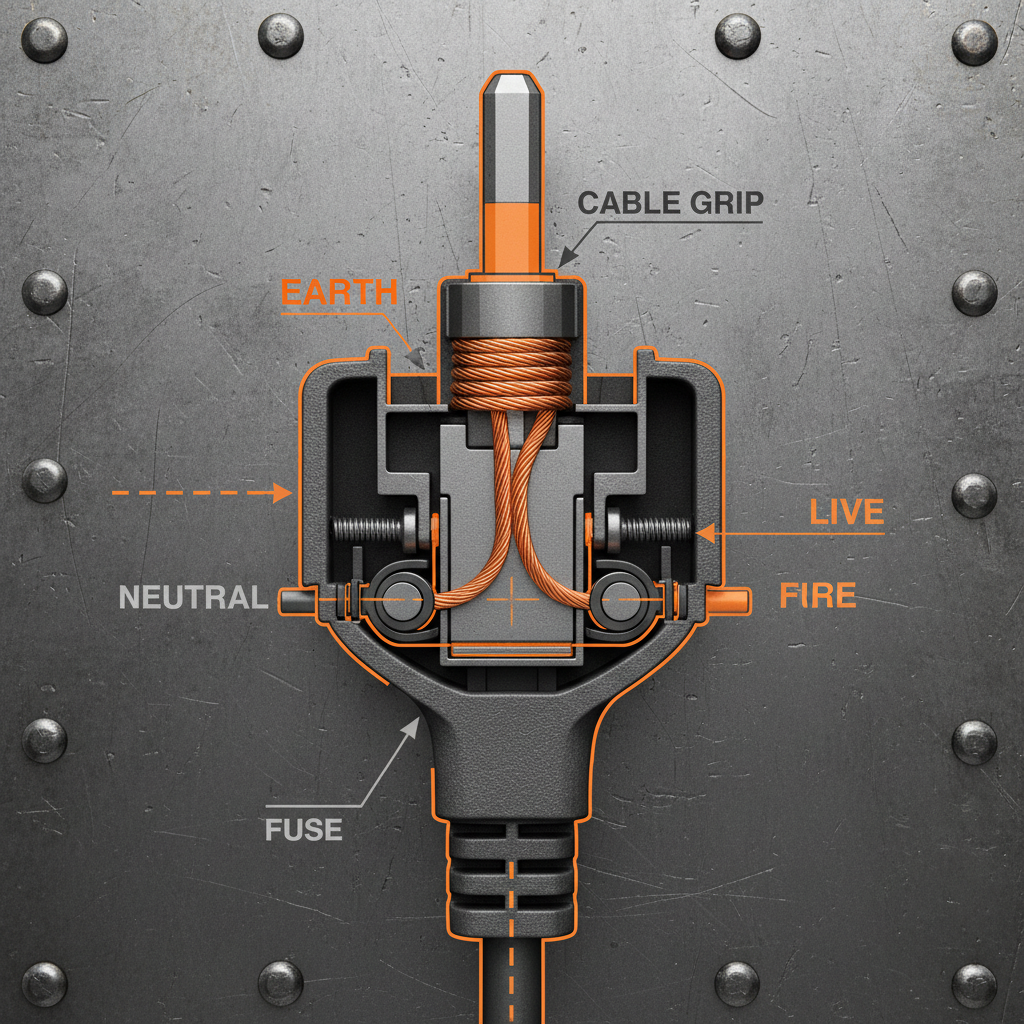
What is the Earth Wire and What Does it Do?
The earth wire, typically green and yellow in color, provides a low-resistance path for electrical current to flow back to the power source in the event of a fault. It’s connected to the metal casing of an appliance. If a live wire inside the appliance comes into contact with the metal casing (a ‘fault’), the earth wire provides a path for the current to flow, tripping the circuit breaker or blowing the fuse, thus quickly disconnecting the power. This prevents the metal casing from becoming live and potentially electrocuting someone who touches it. It’s a crucial safety feature designed to minimize the risk of electric shock and protect users from dangerous electrical faults.
The Importance of a Properly Connected Earth Wire
A correctly functioning earth wire is paramount for electrical safety. Without it, a fault in an appliance could lead to the metal casing becoming live, creating a significant electrocution hazard. Regularly checking the integrity of the earth wire and ensuring it’s properly connected is a vital part of electrical maintenance. Damaged or loose earth wires can render the safety system ineffective. Furthermore, reliance on Residual Current Devices (RCDs) alone isn’t a substitute for a properly earthed system; RCDs provide an additional layer of protection but don't eliminate the need for an earth wire. Investing in high-quality plugs and wiring accessories, like those available from Bilopowtel, ensures a reliable earth connection.
Key Takeaway: The earth wire provides a vital safety pathway in case of electrical faults, protecting users from potentially fatal electric shocks.
Earth Wire in Three Pin Plug: A Detailed Comparison
Understanding the differences between live, neutral, and earth wires is crucial for safe electrical practices. Here's a comparative overview:
Standards and Regulations for Earth Wires
Electrical installations are governed by strict standards to ensure safety. In the UK, these are primarily dictated by BS 7671 (IET Wiring Regulations). These regulations specify the requirements for earthing arrangements, including the size and type of earth wire needed for different circuit capacities. Similarly, international standards like IEC 60364 also provide guidelines for safe electrical installations. Adherence to these standards is crucial for ensuring that the earth wire provides adequate protection. Bilopowtel ensures all its products meet these stringent regulations.
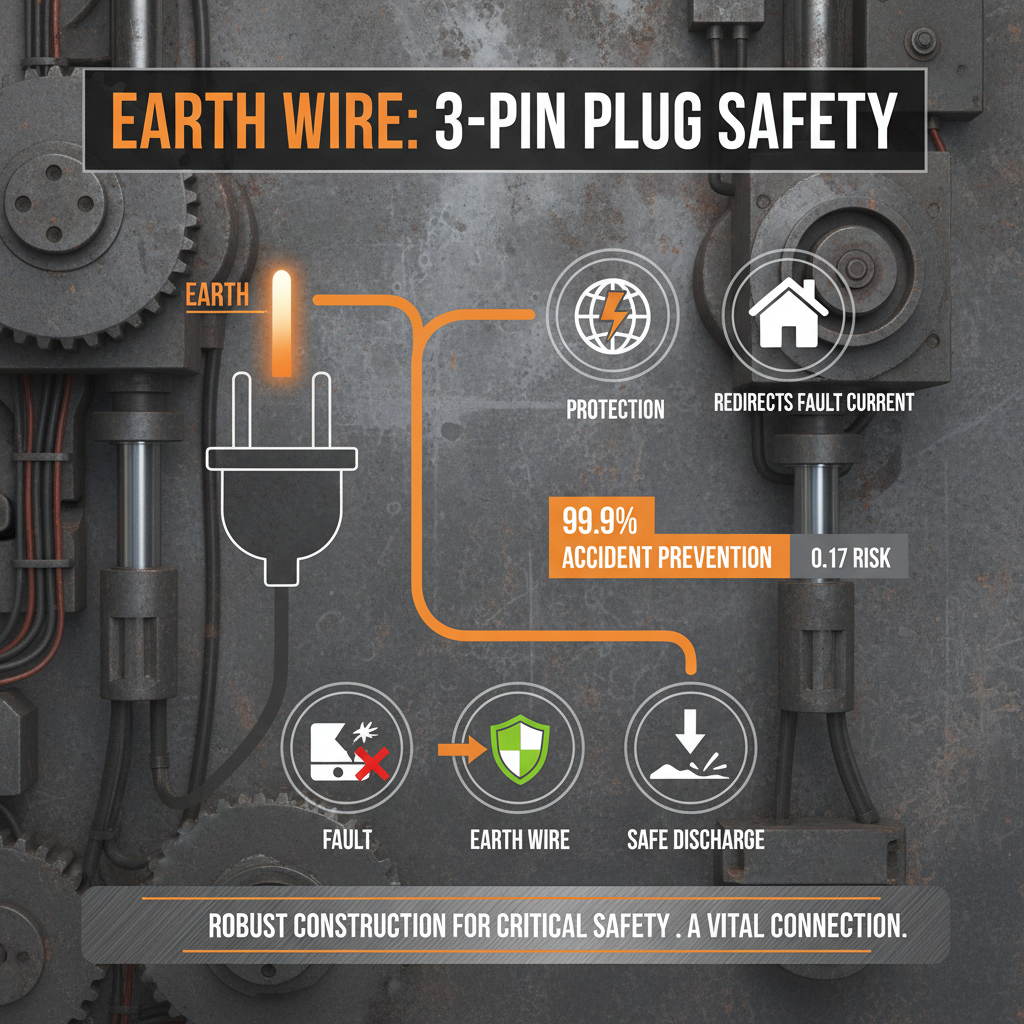
Testing and Maintenance of the Earth Wire Connection
Regular testing of the earth wire connection is crucial to ensure its effectiveness. This can be done using an earth tester, which measures the resistance of the earth path. A low resistance reading indicates a good connection, while a high reading suggests a fault. Visually inspecting the earth wire for damage or corrosion is also important. Damaged wires should be replaced immediately. Furthermore, ensure that the earth connection point at the consumer unit is secure and free from corrosion. It’s recommended to have a qualified electrician perform regular electrical safety checks to identify and rectify any potential issues.
Conclusion: Prioritizing Electrical Safety with a Reliable Earth Wire
The earth wire is a fundamental safety component within a three-pin plug, providing essential protection against electric shock. Understanding its function, importance, and the relevant standards is critical for ensuring electrical safety in any environment. By investing in quality wiring accessories and performing regular maintenance, you can significantly reduce the risk of electrical accidents. Don't compromise on safety – ensure your earth wire is functioning correctly.
Frequently Asked Questions (FAQs)
What should I do if my earth wire is damaged?
If you suspect your earth wire is damaged, immediately disconnect the power supply to the affected appliance or circuit. Do not attempt to repair the wire yourself. Contact a qualified electrician to inspect and replace the damaged wire. Using a damaged earth wire can create a severe electrocution hazard. It's crucial to prioritize safety and seek professional help. A reliable earth connection is paramount, and using qualified technicians ensures it’s done correctly.
Can I connect an appliance without an earth wire?
Connecting an appliance without an earth wire is strongly discouraged and potentially dangerous. Appliances are often designed with the assumption that an earth wire will be present. Without it, the metal casing could become live in the event of a fault, creating a serious risk of electric shock. Double-insulated appliances (marked with a square within a square symbol) are designed to be safe without an earth wire, but all other appliances should always be earthed. Always err on the side of caution and ensure a proper earth connection.
How often should I have my earth wire connections checked?
It's recommended to have your earth wire connections checked at least every 10 years, or more frequently if you live in an older property or notice any signs of electrical problems (e.g., flickering lights, sparks, or a burning smell). A qualified electrician can perform an Electrical Installation Condition Report (EICR) to assess the safety of your electrical system, including the earth connections. Regular checks can help identify and rectify potential issues before they become dangerous.
What is the purpose of the green and yellow coloring of the earth wire?
The green and yellow coloring of the earth wire is a universally recognized safety standard. This color coding helps electricians and anyone working with electrical systems to easily identify the earth wire, even in dimly lit conditions. It’s a crucial visual cue that prevents accidental misconnection of wires, which could have disastrous consequences. The distinct coloring ensures that the earth wire is always easily identifiable and properly connected for maximum safety.
Latest news
Precision Lifting and Pulling with the Lever Block 0.5 Ton Guide
NewsApr.16,2026
Precision Engineering Guide for High Performance Jet Lever
NewsApr.16,2026
Ultimate Guide to Choosing the Professional Industrial hoist lever
NewsApr.16,2026
Industrial Hoist Lever Chain Guide for Heavy Lifting and Rigging
NewsApr.16,2026
Industrial Lever Hoist Guide for Efficient Lifting and Pulling
NewsApr.16,2026
Ultimate Guide to Hand Ratchet Lift for Heavy Industrial Lifting
NewsApr.16,2026
- CONTACT
- ADDRESS: 188, Fengshou Road, Shijiazhuang. China
- EMAlL: info@bilopowtel.com
- PHONE: 0086-311-88862036
- WHATSAPP: 0086-152-26563165


