



Feb . 22, 2026 01:45 Back to list
Understanding Earth Wire Connections and Ensuring Electrical Safety is Paramount
Understanding Earth Wire Connections: Ensuring Electrical Safety
Electrical safety is paramount in any setting, and a properly connected earth wire plays a crucial role in protecting people and equipment. The earth wire, also known as the ground wire, provides a safe path for fault currents to flow back to the source, minimizing the risk of electric shock. This article will explore the importance of earth wire connections, how to verify their integrity, and potential consequences of improper grounding. We'll cover the principles behind grounding, common applications, and best practices for maintaining a safe electrical system. Ensuring your electrical connections are secure is essential.

Why is an Earth Wire Connected to the System?
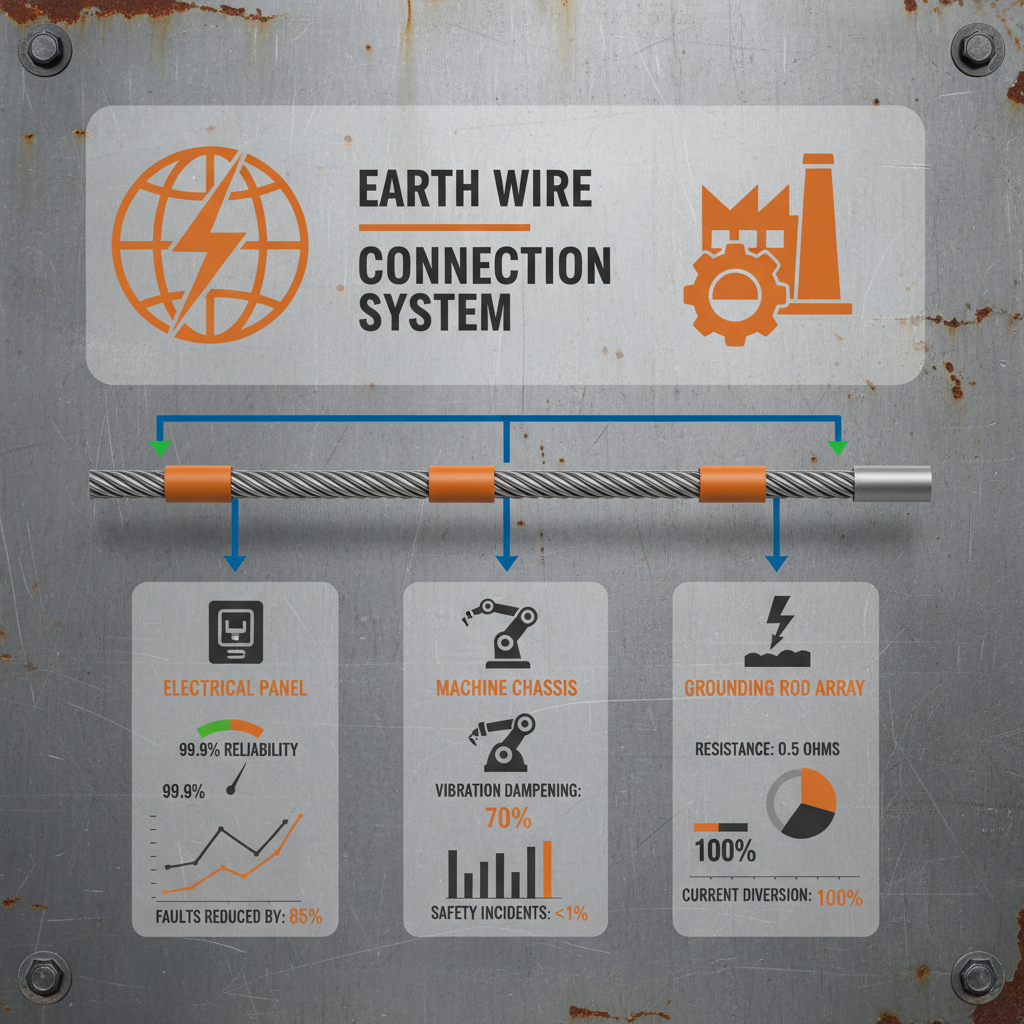
The primary function of connecting an earth wire is to provide a low-resistance path for fault currents. In the event of a short circuit or insulation failure within an appliance or electrical system, the earth wire diverts the current safely to ground, tripping the circuit breaker or blowing a fuse. This rapid interruption of the current prevents the buildup of dangerous voltage on the metal chassis of the appliance, which could otherwise cause a severe or fatal electric shock to anyone who touches it. Without a properly connected earth wire, a fault could leave metal parts energized, creating a significant hazard.
Key Benefit: An earth wire offers a crucial safety mechanism by creating a path for fault currents, protecting users from electric shock.
How to Verify an Earth Wire Connection
Regularly verifying the integrity of earth wire connections is vital for maintaining electrical safety. A simple test can be performed using a multimeter set to measure resistance (ohms). With the circuit de-energized, connect one probe to the earth pin of the socket and the other to the metal chassis of the appliance. A reading close to zero ohms indicates a good connection. A high resistance reading suggests a loose connection, corrosion, or a broken wire. It’s highly recommended to consult a qualified electrician for thorough inspection and testing, especially in complex electrical systems. Bilopowtel provides electrical solutions and safety guidance.
Earth Wire Testing:
• Use a multimeter set to measure resistance (ohms).
• De-energize the circuit before testing.
• A reading close to zero ohms indicates a good connection.
Earth Wire is Connected to: Common Applications
Earth wire connections are essential in numerous applications, including residential wiring, commercial buildings, industrial machinery, and portable appliances. In homes, earth wires are connected to the grounding system, which is typically a metal rod driven into the earth or a connection to a metallic water pipe. Industrial settings often utilize more complex grounding systems to protect sensitive equipment and personnel. Portable appliances, such as power tools and computers, also rely on earth wire connections for safety. Ensuring that all electrical systems and devices are properly grounded is critical for preventing accidents.
Consequences of a Faulty Earth Wire Connection
A faulty earth wire connection can have severe consequences, including electric shock, fire hazards, and damage to electrical equipment. Without a proper path for fault currents, the voltage can build up on metallic surfaces, posing a significant risk to anyone who comes into contact with them. Additionally, the excess current can overload wiring, potentially causing overheating and fires. Regular inspections and maintenance of earth wire connections are essential to mitigate these risks. If you suspect a grounding issue, contact a qualified electrician immediately.
Best Practices for Earth Wire Connections
To ensure the effectiveness of earth wire connections, follow these best practices: use appropriately sized conductors, ensure secure connections using proper connectors, protect wires from physical damage, and regularly inspect for corrosion or looseness. Always consult with a qualified electrician for installations and repairs. A well-maintained grounding system is a cornerstone of electrical safety. Utilizing quality electrical components from reputable suppliers like Bilopowtel is critical.
Conclusion: Prioritizing Electrical Safety with Proper Grounding
Ensuring an earth wire is connected correctly is a vital aspect of electrical safety. By understanding the principles of grounding, conducting regular inspections, and adhering to best practices, you can significantly reduce the risk of electric shock and fire hazards. Remember, a properly grounded electrical system protects both people and property.
Frequently Asked Questions (FAQs)
What is the difference between an earth wire and a neutral wire?
While both the earth and neutral wires are vital in an electrical system, they serve distinct purposes. The neutral wire completes the circuit and carries current under normal operating conditions. The earth wire, on the other hand, is a safety conductor intended to carry current only during a fault. The neutral wire is intentionally connected to the earth at the service panel, but the earth wire provides a separate, independent path to ground for safety purposes. Never interchange these wires, as doing so can create a hazardous situation.
Can I use any type of wire for an earth wire connection?
No, it's crucial to use the correct type of wire for an earth wire connection. Typically, copper wire is recommended due to its excellent conductivity. The wire gauge (thickness) must be appropriate for the circuit's amperage. Using an undersized or incorrect type of wire can compromise the safety and effectiveness of the grounding system. Consult local electrical codes and a qualified electrician to determine the proper wire type and size for your specific application.
What should I do if I suspect a faulty earth wire connection?
If you suspect a faulty earth wire connection, immediately disconnect the power to the affected circuit. Do not attempt to repair the connection yourself unless you are a qualified electrician. Contact a professional electrician to inspect the grounding system, identify the issue, and perform the necessary repairs. Continuing to use an electrical system with a faulty earth wire connection is extremely dangerous.
How often should I have my electrical system inspected?
It's recommended to have your electrical system inspected by a qualified electrician at least every five years, or more frequently if you live in an older home or notice any signs of electrical problems, such as flickering lights, tripping breakers, or warm outlets. Regular inspections can identify potential hazards, including faulty earth wire connections, and ensure that your electrical system is safe and compliant with current codes.
Latest news
Precision Lifting and Pulling with the Lever Block 0.5 Ton Guide
NewsApr.16,2026
Precision Engineering Guide for High Performance Jet Lever
NewsApr.16,2026
Ultimate Guide to Choosing the Professional Industrial hoist lever
NewsApr.16,2026
Industrial Hoist Lever Chain Guide for Heavy Lifting and Rigging
NewsApr.16,2026
Industrial Lever Hoist Guide for Efficient Lifting and Pulling
NewsApr.16,2026
Ultimate Guide to Hand Ratchet Lift for Heavy Industrial Lifting
NewsApr.16,2026
- CONTACT
- ADDRESS: 188, Fengshou Road, Shijiazhuang. China
- EMAlL: info@bilopowtel.com
- PHONE: 0086-311-88862036
- WHATSAPP: 0086-152-26563165


