



Feb . 20, 2026 01:45 Back to list
Understanding Earth Ground Wires for Electrical Safety and System Reliability
Understanding Earth Ground Wires: A Comprehensive Guide
In the realm of electrical safety, the earth ground wire – also known as a grounding wire – is a critical component. It provides a low-resistance path for fault currents, minimizing the risk of electrical shock and damage to equipment. This article will delve into the importance of earth ground wires, their applications, installation considerations, and how Bilopowtel provides reliable solutions for your grounding needs. Understanding these wires is paramount for maintaining a safe and efficient electrical system.
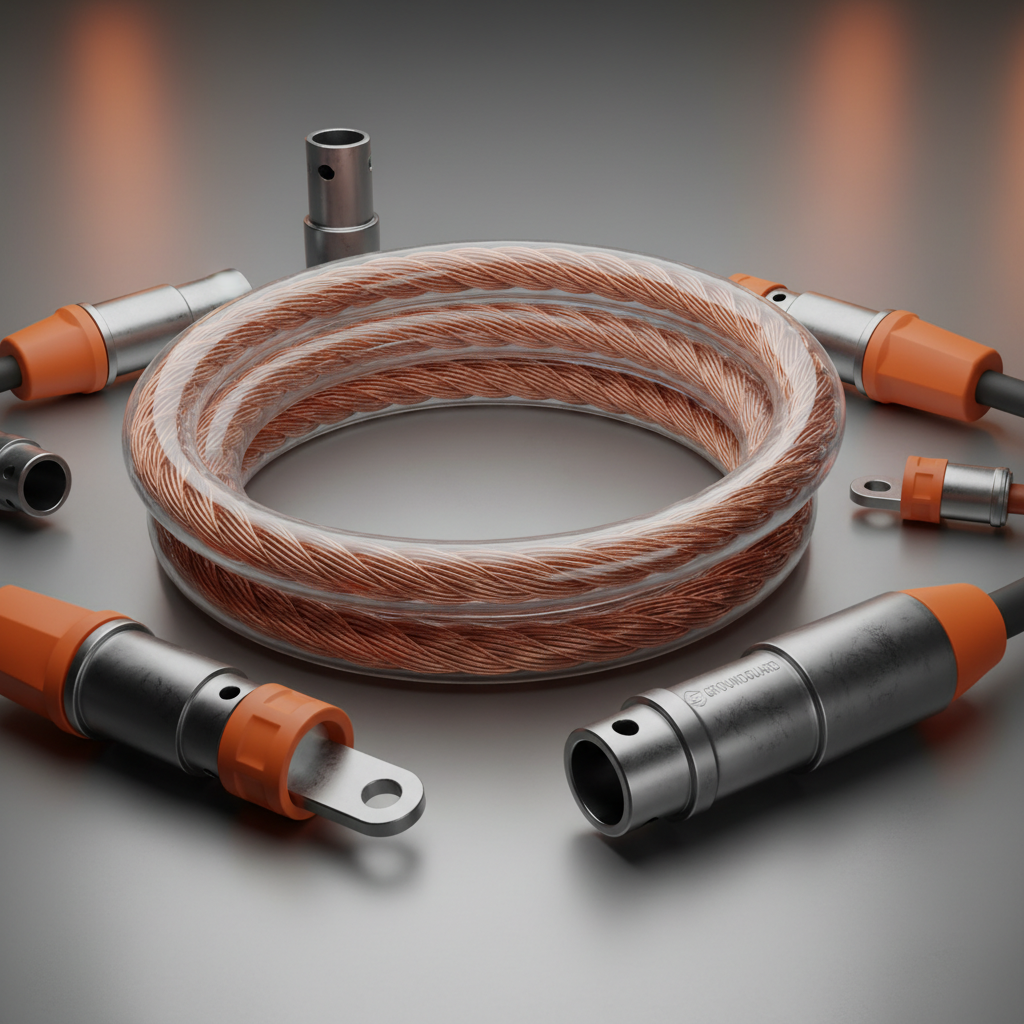
The Core Function of an Earth Ground Wire
The primary purpose of an earth ground wire is to create a safe path for electrical current to flow back to the source in the event of a fault. This prevents the buildup of dangerous voltages on metal enclosures of electrical equipment. When a fault occurs – for instance, a live wire coming into contact with a metal chassis – the ground wire provides a low-resistance route, triggering the circuit breaker or fuse to trip, quickly cutting off the power. Without a properly functioning earth ground wire, the metal enclosure could become energized, posing a significant shock hazard to anyone who touches it. This is why adherence to electrical codes and utilizing quality grounding components, like those offered by Bilopowtel, is non-negotiable.
Key Takeaway: Earth ground wires prioritize safety by providing a reliable pathway for fault currents, preventing dangerous voltage buildup on equipment enclosures.
Applications of Earth Ground Wires
Earth ground wires are essential across a wide spectrum of applications. They are fundamental in residential wiring, protecting occupants from electrical hazards. In commercial buildings, they safeguard both people and sensitive electronic equipment. Industrial settings, with their complex machinery and high-power systems, rely heavily on robust grounding to prevent downtime and ensure worker safety. Beyond buildings, earth grounding is crucial in outdoor electrical systems, telecommunications towers, and even automotive electrical systems. Bilopowtel provides solutions tailored to these diverse environments, including grounding cables and connectors designed for specific applications.
Typical Applications:
• Residential Wiring
• Commercial Buildings
• Industrial Machinery
• Telecommunications Towers
• Automotive Electrical Systems
Earth Ground Wire: Types & Specifications
Earth ground wires come in various types, each suited to different applications. Common types include:
Proper Installation Techniques for Earth Ground Wires
Correct installation is vital for the effectiveness of any earth ground wire system. Connections must be secure and free from corrosion. This often involves using appropriate connectors and grounding clamps. The grounding conductor must be adequately sized to handle potential fault currents – undersized wires can become overheated and fail. Continuity testing should be performed to verify a low-resistance path from the equipment enclosure back to the grounding source. Following local electrical codes and regulations is paramount. Bilopowtel offers a range of connectors and tools to facilitate proper and reliable grounding installations.
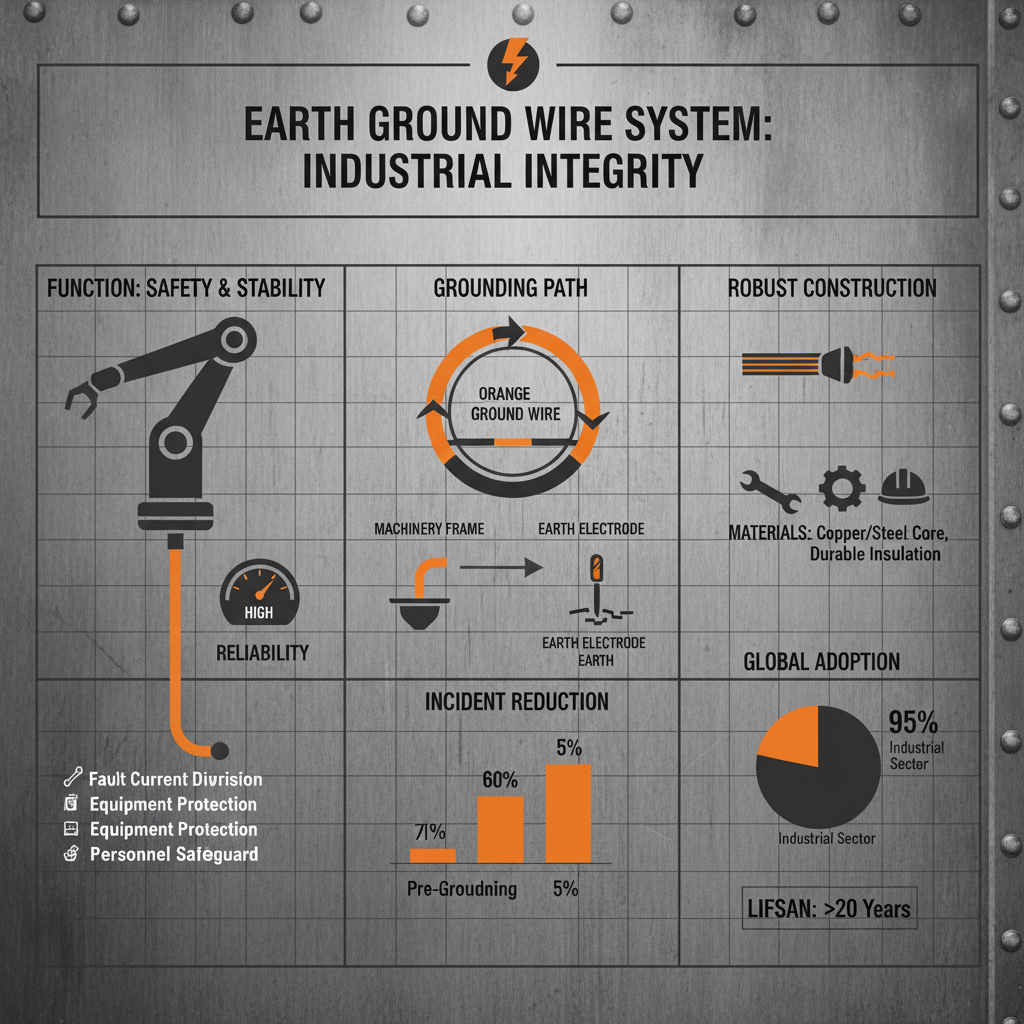
Choosing the Right Earth Ground Wire from Bilopowtel
At Bilopowtel, we understand the critical importance of reliable grounding solutions. We offer a comprehensive range of earth ground wires, grounding cables, connectors, and clamps designed to meet the highest safety standards. Our products are manufactured using high-quality materials and undergo rigorous testing to ensure optimal performance. We can provide expert advice to help you select the appropriate grounding solutions for your specific application, guaranteeing a safe and efficient electrical system. Contact us today to learn more.
Conclusion: Prioritizing Safety with Reliable Grounding
Investing in high-quality earth ground wires and proper installation techniques is paramount for electrical safety. Bilopowtel provides the products and expertise you need to ensure a safe and reliable electrical system, protecting your people and your equipment.
Frequently Asked Questions (FAQs)
What gauge earth ground wire do I need?
The appropriate gauge of earth ground wire depends on the amperage of the circuit it protects. Generally, the grounding wire should be at least the same gauge as the circuit's hot wire. For example, a 15-amp circuit typically requires a 14-gauge grounding wire, while a 20-amp circuit needs a 12-gauge wire. Always consult your local electrical codes and a qualified electrician to ensure you are using the correct wire gauge for your specific application. Utilizing an undersized ground wire is a significant safety hazard.
Can I use aluminum wire for grounding?
While aluminum wire can sometimes be used for grounding, it's generally not recommended for most applications. Aluminum is more prone to corrosion than copper, and its higher resistance can reduce the effectiveness of the grounding system. Copper grounding wires are preferred due to their superior conductivity and corrosion resistance. If aluminum wire must be used, special connectors designed for aluminum-to-copper transitions are crucial to prevent corrosion and ensure a secure connection.
How often should I inspect my grounding system?
Regular inspection of your grounding system is crucial for maintaining its effectiveness. It’s recommended to visually inspect grounding connections at least annually, looking for signs of corrosion, loose connections, or damage. Additionally, perform continuity testing with a multimeter to verify a low-resistance path to ground. Any issues identified should be addressed promptly by a qualified electrician. Consistent monitoring ensures the ongoing safety and reliability of your electrical system.
What is the difference between grounding and bonding?
Grounding connects the electrical system to the earth, providing a path for fault currents. Bonding, on the other hand, connects all metallic parts of an electrical system together to create an equipotential plane. This ensures that all metallic surfaces are at the same voltage, minimizing the risk of shock. Grounding and bonding work together to provide comprehensive electrical safety. Proper bonding reduces voltage differences that could cause a shock, while grounding provides a path for fault currents to safely return to the source.
Latest news
Precision Lifting and Pulling with the Lever Block 0.5 Ton Guide
NewsApr.16,2026
Precision Engineering Guide for High Performance Jet Lever
NewsApr.16,2026
Ultimate Guide to Choosing the Professional Industrial hoist lever
NewsApr.16,2026
Industrial Hoist Lever Chain Guide for Heavy Lifting and Rigging
NewsApr.16,2026
Industrial Lever Hoist Guide for Efficient Lifting and Pulling
NewsApr.16,2026
Ultimate Guide to Hand Ratchet Lift for Heavy Industrial Lifting
NewsApr.16,2026
- CONTACT
- ADDRESS: 188, Fengshou Road, Shijiazhuang. China
- EMAlL: info@bilopowtel.com
- PHONE: 0086-311-88862036
- WHATSAPP: 0086-152-26563165


