



Feb . 27, 2026 01:45 Back to list
The Crucial Role of Yellow Green Earth Wire in Electrical System Safety
Understanding the Role of Yellow Green Earth Wire in Safe Electrical Systems
Electrical safety is paramount in any setting, and a crucial component of this safety is the yellow green earth wire. This wire, distinctively colored for easy identification, plays a vital role in grounding electrical systems, protecting individuals and equipment from potentially dangerous electrical faults. This article will delve into the purpose, standards, applications, and benefits of using yellow green earth wire, highlighting its importance in maintaining a safe electrical environment. Choosing the right earth wire is not just about compliance; it's about safeguarding lives and property. Bilo Powtel offers a comprehensive range of high-quality earth wires to meet your specific needs.
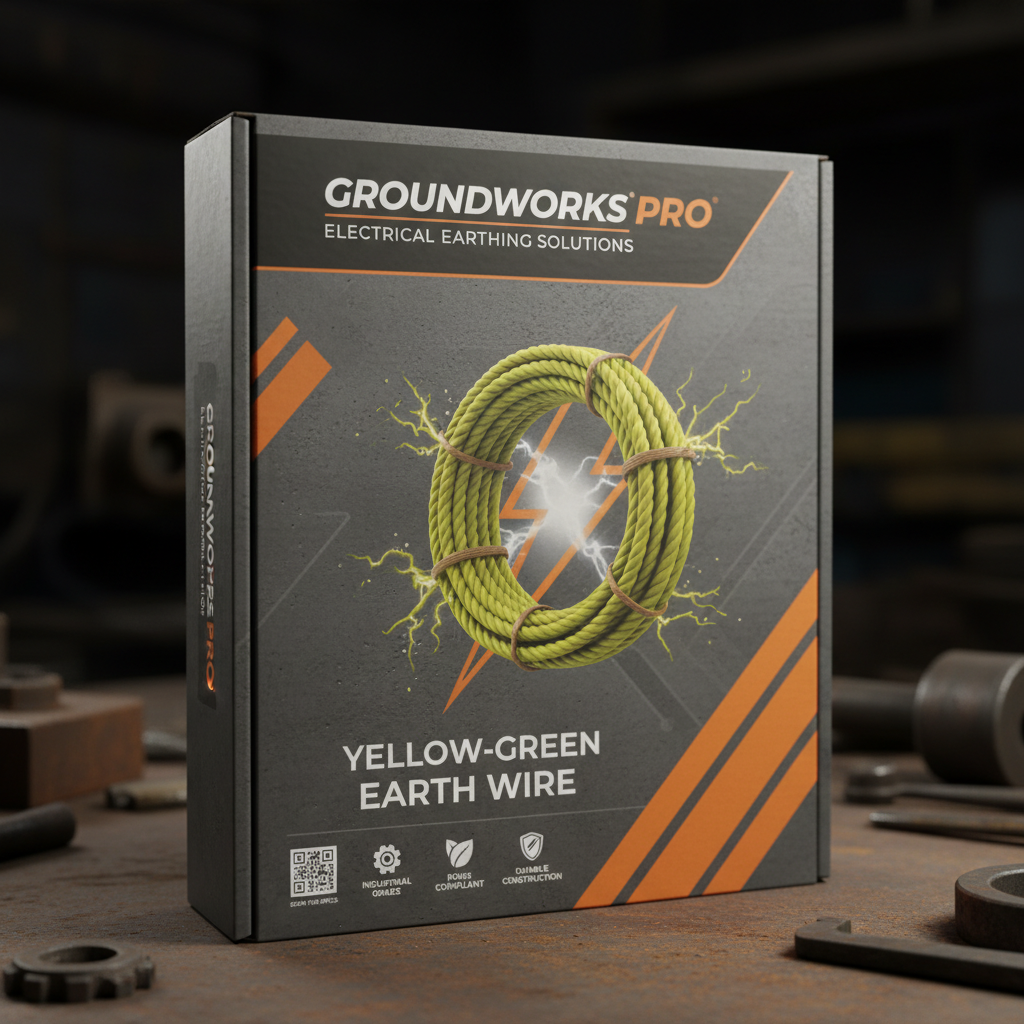
What is a Yellow Green Earth Wire and Why the Color Combination?
An earth wire, also known as a ground wire, is a safety conductor that provides a path for electrical current to flow back to the source in the event of a fault. This prevents the buildup of dangerous voltage on metallic enclosures, reducing the risk of electric shock. The specific color combination of yellow and green is internationally standardized (IEC 60446) to visually identify it as an earth conductor. The yellow stripe signifies caution, while the green represents ‘earth’ or ‘ground’. This standardization is crucial for electricians and maintenance personnel to quickly and accurately identify the earth wire during installation, inspection, and repair work. Utilizing a correctly identified yellow green earth wire minimizes the risk of miswiring and ensures optimal safety.
Key Takeaway: The yellow and green color combination is a globally recognized standard for identifying earth wires, crucial for electrical safety and minimizing the risk of miswiring.
Applications of Yellow Green Earth Wire Across Industries
The applications of yellow green earth wire are widespread, spanning numerous industries and environments. In residential buildings, it’s essential for grounding electrical outlets, appliances, and lighting systems. Commercial buildings, with their more complex electrical setups, rely heavily on earth wires to protect occupants and sensitive equipment. Industrial facilities, often dealing with high-voltage machinery, require robust grounding systems incorporating yellow green earth wires. Furthermore, they are critical in solar power installations, protecting against lightning strikes and electrical faults. Proper grounding is equally vital in data centers, safeguarding expensive servers and preventing data loss. From household wiring to large-scale industrial applications, the earth wire is a fundamental component of a safe and reliable electrical system.
Application Areas:
• Residential Wiring
• Commercial Buildings
• Industrial Facilities
• Solar Power Systems
• Data Centers
Yellow Green Earth Wire Specifications & Standards
Choosing the correct earth wire necessitates understanding the various specifications and standards. The wire's size (cross-sectional area) must be appropriate for the circuit's current-carrying capacity. Common standards include IEC 60228 (for conductors) and local building codes. The insulation material should be durable and resistant to environmental factors. Copper is the most common conductor material due to its excellent conductivity. Here's a comparison of commonly used earth wire materials and sizes:
Benefits of Using High-Quality Yellow Green Earth Wire
Investing in high-quality yellow green earth wire offers numerous benefits beyond basic safety compliance. Durable materials ensure longevity and reduce the need for frequent replacements. Excellent conductivity minimizes resistance, enhancing the effectiveness of the grounding system. Compliance with international standards provides peace of mind and ensures the system meets regulatory requirements. Furthermore, properly grounded systems protect sensitive electronic equipment from damage caused by voltage surges or faults. Bilo Powtel provides earth wires that meet and exceed industry standards, offering superior performance and reliability.
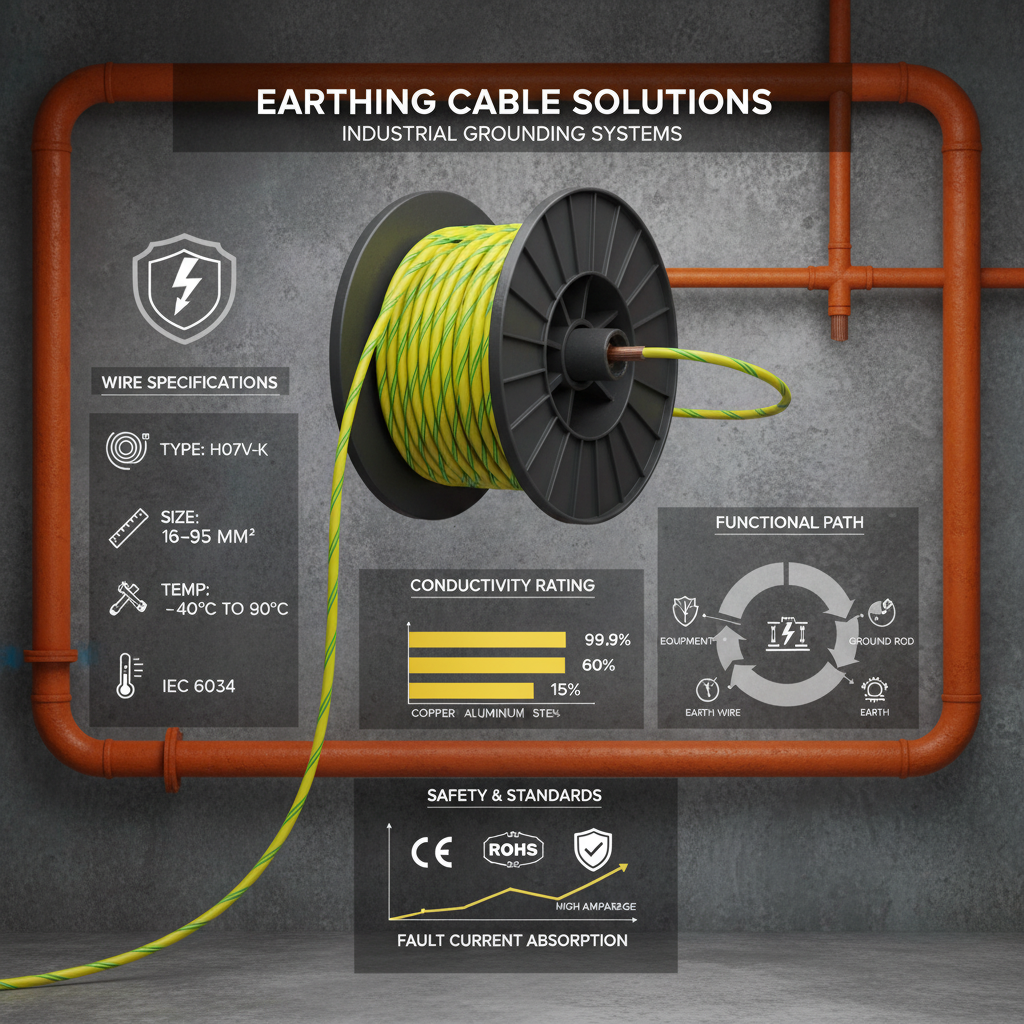
Maintaining Your Earth Wire System: Inspections and Best Practices
To ensure the continued effectiveness of your grounding system, regular inspections are crucial. Check for signs of corrosion, damage to the insulation, and secure connections. Loose connections can significantly increase resistance and compromise safety. It's recommended to test the continuity of the earth wire using a multimeter to verify its integrity. Avoid using earth wires as conductors for other purposes, as this can overload the system and create a safety hazard. If you identify any issues, address them promptly by replacing damaged wires or tightening loose connections. Consider professional electrical inspections to ensure your system meets all safety standards. Prioritizing regular maintenance extends the lifespan of your system and minimizes the risk of electrical incidents.
Conclusion: Prioritizing Safety with Reliable Earth Wires
The yellow green earth wire is a critical safety component in any electrical system. By understanding its purpose, specifications, and applications, you can ensure a safe and reliable electrical environment. Investing in high-quality earth wires from a trusted supplier like Bilo Powtel is a proactive step towards protecting lives and property. Don’t compromise on safety – choose the right earth wire for your needs.
Frequently Asked Questions (FAQs)
What size earth wire do I need for my electrical circuit?
The appropriate size of earth wire depends on the current-carrying capacity of the circuit and local electrical codes. Generally, the earth wire should be the same size as the live conductor. For example, if you have a 2.5mm² live wire, you should also use a 2.5mm² earth wire. However, it’s crucial to consult with a qualified electrician or refer to your local building regulations to determine the correct size for your specific application. Using an undersized earth wire can compromise safety and create a fire hazard.
Can I use a different color wire for grounding if yellow/green is unavailable?
No, you should never use a different color wire for grounding. The yellow and green color combination is an internationally recognized safety standard. Using a different color can lead to confusion and miswiring, potentially creating a dangerous situation. If yellow/green wire is unavailable, it’s best to order it from a reputable supplier like Bilo Powtel rather than using an alternative color.
How often should I inspect my grounding system?
It's recommended to visually inspect your grounding system at least once a year. More frequent inspections may be necessary in harsh environments or for critical applications. During the inspection, check for signs of corrosion, damage to the insulation, and secure connections. You should also periodically test the continuity of the earth wire using a multimeter. Professional electrical inspections are recommended every few years to ensure your system meets all safety standards.
What are the consequences of a faulty grounding system?
A faulty grounding system can have serious consequences, including electric shock, fire hazards, and damage to electrical equipment. Without a proper ground, fault currents can build up on metallic enclosures, creating a dangerous voltage potential. This can lead to injury or death if someone touches the enclosure. Faulty grounding can also cause voltage surges that damage sensitive electronic equipment. Ensuring a properly functioning grounding system is essential for safety and protecting your investment.
Latest news
Precision Lifting and Pulling with the Lever Block 0.5 Ton Guide
NewsApr.16,2026
Precision Engineering Guide for High Performance Jet Lever
NewsApr.16,2026
Ultimate Guide to Choosing the Professional Industrial hoist lever
NewsApr.16,2026
Industrial Hoist Lever Chain Guide for Heavy Lifting and Rigging
NewsApr.16,2026
Industrial Lever Hoist Guide for Efficient Lifting and Pulling
NewsApr.16,2026
Ultimate Guide to Hand Ratchet Lift for Heavy Industrial Lifting
NewsApr.16,2026
- CONTACT
- ADDRESS: 188, Fengshou Road, Shijiazhuang. China
- EMAlL: info@bilopowtel.com
- PHONE: 0086-311-88862036
- WHATSAPP: 0086-152-26563165


