



Feb . 28, 2026 01:45 Back to list
Comprehensive Guide to Earth Rods for Electrical Safety and Grounding Systems
Understanding Earth Rods: A Comprehensive Guide
Earth rods, also known as grounding rods, are essential components in electrical safety systems. They provide a low-resistance path to the earth for fault currents, protecting people and equipment from electrical shock and damage. This article will delve into the types, installation, applications, and importance of earth rods, offering a thorough overview for electricians, contractors, and anyone interested in electrical grounding. Proper grounding is critical for ensuring a safe and reliable electrical system. We'll explore how to choose the right earth rod for your specific needs.
What are Earth Rods and Why are They Important?
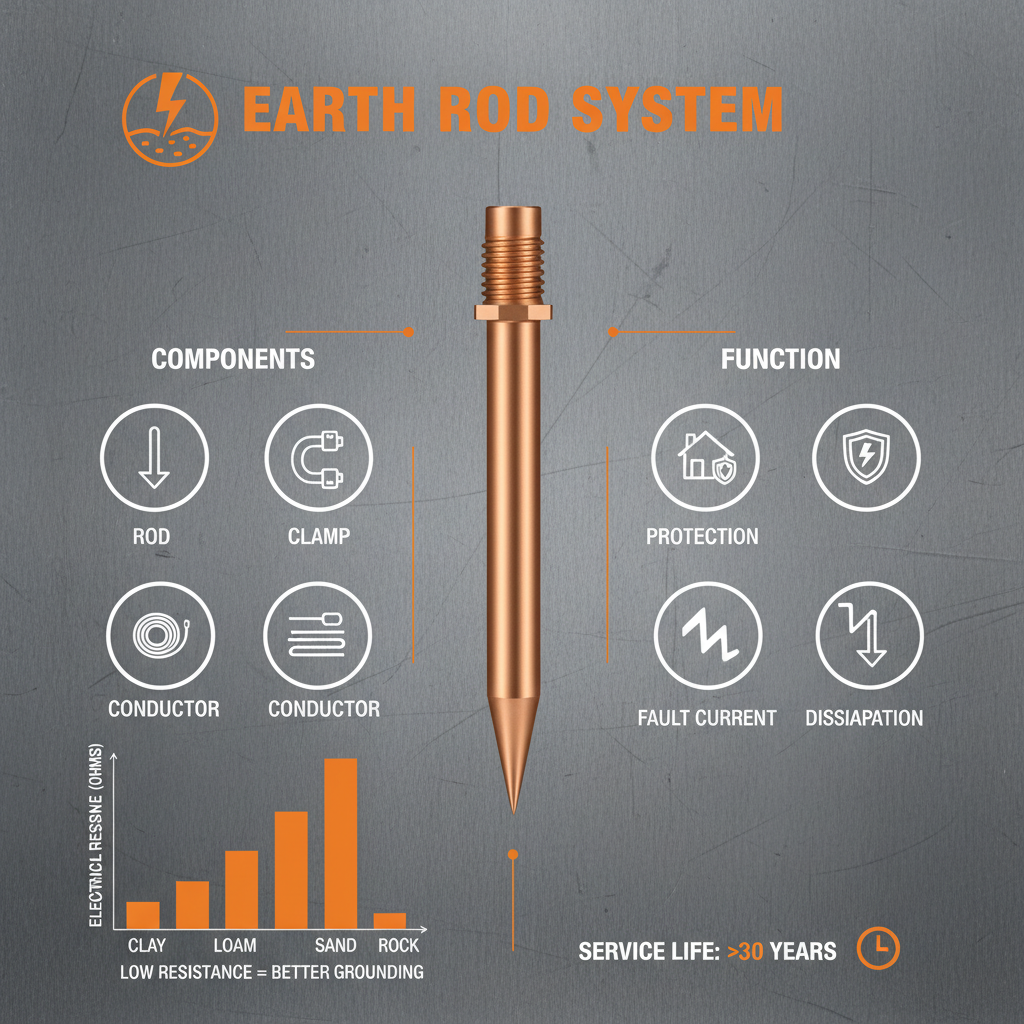
An earth rod is a conductive rod, typically made of copper, galvanized steel, or stainless steel, driven into the earth to establish a connection with the ground. Its primary function is to provide a safe discharge path for electrical fault currents. Without proper grounding, these currents can build up on metallic objects, creating a potentially lethal hazard. Earth rods are a crucial element of any electrical installation, ensuring the safety of personnel and protecting sensitive electronic equipment. They are mandated by electrical codes and regulations in most countries, demonstrating their importance in electrical safety. A properly installed earth rod significantly reduces the risk of electrical fires and shocks.
Key Benefits: Provides a safe path for fault currents, protects against electrical shock, prevents damage to equipment, and complies with electrical safety regulations.
Types of Earth Rods
Earth rods come in various materials and configurations. The most common types include:
- Copper Earth Rods: Offer the lowest resistance to ground and are highly conductive but are also the most expensive.
- Galvanized Steel Earth Rods: A cost-effective option, providing good conductivity and corrosion resistance.
- Stainless Steel Earth Rods: Offer excellent corrosion resistance, making them suitable for aggressive soil conditions, but are more expensive than galvanized steel.
- Copper-Clad Steel Earth Rods: Combine the conductivity of copper with the strength and cost-effectiveness of steel.
The choice of earth rod material depends on factors like soil conductivity, budget, and environmental conditions. For optimal performance, the lowest possible resistance to ground is desired. Bilopowtel offers a range of high-quality earth rods to meet diverse application requirements.
Material Considerations:
• Conductivity: Copper offers the best, followed by steel.
• Corrosion Resistance: Stainless steel is the most resistant.
• Cost: Galvanized steel is the most affordable.
Earth Rod Installation Best Practices
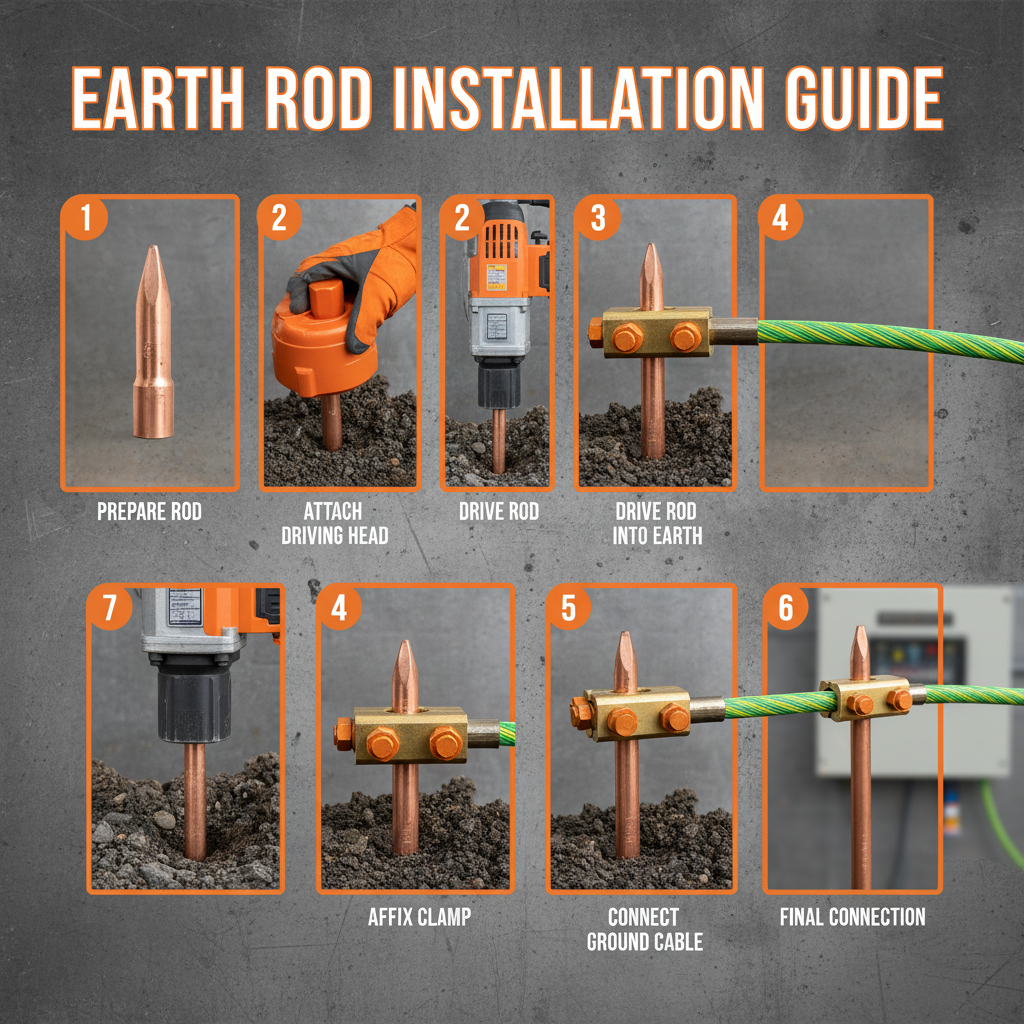
Proper installation is crucial for ensuring the effectiveness of an earth rod. Here are some key guidelines:
- Depth: Rods should be driven to a depth of at least 2.4 meters (8 feet) to reach consistently moist soil.
- Spacing: Multiple rods should be spaced at least 1.8 meters (6 feet) apart.
- Soil Conductivity: If the soil is dry or rocky, chemical soil treatment or additional rods may be necessary.
- Connection: Use approved clamps and connectors to ensure a secure and low-resistance connection between the rod and the grounding conductor.
Always consult local electrical codes and regulations for specific installation requirements. A qualified electrician should perform the installation to ensure compliance and safety.
Earth Rods: Comparing Materials and Resistance
Different materials exhibit varying levels of resistance to ground. Here's a comparative look:
Applications of Earth Rods
Earth rods are used in a wide range of applications, including:
- Residential Electrical Systems: Protecting homes from electrical faults.
- Commercial Buildings: Ensuring the safety of employees and equipment.
- Industrial Facilities: Providing grounding for heavy machinery and power systems.
- Telecommunications Towers: Protecting against lightning strikes.
- Renewable Energy Systems: Grounding solar panels and wind turbines.
The correct sizing and installation of earth rods are crucial for each application. Contact Bilopowtel's expert team for assistance in selecting the right earth rod for your needs.
Conclusion: Ensuring Electrical Safety with Reliable Grounding
Earth rods are an indispensable component of any electrical system, providing a critical layer of safety and protection. Choosing the right type of earth rod and ensuring proper installation are essential for optimal performance. Bilopowtel is dedicated to providing high-quality earth rods and expert support to ensure the safety and reliability of your electrical systems.
Frequently Asked Questions (FAQs)
What is the recommended depth for installing an earth rod?
Generally, a minimum depth of 2.4 meters (8 feet) is recommended for earth rod installation. This depth ensures that the rod reaches consistently moist soil, providing a reliable connection to ground. In areas with rocky or dry soil, deeper installation or the use of chemical soil treatment may be necessary to achieve the required low resistance. Always consult local electrical codes for specific depth requirements in your area.
How do I test the resistance of an earth rod?
The resistance of an earth rod is typically tested using a ground resistance tester. This device measures the resistance between the earth rod and a reference ground stake. The measured resistance should be as low as possible, ideally below 10 ohms. High resistance indicates a poor connection or inadequate grounding. Testing should be performed after installation and periodically thereafter to ensure continued effectiveness.
Can I use multiple earth rods to improve grounding?
Yes, using multiple earth rods connected together can significantly improve grounding performance, especially in areas with poor soil conductivity. The rods should be spaced at least 1.8 meters (6 feet) apart and connected using a grounding conductor. This creates a larger grounding surface area and reduces the overall resistance to ground. Connecting multiple rods in a ring configuration can further enhance the grounding system's effectiveness.
What is the role of a grounding conductor?
A grounding conductor, typically made of copper or aluminum, connects the earth rod to the electrical panel or the metal enclosure of equipment. It provides a low-impedance path for fault currents to flow back to the source, triggering the circuit breaker to trip and disconnect the power. The grounding conductor is crucial for ensuring that electrical faults are quickly and safely cleared, preventing electrical shock and damage to equipment. It’s an integral part of the entire grounding system and must be properly sized and installed.
Latest news
Precision Lifting and Pulling with the Lever Block 0.5 Ton Guide
NewsApr.16,2026
Precision Engineering Guide for High Performance Jet Lever
NewsApr.16,2026
Ultimate Guide to Choosing the Professional Industrial hoist lever
NewsApr.16,2026
Industrial Hoist Lever Chain Guide for Heavy Lifting and Rigging
NewsApr.16,2026
Industrial Lever Hoist Guide for Efficient Lifting and Pulling
NewsApr.16,2026
Ultimate Guide to Hand Ratchet Lift for Heavy Industrial Lifting
NewsApr.16,2026
- CONTACT
- ADDRESS: 188, Fengshou Road, Shijiazhuang. China
- EMAlL: info@bilopowtel.com
- PHONE: 0086-311-88862036
- WHATSAPP: 0086-152-26563165


