



Mar . 08, 2026 01:45 Back to list
Comprehensive Guide to Connecting Grounding Rod to Electrical Panel for Safety
Connecting Grounding Rod to Electrical Panel: A Comprehensive Guide
Proper grounding is critical for electrical safety, protecting your home and appliances from damage caused by surges and faults. A key component of a reliable grounding system is correctly connecting a grounding rod to the electrical panel. This article will detail the process, safety considerations, and essential components for a successful installation. Ensuring a solid grounding connection is not just about code compliance; it’s about safeguarding lives and property. We'll explore best practices and offer guidance for both DIY enthusiasts and those considering professional installation.
Understanding the Importance of Grounding
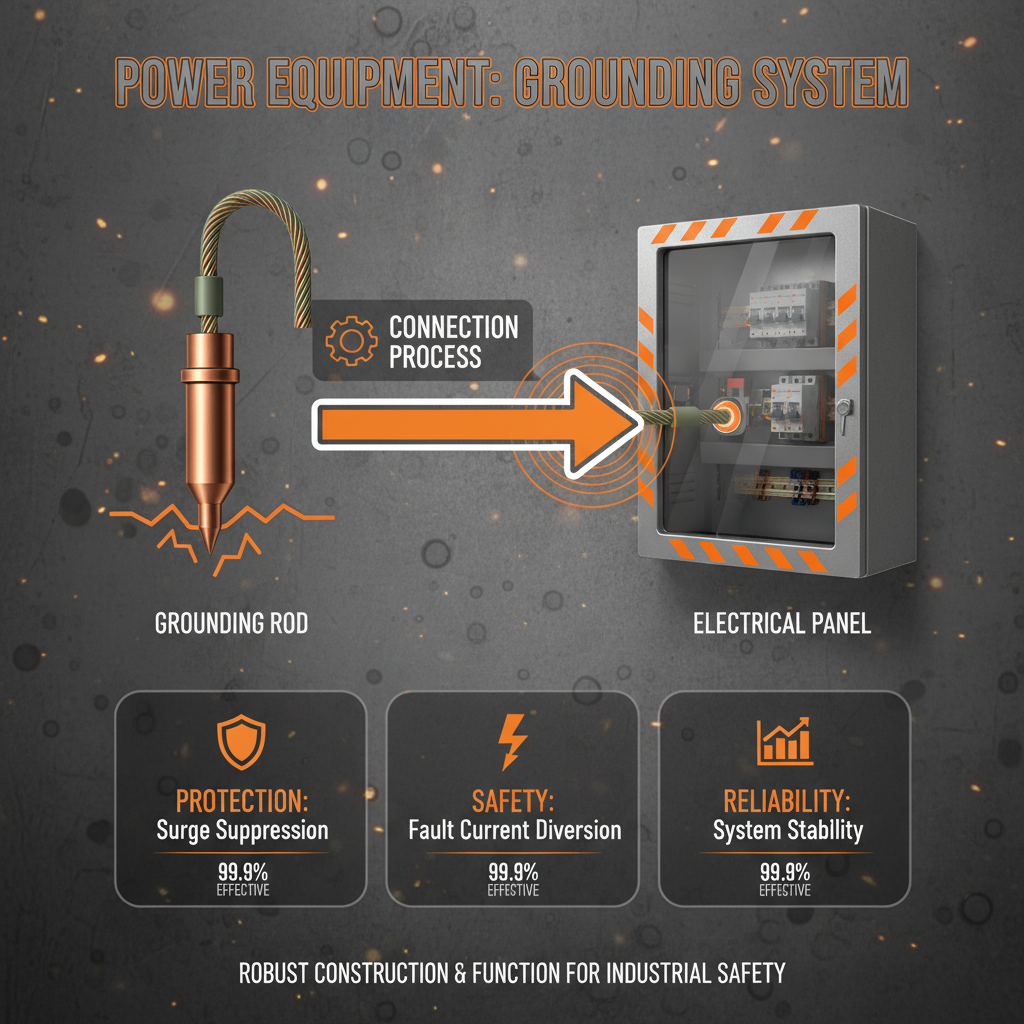
Grounding provides a low-resistance path for electrical current to flow back to the source in the event of a fault. This tripping of the circuit breaker or fuse prevents dangerous voltage buildup that can cause electric shock or fire. A grounding rod, typically made of copper or copper-clad steel, is driven into the earth to establish this connection. The connection between the grounding rod and the electrical panel is crucial; a loose or corroded connection can render the grounding system ineffective. Regular inspection and maintenance of your grounding system is highly recommended to ensure ongoing safety and reliability. Bilopowtel offers a range of grounding solutions to ensure a secure and compliant electrical system.
Key Benefits of Proper Grounding: Protects against electric shock, prevents damage to appliances, reduces the risk of electrical fires, and ensures code compliance.
Connecting Grounding Rod to Electrical Panel: Step-by-Step
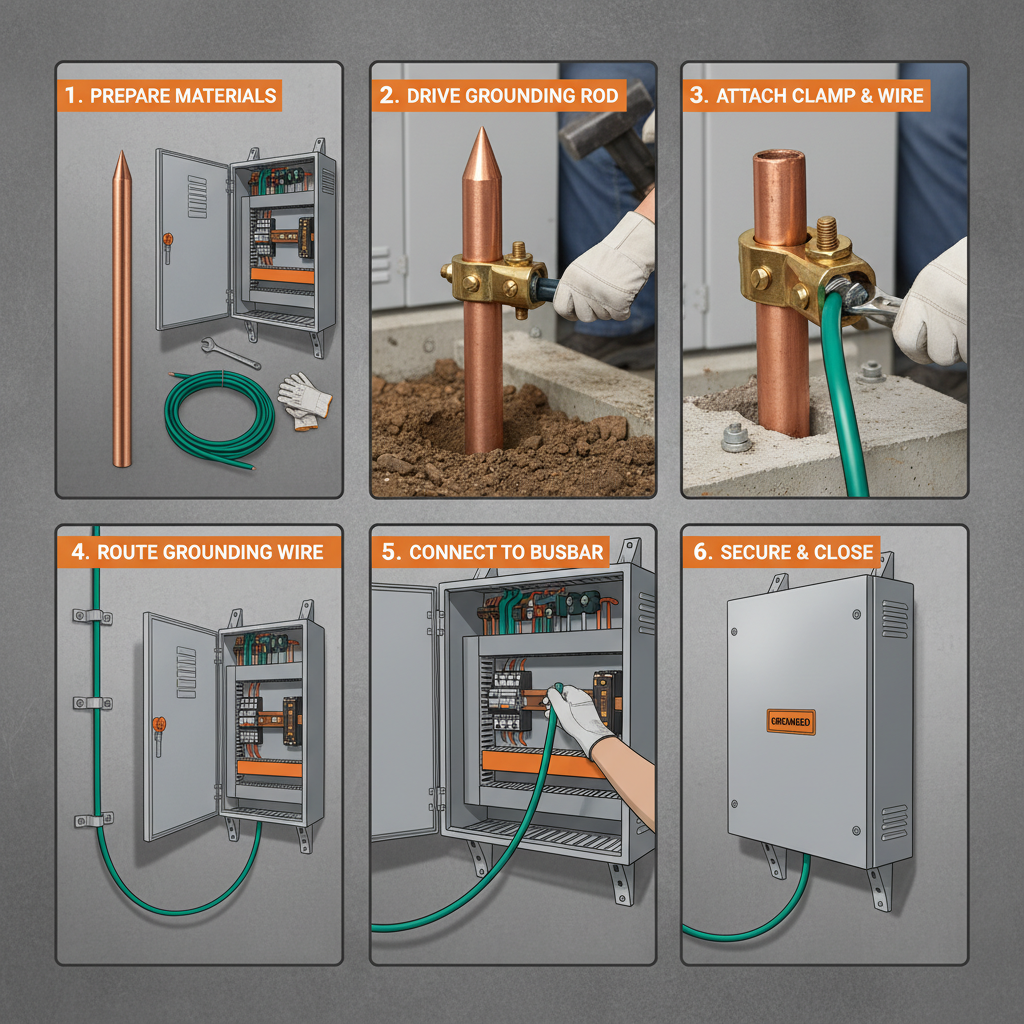
Here's a detailed guide on how to connect a grounding rod to your electrical panel. Important: Before beginning any electrical work, turn off the main breaker to your electrical panel. If you are uncomfortable with any of these steps, it’s best to consult a qualified electrician.
- Drive the Grounding Rod: Choose a location near the electrical panel, away from underground utilities. Drive the grounding rod at least 8 feet into the ground using a grounding rod driver.
- Prepare the Grounding Wire: Use a #6 or #4 AWG copper grounding wire. Strip approximately 6 inches of insulation from both ends of the wire.
- Connect to the Grounding Rod: Securely attach the grounding wire to the grounding rod using a grounding rod clamp. Ensure a tight connection, free from corrosion.
- Route the Wire: Carefully route the grounding wire to the electrical panel, avoiding sharp bends and potential damage.
- Connect to the Grounding Bus: Inside the electrical panel, connect the grounding wire to the grounding bus bar using a lug connector.
- Verify the Connection: Double-check all connections to ensure they are tight and secure.
Materials Needed for the Installation
Successfully connecting a grounding rod to your electrical panel requires the right materials. Here’s a comprehensive list:
Comparing Grounding Methods
While a single grounding rod is common, other methods exist, each with its pros and cons. A "ground ring," consisting of multiple rods connected in a circle, provides a lower resistance path to ground. Water pipe grounding, while once common, is often discouraged due to the increasing use of plastic pipes. The best method depends on your local soil conditions and electrical code requirements.
Safety Precautions
Working with electricity can be dangerous. Always prioritize safety. Never work on a live electrical panel. Wear appropriate personal protective equipment (PPE), including insulated gloves and safety glasses. If you’re unsure about any step of the process, consult a qualified electrician. Bilopowtel emphasizes the importance of safe electrical practices and provides resources to help you understand electrical safety.
Conclusion: Ensuring a Safe Grounding System
Properly connecting a grounding rod to your electrical panel is a vital step in ensuring the safety and reliability of your electrical system. By following the steps outlined in this guide and prioritizing safety, you can protect your home and family from electrical hazards. Remember, if you are at all unsure about any aspect of this process, it’s always best to consult a qualified electrician.
Frequently Asked Questions (FAQs)
How deep should a grounding rod be driven?
Generally, a grounding rod should be driven at least 8 feet into the ground. This depth ensures it reaches consistently moist soil, which is essential for establishing a good connection to earth. In some areas with rocky soil, you may need to drive the rod deeper or consider alternative grounding methods. Local electrical codes may also specify minimum depth requirements, so it's essential to check with your local authorities. A deeper grounding rod provides lower resistance, improving the effectiveness of the grounding system.
What type of wire is best for grounding?
Copper wire is the most commonly recommended type of wire for grounding. Specifically, #6 or #4 AWG (American Wire Gauge) solid copper wire is typically used. Copper offers excellent conductivity and resistance to corrosion. Avoid using aluminum wire for grounding, as it is more prone to corrosion and may not provide a reliable connection. Ensure the wire is properly insulated and rated for outdoor use if it will be exposed to the elements.
How do I test my grounding system?
Testing your grounding system requires a ground resistance tester. This device measures the resistance between the grounding rod and a distant ground point. A low resistance reading (typically less than 25 ohms) indicates a good connection. If the resistance is high, it could indicate a loose connection, corrosion, or inadequate grounding rod depth. It’s recommended to have a qualified electrician perform this test to ensure accurate results and compliance with safety standards. Regular testing is crucial to verify the ongoing effectiveness of your grounding system.
Can I use an existing water pipe as a ground?
While previously common, using an existing water pipe as a grounding electrode is generally discouraged by modern electrical codes. This is because many water pipes are now made of plastic, which does not conduct electricity. Even with metal pipes, the connection can be unreliable due to corrosion or changes in the plumbing system. A dedicated grounding rod provides a more reliable and consistent connection to earth and is the preferred method of grounding.
Latest news
Precision Lifting and Pulling with the Lever Block 0.5 Ton Guide
NewsApr.16,2026
Precision Engineering Guide for High Performance Jet Lever
NewsApr.16,2026
Ultimate Guide to Choosing the Professional Industrial hoist lever
NewsApr.16,2026
Industrial Hoist Lever Chain Guide for Heavy Lifting and Rigging
NewsApr.16,2026
Industrial Lever Hoist Guide for Efficient Lifting and Pulling
NewsApr.16,2026
Ultimate Guide to Hand Ratchet Lift for Heavy Industrial Lifting
NewsApr.16,2026
- CONTACT
- ADDRESS: 188, Fengshou Road, Shijiazhuang. China
- EMAlL: info@bilopowtel.com
- PHONE: 0086-311-88862036
- WHATSAPP: 0086-152-26563165


