



Apr . 04, 2026 01:45 Back to list
Understanding the Features and Safe Use of Ratchet Lever Chain Hoists
Understanding Ratchet Lever Chain Hoists for Efficient Lifting
When it comes to lifting heavy loads safely and efficiently, a ratchet lever chain hoist is an invaluable tool. These hoists are widely used in a variety of industries, from construction and manufacturing to shipping and warehousing. This article will explore the features, benefits, applications, and important considerations when selecting a ratchet lever chain hoist. We’ll delve into how these devices enhance workplace safety and productivity, and why choosing the right hoist is crucial for your operations.
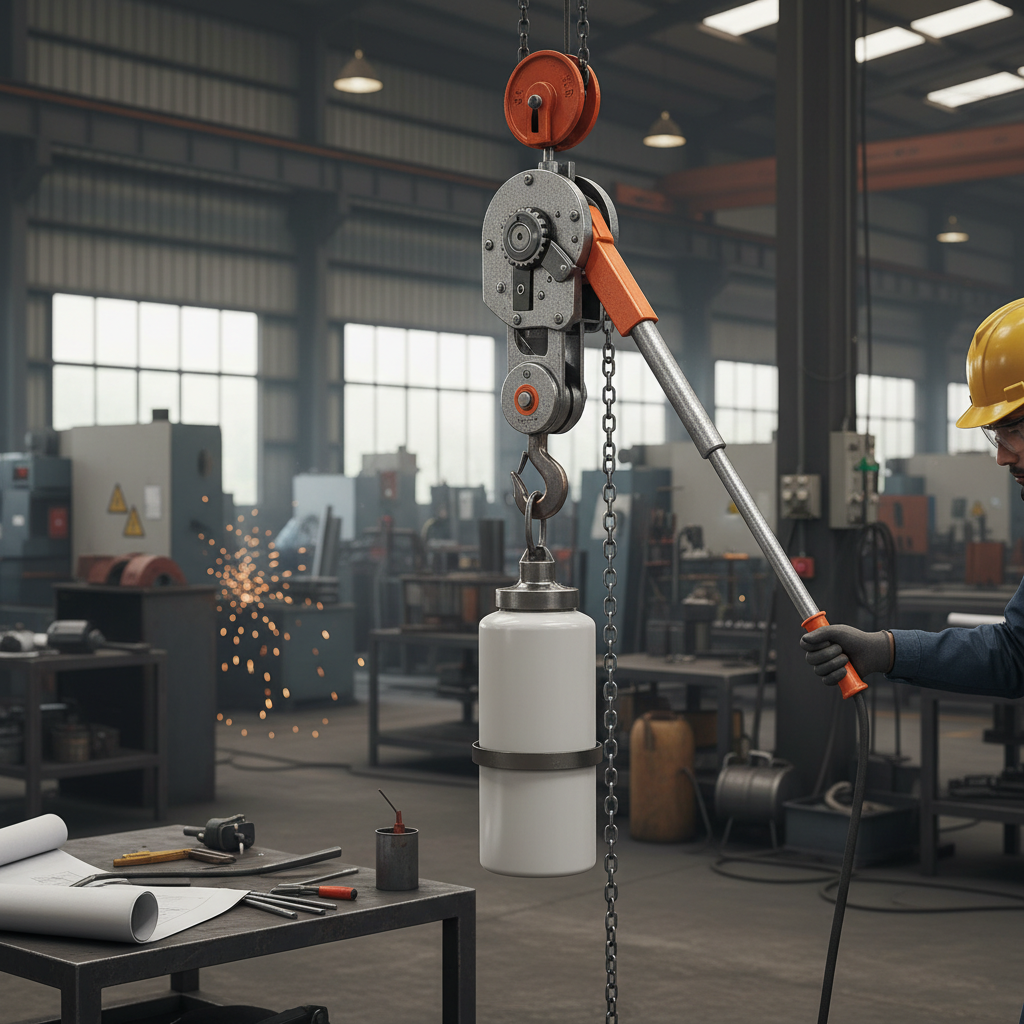
How Ratchet Lever Chain Hoists Work
A ratchet lever chain hoist utilizes a simple yet effective mechanical advantage system. The operator pulls a hand chain, which engages a ratchet mechanism. Each pull of the chain lifts the load a small increment, and the ratchet prevents the load from slipping back down. This allows for controlled lifting and lowering with minimal effort. The core components include the lifting hook, the load chain, the ratchet mechanism, and the hoist casing. The ratchet system is designed for safety, requiring conscious effort to release the mechanism and lower the load, preventing accidental drops. Bilopowtel offers a range of these hoists designed for reliability and ease of use.
Key Benefits of Using a Ratchet Lever Chain Hoist
Using a ratchet lever chain hoist provides several significant advantages. First, they offer a high lifting capacity in a relatively compact size. Second, they require minimal maintenance. Third, the ratchet mechanism provides a secure hold, preventing accidental lowering of the load. Fourth, they are portable and can be easily moved between different locations. Finally, they’re often more affordable than electric or hydraulic hoists. These benefits make them a versatile solution for a wide array of lifting tasks.
Key Highlights: High lifting capacity, minimal maintenance, secure hold, portability, and cost-effectiveness.
Applications of Ratchet Lever Chain Hoists Across Industries
These hoists are used in diverse industries. Construction workers employ them to lift materials to different levels. Manufacturing facilities use them for moving heavy components during assembly. Shipping and logistics companies rely on them for loading and unloading cargo. Warehouses use them for organizing and accessing stored items. Automotive repair shops utilize them for lifting engines and other heavy parts. The versatility of a ratchet lever chain hoist makes it an essential tool for any operation involving heavy lifting.
Choosing the Right Ratchet Lever Chain Hoist: Capacity and Specifications
Selecting the correct hoist requires careful consideration of several factors. The most important is the lifting capacity – the maximum weight the hoist can safely lift. This should always exceed the weight of the heaviest load you’ll be handling. Chain length is also critical, ensuring sufficient height for your lifting needs. Consider the vertical lift required and add extra length for rigging and secure attachment. Furthermore, assess the working environment – indoor or outdoor, exposure to harsh conditions, etc. – to choose a hoist with appropriate durability and corrosion resistance. Here's a comparison of common hoist capacities:
Safety Considerations When Using Ratchet Lever Chain Hoists
Safety is paramount when using any lifting equipment. Always inspect the hoist before each use, checking for wear, damage, or corrosion. Ensure the load is properly secured and balanced before lifting. Never exceed the hoist's rated capacity. Avoid shock loading – lifting a load too quickly can damage the hoist and create a dangerous situation. Maintain a safe working distance from the load during lifting and lowering. Regular inspection and maintenance are critical to ensure the hoist remains in safe operating condition. Bilopowtel provides comprehensive safety guidelines with all its products.
Conclusion: Investing in Quality and Safety
The ratchet lever chain hoist is a powerful and versatile tool for a wide range of lifting applications. By understanding its features, benefits, and safety considerations, you can select the right hoist for your needs and ensure safe and efficient operations. Investing in a quality hoist from a reputable manufacturer like Bilopowtel is crucial for long-term reliability and safety.
Frequently Asked Questions (FAQs)
What is the difference between a chain hoist and a lever hoist?
While often used interchangeably, there's a subtle difference. A chain hoist generally refers to manual hoists operated with a hand chain, like the ratchet lever type we've discussed. A lever hoist specifically refers to those using a long lever to pull and lift the load. Ratchet lever chain hoists are known for their compact design and ability to hold the load securely with each pull, whereas some lever hoists may require constant pressure on the lever to maintain the lift. Both are manual options providing controlled lifting.
How often should I inspect my ratchet lever chain hoist?
Regular inspection is vital. A thorough inspection should be performed before each use to check for visible damage, wear, or deformation. A more detailed inspection, including checking the chain for stretch or corrosion and the ratchet mechanism for smooth operation, should be conducted monthly or as dictated by your company’s safety procedures. Any signs of damage or malfunction should be addressed immediately, and the hoist should be taken out of service until repaired.
What is the proper way to store a ratchet lever chain hoist?
Proper storage helps prolong the life of your hoist. Store the hoist in a clean, dry environment, protected from extreme temperatures and corrosive elements. Ensure the chain is lightly oiled to prevent rust. Avoid storing the hoist in direct sunlight or exposed to harsh chemicals. When not in use, hang the hoist in a secure location to prevent accidental damage.
Can ratchet lever chain hoists be used for lowering loads quickly?
While they can lower loads, ratchet lever chain hoists are not designed for rapid lowering. Their primary function is controlled lifting and lowering. Lowering too quickly can cause damage to the hoist and create a safety hazard. Always lower loads slowly and deliberately, maintaining control throughout the process. If you require fast lowering, consider using a different type of lifting equipment, such as a powered winch.
Latest news
Precision Lifting and Pulling with the Lever Block 0.5 Ton Guide
NewsApr.16,2026
Precision Engineering Guide for High Performance Jet Lever
NewsApr.16,2026
Ultimate Guide to Choosing the Professional Industrial hoist lever
NewsApr.16,2026
Industrial Hoist Lever Chain Guide for Heavy Lifting and Rigging
NewsApr.16,2026
Industrial Lever Hoist Guide for Efficient Lifting and Pulling
NewsApr.16,2026
Ultimate Guide to Hand Ratchet Lift for Heavy Industrial Lifting
NewsApr.16,2026
- CONTACT
- ADDRESS: 188, Fengshou Road, Shijiazhuang. China
- EMAlL: info@bilopowtel.com
- PHONE: 0086-311-88862036
- WHATSAPP: 0086-152-26563165


