



Feb . 24, 2026 10:55 Back to list
Understanding the Critical Role of Earthing Wire in House Electrical Safety
Understanding Earthing Wire in House: A Comprehensive Guide
Protecting your home from electrical hazards is paramount, and a crucial component of this safety net is the earthing wire (also known as grounding wire). This article will delve into the importance of earthing wires, how they function within your home's electrical system, the different types available, installation best practices, and how to identify potential issues. Ensuring a correctly installed and functioning earthing wire can significantly reduce the risk of electric shock and damage to your appliances. At Bilo Powtel we specialize in providing high-quality earthing solutions to ensure your home's electrical safety.
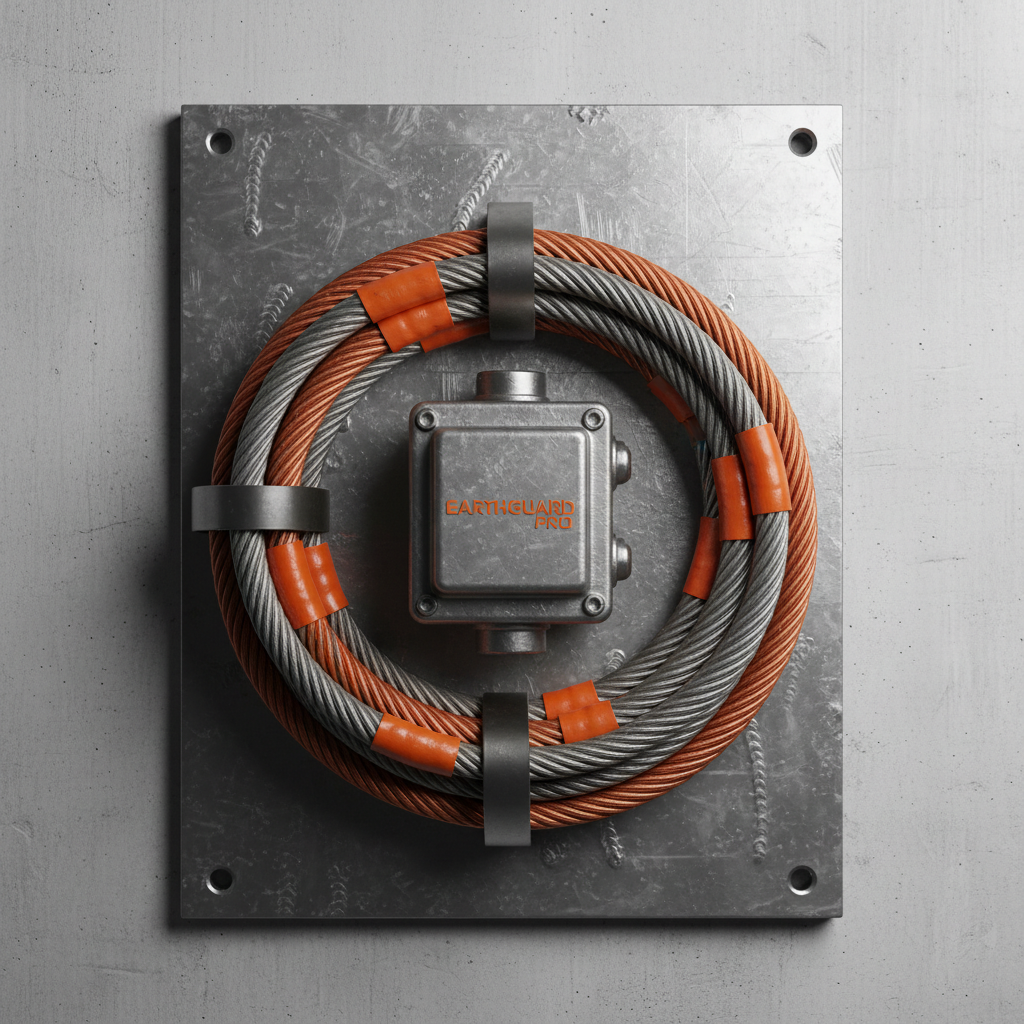
What is an Earthing Wire and Why is it Important?
An earthing wire provides a low-resistance path for electricity to flow back to the source in the event of a fault. This prevents the build-up of voltage on metallic parts of appliances, which could otherwise cause a dangerous electric shock if touched. Think of it as a safety valve for your electrical system. Without a properly functioning earthing wire, a fault could lead to the appliance becoming ‘live’, posing a serious risk. Bilo Powtel's range of earthing wires are manufactured to the highest standards, ensuring optimal performance and reliability.
Key Benefits: Protection against electric shock, Prevents damage to electrical appliances, Enhances overall electrical system safety.
Different Types of Earthing Wire
Several types of earthing wires are commonly used in residential settings. These include:
- Copper Earthing Wire: The most common type, offering excellent conductivity and corrosion resistance.
- Aluminum Earthing Wire: Less expensive than copper, but requires careful installation to prevent corrosion at connections.
- PVC-Insulated Earthing Wire: Provides an extra layer of protection against short circuits and accidental contact.
- Green and Yellow Combined Wire: The standard color coding for earthing wires, making them easily identifiable.
The choice of earthing wire depends on your local regulations, budget, and the specific requirements of your electrical system. Contact Bilo Powtel to discuss the best option for your home.
Earthing Wire Comparison:
• Copper: Excellent conductivity, High cost.
• Aluminum: Lower cost, Requires careful installation.
• PVC Insulated: Enhanced safety, Moderate cost.
Earthing Wire Size and Installation Considerations
The correct size of the earthing wire is crucial for its effectiveness. The size is determined by the amperage rating of the circuit it protects. Using an undersized wire can create a bottleneck, reducing its ability to safely carry fault current. Installation should always be carried out by a qualified electrician to ensure compliance with local electrical codes and standards. Proper connections are essential; loose or corroded connections can compromise the earthing system's integrity. The earthing wire must be securely connected to the main earthing terminal (MET) in your consumer unit.
Identifying Potential Earthing Wire Issues
Regularly checking your earthing system is vital for maintaining electrical safety. Signs of a potential issue include flickering lights, frequent tripping of circuit breakers, or a tingling sensation when touching metal appliances. These symptoms should be investigated immediately by a qualified electrician. Visual inspections can also reveal loose connections or damaged wiring. Bilo Powtel offers inspection services to assess the condition of your earthing system and identify any potential risks.
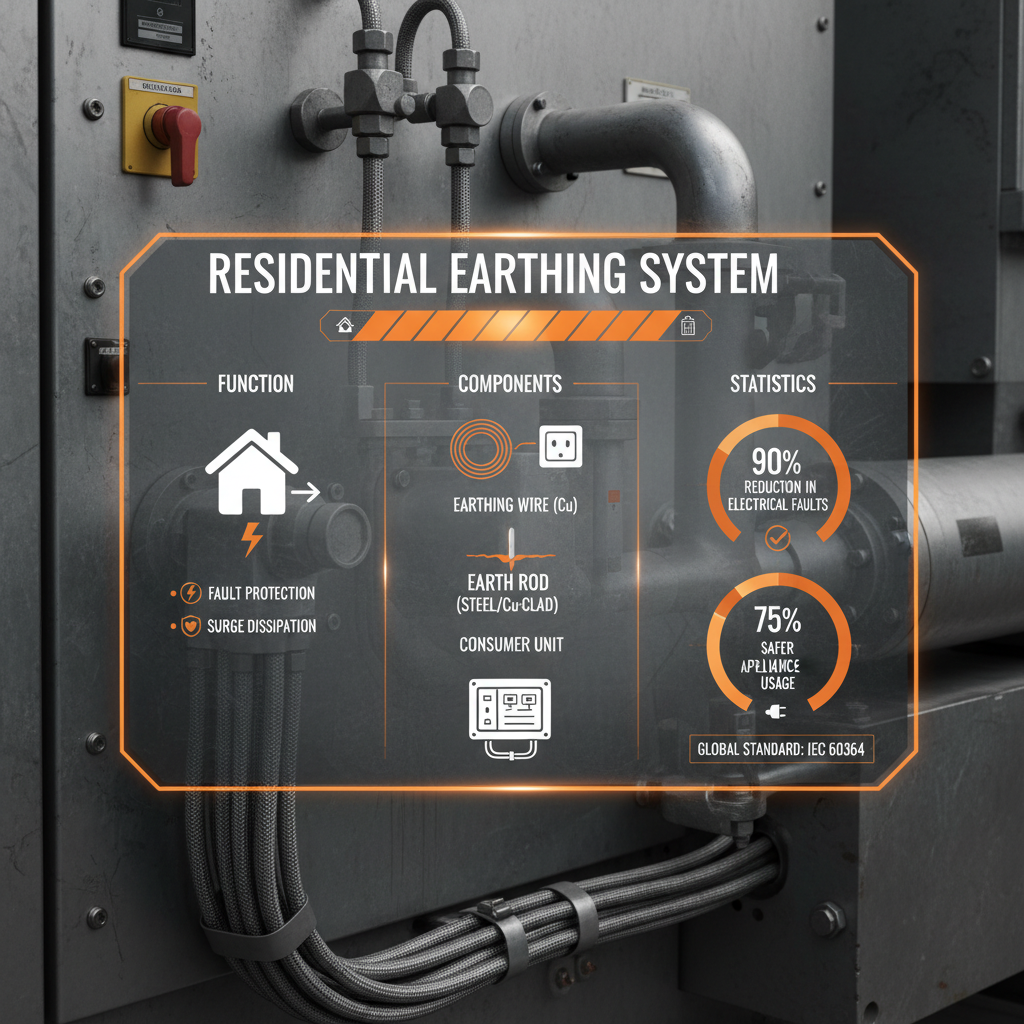
Maintaining Your Earthing Wire System
To ensure the longevity and effectiveness of your earthing wire system, consider the following:
- Regular Inspections: Have your earthing system inspected by a qualified electrician every few years.
- Secure Connections: Ensure all connections are tight and free from corrosion.
- Avoid Overloading Circuits: Overloading circuits can put stress on the earthing system.
- Protect from Damage: Ensure the earthing wire is protected from physical damage.
Prioritizing these steps can help prevent electrical hazards and ensure the safety of your home and family. Bilo Powtel is committed to providing you with the highest quality earthing solutions and expert advice.
Conclusion: A Safe Home Starts with a Secure Earthing System
The earthing wire is a vital component of your home's electrical safety. By understanding its function, choosing the right type, and ensuring proper installation and maintenance, you can significantly reduce the risk of electrical hazards. Don't compromise on safety - invest in a reliable earthing system from Bilo Powtel today.
Frequently Asked Questions (FAQs)
What is the difference between earthing and grounding?
While often used interchangeably, there’s a subtle difference. Earthing refers to connecting the electrical system to the earth via a low-resistance wire. Grounding, more broadly, refers to connecting any metallic part of an electrical system that isn't intended to carry current to the earth. Essentially, earthing is a type of grounding. A properly implemented earthing system provides effective grounding, safeguarding against electrical faults and shocks. At Bilo Powtel, we ensure both earthing and grounding systems are implemented to the highest safety standards.
Can I install an earthing wire myself?
While it might seem straightforward, installing an earthing wire is not recommended for DIY projects. Electrical work carries inherent risks, and incorrect installation can compromise the safety of your entire electrical system. Regulations typically require that all electrical work be performed by a licensed and qualified electrician. They have the knowledge, tools, and experience to ensure the job is done safely and in compliance with local codes. Bilo Powtel can connect you with certified electricians in your area.
How often should I test my earthing system?
It's recommended to have your earthing system tested at least every few years, or whenever electrical work is performed on your home. This testing verifies the continuity of the earthing wire and ensures it provides a low-resistance path to ground. A qualified electrician can use specialized equipment to perform these tests and identify any potential issues. Regular testing provides peace of mind and helps maintain the safety of your electrical system. Bilo Powtel offers comprehensive earthing system testing services.
What happens if my earthing wire is faulty?
A faulty earthing wire significantly increases the risk of electric shock. If a fault occurs in an appliance or electrical circuit, the electricity will not have a safe path to ground, potentially energizing the appliance's metal casing. This poses a serious hazard to anyone who touches it. If you suspect your earthing wire is faulty – for example, if you experience frequent shocks or tripping of circuit breakers – immediately disconnect the affected circuit and contact a qualified electrician to investigate and repair the issue. Do not attempt to fix it yourself.
Latest news
Precision Lifting and Pulling with the Lever Block 0.5 Ton Guide
NewsApr.16,2026
Precision Engineering Guide for High Performance Jet Lever
NewsApr.16,2026
Ultimate Guide to Choosing the Professional Industrial hoist lever
NewsApr.16,2026
Industrial Hoist Lever Chain Guide for Heavy Lifting and Rigging
NewsApr.16,2026
Industrial Lever Hoist Guide for Efficient Lifting and Pulling
NewsApr.16,2026
Ultimate Guide to Hand Ratchet Lift for Heavy Industrial Lifting
NewsApr.16,2026
- CONTACT
- ADDRESS: 188, Fengshou Road, Shijiazhuang. China
- EMAlL: info@bilopowtel.com
- PHONE: 0086-311-88862036
- WHATSAPP: 0086-152-26563165


