



Feb . 26, 2026 01:45 Back to list
Comprehensive Guide to Twin and Earth Cable Price and Factors Affecting Cost
Understanding Twin and Earth Cable Price: A Comprehensive Guide
Navigating the world of electrical cables can be complex, especially when it comes to pricing. Understanding the factors influencing twin and earth cable price is crucial for both professionals and DIY enthusiasts. This guide will provide a detailed overview of pricing, influencing elements, and where to source quality cables. We'll cover everything from material costs to supplier options, ensuring you get the best value for your investment. Selecting the right cable at the right price ensures both safety and efficiency for your project.
What is Twin and Earth Cable?
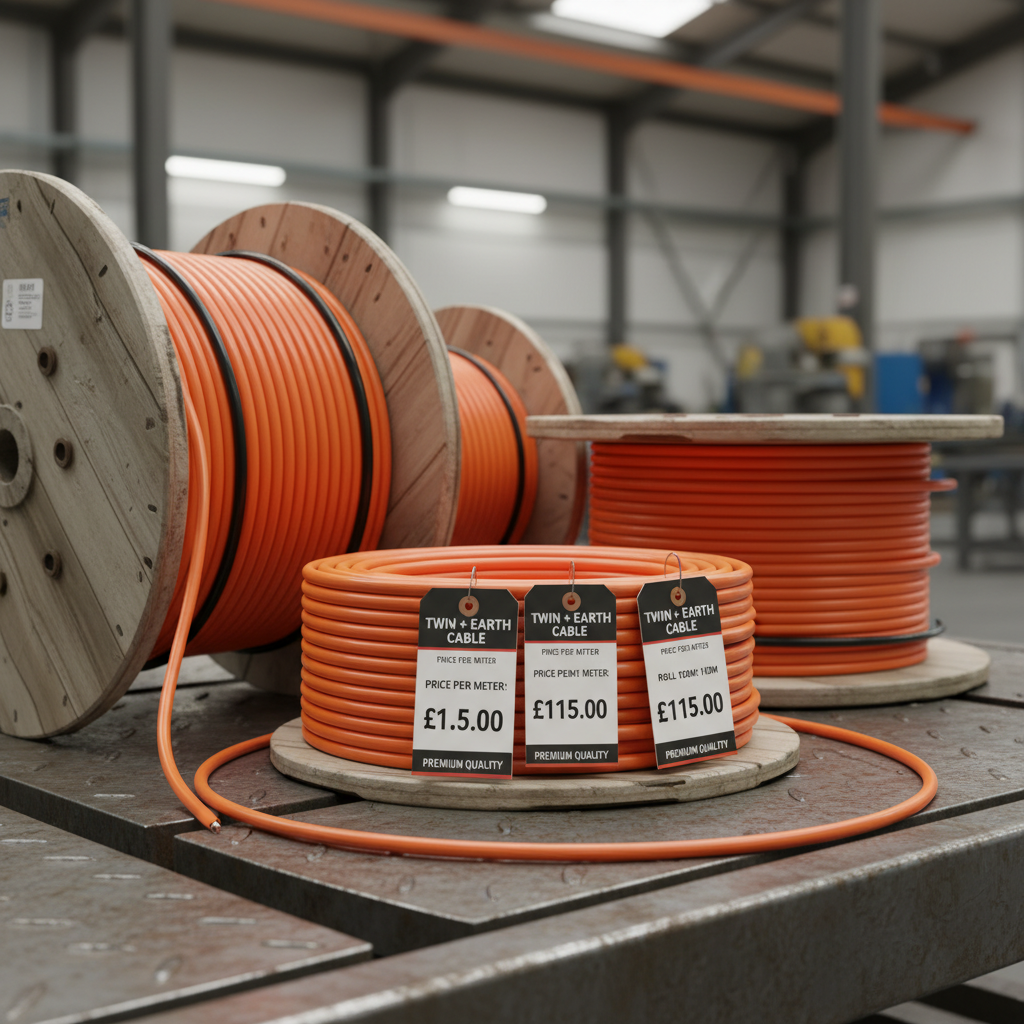
Twin and Earth cable, often referred to as T+E, is a type of electrical cable commonly used in domestic wiring for various applications like lighting circuits, socket outlets, and power distribution. It consists of two current-carrying conductors (live and neutral) and a protective earth conductor all encased within a PVC outer sheath. The 'twin' refers to the live and neutral wires, while 'earth' denotes the protective grounding wire. Its flexible nature and ease of installation make it a popular choice for a wide range of projects. Understanding its construction is key to appreciating the factors that influence the twin and earth cable price.
Key Features: Consists of two current-carrying conductors (live & neutral) and an earth conductor. Flexible and easy to install. Commonly used in domestic wiring.
Factors Influencing Twin and Earth Cable Price
Several key factors contribute to the fluctuations in twin and earth cable price. These include the cable’s gauge (cross-sectional area measured in mm²), the length required, the quality of the copper used, and the PVC compound used for insulation. Market demand and fluctuations in the price of raw materials like copper and PVC also play a significant role. Larger gauge cables, designed to handle higher currents, naturally command a higher price. Furthermore, buying in bulk often unlocks significant discounts. Supplier location and associated shipping costs also contribute to the final price.
Price Influencers:
• Cable Gauge (mm²)
• Cable Length
• Copper Quality
• PVC Compound Quality
• Market Demand
Twin and Earth Cable Price Comparison by Gauge
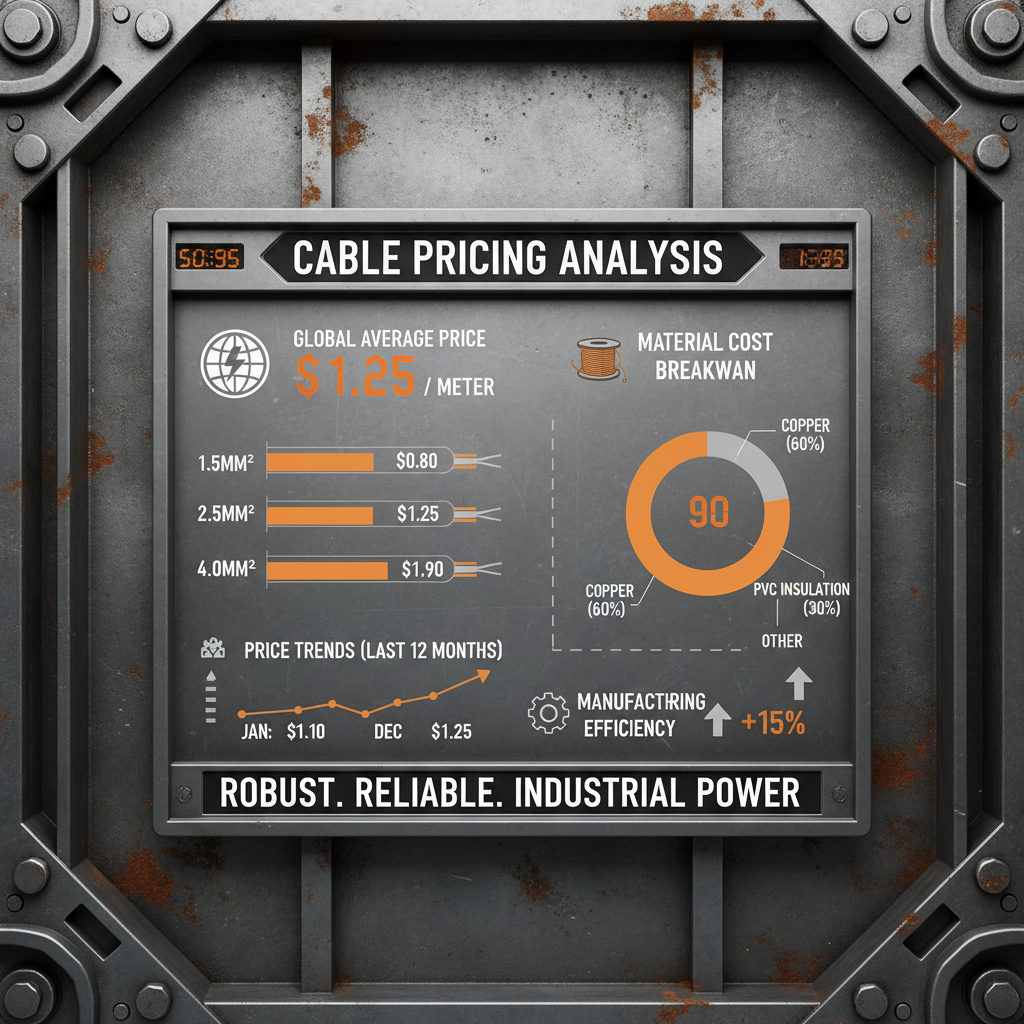
The price of twin and earth cable varies considerably based on its gauge. Here's a general price comparison as of late 2023 (prices are approximate and can change):
Where to Buy Twin and Earth Cable: Supplier Options
There are numerous options for purchasing twin and earth cable. Electrical wholesalers are generally the most cost-effective source, offering competitive pricing and bulk discounts. Online retailers provide convenience and a wider selection, but shipping costs can sometimes offset savings. Major DIY stores also stock T+E cable, but prices are often higher than at specialized wholesalers. Bilopowtel specializes in supplying high-quality electrical cables at competitive prices, with a focus on customer service and fast delivery. Always ensure the supplier is reputable and offers certified cables meeting relevant safety standards.
Ensuring Quality and Safety When Purchasing
When purchasing twin and earth cable, prioritize quality and safety. Look for cables that are certified to BS 6500, the British Standard for electrical cables. Check for clear markings indicating the cable's voltage rating and conductor size. Avoid purchasing damaged or visibly worn cables. A reputable supplier like Bilopowtel will provide documentation confirming the cable’s compliance with safety standards. Using substandard cables can pose serious fire hazards and compromise the safety of your electrical system.
Conclusion: Finding the Best Twin and Earth Cable Price
Understanding the factors that influence twin and earth cable price, prioritizing quality and safety, and choosing a reputable supplier like Bilopowtel are essential for a successful and safe electrical project. Investing in high-quality cables provides peace of mind and ensures long-term reliability.
Frequently Asked Questions (FAQs)
What is the difference between 1.5mm² and 2.5mm² twin and earth cable?
The primary difference lies in their current-carrying capacity. 1.5mm² cable is typically used for lighting circuits with a maximum load of around 20 amps. 2.5mm² cable is used for socket outlets and other higher-power appliances, with a maximum load of around 32 amps. Using the incorrect cable gauge can lead to overheating and pose a fire risk. Always consult with a qualified electrician to determine the appropriate cable size for your specific application. The price difference reflects the increased copper content in the 2.5mm² cable.
How much twin and earth cable do I need for a typical room?
The amount of cable needed will vary based on the room's size, the number of sockets and lights, and the route of the cable. As a general guide, it's always best to overestimate slightly to avoid running short. For a typical bedroom with a few sockets and a ceiling light, you'll likely need at least 20-30 meters of cable. For larger rooms or those with more electrical points, you may need significantly more. Consider the vertical and horizontal distances, and add extra for bends and connections.
Can I run twin and earth cable outdoors?
While twin and earth cable can be used outdoors, it's not ideal for direct exposure to sunlight or prolonged moisture. UV radiation can degrade the PVC insulation over time, and moisture can penetrate the cable, causing corrosion. For outdoor applications, it's recommended to use cable specifically designed for outdoor use, such as H07RN-F rubber cable, which is more resistant to UV and moisture. If using T+E cable outdoors, it must be housed in conduit or properly protected from the elements.
What safety precautions should I take when working with twin and earth cable?
Always disconnect the electricity supply to the circuit before working with any electrical cables. Use appropriate tools, such as wire strippers and crimping tools, to ensure safe and secure connections. Wear appropriate personal protective equipment (PPE), including insulated gloves and safety glasses. If you are not confident in your ability to work with electrical cables safely, it is always best to consult with a qualified electrician. Improper wiring can lead to electric shock or fire.
Latest news
Precision Lifting and Pulling with the Lever Block 0.5 Ton Guide
NewsApr.16,2026
Precision Engineering Guide for High Performance Jet Lever
NewsApr.16,2026
Ultimate Guide to Choosing the Professional Industrial hoist lever
NewsApr.16,2026
Industrial Hoist Lever Chain Guide for Heavy Lifting and Rigging
NewsApr.16,2026
Industrial Lever Hoist Guide for Efficient Lifting and Pulling
NewsApr.16,2026
Ultimate Guide to Hand Ratchet Lift for Heavy Industrial Lifting
NewsApr.16,2026
- CONTACT
- ADDRESS: 188, Fengshou Road, Shijiazhuang. China
- EMAlL: info@bilopowtel.com
- PHONE: 0086-311-88862036
- WHATSAPP: 0086-152-26563165


