



Apr . 09, 2026 01:45 Back to list
Industrial Chain Block Lever Hoist for Efficient Lifting and Pulling
Maximizing Lifting Efficiency with a Chain Block Lever Hoist
In the demanding world of industrial lifting and rigging, precision and safety are non-negotiable. Whether you are managing a busy construction site, a manufacturing plant, or a warehouse, the right equipment can make the difference between seamless productivity and costly downtime. A high-quality chain block lever hoist offers the perfect blend of mechanical advantage and portability, allowing operators to lift, pull, and tension heavy loads with minimal effort. In this comprehensive guide, we will explore the technical nuances, selection criteria, and operational benefits of these essential tools to help you make an informed investment for your business.
How a Chain Block Lever Hoist Works
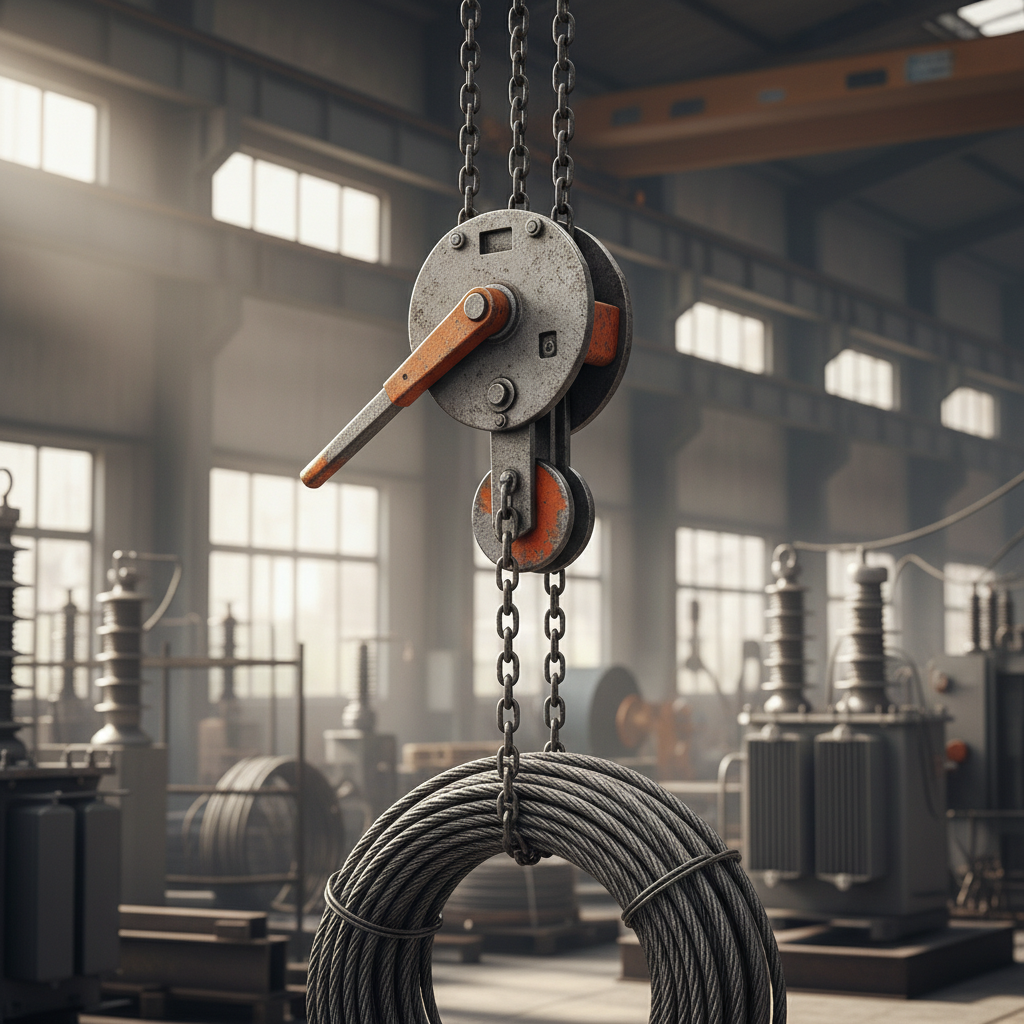
The brilliance of the chain block lever hoist lies in its gear-driven mechanism. Unlike a standard chain block that requires a continuous pulling motion, the lever hoist utilizes a handle (lever) that the operator pumps to move the load. This action engages a series of internal gears that multiply the input force, allowing a single person to lift several tons. The ratchet system ensures that the load is held securely in place, preventing accidental slips or drops, which is critical when working in tight spaces or precarious angles.
Pro Tip: Lever hoists are particularly effective for horizontal pulling and tensioning tasks, where traditional vertical hoists struggle to maintain stability.
Comparing Chain Block Lever Hoist vs. Manual Chain Block
Many professionals struggle to choose between a lever hoist and a standard manual chain block. While both use chains to move loads, their application differs significantly. A manual chain block is designed primarily for vertical lifting and offers higher weight capacities for stationary loads. In contrast, the chain block lever hoist provides much greater flexibility, enabling both vertical and horizontal movement. This versatility makes it the go-to tool for machinery installation and structural alignment.
Key Application Scenarios for the Chain Block Lever Hoist
Because of its unique design, the chain block lever hoist is indispensable in several high-stakes environments. In electrical utility work, it is used to tension power lines. In shipbuilding, it assists in aligning massive steel plates. Furthermore, in automotive workshops, it is frequently used to lift engines or transmissions where space is too restricted for a crane. The ability to "pull" a load toward a specific point makes it an essential tool for any technician focusing on precision assembly.
Choosing the Right Chain Block Lever Hoist Specifications
Not all hoists are created equal. When selecting a chain block lever hoist, you must consider the Working Load Limit (WLL), the lift height (chain length), and the material grade of the chain. Using a hoist beyond its rated capacity is a severe safety violation and can lead to catastrophic equipment failure. High-grade alloy steel chains are recommended for corrosive environments to prevent rust and wear. Below is a general specification guide for common industrial models:
Maintenance Tips for Prolonging Hoist Lifespan
To ensure your chain block lever hoist remains safe and efficient, a strict maintenance schedule is required. First, regularly lubricate the load chain to reduce friction and prevent wear on the internal gears. Second, inspect the hooks for any signs of stretching or twisting; a deformed hook is a sign of overload and must be replaced immediately. Lastly, ensure that the brake system is functioning correctly by performing a "no-load" test before every major project. Proper care not only ensures safety but also maximizes the return on your investment.
Maintenance Checklist:
• Weekly chain lubrication with industrial-grade oil
• Visual inspection of hooks and safety latches
• Check for unusual noises during gear operation
• Verify load capacity labels are legible
Safety Standards and Compliance in Lifting
When purchasing a chain block lever hoist, always check for compliance with international standards such as ASME or CE. These certifications guarantee that the hoist has undergone rigorous stress tests and safety audits. Operating without certified equipment can lead to legal liabilities and, more importantly, risk the lives of your workforce. Always ensure that the operator is trained in the correct "angle of pull" to avoid side-loading the hoist, which can cause the chain to jump the sprocket.
Conclusion: Elevate Your Operations with Bilopowtel
Choosing the right chain block lever hoist is about more than just capacity; it is about finding a tool that offers reliability, safety, and versatility. By understanding the mechanical differences between hoist types and adhering to strict maintenance and safety protocols, you can significantly increase the efficiency of your industrial operations. Trust in professional-grade equipment to handle your heaviest burdens with ease and precision.
Frequently Asked Questions (FAQs)
Can a lever hoist be used for permanent suspension?
No, a chain block lever hoist is designed for lifting, pulling, and positioning, not for permanent load suspension. For long-term suspension, you should transfer the load to a certified permanent sling, a beam clamp, or a dedicated support structure. Using a hoist for permanent suspension can lead to brake fatigue and potential failure over time, compromising safety.
How often should I lubricate my chain block lever hoist?
The frequency of lubrication depends on the environment. In a clean, indoor warehouse, monthly lubrication is usually sufficient. However, in outdoor, dusty, or corrosive environments (like marine or construction sites), we recommend lubricating the chain every 1-2 weeks. This prevents the buildup of grime and ensures that the chain glides smoothly through the gears, reducing friction and extending the tool's life.
What is the "Working Load Limit" (WLL)?
The Working Load Limit (WLL) is the maximum mass or weight that a piece of lifting equipment is authorized to support in general service. It is a safety-rated limit determined by the manufacturer. Exceeding the WLL can cause the chain to snap or the internal gears to strip. Always ensure that the weight of your load, including any rigging gear, is well within the WLL listed on the chain block lever hoist.
Can I use a lever hoist for horizontal pulling?
Yes, one of the primary advantages of a lever hoist over a standard chain block is its ability to perform horizontal pulling. This makes it ideal for tensioning cables, pulling heavy machinery into place, or aligning structural beams. However, always ensure that the hoist is anchored securely to avoid "swing-back" or instability during the pull.
Latest news
Precision Lifting and Pulling with the Lever Block 0.5 Ton Guide
NewsApr.16,2026
Precision Engineering Guide for High Performance Jet Lever
NewsApr.16,2026
Ultimate Guide to Choosing the Professional Industrial hoist lever
NewsApr.16,2026
Industrial Hoist Lever Chain Guide for Heavy Lifting and Rigging
NewsApr.16,2026
Industrial Lever Hoist Guide for Efficient Lifting and Pulling
NewsApr.16,2026
Ultimate Guide to Hand Ratchet Lift for Heavy Industrial Lifting
NewsApr.16,2026
- CONTACT
- ADDRESS: 188, Fengshou Road, Shijiazhuang. China
- EMAlL: info@bilopowtel.com
- PHONE: 0086-311-88862036
- WHATSAPP: 0086-152-26563165


