



Mar . 08, 2026 01:45 Back to list
Expert Guide to Successfully Driving Ground Rods in Rock Formations
Driving Ground Rods in Rock: A Comprehensive Guide
Driving ground rods into rocky terrain presents a unique set of challenges. Traditional methods can be ineffective, time-consuming, and even damaging to the rod itself. At Bilopowtel, we specialize in solutions for grounding in difficult conditions. This article delves into the best practices, tools, and techniques for successfully driving ground rods in rock, ensuring a safe and reliable grounding system. Proper grounding is essential for protecting equipment and personnel, and understanding the nuances of rocky installations is crucial.
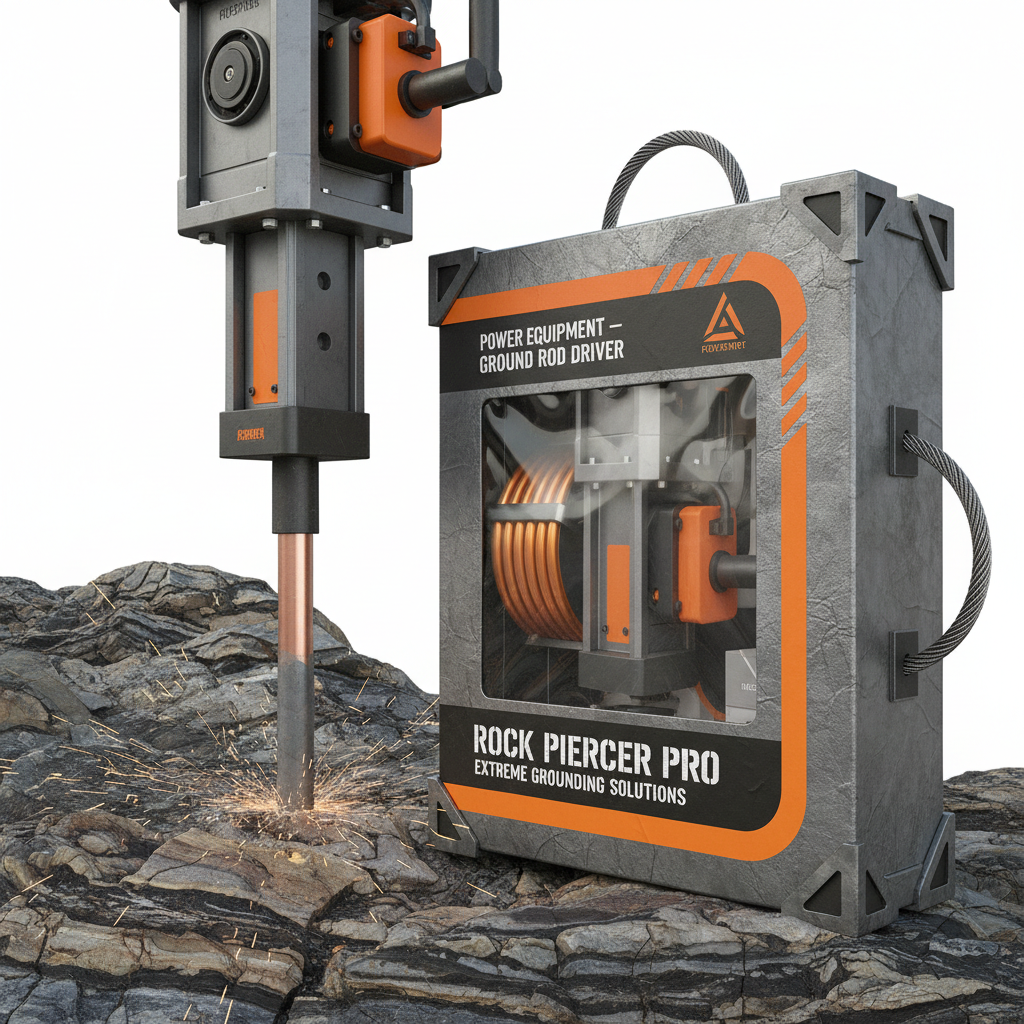
Understanding the Challenges of Rocky Soil
Rocky soil poses significant obstacles to traditional ground rod installation. The presence of large stones, boulders, and dense rock layers makes it difficult to achieve the necessary depth for effective grounding. Attempting to drive a rod directly into solid rock can bend or break the rod, rendering it useless. Furthermore, insufficient depth can lead to poor contact with the surrounding earth, resulting in high ground resistance and a compromised grounding system. It's important to assess the site thoroughly to determine the best approach for overcoming these challenges. Choosing the right technique and equipment is key to a successful and lasting installation.
Key Considerations: Rocky soil requires specialized techniques and equipment to avoid damaging the ground rod and ensure proper grounding. Careful site assessment is critical for selecting the most effective installation method.
Techniques for Driving Ground Rods in Rock
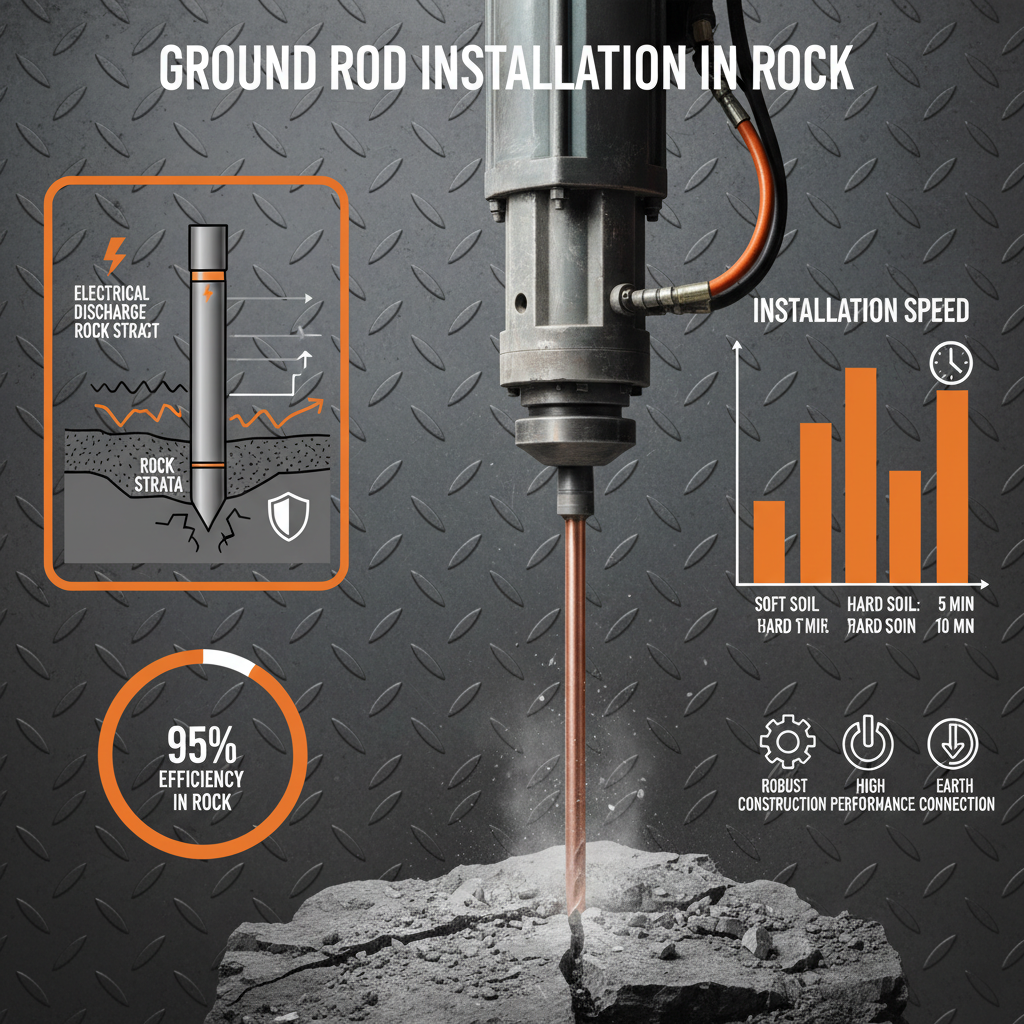
Several techniques can be employed when driving ground rods in rock. One common method is to utilize a rock spike, a hardened steel rod designed to penetrate rock. Another approach involves creating a pilot hole using a rotary hammer drill and then driving the ground rod into the pre-drilled hole. For extremely hard rock formations, a pneumatic jackhammer with a specialized grounding rod driver attachment may be necessary. It's crucial to select a technique appropriate for the specific rock type and size. Often, a combination of methods is most effective, starting with a pilot hole and then utilizing a driving tool to secure the rod. Safety precautions, such as wearing appropriate personal protective equipment, must always be observed.
Effective Techniques:
• Rock Spike Installation
• Pilot Hole Drilling & Driving
• Pneumatic Jackhammer with Driver
Essential Tools for Rocky Grounding
Success relies heavily on having the correct tools. A robust rotary hammer drill is essential for creating pilot holes. High-quality rock drill bits, specifically designed for the type of rock encountered, are vital. A heavy-duty sledgehammer or pneumatic jackhammer with a grounding rod driver attachment is necessary for driving the rod into the hole. A ground resistance tester is crucial for verifying the effectiveness of the grounding system after installation. Safety gear, including safety glasses, gloves, and hearing protection, is paramount. Investing in durable, reliable tools will save time and ensure a safe and effective installation. Bilopowtel offers a comprehensive range of grounding solutions, including specialized tools and equipment.
Optimizing Grounding in Rocky Environments
Maximizing contact between the ground rod and the surrounding earth is paramount. Consider using multiple ground rods connected in parallel to increase the surface area for grounding. Backfilling the hole with conductive materials, such as bentonite clay, can improve contact and lower ground resistance. Regular inspection and maintenance are also crucial. Over time, soil conditions can change, and connections may corrode, leading to increased ground resistance. Bilopowtel offers comprehensive grounding solutions and maintenance services to ensure the long-term reliability of your grounding system.
Safety Precautions When Driving Ground Rods in Rock
Safety should always be the top priority. Before beginning any work, check for underground utilities. Wear appropriate personal protective equipment, including safety glasses, gloves, and hearing protection. Be aware of the potential for flying debris when using power tools. Never work alone, and ensure that someone is aware of your location and activities. If you encounter unexpected challenges or are unsure about any aspect of the installation, consult with a qualified grounding professional. Bilopowtel provides expert guidance and safe installation practices.
Conclusion: Reliable Grounding in Challenging Terrain
Successfully driving ground rods in rock requires careful planning, the right tools, and a thorough understanding of the challenges involved. By following the techniques and safety precautions outlined in this guide, you can ensure a safe and reliable grounding system. Contact Bilopowtel today for expert assistance and comprehensive grounding solutions.
Frequently Asked Questions (FAQs)
What is the best type of ground rod for rocky soil?
Copper-clad steel ground rods are generally recommended for rocky soil. They offer a good balance of conductivity and durability. Steel rods alone are prone to corrosion, while solid copper rods are often too expensive and can be easily damaged during installation. The copper cladding provides excellent conductivity while the steel core offers the necessary strength to withstand the forces involved in driving the rod into rock. Consider rock spikes as a primary option for particularly hard rock formations. The specific choice depends on the rock type and the overall grounding requirements.
How deep should a ground rod be driven in rocky soil?
Ideally, a ground rod should be driven at least 8 feet (2.4 meters) into the ground, regardless of soil type. However, in rocky soil, achieving this depth can be challenging. Focus on getting the rod as deep as possible while ensuring good contact with the surrounding earth. If you cannot reach 8 feet due to bedrock, consider using multiple ground rods connected in parallel to increase the overall grounding surface area. Always check local electrical codes for specific requirements.
How can I verify that my ground rod is properly grounded?
A ground resistance tester is the most reliable way to verify the effectiveness of your grounding system. This instrument measures the resistance between the ground rod and a remote ground stake. Acceptable resistance values vary depending on local codes and the application, but generally, a resistance of 25 ohms or less is considered good. If the resistance is too high, you may need to use additional ground rods or improve the soil conductivity around the existing rod.
What should I do if I encounter large boulders while trying to drive a ground rod?
If you encounter large boulders that prevent you from driving the ground rod to the desired depth, do not force it. Instead, consider relocating the ground rod to a different location or using a different installation technique, such as creating a deeper pilot hole with a rotary hammer drill. Alternatively, you can install multiple ground rods around the boulder to achieve a comprehensive grounding system. It's crucial to avoid damaging the ground rod or the surrounding rock formation.
Latest news
Precision Lifting and Pulling with the Lever Block 0.5 Ton Guide
NewsApr.16,2026
Precision Engineering Guide for High Performance Jet Lever
NewsApr.16,2026
Ultimate Guide to Choosing the Professional Industrial hoist lever
NewsApr.16,2026
Industrial Hoist Lever Chain Guide for Heavy Lifting and Rigging
NewsApr.16,2026
Industrial Lever Hoist Guide for Efficient Lifting and Pulling
NewsApr.16,2026
Ultimate Guide to Hand Ratchet Lift for Heavy Industrial Lifting
NewsApr.16,2026
- CONTACT
- ADDRESS: 188, Fengshou Road, Shijiazhuang. China
- EMAlL: info@bilopowtel.com
- PHONE: 0086-311-88862036
- WHATSAPP: 0086-152-26563165


