



Mar . 07, 2026 01:45 Back to list
Essential Guide to a Reliable Cable to Ground Rod Connection for Safety
Understanding and Selecting the Right Cable to Ground Rod Connection
Ensuring a reliable and safe electrical grounding system is critical for protecting equipment, structures, and personnel. A fundamental component of this system is the connection between the electrical cable and the ground rod. This article explores the importance of a secure cable to ground rod connection, the different types available, installation best practices, and factors to consider when choosing the right solution. We'll cover the essentials for both residential and commercial applications, highlighting the importance of corrosion resistance and low impedance.
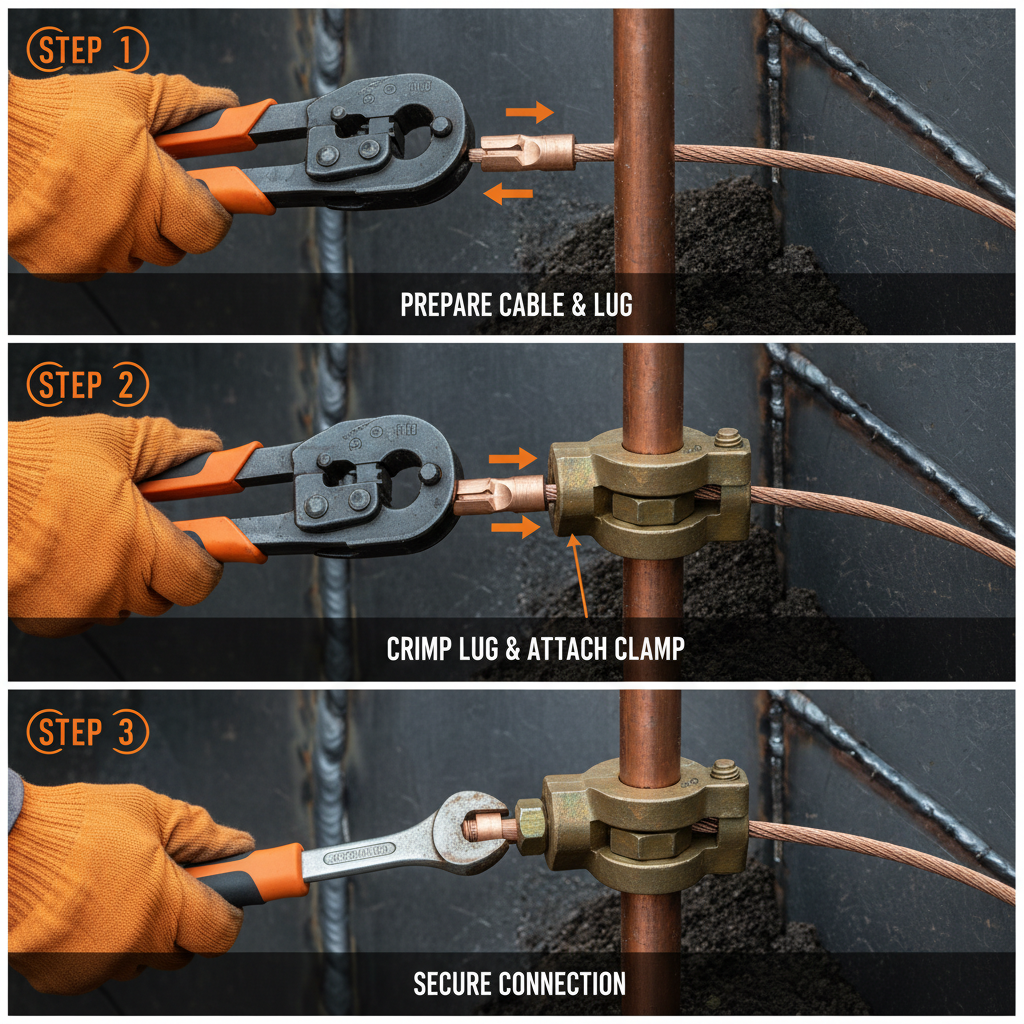
Why a Secure Cable to Ground Rod Connection Matters
A strong cable to ground rod connection is the first line of defense against electrical surges and faults. It provides a low-resistance path for fault currents to flow to the earth, minimizing the risk of electrical shock, fire hazards, and damage to sensitive electronic equipment. Poor connections can lead to increased impedance, reducing the effectiveness of the grounding system and potentially creating dangerous situations. Furthermore, a reliable connection ensures compliance with electrical codes and safety standards, protecting both property and individuals. Corrosion is a major threat to grounding system effectiveness, making material selection crucial.
Key Benefits: Protects against electrical shock, minimizes fire hazards, safeguards electronic equipment, ensures code compliance, and prevents corrosion issues.
Types of Cable to Ground Rod Connectors
Several types of connectors are available, each suited for different cable types and grounding rod materials. Common options include:
- Compression Connectors: These provide a highly reliable, gas-tight connection using compression force. Ideal for copper to copper connections.
- Wedge Connectors: Utilize a wedge-shaped pin to create a secure connection. Suitable for both copper and aluminum grounding systems.
- Set-Screw Connectors: Rely on a set screw to clamp the cable to the ground rod. Less reliable than compression or wedge connectors but are more affordable.
- Direct Burial Connectors: Designed for underground applications, these connectors are typically made from corrosion-resistant materials.
Connector Comparison:
• Compression: Highest reliability, Copper-to-Copper
• Wedge: Versatile, good for Copper/Aluminum
• Set-Screw: Cost-effective, Lower reliability
• Direct Burial: Corrosion Resistant, Underground Use
Choosing the Right Connector: Material Compatibility & Ground Rod Type
Selecting the correct connector depends on the materials involved—the grounding rod and the cable. Mixing dissimilar metals without proper precautions can lead to galvanic corrosion. Here's a breakdown:
Installation Best Practices for a Robust Connection
Proper installation is as crucial as choosing the right connector. Here's a checklist:
- Cleanliness: Ensure the grounding rod and cable are free from dirt, corrosion, and other contaminants.
- Surface Preparation: Remove any coatings or paint from the contact surfaces.
- Torque Specifications: Follow the manufacturer's torque recommendations for compression and set-screw connectors.
- Anti-Oxidant Compound: Apply an anti-oxidant compound to prevent corrosion, especially when connecting dissimilar metals.
- Inspection: Visually inspect the connection for tightness and proper seating.
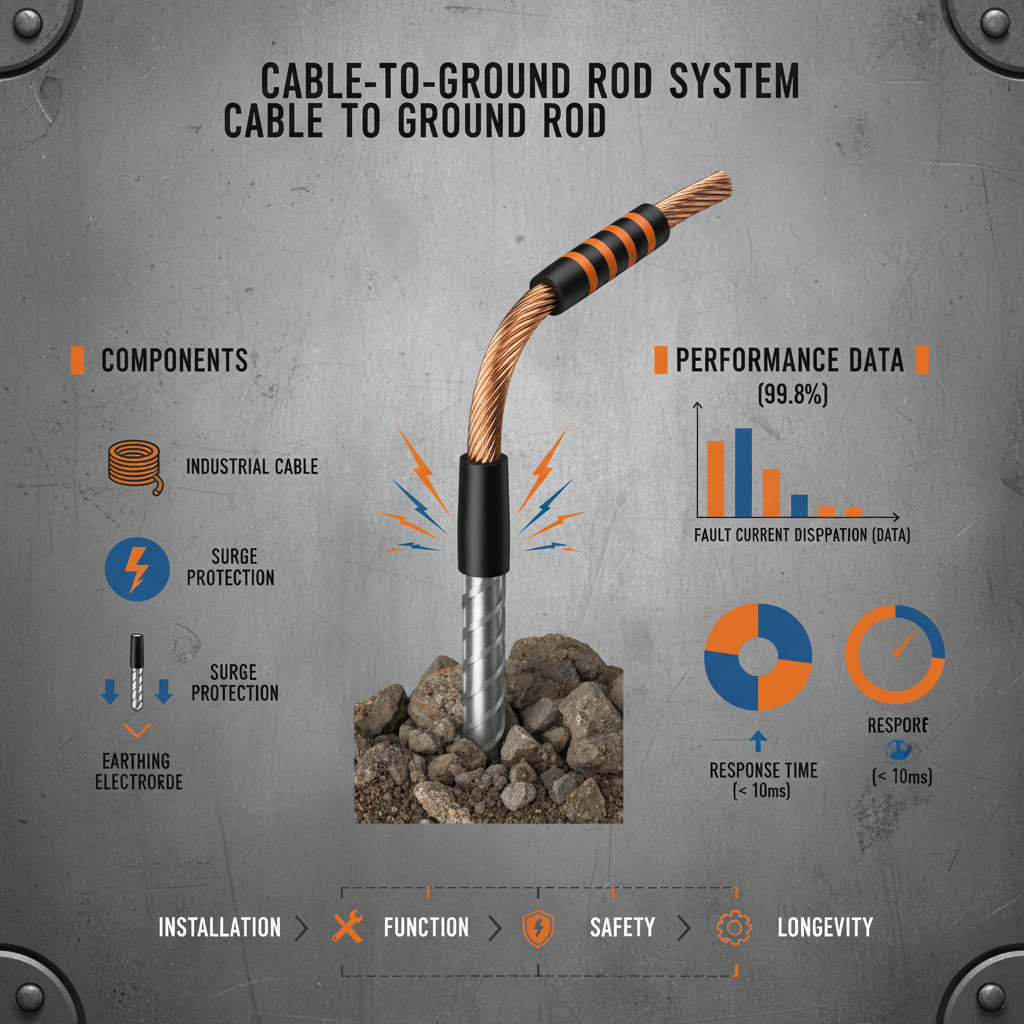
Maintaining Your Grounding System
Regular inspection and maintenance are vital for long-term reliability. Check connections annually for tightness and corrosion. Replace any corroded or damaged components immediately. Ensure the grounding rod remains fully embedded in the earth. Bilopowtel provides high-quality connectors and grounding solutions to ensure a safe and effective grounding system.
Conclusion: Ensuring a Safe and Reliable Grounding System
A secure cable to ground rod connection is paramount for electrical safety and system protection. By understanding the different connector types, material compatibility, installation best practices, and the importance of regular maintenance, you can ensure a reliable grounding system that safeguards your property and personnel. Investing in quality connectors from a trusted supplier like Bilopowtel is a crucial step in creating a safe and durable grounding infrastructure.
Frequently Asked Questions (FAQs)
What is the recommended depth for grounding rod installation?
The National Electrical Code (NEC) generally recommends a minimum grounding rod depth of 8 feet (2.44 meters). However, local codes may vary. In areas with rocky soil or shallow bedrock, multiple grounding rods may be required, spaced at least 6 feet apart, to achieve an effective grounding system. The goal is to reach consistently moist earth for optimal conductivity. The depth ensures consistent ground temperature and moisture levels throughout the year, which are essential for reliable grounding.
How do I test the effectiveness of my grounding system?
Grounding system testing is best performed by a qualified electrician using specialized equipment like a ground resistance tester. This tester measures the resistance between the grounding electrode (ground rod) and a remote ground stake. A low resistance reading indicates an effective grounding system. Regular testing – ideally annually – is recommended to ensure continued compliance and safety. Readings should be below 5 ohms, but local codes may have stricter requirements.
What is the purpose of using an anti-oxidant compound?
An anti-oxidant compound, also known as joint compound, is applied to connections between dissimilar metals (e.g., copper cable to galvanized steel ground rod) to prevent galvanic corrosion. This compound creates a barrier that inhibits the flow of electrons between the metals, reducing the likelihood of corrosion. It’s crucial for maintaining a low-resistance connection and extending the lifespan of the grounding system. Always use a compound specifically designed for electrical connections.
Can I use a concrete-encased ground rod?
While concrete-encased ground rods offer physical protection, they can significantly increase the grounding resistance. Concrete tends to dry out over time, becoming a poor conductor. If a concrete-encased rod is used, it must be surrounded by a continuously moist backfill material to ensure effective grounding. It’s generally recommended to avoid concrete-encased rods unless absolutely necessary due to physical protection requirements, and to prioritize directly buried rods whenever possible.
Latest news
Precision Lifting and Pulling with the Lever Block 0.5 Ton Guide
NewsApr.16,2026
Precision Engineering Guide for High Performance Jet Lever
NewsApr.16,2026
Ultimate Guide to Choosing the Professional Industrial hoist lever
NewsApr.16,2026
Industrial Hoist Lever Chain Guide for Heavy Lifting and Rigging
NewsApr.16,2026
Industrial Lever Hoist Guide for Efficient Lifting and Pulling
NewsApr.16,2026
Ultimate Guide to Hand Ratchet Lift for Heavy Industrial Lifting
NewsApr.16,2026
- CONTACT
- ADDRESS: 188, Fengshou Road, Shijiazhuang. China
- EMAlL: info@bilopowtel.com
- PHONE: 0086-311-88862036
- WHATSAPP: 0086-152-26563165


